
Pepper Guides for Growing, Cooking, and Understanding Heat (212)
Practical guides that organize cited pepper science, kitchen references, and extension guidance into clear next steps.
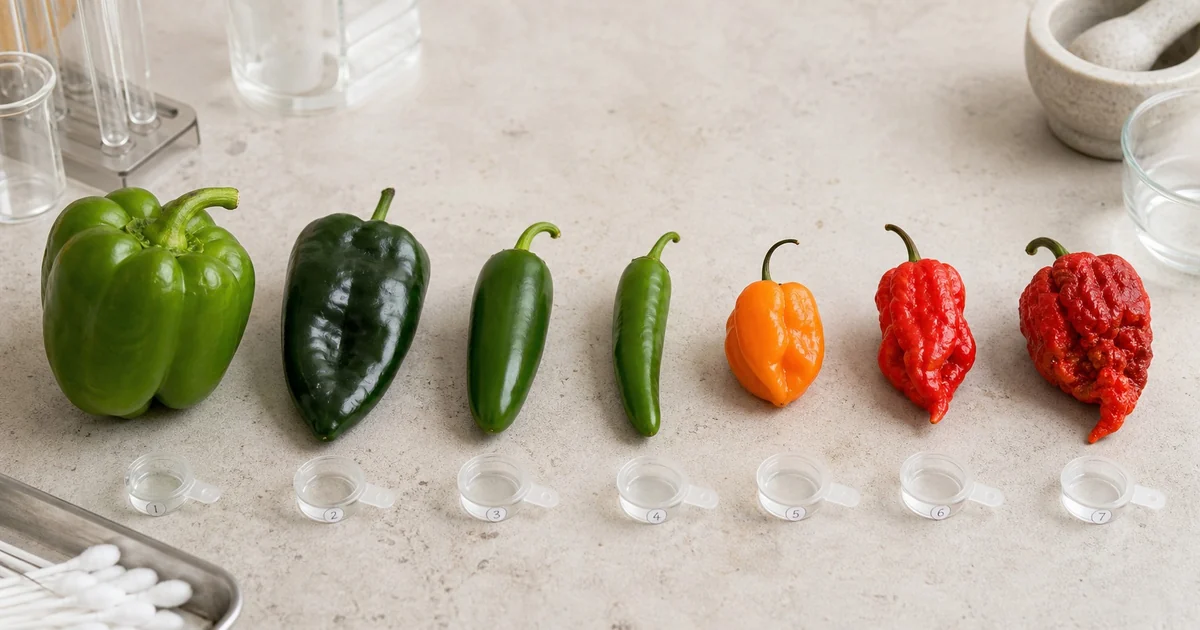
How the Scoville Scale Measures Pepper Heat, From Taste Panels to HPLC
The Scoville scale measures capsaicinoid concentration as Scoville Heat Units, or SHU. Modern labs use HPLC rather than taste panels, so use the numbers as a heat range guide, not a promise of how every pepper or hot sauce will feel.

Best Peppers for Chili: Build a Dried Chile Base, Then Add the Heat
The best peppers for chili usually combine dried depth with controlled heat. Use ancho for sweet body, guajillo for bright red fruit, pasilla or mulato for darker notes, chipotle for smoke, and cayenne or chile de arbol when the pot needs a sharper burn.

What Is the Best Soil for Pepper Plants in Pots and Beds?
Pepper soil needs drainage first, then steady nutrition and a slightly acidic pH around 6.0-6.8. Use lighter mixes for containers, compost-rich but not soggy raised beds, and avoid heavy clay that holds water around roots.

Dried Mexican Chiles by Flavor and Heat, From Sweet Ancho to Chile de Arbol
Dried Mexican chiles are easiest to understand by fresh name, dried name, flavor, and heat. Ancho brings sweet raisin body, guajillo adds bright red fruit, pasilla is darker and earthy, while morita, cascabel, mulato, and arbol fill different sauce jobs.

Easiest Peppers to Grow for Beginners, From Banana Peppers to Cayenne
The easiest peppers for beginners tolerate temperature swings, common watering mistakes, and ordinary garden soil better than fussy varieties. Start with reliable producers that mature quickly and keep setting fruit.

Fresh vs Dried Peppers: How Flavor and Heat Change
Drying peppers removes water and concentrates sugars, acids, capsaicin, and deeper roasted flavors. The guide explains name changes, heat perception, substitution ratios, and when fresh or dried peppers fit a dish better.

Hottest Peppers in the World, Ranked: Guinness Records vs. Grower Claims
Pepper X holds the Guinness record at an average of 2,693,000 SHU, certified in 2023 from Winthrop University testing. Below it the published rankings mix certified records with grower claims, so the useful question about any figure is which laboratory produced it and across how many fruits.

How Long Do Peppers Take to Grow From Seed to Harvest?
Most sweet and hot peppers need about 70 to 85 days after transplanting for a first usable harvest, and starting from seed usually adds about eight weeks indoors. Full color takes longer than a green harvest, while cool soil, extreme temperatures, and excess nitrogen can move the date later.

How to Cut Jalapenos Without Burning Your Hands or Spreading Capsaicin
Cutting jalapenos safely comes down to one property: capsaicin is oil-soluble, so water spreads it and oil plus soap removes it. Scrape the pith over a bowl, glove up for batch work, and know before you need it that an eye splash needs 15 to 20 minutes of irrigation, not the few seconds it feels like.

How to Deseed Peppers and Remove the Pith That Holds Most of the Heat
Deseeding peppers reduces heat because most capsaicin sits in the white pith around the seeds. The right technique depends on pepper size: bells can be cored, jalapenos can be halved, and small chiles may need a slit-and-scrape method.

How to Dry Peppers at Home by Matching the Method to Wall Thickness
Drying peppers removes moisture so a harvest stores for months instead of days. Thin-walled peppers can air dry in low humidity, while thick-walled or humid-climate batches need a dehydrator or low oven before airtight storage.

How to Fertilize Pepper Plants: Cut Back Nitrogen When Buds Appear
Pepper fertilizer needs change by growth stage. Young plants need enough nitrogen for leaves, but fruiting plants need less nitrogen and more phosphorus and potassium support so they set flowers and pods.

How to Freeze Peppers: Flash Freeze on a Tray, Then Bag for Cooking
Freeze peppers when you want to preserve fresh flavor and heat for cooked dishes. Slice or dice them, flash freeze on a tray, pack airtight, and expect softer texture after thawing, which suits sauces, soups, stir-fries, and cooked fillings.

How to Grow Bell Peppers: Start Seeds 8-10 Weeks Before the Last Frost
Bell peppers are zero-heat sweet peppers that reward consistent warmth, water, and patience. Start early, transplant into warm soil, support plants as fruit sizes up, and harvest green or fully colored depending on flavor goals.

How to Grow Carolina Reapers Through Slow Germination and a Long Season
Carolina Reapers need heat, patience, and a long season. Start seeds early on a heat mat, keep seedlings warm, transplant only after soil warms, feed without overdoing nitrogen, and handle ripe pods with gloves because Reaper heat can be extreme.

How to Grow Ghost Peppers When Ripe Pods Need 150 Days After Transplant
Ghost peppers punish late starts because Bhut Jolokia needs a long warm season. Start seeds early, keep germination heat steady, transplant after soil warms, avoid waterlogged roots, stake loaded branches, and let pods fully ripen for best heat and flavor.

How to Grow Habaneros That Ripen to Full Color and Fruity Heat
Habaneros need more warmth, patience, and season length than most common peppers. Start early indoors, keep soil warm, avoid cold stress, feed consistently, and let pods fully color for the strongest fruity heat.

How to Grow Jalapenos, Starting With a Variety That Fits Your Season
Jalapenos reward simple habits more than fancy gear. Start seeds in warm soil, move plants out only after nights stay mild, and manage water and feeding steadily if you want reliable green or red harvests from beds or containers.
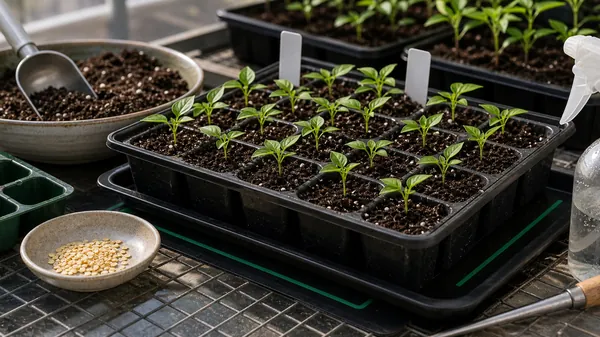
How to Grow Peppers From Seed by Counting Back From Transplant Day
Start pepper seeds by counting backward from a warm, frost-free transplant date. Sow 1/4 inch deep, manage warmth and moisture until emergence, then switch to strong light, airflow, root-based potting decisions, and gradual outdoor acclimation.

How to Make Hot Sauce: Choosing Between Vinegar and Fermented Batches
To make hot sauce at home, decide the pepper, the acid, and whether the batch should stay raw, simmered, or fermented. That one choice controls texture, shelf life, and the kind of heat that lands in the bottle.

Pruning Pepper Plants: Which Cut Fits Each Stage of Growth
Pruning pepper plants helps only when the cut matches the plant stage. Top young plants to encourage branching, remove weak lower growth after transplanting, pinch early flowers when plants need roots first, and avoid heavy pruning once fruit set is underway.

How to Reduce Spice in Food: Dilution Works, Dairy Helps, Water Fails
Reducing spice means picking a mechanism: lower the capsaicin concentration by diluting, carry it away with dairy or another fat, or shift perception with acid and sweetness. Only dilution changes how much capsaicin is in the bowl, and water does none of the three.

Roasting Peppers by Batch Size: Oven, Broiler, Grill, or Gas Flame
Roasting peppers chars the skin, softens the flesh, concentrates sweetness, and adds light smoke. Thick-walled peppers work best, and the best method depends on batch size: grill for smoke, broiler for speed, gas flame for a few pods, or oven for even cooking.

How to Stop Pepper Burn: Soap for Hands, Dairy for Mouth, Water for Eyes
Pepper burn lasts because capsaicin sticks to skin and TRPV1 receptors and does not rinse away with water. Use dish soap on hands, dairy or fatty foods in the mouth, and clean water or saline for eyes before seeking medical help if symptoms are severe.

Transplanting Pepper Seedlings at 4 to 6 True Leaves Without Shock
Pepper seedlings are ready to transplant after they have 4-6 true leaves, warm soil, and a week of hardening off. The key is minimizing shock with timing, watering, spacing, and gentle root handling.

The Mexican Dried Chile Trinity: Ancho, Guajillo & Pasilla
The Mexican dried chile trinity is ancho, guajillo and pasilla, which are dried poblano, mirasol and chilaca. Ancho gives sweet body, guajillo gives bright fruit and most of the colour, and pasilla gives cocoa and earth. All three are mild, so they are chosen for flavour layering rather than heat.

Blossom End Rot on Peppers: Steady Watering Gets Calcium to the Fruit
Blossom end rot on peppers is not a fungus or pest issue. It happens when developing fruit cannot get enough calcium, usually because watering swings, root stress, fast growth, or fertilizer imbalance interrupts calcium movement into the blossom end.

How to Neutralize Pepper Burn on Skin, Starting With Dish Soap
Pepper burn on skin happens because capsaicin oil binds to nerve receptors and does not dissolve in water. Start with dish soap and cool running water, then use dairy fat, cooking oil, or a baking soda paste if the burn keeps spreading.

Pepper Growing Calendar: Month-by-Month Planting Guide
A pepper growing calendar starts with soil temperature and frost timing, not a fixed month. Use your zone to plan seed starting, transplanting, feeding, pruning, harvest, and end-of-season tasks.

Printable Pepper Heat Chart: 50+ Peppers Sorted Into Five Scoville Tiers
A pepper heat chart is most useful when SHU numbers are paired with flavor and use. Bell peppers start at 0 SHU, jalapenos sit in the medium range, habaneros move into extra-hot territory, and superhots require careful handling rather than casual substitution.

Pepper Plant Leaves Curling: 7 Causes From Overwatering to Broad Mites
Curling pepper leaves need diagnosis before treatment. Upward curl during hot afternoons often points to heat or light stress, downward curl with drooping can mean root or watering trouble, and distorted new growth can signal pests, herbicide drift, or nutrient imbalance.

Why Are My Pepper Leaves Turning Yellow? Check Where the Yellowing Began
Pepper leaves can turn yellow from root-zone moisture, nutrient uptake trouble, pests, disease, cold, or normal aging. Start with the first leaves affected, then check moisture, veins, spots, insects, and the speed of spread before changing care.

Pepper Plant Not Producing Fruit? Temperature Is the First Thing to Check
A pepper plant with flowers but no fruit usually has a fruit-set problem, not a dead plant. Check temperature, pollination, nitrogen level, watering consistency, sunlight, and root space before assuming the variety is bad.

The 5 Domesticated Pepper Species: Flavor, Climate, and Ripening Compared
The five domesticated pepper species are Capsicum annuum, chinense, frutescens, baccatum, and pubescens. Species tells you more than heat alone because it affects flavor, plant habit, climate tolerance, ripening time, and how the burn feels.

Which Mexican Chiles Work Fresh, Dried, Smoked, or Pickled?
Mexican cooking uses peppers as structure, not just heat. Fresh chiles bring brightness and crunch, dried chiles build body and color, smoked chiles add depth, and pickled chiles cut through rich dishes with acid and salt.

What Is Capsaicin? The Compound That Makes Peppers Hot
Capsaicin is a capsaicinoid made mainly in a pepper's pale placental tissue. It activates TRPV1 sensory nerves, creating a burn signal whose strength varies by sample, preparation, and exposure.

When to Plant Peppers by Zone, Once Soil Stays Above 60°F
Plant peppers after cold soil risk has passed and soil temperatures stay above 60 degrees. Start seeds indoors 8-12 weeks before the last frost, then transplant only after hardening off and stable nights.

Why Pepper Plants Drop Flowers (and How to Fix It)
Pepper plants drop flowers when stress makes fruit set unlikely. The usual causes are nights below 55°F or above 75°F, daytime heat above 90°F, inconsistent watering, excess nitrogen, poor pollination, transplant shock, or pest pressure.

Why Are My Peppers Not Hot? Variety, Water, Nitrogen, or Picking Too Early
Peppers usually taste bland because the variety was mild, the plant grew too wet or cool, nitrogen ran high, or fruit was picked before full color. Start with hotter genetics, then manage water, warmth, feeding, and harvest timing.

Mild Peppers to Try: Bell or Pimento for No Heat, Cubanelle for Frying
Choose a mild pepper by the job it needs to do. Bell peppers provide thick walls and no heat, pimentos stay in the 0-500 SHU range, Cubanelle peppers suit frying, and poblanos or Anaheims add gentle heat. The source-backed ranges below are guides, because individual fruit and personal sensitivity vary.

Best Peppers for Containers: Compact Plants and the Pot Size They Need
Good container peppers stay productive in limited root space. Compact Thai types, habaneros, shishitos, NuMex Twilight, and some bells can work if pot size, soil mix, watering, and feeding match the plant.

Which Pepper Suits Your Curry: Kashmiri, Thai Bird Chile, or Scotch Bonnet?
The best pepper for curry depends on the cuisine. Kashmiri chilies build color and mild warmth for Indian dishes, Thai bird chiles bring fast heat to Thai curry, and Scotch bonnets suit Caribbean curry when fruitiness matters.

Best Peppers for Grilling, From Shishitos in a Basket to Charred Poblanos
Grilling peppers works best when wall thickness, moisture, and heat level match the fire. Bells, shishitos, Padrons, jalapenos, poblanos, and hotter chiles each need different prep and timing.

Best Peppers for Pizza: Calabrian Heat, Pickled Tang, or Roasted Sweetness
Pizza peppers need to balance heat, moisture, and fat. Calabrian chiles, banana peppers, cherry peppers, jalapenos, and roasted peppers each work differently depending on sauce, cheese, and topping load.

Best Peppers for Smoking Beyond Chipotle, Paired With Wood and Time
Smoking works best with peppers that can handle slow drying without losing their identity. Jalapenos, poblanos, cherry peppers, habaneros, and thick-walled sweets each need different wood, time, and storage choices.

Best Peppers for Stir Fry That Hold Their Texture in a Screaming-Hot Wok
The best stir-fry peppers keep texture under high heat and match the dish heat target. Bell peppers add bulk and sweetness, while Thai chilies, Tien Tsin, serranos, and shishitos change the burn, aroma, and finish.

Best Peppers for Tacos, Matched to Salsa, Roasted Filling, and Adobo
Match the pepper to the taco component. Jalapeno or serrano can sharpen a fresh salsa. Roasted poblano can become part of the filling. Ancho, guajillo, and pasilla build a dried-chile adobo. This guide follows documented Mexican and extension recipes rather than ranking peppers across jobs they do not share.

Best Peppers for Wings, Starting With Cayenne for Classic Buffalo Sauce
Wing peppers need to work with butter, vinegar, and chicken fat, not just score high on the Scoville scale. Cayenne anchors classic buffalo sauce, while jalapeno, habanero, ghost pepper, and milder options fit different sauce styles.

Does Capsaicin Work for Pain Relief? What Studies Show
Topical capsaicin can reduce some pain, but the product and diagnosis matter. OTC 0.075% cream follows its Drug Facts label, while Qutenza 8% is administered only by healthcare professionals for two approved adult neuropathic-pain indications.

Growing Peppers in Pots: Five Gallons, Loose Mix, and Six Hours of Sun
Start one pepper in a container of at least five gallons with open drainage and a loose soilless mix. Give it six or more hours of sun, check moisture below the surface, feed by the product label, and move the pot before frost.

How to Grow Cayenne Peppers From Seed to Dried Powder in About Six Months
Start cayenne peppers indoors about eight weeks before outdoor planting, then give them warm soil, full sun, even moisture, and support. Harvest mature pods green or red, and dry ripe pods until brittle before grinding.

How to Grow Hatch Chiles at Home Using Big Jim or NuMex Varieties
Hatch chile is a regional style, not one cultivar. Home growers can choose New Mexico varieties such as Big Jim or NuMex types, then focus on heat, sun, drainage, and harvest timing to get closer to the roasted Hatch flavor profile.

How to Grow Poblano Peppers for Green Stuffing Pods or Dried Anchos
Poblanos need a long warm season, steady moisture, and enough root space to build thick-walled pods. Harvest green for stuffing, or let pods ripen red if you want to dry them into ancho chiles.

How to Grow Serrano Peppers Without Losing Flowers Above 95°F
Serranos grow best with warm days, steady feeding, and enough airflow to prevent flower drop and disease. This guide covers seed timing, transplanting, temperature stress, harvest color, and basic pest control.

How to Grow Thai Peppers in Pots and Gardens, Then Harvest and Dry Them
Thai peppers grow compact plants with heavy yields and intense heat, making them good for pots and small gardens. Start seeds warm, give strong light, harvest green or red, and dry extras for later cooking.

Homemade Chili Powder Built on Toasted Ancho, Guajillo, and Pasilla
Homemade chili powder tastes fresher because you choose the dried peppers and grind them after toasting. Use ancho, guajillo, and pasilla for body and fruit, then add arbol, cayenne, chipotle, cumin, garlic, or oregano to tune heat and style.

How to Make Peppers Hotter While Growing, Up to Their Genetic Limit
You cannot push a pepper beyond its genetics, but growing conditions can move fruit toward the hotter end of its range. Controlled water stress, full ripening, warm conditions, and balanced nitrogen matter more than gimmicks.

How to Overwinter Pepper Plants Indoors and Wake Them Up in Spring
Overwintering peppers works because peppers are frost-tender perennials, not true annuals. Move healthy plants indoors before frost, prune them back, reduce watering during dormancy, watch for pests, and restart stronger growth as spring light returns.

How to Pickle Peppers: Quick Vinegar Jars or a Slower Salt-Brine Ferment
Pickling peppers can mean fast refrigerator pickles or slower fermentation. Vinegar pickles give predictable acid and crunch, while fermented peppers use salt brine and time to build tang, softer heat, and more complex flavor.

Hand Pollinating Pepper Plants: When Tapping or Brushing Flowers Helps
Pepper flowers contain both pollen-producing and receptive parts, so one plant can set fruit without a partner. Hand pollination is a targeted test for healthy flowers in still air, not a daily ritual or a fix for heat, water, root, or pest stress.

Dried Peppers Rehydrate in One to Two Hours, Then Belong in the Fridge
Dried peppers rehydrate in about one to two hours, and any soak running longer than that belongs in the refrigerator rather than on the counter. Toasting first deepens aroma on thick-walled pods, the soaking liquid is worth keeping, and rehydrated peppers become perishable leftovers with a 3 to 4 day refrigerated window.

Green Peppers Ripen Best on the Plant: When Off-Vine Ripening Works
Green peppers ripen best on the plant because color change depends on maturity, warmth, and time. Off-vine ripening can help peppers that already started coloring, but fully immature pods usually stay green.

Save Pepper Seeds From Fully Ripe Pods and Store Them Below 40°F
Save pepper seed from fully ripe pods on open-pollinated plants, dry it below 8 percent moisture and hold it below 40 F. Isolation distance is disputed across sources and always further than a home garden allows, so bagging the flower is the reliable route. Test germination before you commit a tray to stored seed.

How to Smoke Jalapeños into Chipotles Low and Slow at 180-200°F
Homemade chipotles are ripe jalapenos slowly smoked and dried until leathery, dark, and concentrated. The guide covers wood choice, smoker or grill setup, temperature control, drying time, and storage.

How to Store Peppers Fresh for About a Week or Dried for Six to 12 Months
Fresh peppers keep about a week in a standard home refrigerator, and dried peppers keep six to 12 months once conditioned. Hot peppers need no blanching before freezing, drying should stay at or below 140 F to avoid case hardening, and peppers in oil carry a botulism risk that sets hard time limits.

Leggy Pepper Seedlings Come from Weak Light: Move It Closer, Run It Longer
Leggy pepper seedlings usually mean the light is too weak, too far away, or on too short a schedule. Fix the light first, then adjust airflow, potting depth, and transplant timing so stems can strengthen.

Mild Peppers for Cooking Under 5,000 SHU, from Sweet Bells to Poblanos
Mild peppers give pepper flavor without making a dish hot. Bell peppers, poblanos, Anaheim, cubanelle, shishito, banana peppers, and similar varieties differ in sweetness, wall thickness, roastability, and how much warmth they add.

Pepper Anatomy: What Do Seeds, Ribs, and Placenta Do?
A pepper has a three-layer fruit wall around locules, seeds, placenta, and septa. Capsaicinoids form in placental tissue, so removing the pale internal network changes heat more than shaking out seeds alone.

What Do Pepper Colors Mean for Ripeness, Heat, and Flavor?
Pepper color usually reflects ripeness, pigment, and variety genetics. Green peppers are often less ripe and more grassy, while red, orange, and yellow peppers have more developed sugars. Purple, brown, and white types need variety-specific context.

Pepper Companion Planting: Best and Worst Neighbors
Good pepper companion planting is about airflow, pest pressure, pollinators, and root competition. Basil, marigolds, onions, herbs, and some flowers can help, while crowded nightshades or water-hungry neighbors can create problems.

How to Ferment Peppers for Hot Sauce in a 2-3% Salt Brine
Fermented pepper mash needs a measured salt ratio, clean vessel, airlock or daily burping, and time for lactic acid to build. Use this guide to choose peppers, manage brine, spot problems, and turn the mash into hot sauce.

Are Hot Peppers Good for You? What the Capsaicin Research Supports
Hot peppers may offer benefits through capsaicin and related compounds, but the evidence varies by outcome. The guide separates stronger findings from weaker claims and covers pain response, metabolism, digestion, heart-health research, and safety limits.

Why Are My Pepper Leaves Turning Brown? 7 Causes and Their Fixes
Brown pepper leaves can come from disease, weather damage, fertilizer burn, water stress, or pests. Match the pattern first: spots with halos, crispy edges, sun-facing patches, frost-blackened tissue, or root-zone stress each point to a different fix.

Common Pepper Pests and Diseases (With Treatment Guide)
Diagnose pepper pests and diseases from the affected plant part, direct signs, spread pattern, weather, and speed. Confirm insects or lesions before treatment, rule out environmental lookalikes, and escalate from sanitation or physical control to a food-crop-labeled product only when evidence supports it.

Pepper Plant Spacing: How Far Apart Should Plants Be?
Pepper spacing depends on mature plant size and airflow. Compact plants can sit closer together, while large bells, poblanos, and sprawling hot peppers need wider spacing in beds, rows, and containers.

Pepper Plant Wilting: Recovery Timing, Soil, and Root Signs to Check
A pepper plant can wilt from dry soil, saturated or damaged roots, temporary heat demand, transplant or cold stress, vascular disease, or nematodes. Check when it recovers, then inspect soil, crown, stem, and roots before changing water or fertilizer.

What Does Pepper Sunscald Look Like, and How Do You Stop It?
Sunscald is sun damage, not an infectious disease. It shows as pale, papery patches on exposed fruit, and prevention depends on canopy cover, shade during heat spikes, careful pruning, and quick harvest of damaged peppers.

Peppers in Caribbean Cooking: Scotch Bonnet Heat and Sweet Aji Dulce
Caribbean pepper use includes both heat and seasoning. Scotch bonnet is documented in Jamaican jerk, sauces, and other dishes, while mild cachucha or aji dulce peppers provide a sweet Capsicum chinense option. West Indian hot peppers are also processed into table sauces. The right choice depends on whether the dish needs pungency, aroma, or both.

Which Peppers Shape Heat in Chinese Regional Cooking?
Chinese cooking layers different kinds of heat: dried chile sharpness, Sichuan peppercorn numbness, smoky Facing Heaven peppers, and regional fresh chiles. Use this guide to match each form to stir-fries, oils, braises, and sauces.

Which Indian Chiles Build Color, Heat, and Tempering?
Indian pepper use depends on region, form, and purpose. Kashmiri chiles give color with mild heat, Guntur types bring stronger heat, fresh green chiles sharpen tempering, and dried powders shape curries, pickles, and chutneys.

Which Korean Peppers Become Flakes, Paste, or Fresh Heat?
Korean pepper flavor centers on gochugaru, gochujang, and fresh Cheongyang-style chiles. The guide explains how dried flakes, fermented paste, and fresh peppers shape kimchi, stews, braises, and quick salads.

Which Thai Peppers Work Fresh, Roasted, or Dried, and How Hot Is Each?
Thai cooking uses peppers as structural flavor, not just garnish. Prik kee noo brings sharp fresh heat, prik chee fah adds color and moderate burn, prik num is milder and roasted, and dried chiles build curry paste depth.

Green Chili Powder: How to Dry and Grind Unripe Chiles at Home
Make green chili powder from fresh peppers with drying times, grinder tips, storage rules, and pepper choices for bright green heat.

How to Grow Hotter Peppers Up to Each Variety's Genetic Heat Ceiling
Capsaicin production in peppers is controlled by genetics, not fertilizer brands. The techniques here close the gap between what your soil produces and what the variety is capable of.

Best Peppers for Dehydrating: Thin-Walled Pods That Dry Evenly for Powder
The best dehydrating peppers are thin-walled enough to dry evenly and flavorful enough to stay useful once the moisture is gone. Cayenne, Thai chiles, and de arbol cover everyday heat, cascabel and mirasol bring sauce body, and the super-hots need different handling at the grinder rather than a different drying schedule.

Best Peppers for Fermenting, and How Each Behaves Under 2-3% Salt
Good fermenting peppers have enough flavor and sugar to support lactic fermentation without turning flat. Fresno, tabasco, serrano, habanero, and blended batches each behave differently under a 2-3% salt ferment.

How to Pickle Peppers at Home: 1:1 Fridge Brine or Water-Bath Canning
Pickled peppers need firm pods, a balanced vinegar brine, clean jars, and storage choices that match the method. Use the guide to adjust heat, aromatics, slice thickness, and fridge or longer-term preservation.

Which Japanese Peppers Are Blistered, Dried, or Blended?
Japanese cooking usually uses pepper heat as accent and balance. Shishito is mild and blistered whole, Santaka adds sharper dried heat, and blends like shichimi togarashi or yuzu kosho bring chile into seasoning rather than centerpiece.

Which Jalapeno Varieties Fit Your Garden and Kitchen?
Jalapeno cultivars separate heat, fruit size, ripe color, plant habit, harvest rhythm, and seed genetics. Match the named evidence to your limiting kitchen or garden job instead of looking for one universal best variety.

What Are Chipotles in Adobo and How Do You Use Them?
Chipotles in adobo are smoked ripe jalapeños packed in a tomato and vinegar sauce. Treat the whole pepper, surrounding sauce, and blended purée as different units so you can control smoke, heat, texture, and seasoning.

Chile Flakes: How to Choose Flavor, Heat, and Texture
Chile flakes are dried chiles crushed into coarse pieces. Choose the jar by flavor, grind, heat direction, and cooking stage because generic crushed red pepper, gochugaru, Aleppo-style pepper, Urfa biber, and smoked flakes do different jobs.

How to Use Ghost Pepper Powder Without Losing Control
Ghost pepper powder is dried, finely ground Bhut Jolokia with enough heat to overwhelm a dish in a fraction of a teaspoon. Start with a deliberately tiny dose, disperse it through the whole batch, and treat airborne powder as an eye and airway irritant.

Germinating Pepper Seeds Near 85°F in an Evenly Moist, Airy Mix
Pepper seeds germinate most reliably near 85°F in an evenly moist, airy seed-starting mix. Many viable lots emerge in 7 to 14 days under favorable conditions.

Chili Powder Ingredients: What Is Really in the Jar?
Most U.S. chili powder is a seasoning blend of ground red chile, cumin, garlic, oregano, and often salt. Read the exact jar because paprika, onion, heat, and functional ingredients vary by product.

Common Pepper Plant Problems: Diagnose the Symptom First
Inspect the pattern before treating. Check how many plants are affected, moisture at root depth, leaf undersides, stems and fruit, and recent weather or spraying. Make one supported correction, then judge new growth or continued spread.

How to Stake Pepper Plants Early, Beside the Crown, with Loose Ties
Stake a pepper plant when its height, branching habit, fruit load, container, or wind exposure makes the root ball or branch forks move under pressure. Install the support early, place it beside rather than through the root crown, and use broad flexible ties that leave room for the stem to thicken. A single stake suits an upright plant, a cage carries several spreading branches, and a stake-and-weave system supports a row. Recheck ties and upper branches as peppers gain weight because one low attachment cannot protect a loaded canopy.

Pepper Plant Propagation: Rooting Cuttings in Water or an Airy Medium
A pepper cutting can clone a healthy plant whose fruit, growth, or appearance you want to preserve. Take a clean nonflowering shoot below a node, remove lower leaves, keep a small top canopy, and root the bare nodes in clean water or an airy moist medium. High humidity slows water loss before roots form, but saturated media and stagnant air encourage rot. Pot up only after roots branch or hold the medium and the cutting produces stable new growth, then reduce humidity and increase light gradually.

How Should You Care for Pepper Seedlings After Sprouting?
Pepper seedling care changes the moment a shoot breaks the mix. Move each emerged cell out of the humid germination setup, give it strong overhead light with a nightly dark period, and water the root plug only when its surface is nearly dry. Compact stems, expanding true leaves, a firm stem base, and roots that hold the plug show that the setup is working. Stretching, constantly wet mix, collapsing stems, or cells that dry much faster than before each point to a different correction.

Should You Pinch Off Pepper Plant Flowers, and Which Ones?
Pinch off early pepper flowers only when the plant is still cramped, weak, or newly transplanted and enough warm season remains to replace the delayed fruit. Leave the flowers on a healthy established plant when early harvest matters more than extra vegetative growth. The useful target is usually a crown flower at the first fork, not the growing tip. Research on bell peppers shows that selective flower removal can change fruit timing, size, or distribution, but it does not guarantee a larger total harvest in every system.

Should You Top Pepper Plants? When It Helps and Hurts
Topping is optional. It removes the terminal growing tip and may produce a shorter plant with more lateral branches, but credible extension guidance does not show that one cut guarantees more ripe peppers. Top only a healthy, established plant when compact architecture solves a real space or support problem and enough season remains for regrowth plus fruit maturation. Leave stressed, flowering, fruiting, or short-season plants intact.

When Should You Plant Pepper Seeds for Your Climate?
Choose the outdoor transplant date first, then count backward by the seed packet's indoor-start interval. Check local freeze probability and wait for soil near the transplant site to reach about 60°F. Adjust the window for cultivar maturity and the space, light, and containers available indoors. Starting earlier helps only when the setup can hold a compact, healthy transplant until outdoor conditions are ready.

Growing Tabasco Peppers Without Stalled Plants or Thin Harvests
Tabasco peppers grow best when you treat them like a long-season warm-weather plant instead of a generic backyard chili. Start them early, wait for real warmth before transplanting, keep moisture steady, and let the small upright pods ripen deep red if your main goal is hot sauce flavor instead of just early heat.

How to Make Chipotle Peppers Without Sour Smoke or Half-Dried Pods
Real chipotle peppers start with fully ripe red jalapeños, then move through a low smoky drying process that removes moisture without cooking the peppers into mush. Most bad home batches fail for one of three reasons: the peppers were picked green, the smoker ran too hot, or the pods were pulled before they were dry enough to store safely.

What Is Berbere? Flavor, Heat, Ingredients, and Uses
Berbere is a red, chile-led spice blend central to Ethiopian and Eritrean cooking. Formulas vary, but many combine dried chile with aromatic seeds, warm spices, ginger, and savory seasonings for heat and depth.

What Are Capsaicinoids? A Guide to the Pepper Heat Family
Capsaicinoids are the related compounds behind hot-pepper pungency. Capsaicin is one member, while total capsaicinoids describes a measured group defined by the laboratory method.

What Is a Chili Pepper? Fruit, Heat, Species, and Uses
A chili pepper is the fruit of a Capsicum plant grown or used for pungency. It is botanically a fruit, usually treated as a vegetable when fresh and as a spice when dried, and can belong to several domesticated Capsicum species.

How to Use Chipotle Powder for Smoky Heat Without Adding Liquid
Chipotle powder adds smoke, dried-fruit depth, and jalapeno heat without adding liquid. Start with 1/4 teaspoon for four servings, then adjust only after it disperses through the dish.

What Is Gochujang? Flavor, Heat, Ingredients, and Uses
Gochujang is a thick Korean fermented red pepper paste made from red pepper powder, a starch source, fermented soybean material, and salt. It combines chile heat, sweetness, salt, acidity, and deep savory flavor.

How to Use Habanero Powder Without Overdoing the Heat
Habanero powder supplies fruity extra-hot heat without adding liquid. Start with one measured pinch for four servings, disperse it fully, and taste before adding more.

What Are Heirloom Peppers? Labels, Seeds, and Uses
An heirloom pepper is a named cultivar kept alive through repeated seed saving, usually with a documented link to a family, community, region, or historical period. The name describes continuity and provenance, but it does not guarantee superior flavor, yield, nutrition, or performance in your garden.

How to Use Pepperoncini Juice Without Too Much Salt
Pepperoncini juice is a seasoned vinegar brine that can brighten dressings, salads, braises, beans, and sauces. Start with one teaspoon for four servings, then adjust salt only after tasting.

How to Use Smoked Paprika Without Overpowering Food
Smoked paprika brings red color, pepper sweetness, and wood-smoke aroma. Start with one-half teaspoon for four servings, then reduce it when the dish already contains char or another smoked ingredient.

What Are Sweet Peppers? Types, Heat, and Best Uses
Sweet peppers are Capsicum cultivars grown and used for little or no pungency, often with more noticeable sweetness as they ripen. Bell peppers belong to the group, but the category also includes long frying peppers, banana types, pimientos, sweet cherry peppers, and other non-bell forms.

What to Do With Habanero Peppers Before They Spoil
Use one or two firm habaneros fresh in salsa, marinades, beans, or stews. Turn a larger batch into refrigerator hot sauce, freezer portions, dried flakes, or pickles, and discard pods with mold, wet decay, or a sour odor.

What to Do With Poblano Peppers for Tonight or Later
Use firm poblanos raw or sauteed for crisp or tender pieces, roast broad pods for stuffing and rajas, and blend irregular peppers into salsa, soup, or sauce. Freeze prepared extras by final form and dry sound red poblanos into ancho chiles.

What Can You Do With a Lot of Jalapeños Before They Soften?
Sort a surplus by condition first. Use the firmest jalapeños fresh, freeze sound overflow for cooked dishes, dry suitable pods until brittle, and use tested recipes for shelf-stable jars.

What to Do With Fresh Cayenne Peppers: Cook, Dry, Freeze, or Pickle
Sort fresh cayenne peppers by condition before choosing a use. Cook firm pods fresh when you want bright, direct heat, dry thin-walled red pods for flakes or powder, freeze washed and stemmed peppers for cooked dishes, and reserve larger batches for sauce or refrigerator pickles.

What Can You Do With Chili Peppers in Everyday Meals?
Identify an unfamiliar chili before cutting it, then match its heat and wall thickness to the dish. Use crisp pods raw, blister sturdy green chilies, roast fleshy peppers, and simmer small amounts into sauces or beans. Separate unknown or superhot pods, add them gradually, and preserve only the extras you cannot cook while fresh.

What Can You Make With Whole Dried Chili Peppers, From Sauce to Powder?
Check whole dried chilies for mold, insect damage, decay, or decorative coatings before cooking. Keep a pod whole for removable heat, rehydrate it for sauce or paste, crush it for visible bursts, or grind it for even seasoning. Toast only when you want deeper aroma, and stop before the skin blackens or smokes.

What Is Nam Prik Pao? Flavor, Ingredients, and Uses
Nam prik pao is a Thai roasted chile paste built from dried chiles, browned aromatics, tamarind, sugar, oil, and often shrimp or fish seasonings. It works as a concentrated sweet, sour, savory, and spicy base for soups, stir-fries, rice, noodles, seafood, and table service.

What Is Sambal Oelek? Crushed Fresh Red Chiles and Salt in a Coarse Paste
Sambal oelek is a coarse Indonesian chile paste whose basic form centers on crushed fresh red chiles and salt, with acid or preservatives in some commercial jars. It adds direct chile flavor, visible texture, and adjustable heat without the sweetness, fermentation, or cooked aromatics found in many nearby sauces.

What Is Schug? Ingredients, Flavor, Heat, and Uses
Schug is a fresh Yemeni chile condiment, often green with cilantro, garlic, spices, and hot peppers. Green and red versions vary in herbs, tomato, oil, and texture.

What Is Shichimi Togarashi? Seven Flavors Explained
Shichimi togarashi is a Japanese seven-flavor seasoning. Red chile leads a variable blend of sansho, sesame, citrus peel, ginger, perilla, seaweed, or other seeds and aromatics.

Growing Peppers Indoors Works Best With Compact Plants and Grow Lights
Growing peppers indoors works best with compact varieties, strong grow lights, containers that drain well, careful watering, light feeding, and simple flower pollination help.

When to Pick Peppers: Green for Crunch or Full Color for Sweetness
Pick peppers when the pod is full-sized, firm, and at the color stage your recipe needs. Green harvest gives crunch and keeps plants producing. Full color gives more sweetness, drying value, and seed maturity.

Does Chili Paste Need Refrigeration? Classify It First
The product category determines which storage rule applies. An opened commercial jar follows its own label, while a fresh homemade paste defaults to refrigeration and homemade chile or garlic submerged in oil requires a stricter refrigerated time-control branch.

Does Sweet Chili Sauce Need to Be Refrigerated? Pantry vs Fridge
Commercial sweet chili sauce does not need refrigeration for safety unless its label says so. The fridge is still the better everyday choice, because the sugar and body make an opened bottle darken and crust around the cap.

Does Chili Garlic Sauce Need Refrigeration After Opening?
The after-opening instruction on the jar owns the answer because commercial chili garlic sauces use different formulas and processes. Refrigerate at 40°F or below when the label requires it, choose refrigeration when the direction is unclear, and treat a fresh homemade batch as refrigerator food unless a recognized authority supplied the complete tested shelf-stable process.

How to Make Chipotle Powder Without Flat Flavor or Dusty Heat
The cleanest chipotle powder starts with fully dried chipotles that still smell smoky and flexible enough to inspect, but dry enough to grind cleanly. Most mistakes happen when people grind stale pods, overheat the batch in the grinder, or confuse chipotle powder with generic chili powder or smoked paprika.

How to Make Sambal Oelek: Texture, Heat, and Storage
To make sambal oelek at home, grind fresh red chiles with salt and enough acid to keep the paste bright, then stop before it turns into a thin blended sauce. The goal is a rough, spoonable chile paste with clean heat and a little texture, not a pourable hot sauce or a chunky garlic condiment.

How to Make Paprika from Mild Red Peppers Dried Until Brittle
Homemade paprika works best when you start with the right mild red peppers, dry them fully until brittle, then grind in small batches so the powder stays bright instead of tasting flat or dusty. The biggest mistakes are using the wrong pepper type, grinding before the pods are fully dry, and confusing plain sweet paprika with smoked paprika or hotter chile powder.

How to Thicken Hot Sauce Without Wrecking Flavor or Flow
Thin hot sauce is not always a bad batch, but if the sauce runs like colored vinegar you usually need to fix solids, water, or suspension rather than just dumping in a random thickener. The safest order is to decide whether the sauce needs reduction, more pepper body, or a very light stabilizer, then adjust in small steps so you do not wreck acidity, pourability, or shelf behavior.

Does Sriracha Need to Be Refrigerated? Pantry vs Fridge Explained
Commercial sriracha does not need refrigeration for safety, and Huy Fong says its bottle can stay out after opening. Refrigeration is still the better choice for color and garlic flavor once a bottle will sit for months.

How Do You Grow Banana Peppers for Crisp, Heavy Harvests?
Choose a sweet or hot banana pepper line before planting. Start seed about eight weeks before warm-soil transplanting, keep roots evenly moist, and clip firm pods at the color that matches their use.

How Many Peppers Per Plant? Realistic Yields by Type
A full-size bell pepper plant commonly produces about 6 to 8 or more marketable fruits in extension guidance, while documented small-fruited cultivars can produce dozens. Keep cultivar, setting, harvest window, ripeness, and measurement unit attached to any number before using it to forecast your plant.

How to Store Dried Peppers Whole in Small Airtight Jars, Cool and Dark
Store dried peppers whole in small airtight containers in a cool, dry, dark cabinet. Cool home-dried pods for 30 to 60 minutes before sealing, keep only a working portion near the kitchen, and let refrigerated or frozen packs warm before opening them.

How to Store Jalapenos for the Dish You Want Later
Keep whole jalapenos dry in the refrigerator when you need crisp pods. Freeze raw or roasted pieces for cooked dishes, dry slices for seasoning, and pickle them when acidity belongs in the meal.

How to Store Pepper Seeds Dry, Sealed, and Cool So They Sprout Later
Store pepper seeds only after they are fully dry, then keep them sealed, cool, dark, and labeled. Moisture and heat shorten viability first. A refrigerator can help if the seeds are sealed and warmed before opening, but a cool cabinet works for short-term packets.

How to Store Poblano Peppers for Stuffing or Roasting
Keep firm whole poblanos dry and vented in the refrigerator for stuffing or roasting soon. For longer storage, cool and freeze them in meal-ready shapes, or dry clean ripe-red pods into ancho chiles.

How to Increase Pepper Yield: Full Sun, Feeding for Pods, Steady Water
Low pepper yield usually traces to sun, heat stress, or feeding. Learn the ranked fixes that get more peppers per plant without gimmicks or wasted effort.

What Are the Jalapeno Plant Stages from Seed to Red Fruit?
Jalapeno stages run from germination and true leaves through transplant recovery, flowering, fruit set, mature green pods, and red ripening. Identify the stage from the newest persistent structure, then use timing ranges to diagnose a delayed transition.

Jalapeno Planting: When Is It Warm Enough, and What Spacing?
Plant jalapenos after frost danger has passed and nights stay above 50 to 55 F. Space most transplants 18 inches apart in rows 30 to 36 inches apart, or use one strong plant per 5-gallon container. The best planting day is cloudy or late afternoon, with watered roots, warm soil, and no buried peat rim pulling moisture away.

Is My Pepper Plant Overwatered? How to Tell and What to Do
An overwatered pepper usually wilts in soil that remains damp, with yellow lower leaves, slow growth, and a pot that stays heavy. Check moisture two inches down, drainage, crown firmness, and root smell before choosing between drying the root zone, repotting, or discarding a plant with dark crown rot.

Which Pepper Companion Plants Help Without Crowding?
The best pepper companion plants earn space through timing, size, or insect habitat. Use basil, chives, sweet alyssum, flowering cilantro, compact marigolds, or temporary lettuce only where they preserve pepper spacing, airflow, watering, inspection, and harvest access.

Why Do Pepper Plant Flowers Fall Off Before Fruit Sets?
Pepper plant flowers fall off most often when temperature or root-zone moisture interrupts fruit set. Check the weather during the bloom, soil two inches down, the green ovary behind the petals, leaf growth, container heat, and flower damage before changing fertilizer or pollination care.

Why Is My Pepper Plant Not Flowering or Making Buds?
No buds usually point to growth stage, direct light, root temperature, container limits, or excess nitrogen. Match the newest plant shape to one leading cause, then watch the same branch tips for seven days.

Pepper Plant Leaves Curling: Heat Stress, Pests, or Herbicide Drift?
Pepper plant leaves curling are a symptom, not a diagnosis. Upward curl often points to heat or water stress, tight twisted new growth points to pests or herbicide drift, and cupped leaves need an underside check.

Why Have My Pepper Plants Stopped Growing New Leaves?
A pepper is truly stalled when the same growing tips make no new nodes or expanding leaves. Measure soil warmth, roots, moisture, and light before adding fertilizer.

How to Bonsai a Pepper Plant: Cut the Top, Then Reduce Roots in Stages
A pepper bonsai, or bonchi, is a mature pepper kept compact through canopy pruning, staged root reduction, strong light, and a restricted pot. Put recovery before wiring or a shallow display pot.

How Tall Do Pepper Plants Grow? Height by Type and Setup
Most pepper plants grow 18 to 48 inches tall from the soil line. Compact patio peppers stay shorter, while large containers, long warm seasons, and overwintered plants can push some varieties past 3 feet.

How Can You Identify Pepper Plants Before They Fruit?
To identify pepper plants, start with the seed tag, then compare plant habit, leaves, flowers, pod direction, and mature fruit shape. Leaves alone can narrow a plant to a broad type, but flowers and pods do the real work. Pubescens, baccatum, and frutescens show the clearest tells. Annuum and chinense often need fruit.

Pepper Plant Leaves Falling Off: Match the Drop Pattern to the Cause
Pepper plant leaves falling off usually comes from transplant shock, wet roots, drought and heat, leaf spots, or sap-feeding pests, so match the drop pattern before you act. Check soil moisture first, inspect leaf undersides, remove only damaged leaves, and wait on fertilizer until the plant shows new growth.

When Should You Plant Pepperoncini for a Green-Pod Harvest?
Start pepperoncini eight to ten weeks before the safe outdoor window, then transplant after nights hold above 50°F and soil approaches 65°F.

Which Peppers Grow Upwards, and Why Do Their Pods Point Up?
Upward-pointing pods are a normal inherited trait in Tabasco, Santaka, Facing Heaven, Medusa, NuMex Twilight, Mirasol, and several Thai or bird-type chiles. Fruit direction helps narrow an identity, but it cannot prove heat, flavor, health, or edibility by itself.

How to Make Pickled Habaneros That Stay Bright and Crisp
Pickled habaneros stay intensely hot in a bright refrigerator brine. Use equal parts 5% vinegar and water, wear gloves, wait 1 to 2 days, keep the jar cold, and finish it within 2 weeks.

Pickled Shishito Peppers: Raw for Snap or Blistered for a Smoky Edge
Pickled shishito peppers work best as a fast refrigerator pickle. Slit the whole pods, choose raw for snap or blistered for smoke, and keep the brine light so their mild grassy flavor stays clear.

Pickled Sugar Rush Peppers Without Hiding the Fruit
Pickled Sugar Rush peppers need ripe pods, short heat exposure, and a light brine. The goal is not a sweet pickle, it is a tangy jar that keeps the peachy, tropical flavor clear.

How Should You Preserve Chili Peppers? Freeze Thick Pods, Dry Thin Ones
Choose the method by wall thickness, condition, and the next use. Freeze thick pods, dry thin ones until brittle, refrigerate quick pickles, and verify a submerged ferment reaches pH 4.60 or below.

Quick Pickled Peppers in a Hot 2:1 Brine for Crisp Refrigerator Jars
Quick pickled peppers use a hot 2:1 vinegar brine, sliced firm peppers, and refrigerator storage. Thin rings taste bright in about an hour. Thicker strips taste balanced after an overnight rest.

How Do You Control Thrips on Pepper Plants Without Overspraying?
Confirm thrips with a tap test and fresh damage before treating. Protect flowers and new growth first, then stop active control after two clean checks rather than spraying permanent old scars.

Anaheim Pepper Planting: When Is Soil Warm Enough?
Plant Anaheim pepper variety after frost when soil is near 65 F, spacing plants 18-24 inches apart in full sun. Start seeds indoors 8-10 weeks before transplanting, harden seedlings off, and keep the first week evenly moist rather than soggy.

Are Dried Peppers Hotter Than Fresh? Water Loss and Heat Perception
Dried peppers are not hotter because drying creates more capsaicin. They taste hotter because water loss concentrates the pepper solids, so a spoonful of flakes or powder carries more chile material than the same spoonful of chopped fresh pepper.

Bell Pepper Plant Growing Stages: Seedling to Colored Fruit
Bell pepper plants move through six practical stages: germination, seedling growth, transplant establishment, vegetative growth, flowering and fruit set, then fruit sizing and ripening. Expect about 90-120 days from seed to colored fruit, depending on variety, soil temperature, and weather.

Calcium Deficiency in Pepper Plants: Signs, Causes, and Fixes
Calcium deficiency in pepper plants causes blossom end rot and weak fruit walls. The fix is almost always about water management and soil balance, not just adding more calcium.

When Can Carolina Reapers Go Outdoors? Wait for 60°F Soil and Mild Nights
Transplant by conditions, not a calendar date. Wait for frost to pass, nights above 50°F, soil at 3 inches at least 60°F, and a Carolina Reaper seedling hardened for one to two weeks.

How to Plant Cayenne Peppers Outdoors Successfully
Plant cayenne peppers outdoors after frost, when soil is close to 65°F and nights remain above 50°F. Harden seedlings, use well-drained full sun, space them 18-24 inches apart, and watch for new growth during the first two weeks.

Is Chili Powder Gluten-Free? Label Checks for Pepper Blends
Pure ground chile is naturally gluten-free, but a jar called chili powder may be a multi-ingredient seasoning blend. For celiac use, check the exact package for regulated gluten-free wording, read every ingredient and sub-ingredient, then evaluate advisory language and kitchen handling separately.

Container Size for Pepper Plants by Root Room and Crop Load
Use five gallons for one pepper plant as a forgiving baseline. Compact peppers can use three gallons with faster dry-down, while large-fruited or long-season plants often earn seven to ten gallons for stability and moisture reserve.

Disease-Resistant Pepper Varieties by the Problem You Have
Choose disease-resistant pepper varieties by the pathogen already confirmed in your garden, then verify the current seed label. Cornell lists different resistance packages for Aristotle, Archimedes, Hot Sunset, Cinder, Paladin, Legendario, and Tzotzil, while extension guidance still requires clean transplants, drainage, rotation, and vector control.

Does Chili Powder Go Bad? Check the Jar Before You Cook
Dry chili powder usually loses aroma and color before it becomes unsafe. First identify whether the jar holds a single chile or a seasoning blend, then discard it for moisture, mold, or pests and replace it for cooking when its aroma no longer survives a small bloom test.

Does Cooking Peppers Make Them Hotter? What Actually Changes
Cooking does not create new capsaicin. It can concentrate a bite, spread heat through oil or sauce, move some compounds into discarded water, or reduce capsaicinoids during sufficiently intense heating.

Drying Chili Peppers: Dehydrator, Oven, Air, and Smoke Methods
Dry chili peppers until they are brittle, leathery only when the variety is thick-walled, and fully free of surface moisture. A dehydrator gives the most consistent result, an oven works with low heat and airflow, air drying needs low humidity, and smoking adds flavor before final drying.

Can You Eat Pepper Seeds? Safety, Heat, Flavor, and Removal
Pepper seeds are edible and carry almost no capsaicin of their own, so removing them changes texture more than heat. The long-standing advice to avoid seeds with diverticular disease failed its largest test, and the nightshade worry points at leaves and stems rather than fruit. Scrape the ribs and placenta when you want a milder or smoother dish.

Essentials for Growing Peppers: The 7 Things That Actually Matter
Peppers need strong sun, warm soil, drainage, steady watering, enough root space, modest feeding, and enough season length to ripen fruit. Expensive gadgets are optional. If those seven basics are wrong, grow lights, pruning tricks, and specialty fertilizers cannot rescue the plant.

Fermented Pepper Mash: Salt Ratio, Setup, and Safety Checks
Fermented pepper mash is chopped or crushed peppers mixed with salt and kept under anaerobic conditions so lactic acid bacteria can sour the mash. Use 2-3% salt by total pepper weight, keep solids below liquid, vent gas safely, and discard any batch with fuzzy mold, rotten odor, or unsafe storage signs.

Grow More Peppers per Plant by Protecting Fruit Set and Picking Early
Pepper yield improves when the plant keeps setting flowers, not when it grows the biggest canopy. Start with full sun, warm soil, steady moisture, light feeding, and frequent harvests.

Growing Bell Peppers That Fill Thick Walls Instead of Dropping Flowers
Bell peppers need a longer, steadier season than most hot peppers. Give them warm roots, wide spacing, even moisture, and support before the heavy fruit bends stems.

Growing Ghost Peppers: Keep Roots Warm and Ripen Pods Before Cold Nights
Ghost peppers need a longer, warmer season than jalapenos or cayenne. Start them early, protect roots from cold, keep water steady, and handle ripe pods with gloves.

How Do You Grow Jalapeño Peppers in Pots That Keep Producing?
One jalapeño can produce steadily in a pot when the container holds enough mix for hot weather and the plant goes outside after nights stay above 50°F. Start with a 5-gallon minimum, keep the drainage path open, provide 6 to 8 hours of sun, check root-zone moisture instead of following a calendar, support the stem before pods load the branches, and pick at the stage that fits the intended use.

Growing Poblano Peppers to Harvest Green or Ripen Red for Ancho
Start poblano seed about eight weeks before transplanting, then wait for 65 F soil and nights above 50 F. Give each plant sun, steady root-zone moisture, early support, and enough time to choose between full-size green fruit and red peppers for ancho.

How Do You Make Habanero Flakes Without Losing Flavor?
Make habanero flakes by drying sound, cut pods until the thickest pieces snap, cooling them completely, and crushing them in short pulses. Store small airtight portions away from light, heat, and steam.

When Should You Harvest Jalapeños for Green or Red Use?
Harvest jalapeños when the pods have reached their cultivar's mature size and the walls feel firm. Pick green for crisp texture and continued production, or leave selected healthy pods to ripen red for sweeter flavor, smoking, drying, or seed saving.

Holes in Pepper Plant Leaves: Flea Beetles, Slugs, or Caterpillars?
Match the damage pattern before treating. Tiny shot holes suggest flea beetles, ragged overnight chewing with slime suggests slugs, large bites with frass suggest caterpillars, and spots with dark borders point away from simple chewing.

How Long Do Pepper Seeds Last, and When Should You Test Them?
Use two years as a conservative planning baseline for pepper seed, then let storage history and a germination test decide. Dry seed in a sealed labeled container can last longer, while heat and humidity can ruin a newer lot early.

How Long Do Dried Peppers Last Before Flavor Fades?
Whole dried peppers usually keep good cooking quality for about a year when they stay cool, dark, dry, and well sealed. They often remain usable past that point, but color, aroma, and heat fade first, and moisture, mold, or insect activity are the real discard signals.

How Do You Grow Scotch Bonnet Peppers to Full Ripeness?
Finishing fully colored pods before cold weather is the hard part. Start seeds warm, use at least a five-gallon container, transplant after nights hold above 50°F, and protect full-size pods through their final color change.

How Do You Grow Peppers From Seed to Harvest While Keeping Roots Warm?
Grow peppers by protecting warm roots and steady growth. Start seed early, transplant after mild nights, give full sun, water evenly, feed from evidence, support heavy branches, and harvest for the use you want.

How Can You Make Pepper Plants Grow Faster Without Guessing?
Make a healthy pepper plant progress faster by correcting the current stage's limiting condition. Warm germination media, strong overhead light, settled transplant weather, adequate root room, steady moisture, and conditional feeding each have a different job.

Red Pepper Flakes: How to Dry Chiles Until They Snap and Crush Them Coarse
To make red pepper flakes, dry ripe red chiles until the pieces snap, crush them coarse, and store them in a small airtight jar away from heat and light. The pepper mix matters more than the grinder. Mild red chiles give color and body, while cayenne-type pods add the familiar shaker heat.

How to Pickle Jalapeno Peppers for Crisp Refrigerator Rings
Use equal parts 5% vinegar and water for this refrigerator batch. Slice firm jalapenos 1/4 inch thick, cover them with warm brine, and chill for 1 to 3 days.

Jalapeno Powder: How to Make and Use Green Chile Heat
Jalapeno powder is dried, ground jalapeno pepper. Green pods give grassy, medium heat, while red pods make a warmer, slightly sweeter powder. It works best when a dish needs jalapeno flavor without fresh pepper moisture.

Why Are Pepper Leaves Turning Purple, and Should You Worry?
Pepper leaves turning purple usually mean cold roots, temporary phosphorus uptake trouble, or normal pigment in some varieties. Check night temperature, soil moisture, and new growth before adding fertilizer because warming and drying the root zone often helps seedlings faster than a heavy feed.

Pepper Plants Turning Yellow: Read the Leaves Before You Feed
Pepper plants turning yellow usually point to one of two opposite problems: roots sitting too wet or leaves running short on nitrogen. Read which leaves yellow first, then check soil moisture before you add fertilizer.

Pepper Plants Wilting: How to Tell Thirst From Root Trouble
A wilting pepper plant is a water-flow problem, but that does not always mean dry soil. Check soil moisture, pot weight, time of day, and root smell before you water again.

Poblano Peppers: When Should You Plant and How Far Apart?
Plant poblanos only after soil reaches about 65°F and nights stay above 50°F. A stocky transplant, 18-to-24-inch spacing, nursery-depth planting, and early support give the broad plant room to establish and carry large fruit.

Saving Pepper Seeds: How to Harvest, Dry, and Store Them
Saving pepper seeds works best from fully ripe, open-pollinated peppers that were not likely crossed with a nearby variety. Scoop clean seed, dry it hard, label it, and store it cool and dry.

When Should You Plant Serrano Peppers for a Long Harvest?
Plant serrano peppers when soil is about 65°F, frost risk has passed, and nights stay above 50 to 55°F. Count seed starting backward from that real window, then protect the root ball, spacing, and early growth.

Smoked Chili Powder: How to Build Clean Smoke and Heat
Smoked chili powder is made by smoking chiles gently, drying them until brittle, resting them, and grinding them after the smoke settles. Start with the chile flavor you want, use light wood smoke, and build heat separately so the powder tastes smoky instead of burnt.

What Do Spots on Pepper Leaves Mean, and Should You Spray?
Pattern first, treatment second. Round brown lesions on lower leaves point toward bacterial spot, while water-soaked patches, one-sided wilt, mottling, or pale stippling lead to different causes, so check new damage, leaf undersides, stems, and fruit before choosing a treatment.

What's Eating Your Peppers at Night? Catch the Culprit
Plant part plus nearby evidence identifies most night feeders. Clipped stems suggest cutworms, slime points to slugs, large droppings reveal hornworms, and tracks move the search beyond insects.

Why Do Hot Sauces Separate? Settled Solids, Split Oil, and When to Toss It
Hot sauce usually separates because pepper solids settle, or because the water-and-oil side of the sauce is no longer holding together cleanly. That is often a texture issue, not automatic spoilage, but gas, mold, rotten odor, or unsafe homemade storage change the answer fast.

Will Frost Kill Pepper Plants? Cover, Harvest, or Let Go
Leaf-level temperature and exposure time decide the damage. Near 32°F, cover before sunset, move containers, or harvest mature fruit, then wait for thawing before judging recovery.

How to Make Fermented Hot Sauce from Brine to Bottle
Fermented hot sauce starts with peppers, salt, and time. Use a 2-3% salt brine or mash, keep solids submerged, ferment until active bubbling slows and the flavor turns pleasantly sour, then blend, acid-check, bottle, and refrigerate unless you have a tested shelf-stable process.

Does Hot Sauce Go Bad? Shelf Life, Spoilage Signs, and Storage
Hot sauce can go bad, especially fresh, fruit-heavy, low-vinegar, or fermented sauces that were not finished and stored correctly. Vinegar-based commercial sauces usually last longest, but mold, off odor, gas pressure, or a raised pH are reasons to toss the bottle.

Seed Shell Stuck on Pepper Seedlings: When to Wait and How to Help
A seed shell stuck on pepper seedlings is usually a moisture and emergence problem, not a reason to panic. Wait if the cotyledons are partly open. If the shell still traps both seed leaves after a day or two, soften it with mist and remove it gently with clean tweezers.

Aphids on Pepper Plants: Identify, Remove, and Prevent Them
Aphids on pepper plants cluster on tender new growth and leaf undersides. Start with scouting and a firm water spray, then use insecticidal soap only when colonies persist, protect beneficial insects, and check for ants because honeydew often keeps aphids coming back.

Hardening Off Pepper Plants Without Sunburn or Transplant Shock
Harden pepper seedlings over 7 to 14 days, starting once daytime temperatures hold above 60 F, and finish with a night outdoors once nights stay above 50 F. A cold frame does the same job without carrying trays, provided you vent it above 85 F. Reduce watering frequency without letting plants wilt, and hold the fertiliser until after transplant.

Harvesting Peppers: Color, Size, Heat, and Storage Timing
Harvest peppers when they reach mature size and the color stage you want. Green peppers are usable before full ripeness, ripe red or yellow peppers taste sweeter, and most pods should be clipped with pruners to avoid breaking branches.

Homemade Chili Powder From Mild Dried Chiles and a Little Hot Pepper
Homemade chili powder works best when you blend mild, fruity dried chiles with a smaller amount of hot pepper. Toast briefly, grind only fully dry peppers, let dust settle before opening the grinder, and store the powder in a tight jar away from heat and light.

How to Pickle Banana Peppers Safely and Keep Them Crisp
Pickled banana peppers need different methods for refrigerator and pantry storage. Use the NCHFP tested yellow-ring formula for shelf-stable pints, and keep flexible seasoned brines refrigerated for no more than 2 weeks.

Spider Mites on Pepper Plants: Early Signs, Treatment, and Prevention
Spider mites on pepper plants show up first as pale stippling on leaves, fine webbing under the canopy, and bronzed foliage during hot, dry weather. Confirm them with a white-paper shake test, then treat leaf undersides with water spray, insecticidal soap, or horticultural oil on a repeat schedule.

Watering Pepper Plants by Stage, Soil, and Weather
Pepper plants usually need about 1 inch of water per week in garden soil, with more frequent watering in sandy soil, containers, heat, or heavy fruiting. The best rule is not a calendar rule: water deeply when the top inch or two begins to dry, then let the root zone breathe.
Guides by Category

Hottest Peppers in the World, Ranked: Guinness Records vs. Grower Claims
Science Guides
View allInside the molecular biology of peppers, heat measurement methodology, and plant genetics.

How to Stop Pepper Burn: Soap for Hands, Dairy for Mouth, Water for Eyes
7 min read
How to Neutralize Pepper Burn on Skin, Starting With Dish Soap
7 min read
Printable Pepper Heat Chart: 50+ Peppers Sorted Into Five Scoville Tiers
6 min read
The 5 Domesticated Pepper Species: Flavor, Climate, and Ripening Compared
7 min read
Best Peppers for Chili: Build a Dried Chile Base, Then Add the Heat
Kitchen Guides
View allPractical cooking techniques, preservation methods, and cooking methods for every heat level.

Dried Mexican Chiles by Flavor and Heat, From Sweet Ancho to Chile de Arbol
8 min read
Fresh vs Dried Peppers: How Flavor and Heat Change
7 min read
How to Cut Jalapenos Without Burning Your Hands or Spreading Capsaicin
7 min read
How to Deseed Peppers and Remove the Pith That Holds Most of the Heat
8 min read
What Is the Best Soil for Pepper Plants in Pots and Beds?
Growing Guides
View allEverything you need to grow healthy, productive pepper plants from germination to overwintering.

Easiest Peppers to Grow for Beginners, From Banana Peppers to Cayenne
6 min read
How Long Do Peppers Take to Grow From Seed to Harvest?
9 min read
How to Fertilize Pepper Plants: Cut Back Nitrogen When Buds Appear
9 min read
How to Grow Bell Peppers: Start Seeds 8-10 Weeks Before the Last Frost
7 min read
Blossom End Rot on Peppers: Steady Watering Gets Calcium to the Fruit
Science Guides
View allEverything you need to grow healthy, productive pepper plants from germination to overwintering.

Pepper Plant Leaves Curling: 7 Causes From Overwatering to Broad Mites
7 min read
Why Are My Pepper Leaves Turning Yellow? Check Where the Yellowing Began
6 min read
Pepper Plant Not Producing Fruit? Temperature Is the First Thing to Check
8 min read
Why Pepper Plants Drop Flowers (and How to Fix It)
8 min readBrowse by Heat Level
Each heat tier has different growing, cooking, and handling requirements. Choose wisely.
Popular Comparisons


What You'll Learn
Pepper Science
Our science guides explain how capsaicin works at the molecular level, why the Scoville scale remains the standard heat measurement, and how TRPV1 pain receptors create the burning sensation.
Kitchen Safety
Learn how to stop pepper burn with safer first steps, the correct way to dry and preserve peppers at home, and how to handle super-hots without skin or eye trouble.
Growing Peppers
From seed starting indoors 8–12 weeks before last frost to harvest timing and overwintering techniques. Our guides cover soil pH and fertilizer schedules.
Put Knowledge Into Practice
Use our free tools alongside these guides to calculate hot sauce heat levels, find pepper substitutes, and plan your growing season.
Frequently Asked Questions
What makes peppers hot?
How do I stop pepper burn on my hands or mouth?
When should I start pepper seeds indoors?
What is the hottest pepper in the world?
Our Sources
We cross-reference data from USDA FoodData Central, the Chile Pepper Institute at NMSU, and peer-reviewed capsaicin research on PubMed.