
Super-Hot Peppers (1M+ SHU): Record-Setting Cultivars to Handle With Care
Super-hot peppers start above 1,000,000 SHU. This tier covers record-setting cultivars with extreme heat, long burn, and serious handling needs.
Quick Facts: Super-Hot Peppers
Choosing Within Super-Hot
Use this tier to narrow 27 peppers by heat range, kitchen role, format, and substitution fit.
Choose by Kitchen Job
Choose super-hots by the job you need them to do. Fresh pods like Carolina Reaper and Moruga Scorpion bring fruit and aroma for mash-based sauces, while powders and flakes make more sense when you need controlled dosing.
Substitute Across Nearby Tiers
When a super-hot is unavailable, step down into the extra-hot tier before forcing another record pepper into the same slot. A Scotch bonnet or habanero can preserve chinense flavor while keeping the batch usable.
For a faster decision, use the substitutes hub or pepper comparisons.
What the Database Shows
27 peppers, 21 comparisons, and 278 related guides feed this tier.
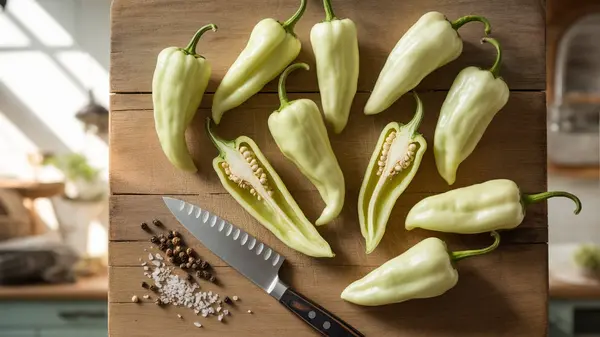
Top edge: Apollo Pepper. Gentler edge: Bhut Jolokia White.
Cultivars in This Tier
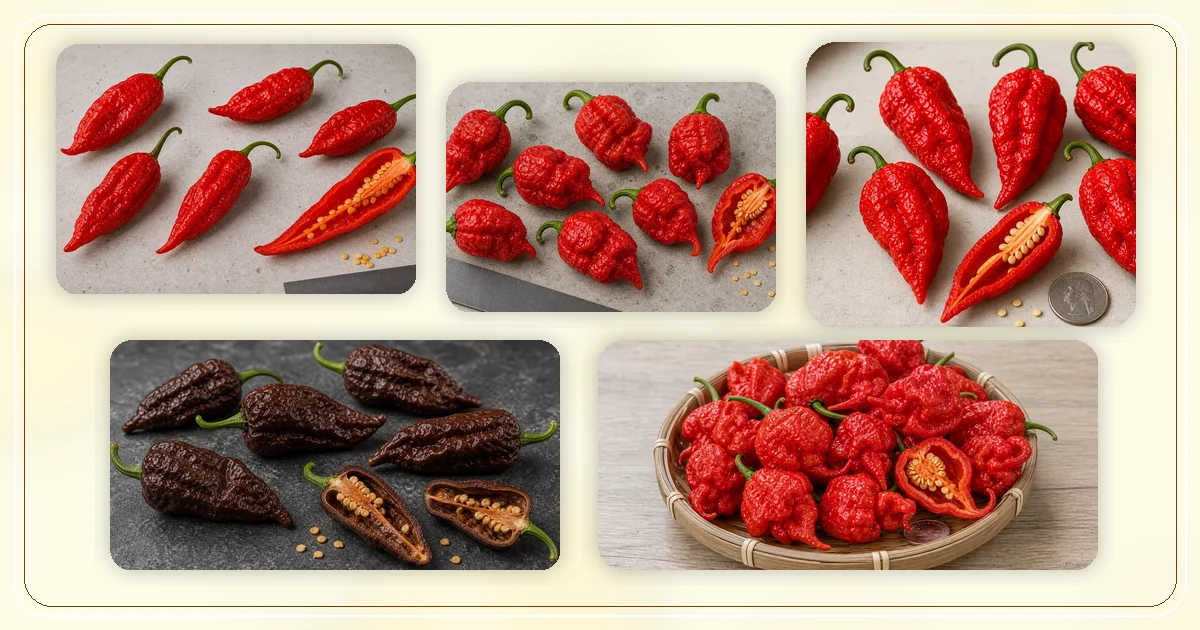
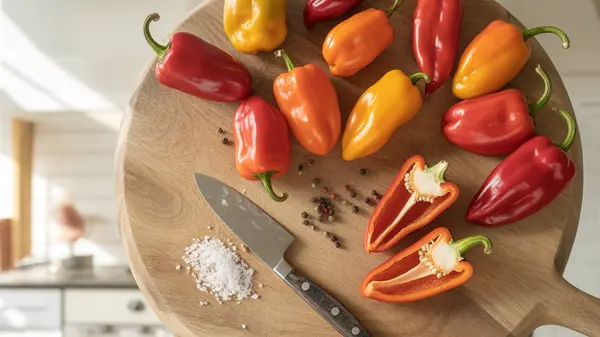
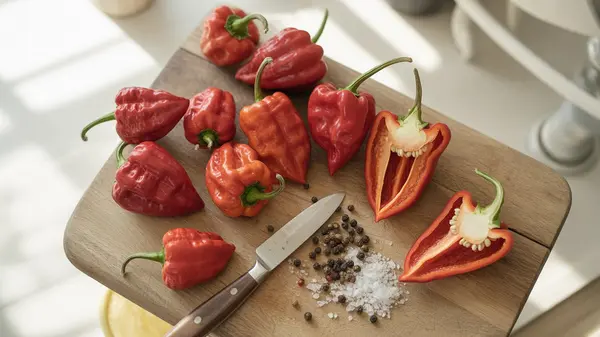
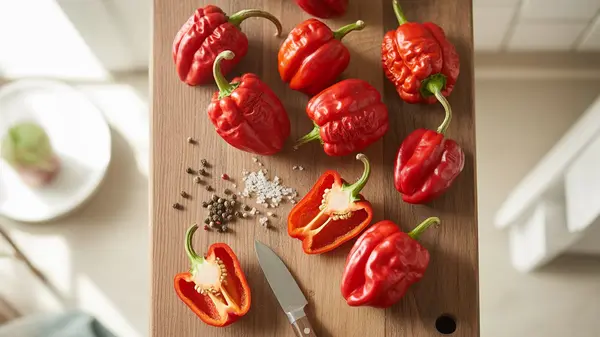
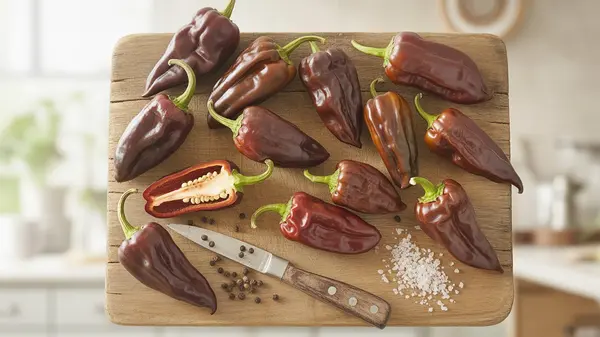
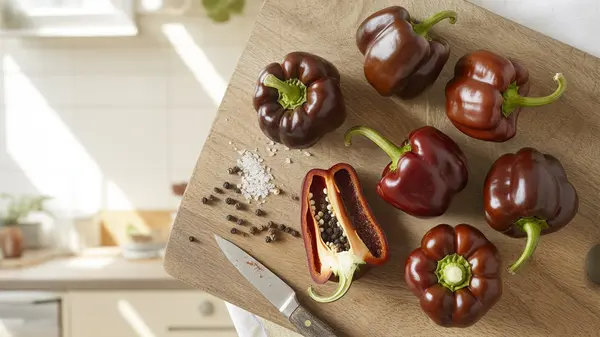
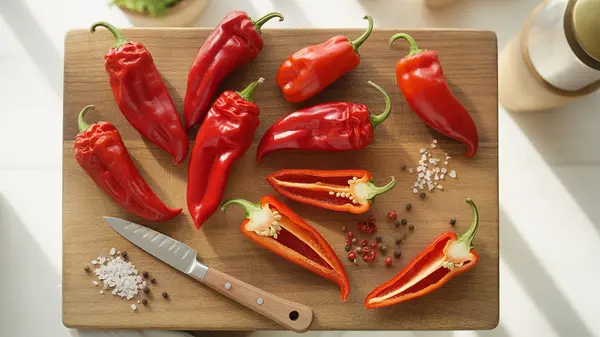
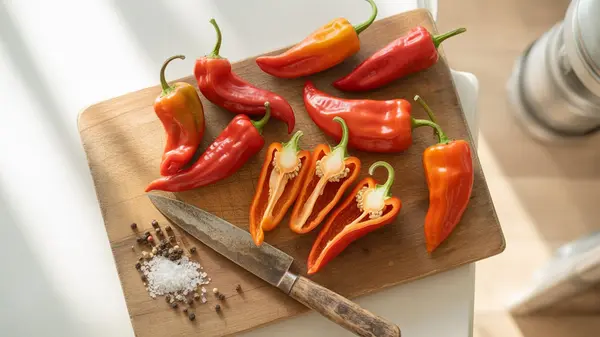
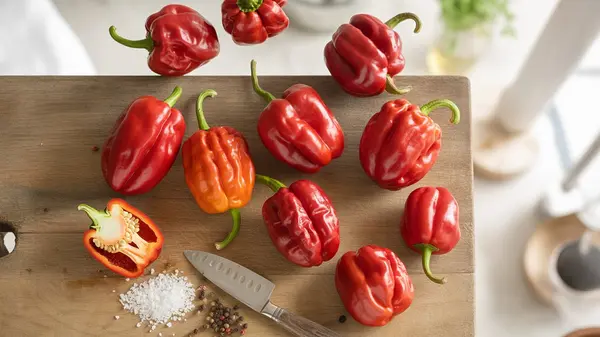
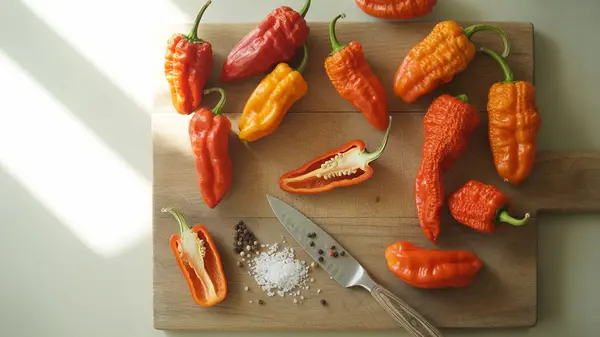
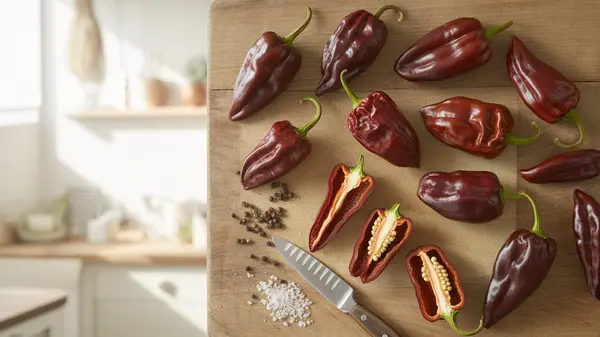
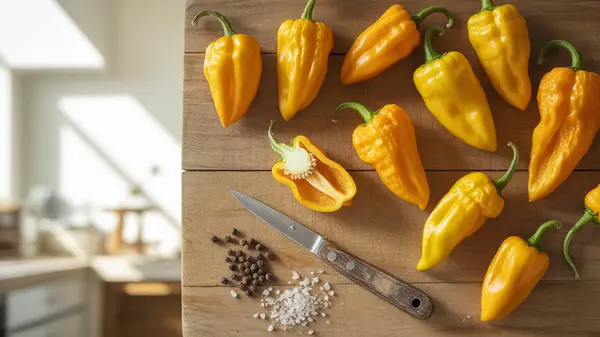
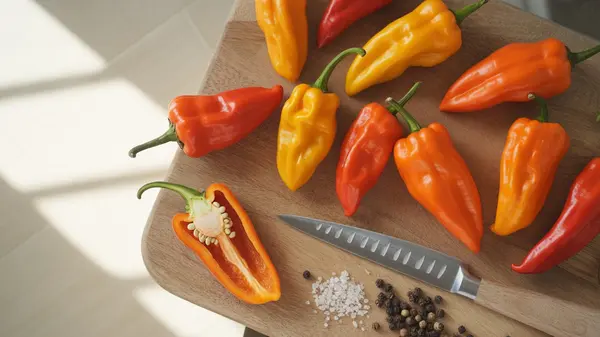
These are the named cultivars and canonical profiles that currently define the super-hot band on Know The Pepper. Open any card when you need the full pepper profile for flavor notes, growing behavior, or a closer substitute.
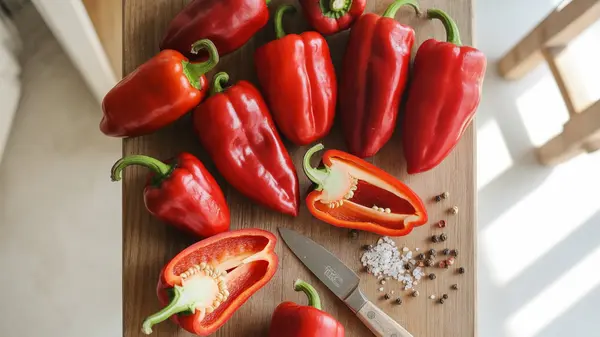
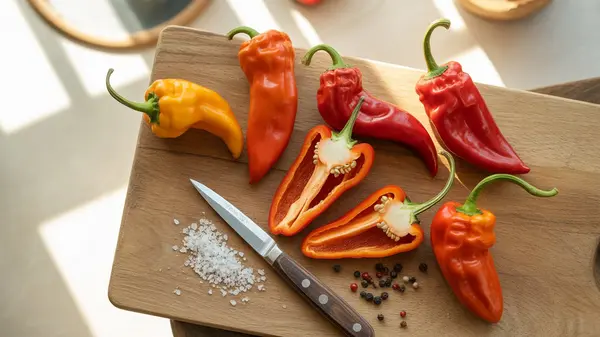
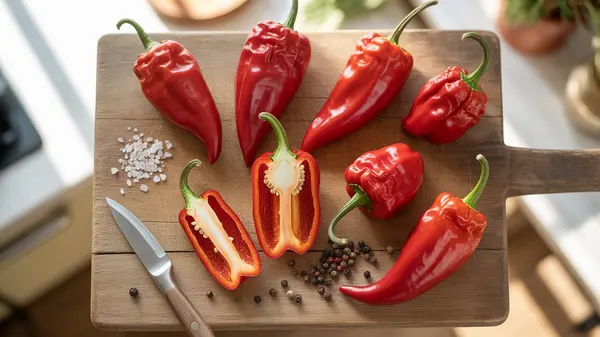
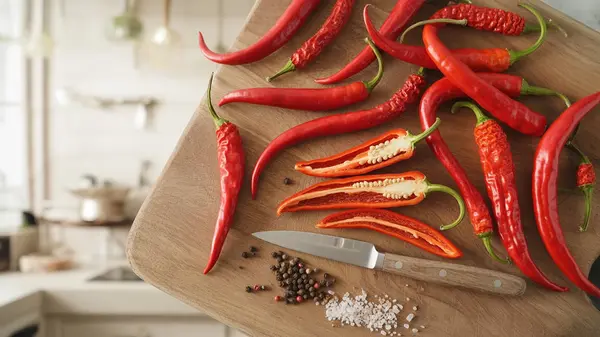
How Super-Hot Peppers Compare
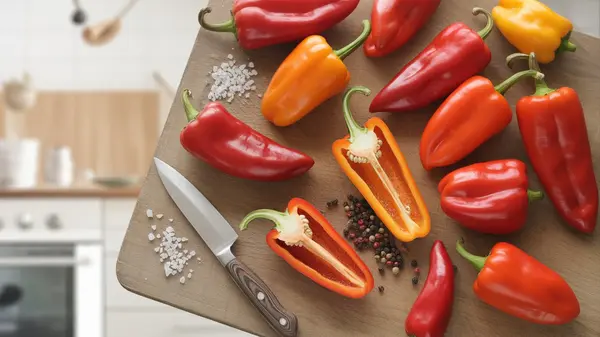
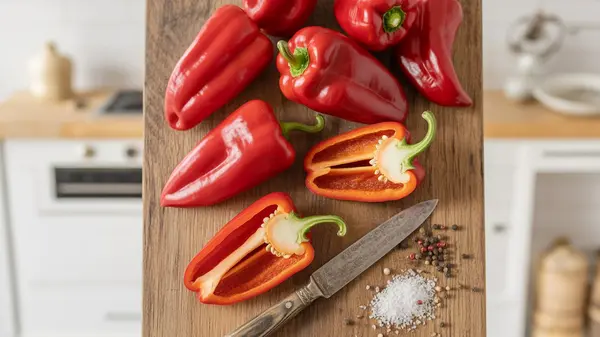
Visual breakdown within the 1M+ SHU range
The Science of Super-Hot Heat
Capsaicin at Super-Hot Level
Capsaicin content above 60,000 ppm. The body responds with endorphin release, sweating, and elevated heart rate.
Capsaicin activates TRPV1 pain receptors.
Species in This Tier
Nearly all super-hots belong to C. chinense, a species native to the Amazon basin. The chinense genome appears uniquely capable of producing extreme capsaicinoid concentrations through its biosynthetic pathway.
Cooking with Super-Hot
Used primarily in hot sauce production and extreme food challenges. A single pod seasons multiple large batches.
Roasted = sweeter, raw = brighter. See fresh vs dried.
Safety & Handling
Disposable gloves are strongly recommended. Keep super-hot pepper juice away from your eyes and face, ventilate when cooking, wash skin and tools with soap and running water, and use clean running water for eye exposure.
For handling irritation, read how to respond to pepper burn.
Breeding & Cultivar History
Modern super-hots are products of selective breeding, not genetic modification. Breeders like Ed Currie (PuckerButt) cross high-capsaicin parents and stabilize offspring over 7-10 generations.
One tier can still contain 27 very different kitchen profiles.
Tier Snapshot
27 profiles, 21 comparisons, 278 guides.
Upper edge: Apollo Pepper. Gentler edge: Bhut Jolokia White.
Super-Hot Pepper Comparisons
Side-by-side breakdowns of heat, flavor, and cooking uses for super-hot-tier peppers.
Apollo vs Carolina Reaper: Claim vs Record
Carolina Reaper vs Pepper X: Dethroned by a Cousin
Dragon's Breath vs Pepper X: Claim vs Record
Dragon's Breath vs Carolina Reaper: Evidence and Heat
Carolina Reaper vs Habanero: A 10x Heat Leap
Carolina Reaper vs Ghost: Twice the Burn
Related Guides
Frequently Asked Questions
Other Heat Levels
The Scoville scale spans from 0 SHU to over 3 million. Each tier serves a different cooking purpose.