

KnowThePepper
7 Pot Yellow: A Citrusy Golden Superhot With Heat That Keeps Climbing
The 7 Pot Yellow is a Trinidadian super-hot clocking between 800,000 and 1,200,000 SHU, fruity and citrusy on the nose, then scorching in a way that builds slow and stays long. It belongs to the super-hot category overall and rewards patient growers with prolific harvests of wrinkled, golden pods.
- Species: C. chinense
- Heat tier: Super-Hot (1M+ SHU)
- Comparison: 100-480x hotter than a jalapeño, depending on where the jalapeño falls in its 2,500-8,000 SHU range
What Is 7 Pot Yellow?
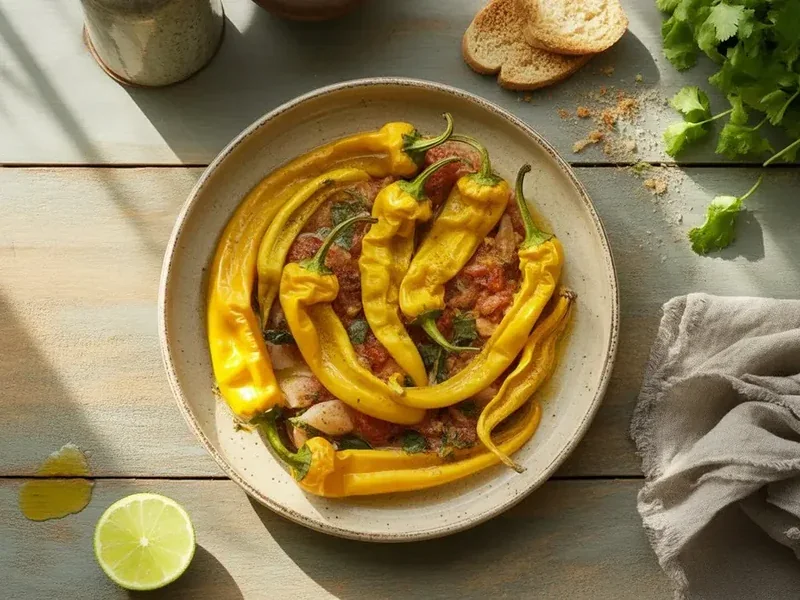
The ripe pod is deep saturated gold, wrinkled, and small enough to sit in a palm. The aroma is the part growers describe first: bright citrus with a tropical edge, closer to fruit than to pepper.
The heat builds rather than arriving at once, which is characteristic of C. chinense and is why a dose that seems survivable at first can keep climbing for a minute or more. That delay is worth knowing before deciding how much to use.
Origin-wise, the 7 Pot Yellow comes from Trinidad, where the broader 7 Pot family earned its name from the claim that a single pod could heat seven pots of stew. Whether that is literal or legend, the heat range of 800,000 to 1,200,000 SHU makes the story plausible.
What separates the Yellow from its red relatives is the flavor dimension. The citrusy, fruity character survives even aggressive cooking, making it genuinely useful in hot sauces, marinades, and fruit-based salsas where you want heat with personality.
The wrinkled, lumpy pods are visually striking, similar in texture to the deeply ridged pods of the 7 Pot Brain Strain but with a distinctly lighter color profile.
What Is the History of 7 Pot Yellow?
Trinidad's pepper culture runs deep, shaped by African, Indian, and Creole cooking traditions that all prize serious heat. The 7 Pot family, named for that legendary pot-heating potency, emerged from this tradition as some of the island's most celebrated super-hots.
The Yellow variant is a color morph within the broader 7 Pot lineage, likely selected over generations by Trinidadian growers who noticed the distinct flavor profile that comes with the yellow phenotype. Unlike some super-hots that were engineered or crossbred for competition records, the 7 Pot Yellow has the character of a landrace, something refined through use and preference rather than laboratory selection.
Trinidad remains the epicenter of Caribbean pepper cultivation, and the 7 Pot Yellow is one of the more distinctive exports from that tradition.
What Does 7 Pot Yellow Taste Like, and How Hot Is It?
The 7 Pot Yellow delivers 800K–1.2M Scoville Heat Units, placing it in the Super-Hot tier (1M+ SHU). That makes it roughly 100-480x hotter than a jalapeño, depending on where the jalapeño falls in its 2,500-8,000 SHU range.
Flavor notes: fruity and citrusy.
How Nutritious Is 7 Pot Yellow?
For normal serving sizes, 7 Pot Yellow is not a practical nutrition source. The pepper may contain vitamin C and carotenoid compounds like other ripe Capsicum chinense peppers, but most cooks use a sliver, a small amount of mash, or part of one pod across a whole sauce batch.
The useful safety point is capsaicin exposure, not vitamins.
Treat the placenta and cut surfaces as the main handling risk. Wear nitrile gloves, avoid touching your face, ventilate when blending or heating sauce, and clean boards and knives before they touch mild ingredients.
For capsaicin chemistry, use the capsaicin chemistry rather than treating this profile as medical advice.
How Do You Cook With 7 Pot Yellow?
The citrus-forward flavor makes the 7 Pot Yellow a natural match for mango, pineapple, and citrus-based preparations. Hot sauce makers prize it precisely because the fruity notes carry through fermentation and cooking in ways that purely fiery peppers cannot match.
For practical use, a single pod goes a long way. Most hot sauce recipes call for 3-5 pods per batch alongside sweeter fruits to balance the heat load.
The yellow color also contributes visually, finished sauces land in a golden-orange range that looks striking on the table.
Roasting mellows the sharpest edges of the heat while concentrating the fruity character. Dried and powdered, the 7 Pot Yellow adds both heat and complexity to dry rubs for pork or chicken.
If you are working through peppers in Mexican cooking, the 7 Pot Yellow sits at the extreme end of what is manageable without full protective equipment.
For those exploring ghost scorpion-level cooking intensity, this pepper occupies similar territory with a brighter flavor signature. Always handle with gloves, the capsaicin load is high enough to cause skin irritation on contact.
Where Can You Buy 7 Pot Yellow, and How Do You Store It?
Fresh 7 Pot Yellow pods are rarely found in grocery stores. Look for specialty pepper growers, farmers markets, or reputable seed and chile retailers during late summer and fall.
Choose firm yellow pods without soft spots.
The wrinkled skin is normal for the variety.
Refrigerate fresh pods in a paper bag for up to two weeks. For longer storage, freeze whole pods on a tray, then bag them once solid.
Dried pods keep best in an airtight container away from light and heat for 6-12 months.
Label powders clearly because 7 Pot Yellow looks bright and friendly but carries super-hot heat.
What Is a Good Substitute for 7 Pot Yellow?
No dedicated substitute guidance is published for 7 Pot Yellow yet.
How Do You Grow 7 Pot Yellow at Home?
Growing the 7 Pot Yellow is a long-season commitment. Start seeds 10-12 weeks before your last frost date, this variety needs the runway.
Germination is reliable at soil temperatures between 80-85°F, so a heat mat is not optional if you want consistent results.
Transplanting is where most growers lose momentum. Check out practical guidance on moving seedlings outdoors before you move plants outside, hardening off over 7-10 days prevents the transplant shock that can set back a C. chinense by weeks.
Space plants 24-30 inches apart.
They get bushy.
Full sun is non-negotiable, minimum 6 hours, 8 preferred. The 7 Pot Yellow performs best in well-draining soil with consistent moisture.
Let it dry slightly between waterings but never to the point of wilting.
Calcium deficiency shows up as blossom end rot, so amend accordingly if your soil is acidic.
For a grow peppers from seed, the principles apply directly here. Days to maturity run 90-120 days from transplant, so patience is part of the deal.
Compared to varieties with similar cultivation demands, the Yellow tends to be a reliable producer once established.
Container growing works if pots are at least 5 gallons, bigger is better for root development.
| Stage | What it takes | What goes wrong without it |
|---|---|---|
| Sowing | 10 to 12 weeks before last frost | The pods set late and never colour up before the season ends |
| Germination | Soil at 80 to 85F, so a heat mat rather than a windowsill | Patchy, slow germination that looks like dead seed |
| Transplant | Only after nights are reliably warm | A check in growth that the plant spends weeks recovering from |
| Ripening | Full gold, not the first blush of colour | Green or pale pods that carry the heat without the citrus |
7 Pot Yellow FAQ


- HRSeeds - 7 Pot Yellow Pepper
- Growing North - Hot Pepper Yellow 7 Pot
- Tyler Farms - Yellow 7 Pot Pepper Seeds
-
Sourcing note: grower and seed-catalogue documentation only No university, government or research body publishes data on this cultivar. The figures on this page come from grower reports and seed-catalogue listings, which are the only documentation that exists for it.
Species classification: C. chinense - based on published botanical taxonomy.