Which Mexican Chiles Work Fresh, Dried, Smoked, or Pickled?
Mexican cooking uses peppers as structure, not just heat. Fresh chiles bring brightness and crunch, dried chiles build body and color, smoked chiles add depth, and pickled chiles cut through rich dishes with acid and salt.
Why Peppers Are the Foundation of Mexican Cuisine
No other ingredient defines Mexican cooking quite like the chile. Not tomatoes, not corn, not even chocolate, though all three matter enormously.
Peppers set the structure: they carry heat, depth, color, and the kind of layered bitterness that makes a mole sauce worth spending a day on.
Mexico is one of the original centers of Capsicum annuum domestication, and the diversity that developed there over thousands of years is staggering. Fresh, dried, smoked, pickled, ground, the same chile can take on completely different roles depending on how it's prepared.
This guide covers 15 essential chiles across the full heat spectrum, with regional context and the techniques that make them work.
How Do Fresh and Dried Mexican Chiles Differ?
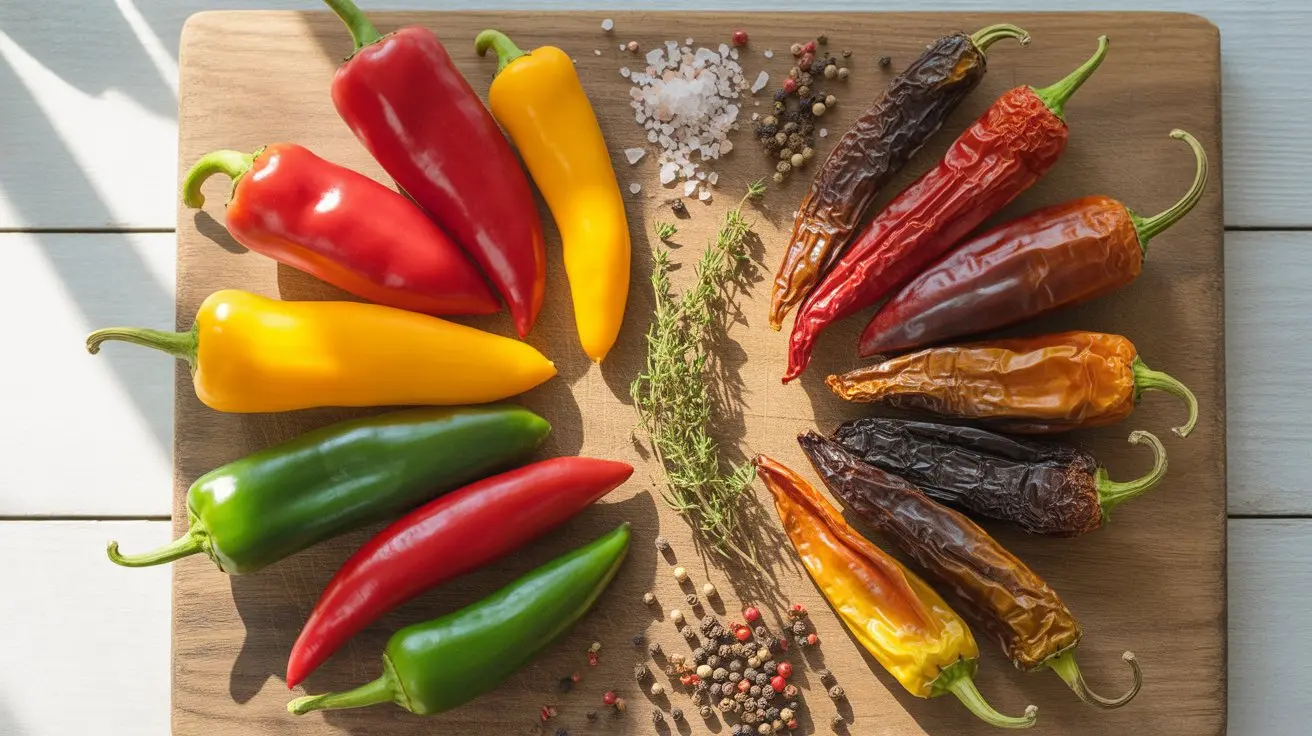
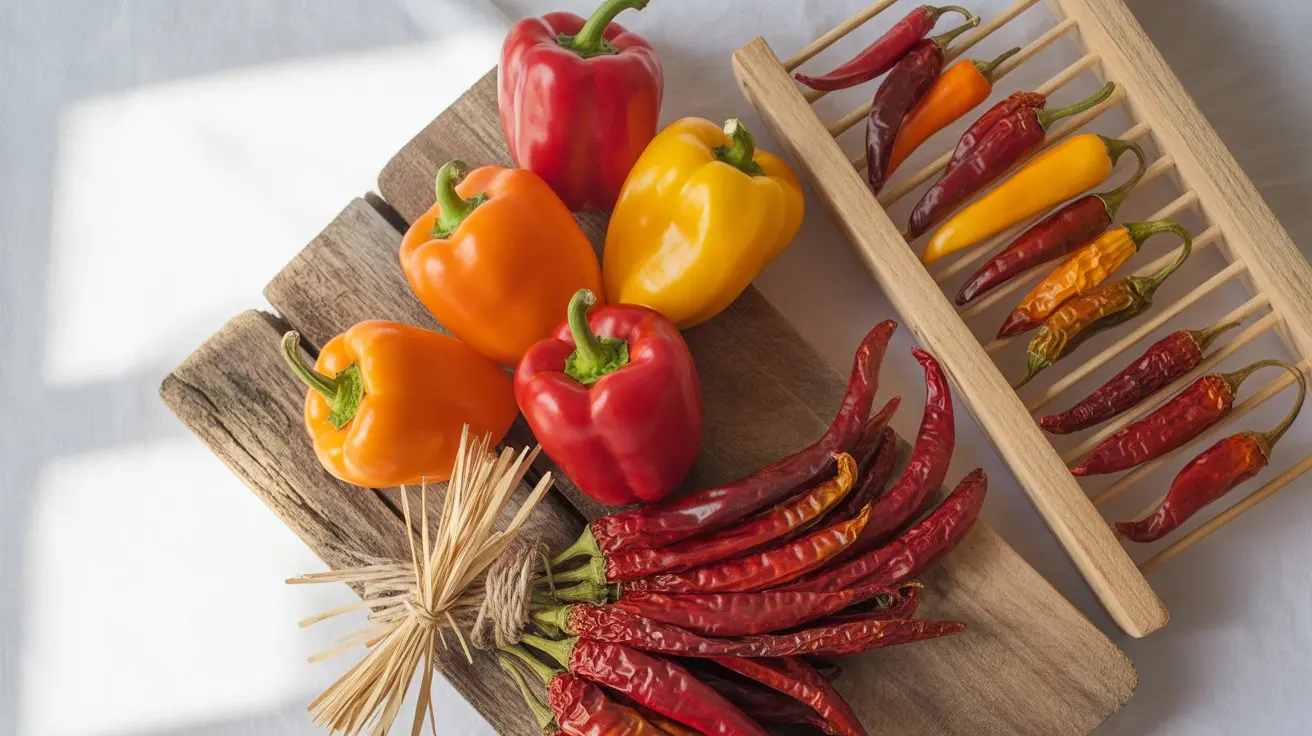
Mexican cooking treats fresh and dried chiles as fundamentally different ingredients, not interchangeable forms of the same thing. A fresh poblano and a dried ancho share DNA but almost nothing else, the drying process concentrates sugars, deepens color, and creates entirely new flavor compounds.
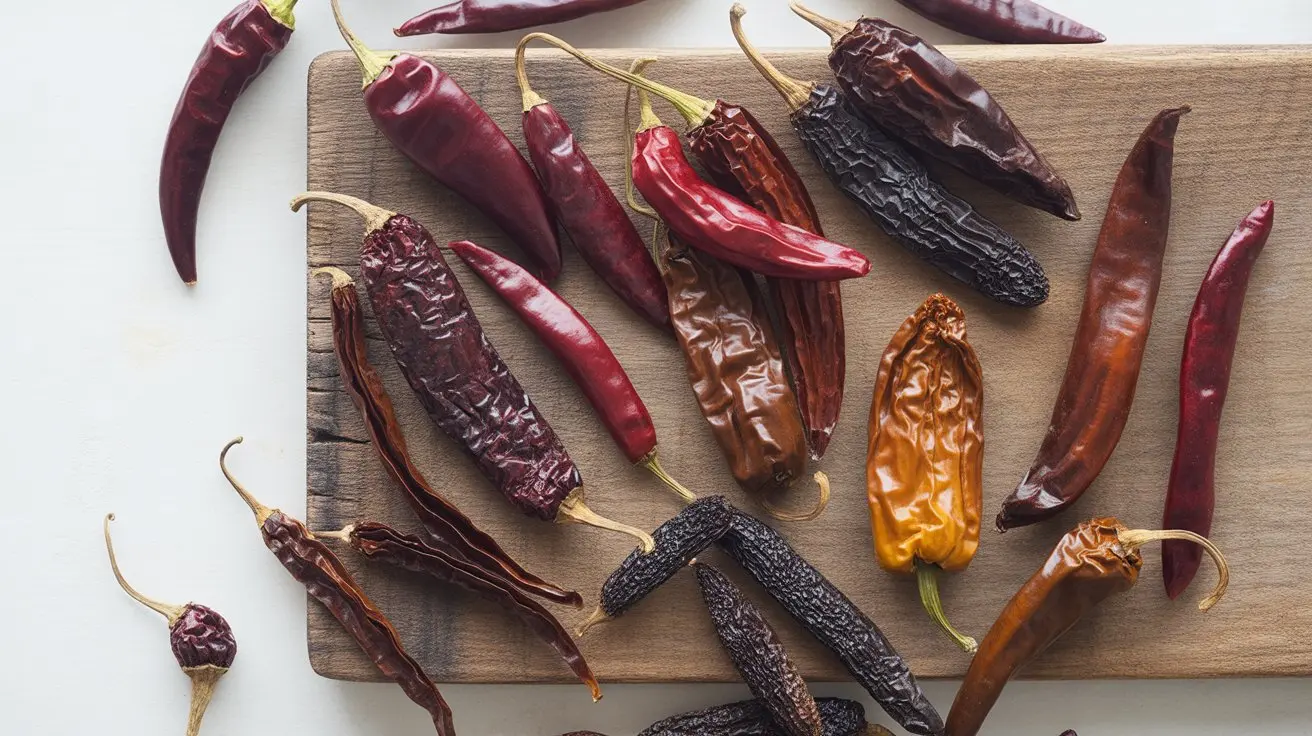
Dried chiles are typically toasted before use, which wakes up volatile oils and adds smokiness. They're then rehydrated in hot water or blended directly into sauces.
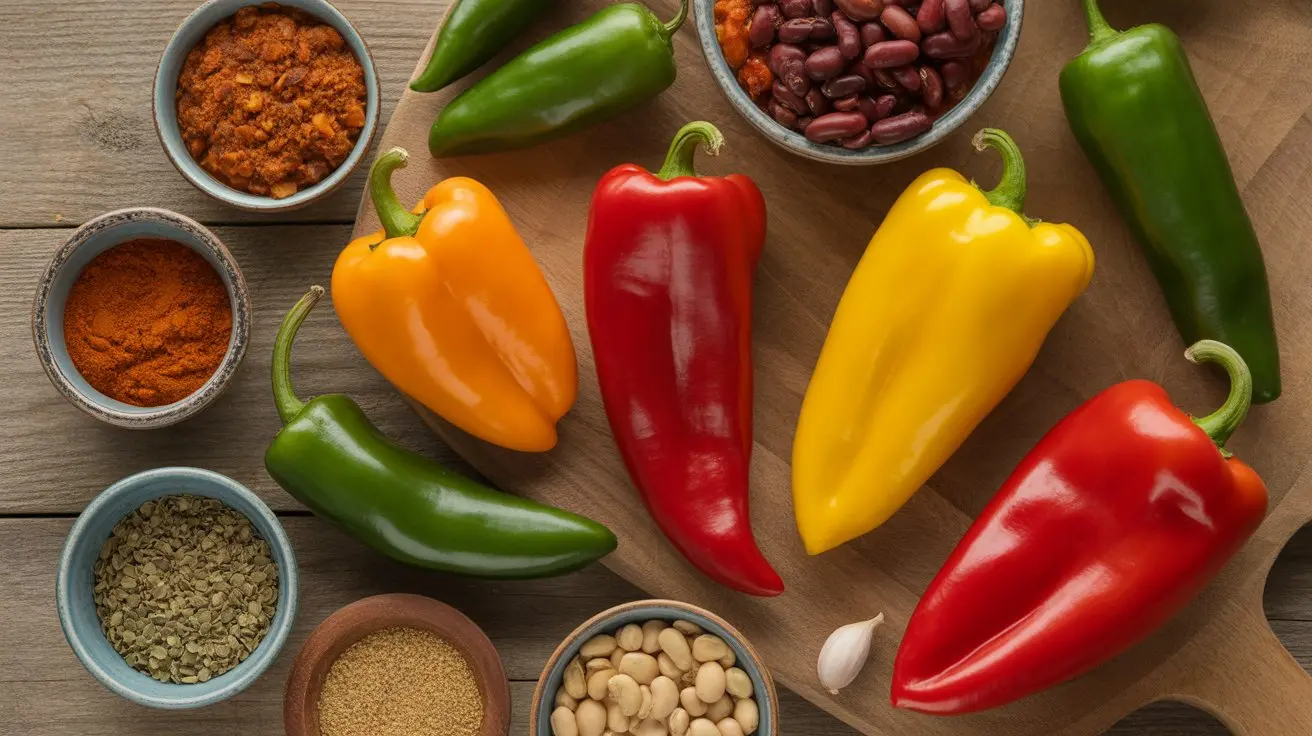
Fresh chiles go raw into salsas, get charred over open flame, or are stuffed whole.
Getting this distinction right is the first step toward cooking Mexican food that actually tastes Mexican. If a recipe calls for dried guajillo and you substitute fresh red pepper, the dish will be unrecognizable.
Mild Chiles: Building Flavor Without Fire
The mildest Mexican chiles, those sitting in the low-heat SHU bracket, do most of their work through flavor, not capsaicin. The poblano tops this list, running 1,000-2,000 SHU with a rich, almost earthy taste that makes it the default choice for chiles rellenos and rajas.
Poblanos are grown throughout Puebla and the surrounding highlands. Roasted and peeled, they develop a smoky sweetness that fresh bell peppers can't approach.
When dried, they become anchos, one of the most important dried chiles in Mexican cooking.
The Anaheim (500-2,500 SHU) serves a similar mild role in northern Mexican and Tex-Mex cooking. It's thicker-walled than a poblano, making it good for stuffing, and its flavor is more straightforward, green, grassy, slightly sweet.
Ancho and mulato (the darker, chocolate-toned cousin of ancho) anchor the dried mild category. Both are essential in complex mole sauces, where their dried fruit notes and mild heat provide backbone without overwhelming the other 20-plus ingredients.
Medium Heat: The Workhorse Chiles
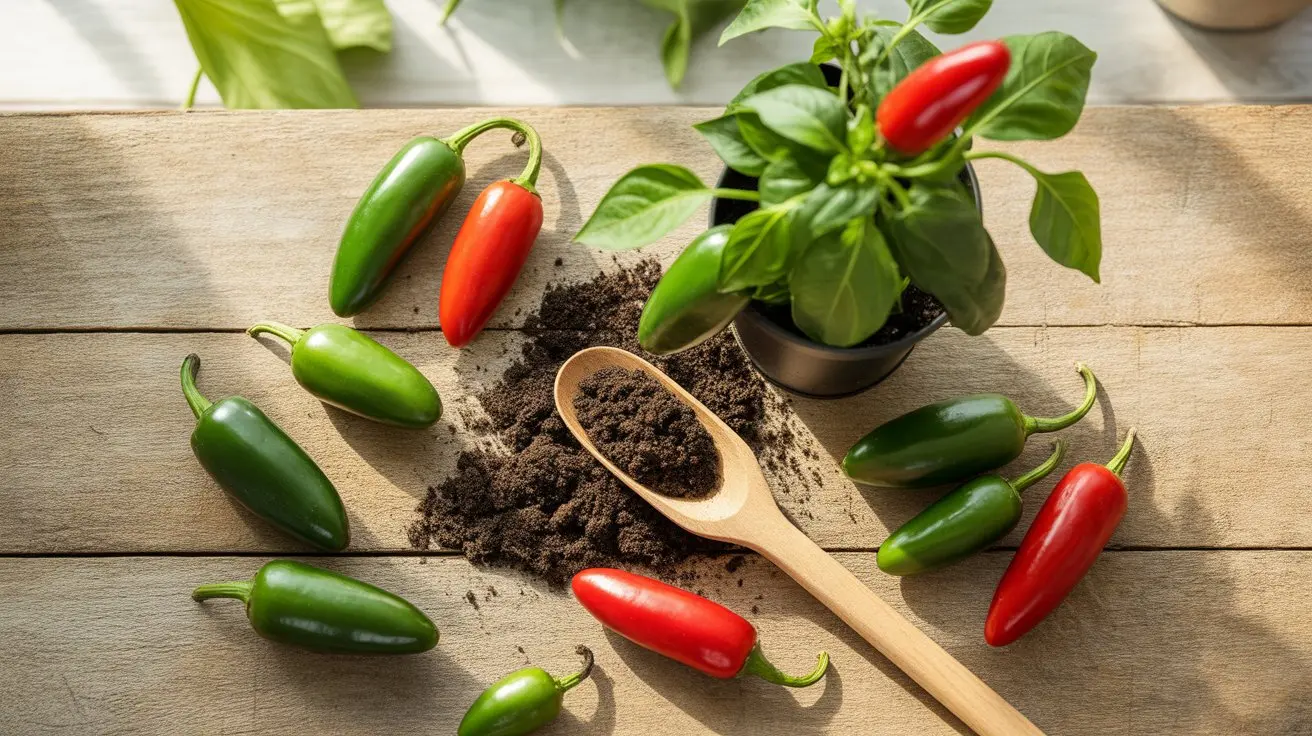
The mid-range SHU tier is where most everyday Mexican cooking lives. Jalapeños (2,500-8,000 SHU) are the most recognizable, but in Mexico they're often used quite differently than in American Tex-Mex, pickled en escabeche, charred into salsa negra, or smoked into chipotles.
The serrano (10,000-25,000 SHU) is arguably more central to authentic Mexican home cooking than the jalapeño. Smaller, thinner-walled, and sharper in flavor, serranos go raw into pico de gallo and tomatillo salsa.
Their brightness holds up better than jalapeños in uncooked applications.
Guajillo is the dried workhorse of this tier, a long, brick-red chile with a tart, berry-like flavor and moderate heat around 2,500-5,000 SHU. It's in pozole, enchilada sauces, adobo marinades, and birria.
If you only learn one dried chile, make it the guajillo.
The pasilla (chile negro when fresh) brings dark, raisin-like depth to this range. It's a key component in mole negro and pairs naturally with chocolate and dried fruit.
Confusion is common, in California, the pasilla name is often misapplied to the poblano, but in Mexico they're distinct.
Hot Chiles: Regional Heat with Purpose
Mexican cooking isn't shy about heat, but the higher-heat SHU range is used with intention rather than bravado. The chile de árbol (15,000-30,000 SHU) is the go-to for table salsas throughout central Mexico, thin-walled, bright red when dried, and carrying a clean, sharp burn that hits fast and fades relatively quickly.
Chiles de árbol are often fried briefly in oil before blending into salsa, which softens their edge slightly and adds a toasty note. They're also used whole in soups and stews, where they infuse heat gradually over a long cook.
The cascabel (1,000-3,000 SHU, though some sources put it higher) gets its name from the rattle of its seeds inside the dried pod. Nutty and slightly smoky, it's used in salsas and moles in Durango and parts of Jalisco.
It's underused outside Mexico, which is a shame.
For Southeast Mexican cooking, particularly in the Yucatán, the habanero dominates the hot end of the spectrum. At 100,000-350,000 SHU, it's genuinely intense, but Yucatecan cuisine uses it with restraint, typically as a fresh condiment or in xnipek salsa, not cooked into every dish.
What Is a Chipotle Pepper?
The chipotle deserves its own section because it represents something distinct: a fresh chile (the jalapeño) transformed through smoke-drying into something completely different. Chipotle peppers come in two main forms, chipotle meco (tan, drier, more intensely smoky) and chipotle morita (smaller, dark red-purple, more fruity).
The smoking process originated in pre-Columbian Mexico, likely as a preservation method for thick-walled jalapeños that didn't dry well on their own. Today it's still done traditionally in parts of Chihuahua and Veracruz using pecan or mesquite wood.
Chipotles in adobo sauce, the canned version found in most grocery stores, are morita-style chipotles packed in tomato, vinegar, and spices. They're convenient and useful, but the flavor is softer than a traditionally smoked dried chipotle.
For authentic applications like tamales or slow-braised meats, the dried version is worth seeking out.
Which Chiles Go Into Mole?
Mole is the most sophisticated expression of Mexican pepper cookery. Mole negro from Oaxaca can contain eight or more different dried chiles, ancho, mulato, pasilla, chihuacle negro, and others, each contributing different flavor frequencies that layer into something no single chile could produce.
The technique matters as much as the ingredients. Dried chiles are toasted on a dry comal until fragrant (but not burned, burned chiles turn bitter), then soaked and blended with charred onion, garlic, spices, chocolate, and often stale tortillas or bread for body.
Mole rojo, mole coloradito, mole verde, pipián, each regional variant has its own chile logic. Mole verde uses fresh peppers and pumpkin seeds rather than dried chiles.
Pipián relies on toasted seeds as the primary thickener. The deep regional pepper traditions of Mexico are most visible in how moles vary from state to state.
Salsas and the Raw Chile Technique
Not all Mexican pepper technique involves heat. Raw salsas, salsa cruda, pico de gallo, depend on fresh chiles for brightness and texture.
Serranos and jalapeños are the standard choices, though regional variations exist throughout the country.
Tomatillo-based salsa verde often uses serranos raw or lightly charred, blended with the husked tomatillos. The serrano's sharpness balances the tomatillo's tartness in a way that milder chiles don't manage as effectively.
For salsa roja, chiles are typically charred directly on a comal or under a broiler, skins blackened, flesh softened, then blended without peeling. The charred skin adds smokiness and a slight bitterness that's essential to the flavor.
This technique differs from roasting for stuffed peppers, where you peel the skin off after charring.
Regional Pepper Profiles Across Mexico
Mexico's pepper geography is as varied as its terrain. Oaxaca is famous for its seven moles and uses a wider variety of dried chiles than almost anywhere else.
The chihuacle (negro, rojo, and amarillo) is nearly exclusive to Oaxacan cooking and rarely appears in other regional cuisines.
The Yucatán Peninsula has its own distinct pepper culture, anchored by the habanero. Yucatecan cooking is less reliant on dried chiles and more focused on fresh preparations and citrus-based marinades.
The xcatic chile, pale yellow, mildly hot, appears in cochinita pibil and other regional dishes and is almost unknown outside the peninsula.
Northern Mexico and Baja favor larger, milder chiles, Anaheims, New Mexico varieties, and show more Spanish colonial influence in their cooking. The south and southeast lean toward complex dried chile preparations and indigenous techniques.
Understanding which region a dish comes from is the key to using the right chile.
Beyond the Classics: Exploring Related Peppers
Mexican cooking is the dominant frame for chile culture in North America, but it connects to a broader global story. The ornamental-to-edible purple jalapeño variant shares the same Capsicum annuum species as its green counterpart but offers a milder profile suited to fresh preparations where you want visual contrast without overwhelming heat.
For cooks interested in how other cultures deploy similar heat levels, the fruity, medium-hot Black Hungarian shows how European pepper breeding took the same species in a completely different flavor direction, sweet paprika notes alongside moderate capsaicin.
Southeast Asian cooking offers useful comparisons too. The fiercely hot cabe rawit occupies a similar functional role to chile de árbol in Indonesian cooking, a small, thin-walled dried or fresh chile used to spike heat in condiments and cooked dishes, though its flavor profile is sharper and more abrasive.
Exploring how different cultures solve the same cooking problem (heat + flavor balance) sharpens your understanding of why Mexican chiles work the way they do. The intensely hot yatsufusa, a Japanese chile in the de árbol family, shows how closely related varieties can diverge through regional selection.
Macedonian pepper traditions offer another counterpoint. The complex, mildly hot Rezha Macedonian demonstrates how European peppers developed thick walls and sweet-smoky flavor, useful for understanding why Mexican cooks prize thin-walled dried chiles for their concentration of flavor compounds.
South American varieties like the fruity, medium-heat aji omnicolor from the Capsicum baccatum species show what Mexican cooking might have looked like had different wild ancestors been domesticated, similar heat ranges, completely different flavor chemistry.
How Do You Toast, Char, and Rehydrate Mexican Chiles?
Three techniques separate authentic Mexican pepper cookery from everything else: toasting, charring, and rehydrating. Each extracts different flavor compounds from the chile.
Toasting dried chiles on a dry comal at medium heat, 15-30 seconds per side, activates Maillard reactions that create nutty, complex flavors. Press the chile flat with a spatula.
When it puffs slightly and smells toasty (not burned), it's done.
Charring fresh chiles over open flame or under a broiler caramelizes sugars and creates smoky depth. For stuffed peppers, char all sides evenly, then steam in a plastic bag for 10 minutes before peeling.
For salsas, leave some char on, it's part of the flavor.
Rehydrating dried chiles in hot (not boiling) water for 20-30 minutes softens them for blending. Save the soaking liquid, it carries flavor and can be used to thin sauces.
Don't soak longer than needed or the chiles turn waterlogged and lose potency.
Heat Management and Practical Substitutions
Knowing the scoville scale helps when you need to make substitutions. The key is matching not just heat level but flavor profile, a guajillo and a pasilla are both in the mild-medium range, but they taste nothing alike.
For ancho, the best substitute is mulato (darker, earthier) or a combination of pasilla and a small amount of dried chipotle. For guajillo, New Mexico dried chiles are the closest in flavor and heat.
For serrano, jalapeños work but need more volume, a serrano is roughly 2-3 times hotter, so use proportionally more jalapeño.
The extra-hot SHU tier doesn't appear much in traditional Mexican cooking, but modern chefs increasingly incorporate habanero-range heat into contemporary Mexican cuisine. When working at that level, fat (lard, avocado, cheese) is the most effective heat moderator, it binds capsaicin molecules and slows their uptake at pain receptors.
How Do You Buy and Store Dried Mexican Chiles?
Fresh chiles are straightforward, farmers markets and Latin grocery stores carry poblanos, serranos, and jalapeños reliably. Dried chiles are where sourcing matters more.
Whole dried chiles should be pliable, not brittle, brittleness means they're old and have lost volatile oils.
Store dried chiles in an airtight container away from light. They keep well for 6-12 months but are best used within 3 months of purchase for maximum flavor.
Grinding your own chile powder from toasted, rehydrated, and dried chiles produces results that commercial powder can't match.
For less common varieties like chihuacle negro or cascabel, Mexican specialty importers and online suppliers are your best option. The investment in sourcing authentic dried chiles pays off immediately in the depth of flavor they produce.
Which Mexican Chiles Work Fresh, Dried, Smoked, or Pickled? FAQ
- Chile Pepper Institute - New Mexico State University
- Bayless, R. - Authentic Mexican: Regional Cooking from the Heart of Mexico
- Capsicum - USDA GRIN Taxonomy
- Kennedy, D. - The Art of Mexican Cooking
- Presilla, M.E. - Gran Cocina Latina