
Medium Peppers (1K–10K SHU): Noticeable Heat for Everyday Cooking
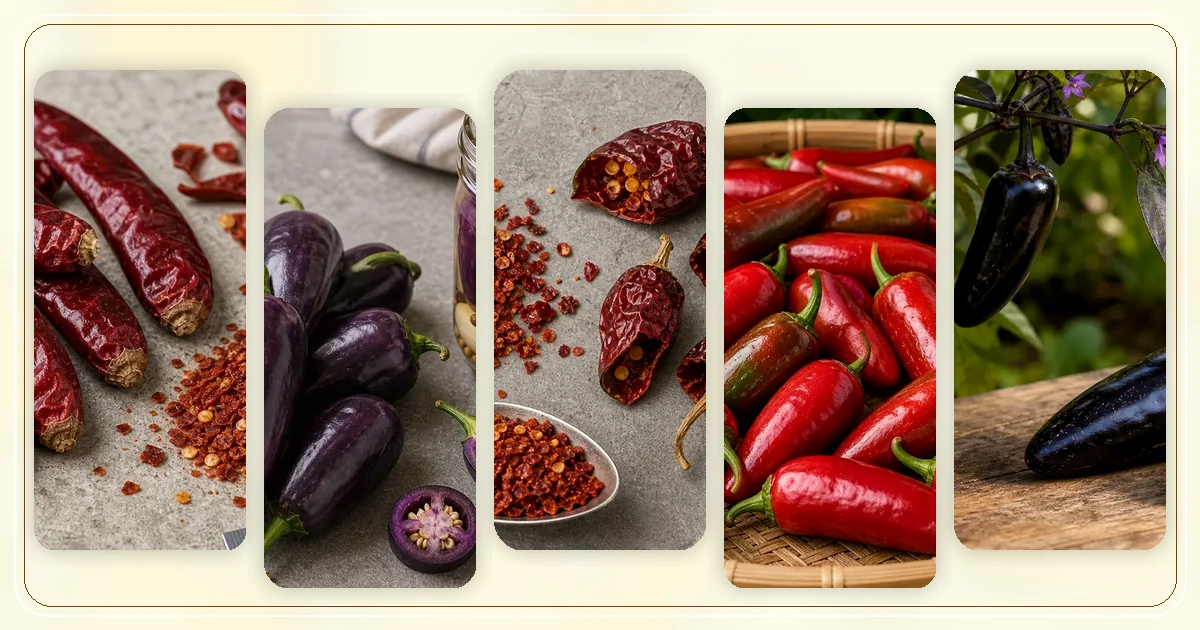
Medium peppers range from 1,000-10,000 SHU. Jalapenos, poblanos, and similar varieties bring approachable heat with enough flavor to matter.
Quick Facts: Medium Peppers
Choosing Within Medium
Use this tier to narrow 52 peppers by heat range, kitchen role, format, and substitution fit.
Choose by Kitchen Job
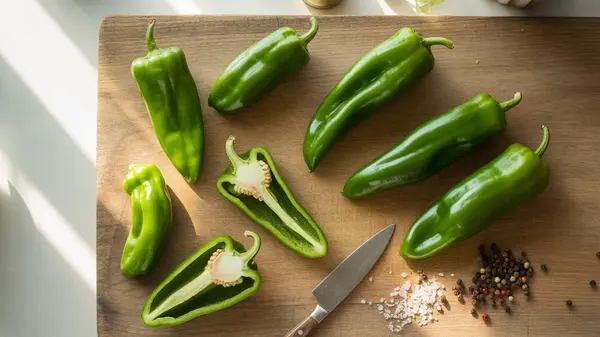
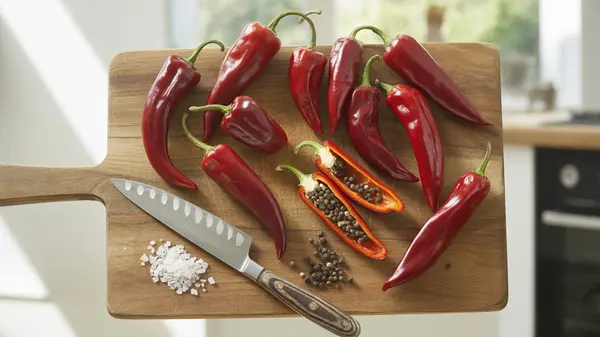
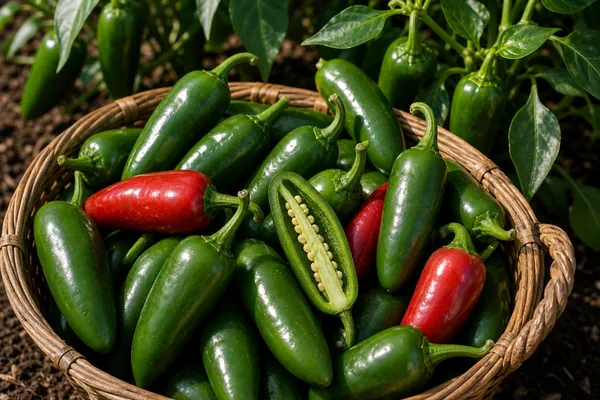
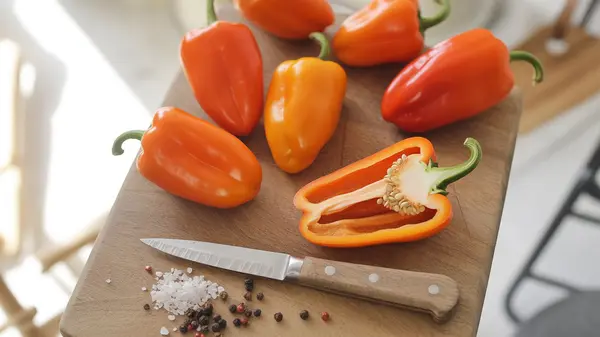
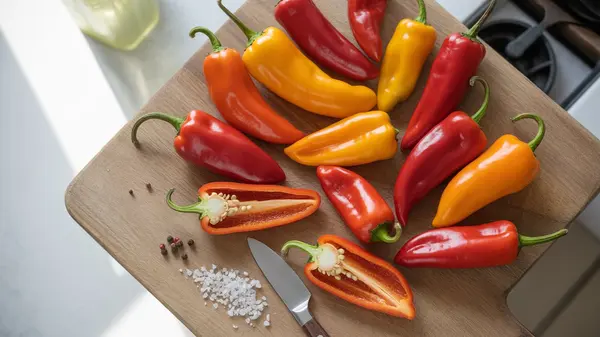
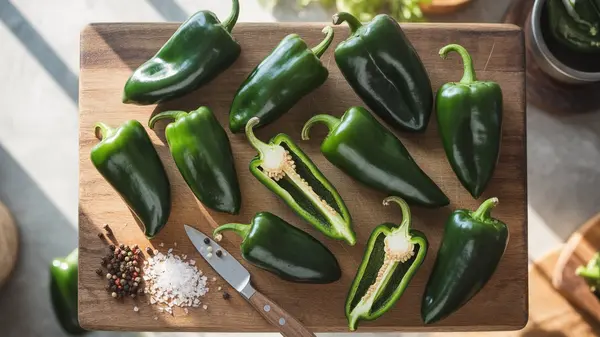
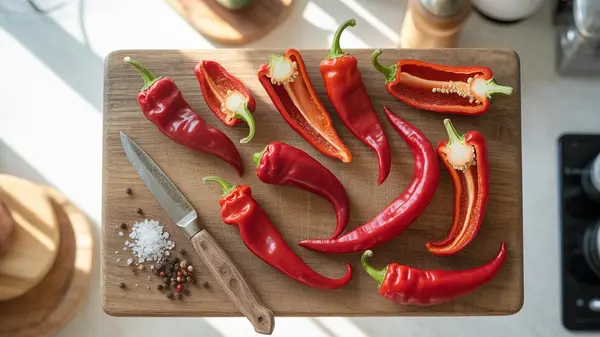
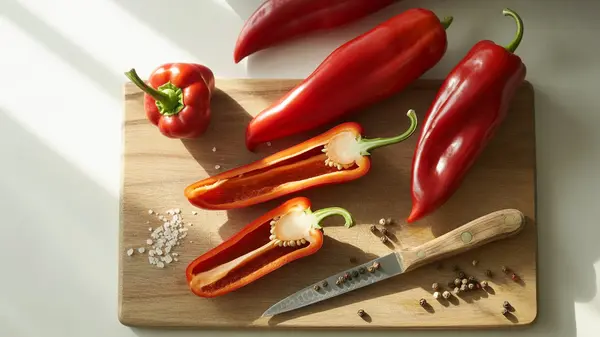
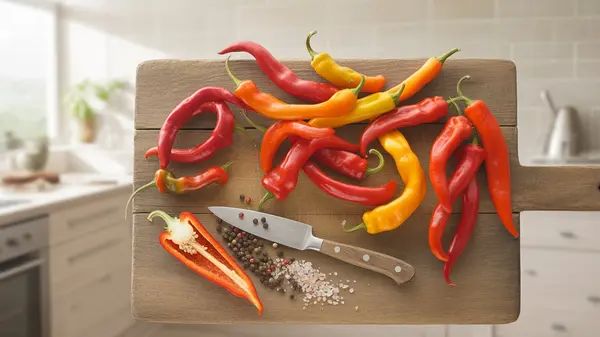
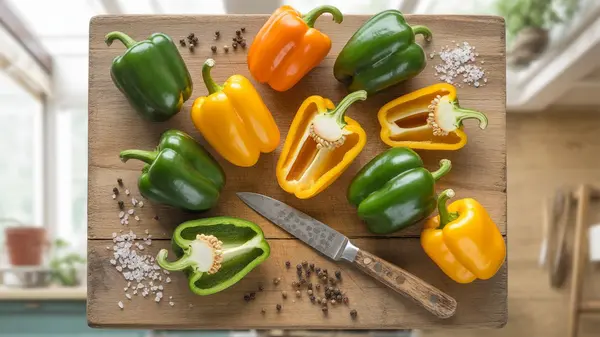
Medium peppers are where texture, thickness, and sweetness start to matter as much as raw heat. Jalapenos work when you want crunch and a clean green note, poblanos when you want broader walls and deeper roasted flavor, and wax or frying peppers when you need something that can be stuffed, sauteed, or pickled without taking over the dish.
Substitute Across Nearby Tiers
Medium-tier substitutions are forgiving if you keep the cooking job in view. When a recipe needs the body of a poblano, a jalapeno is too small unless you scale the count.
For a faster decision, use the substitutes hub or pepper comparisons.
What the Database Shows
52 peppers, 76 comparisons, and 278 related guides feed this tier.
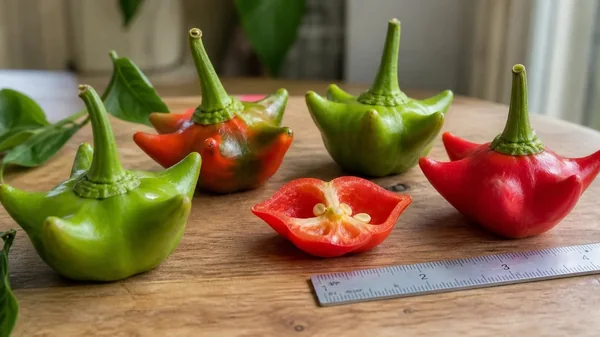
Top edge: NuMex Heritage Big Jim. Gentler edge: Mad Hatter Pepper.
Cultivars in This Tier
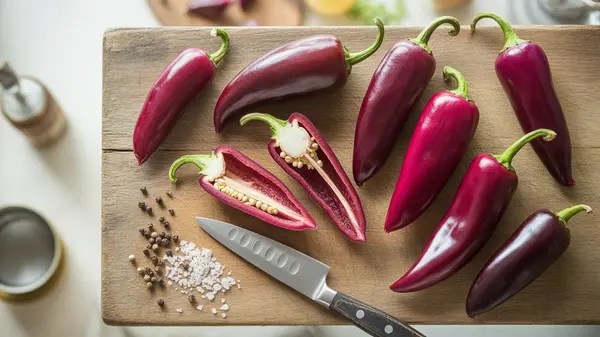
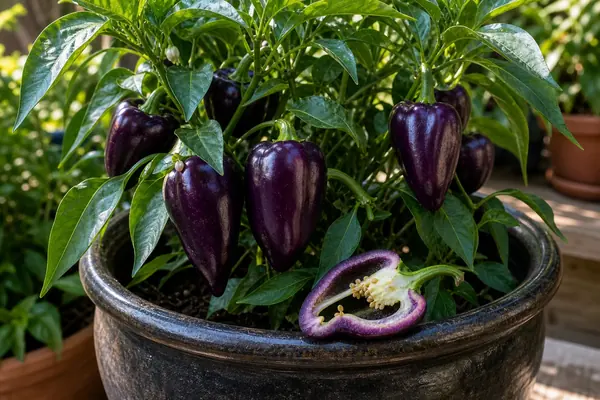
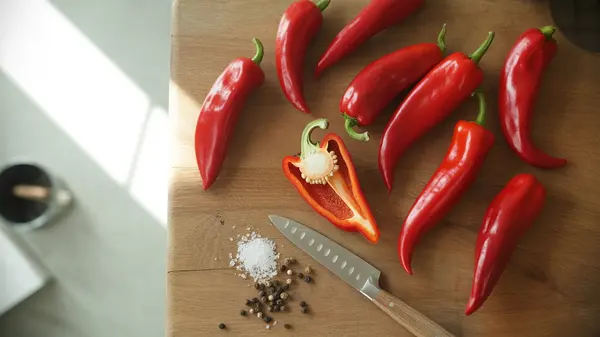
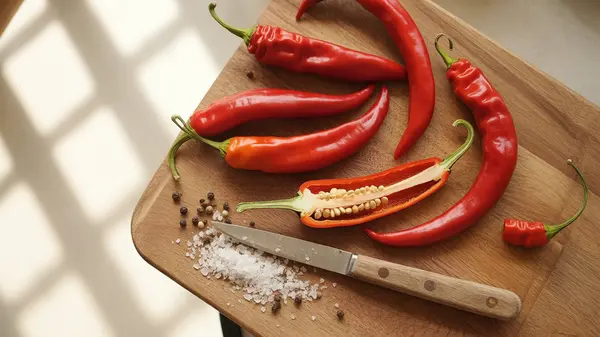
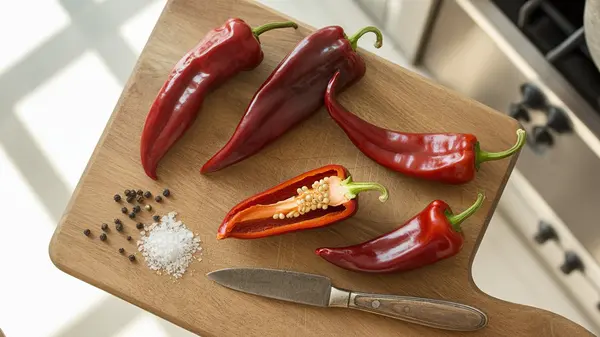
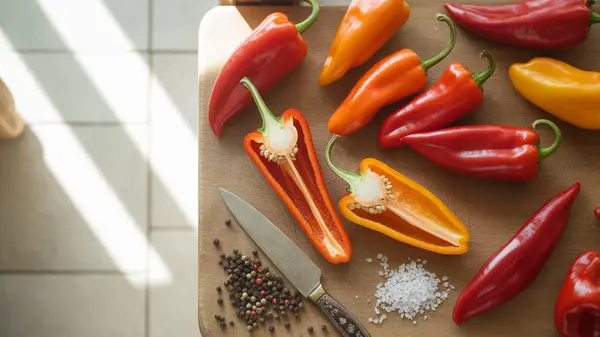
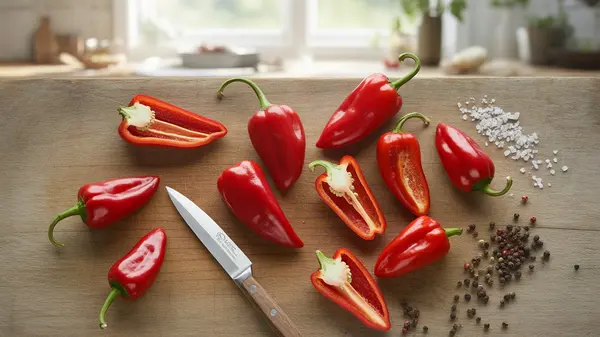
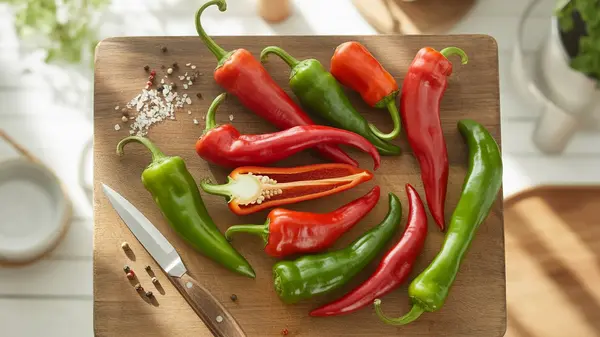
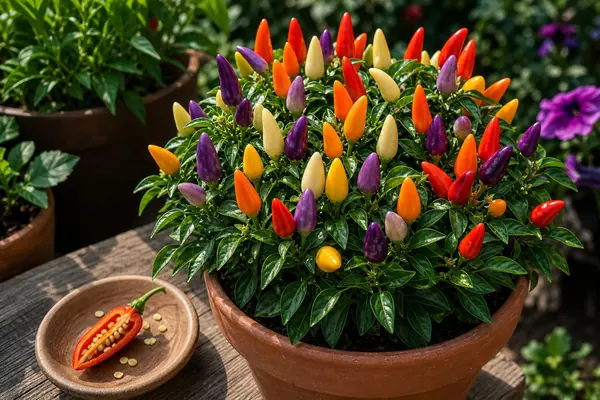
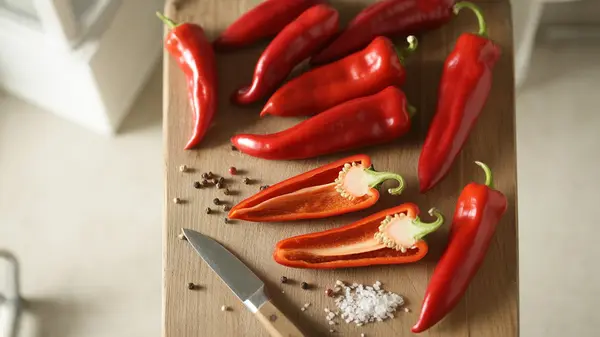
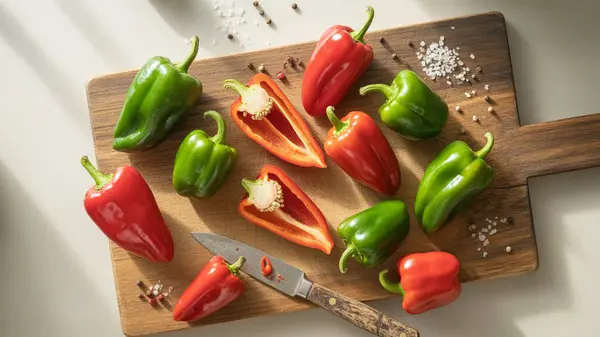
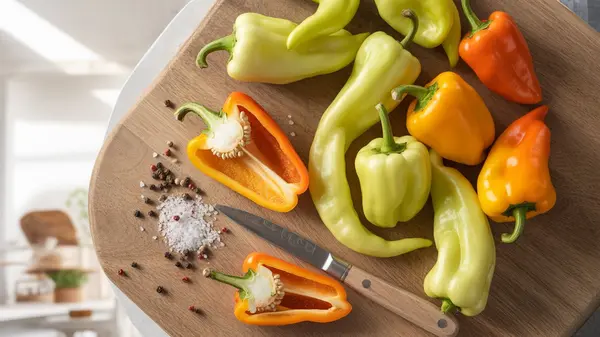
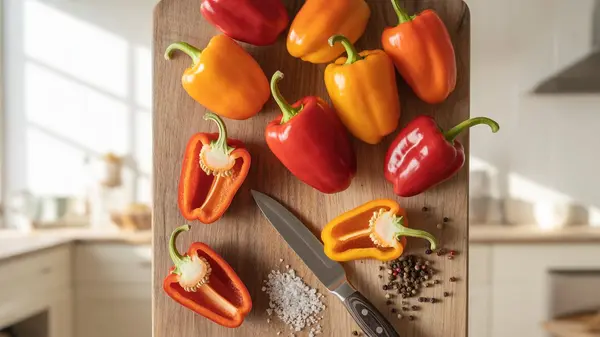
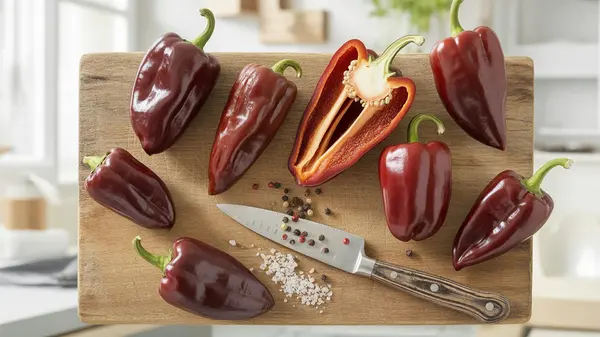
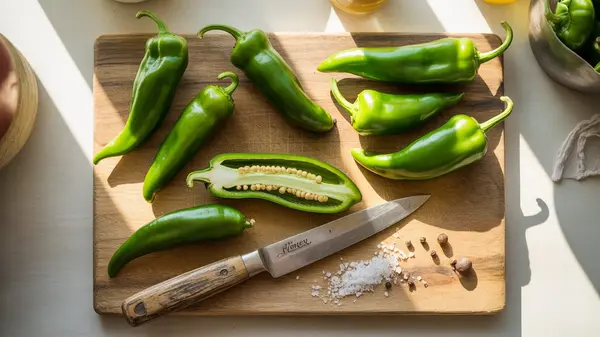
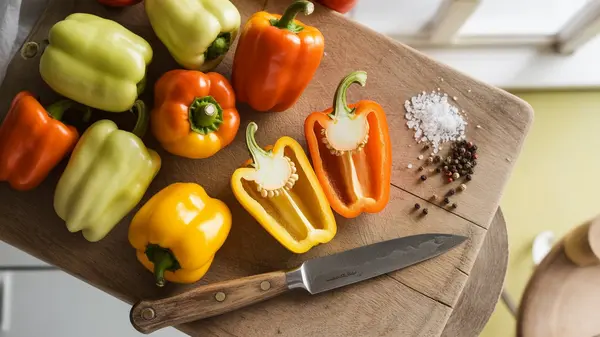
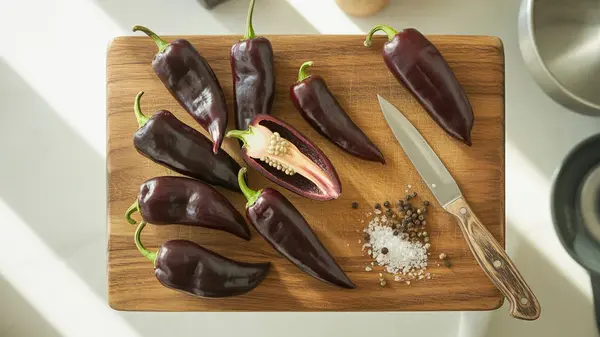
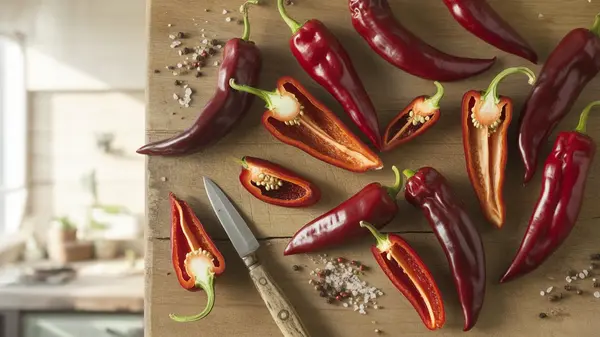
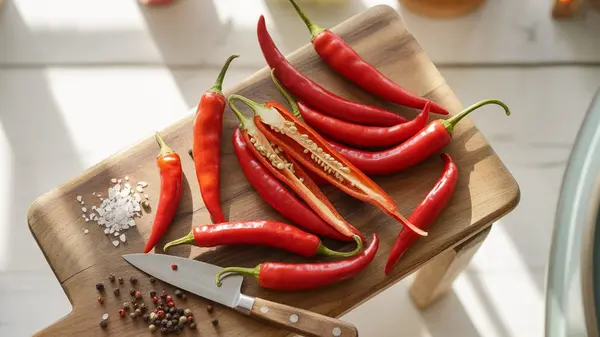
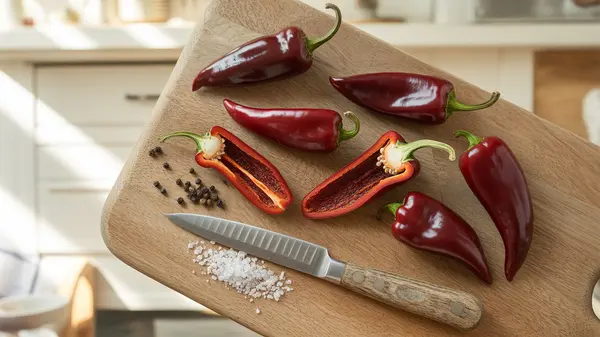
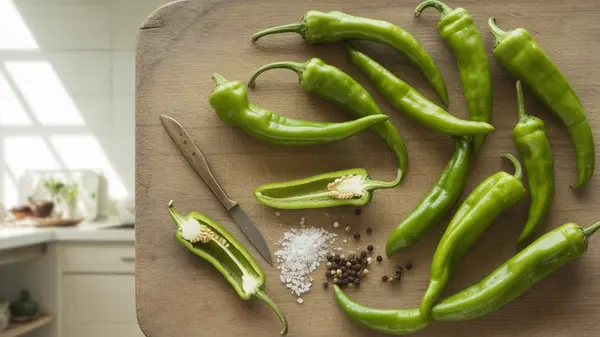
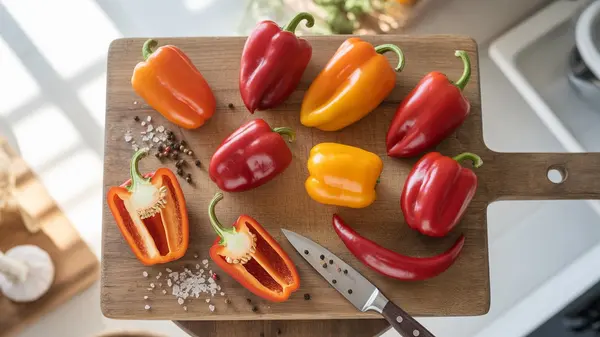
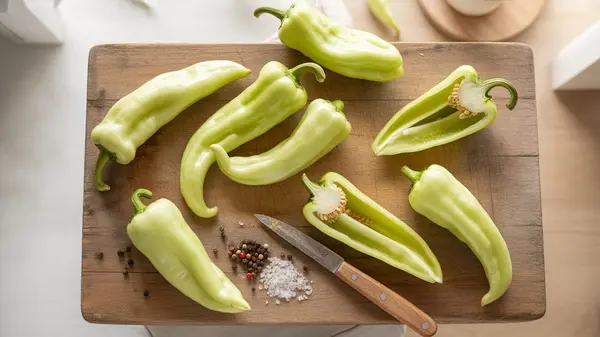
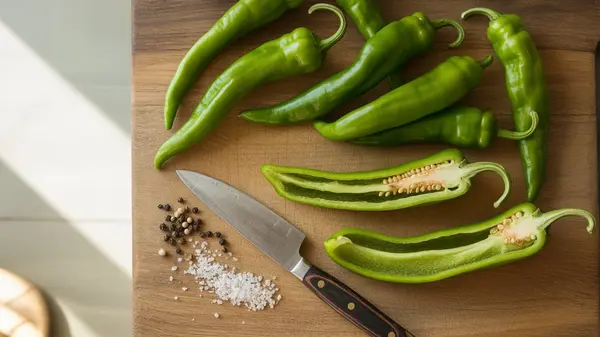
These are the named cultivars and canonical profiles that currently define the medium band on Know The Pepper. Open any card when you need the full pepper profile for flavor notes, growing behavior, or a closer substitute.
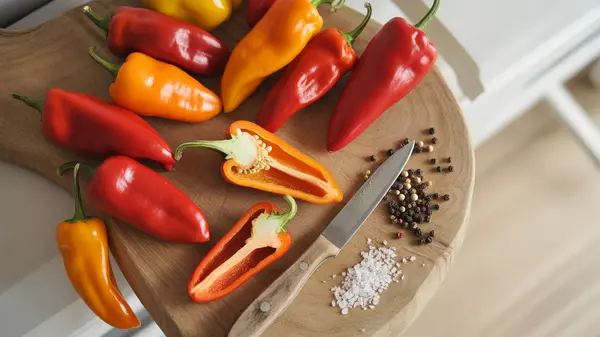
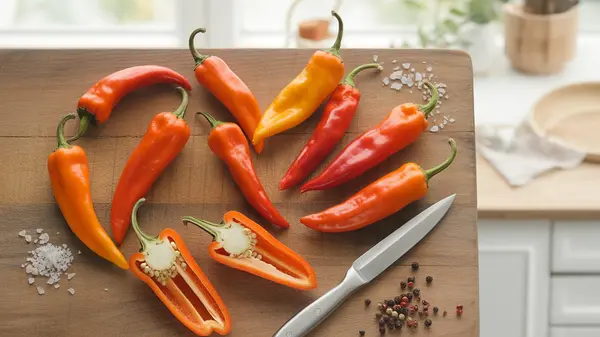
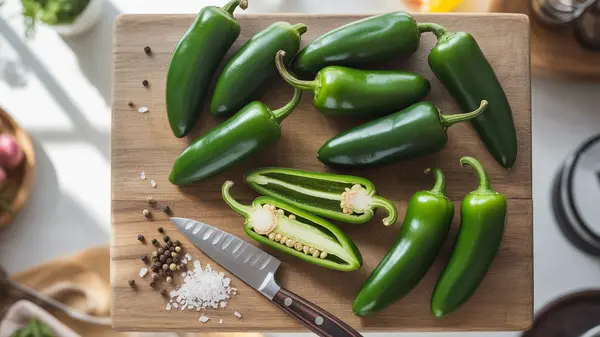
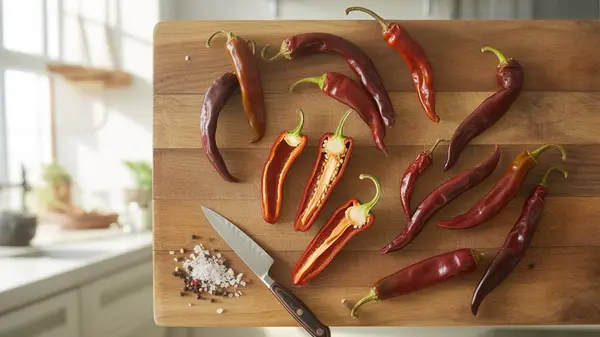
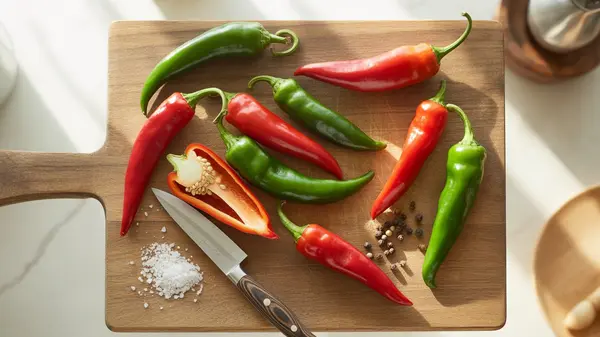
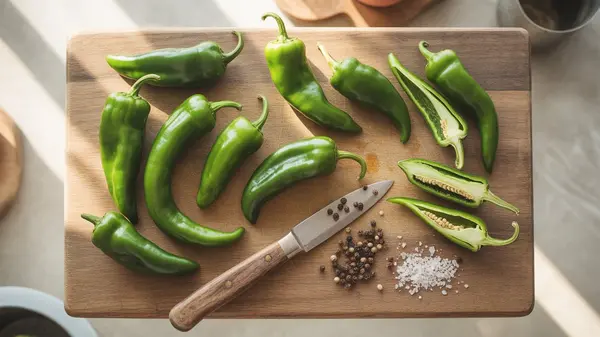
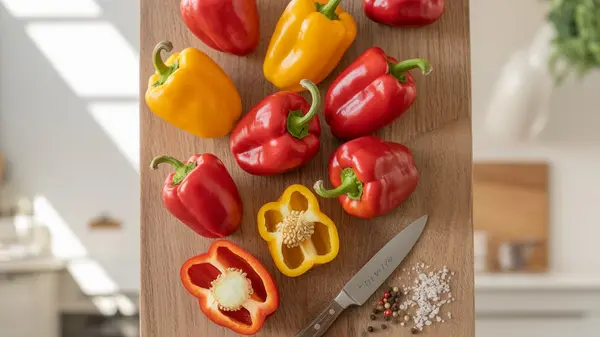
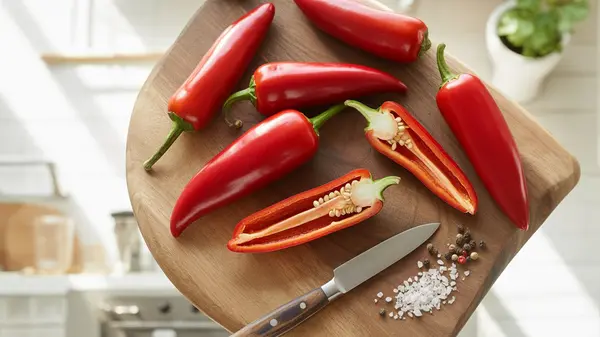
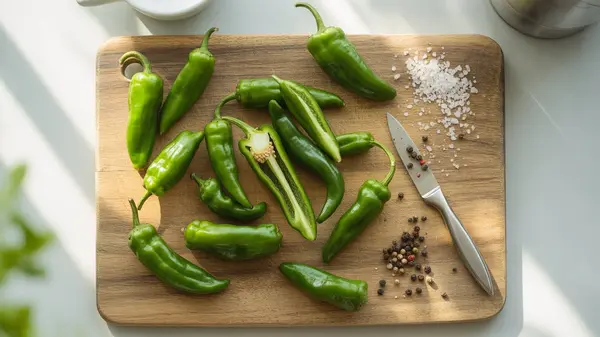
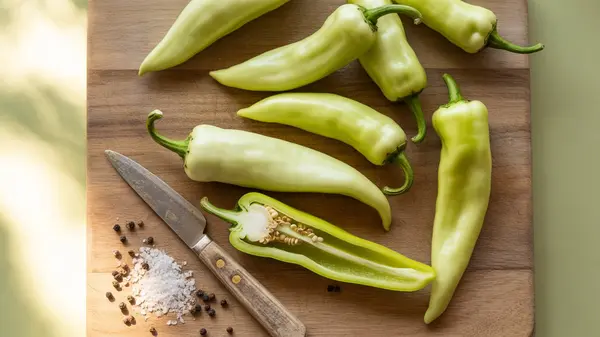
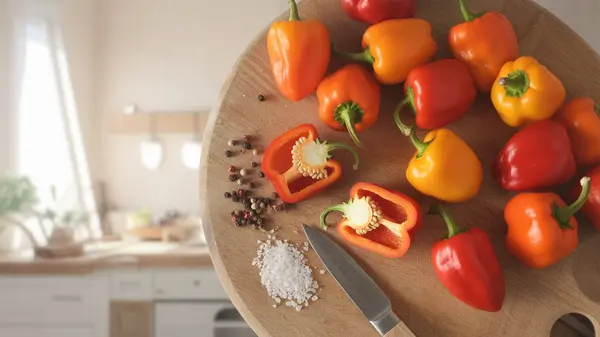
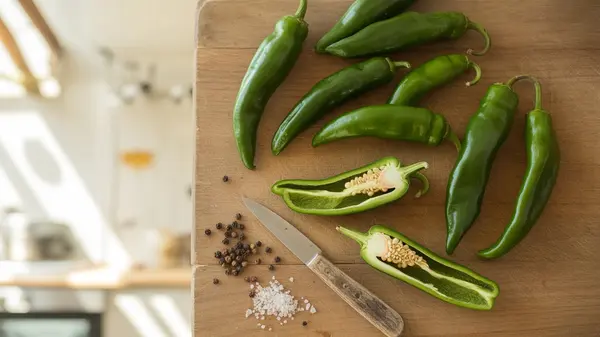
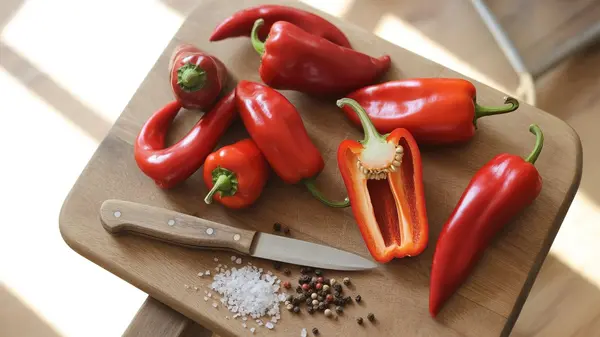
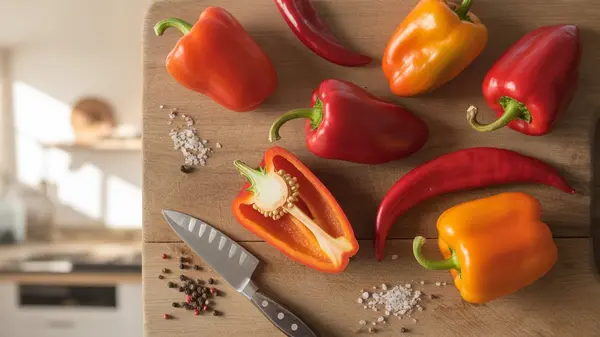
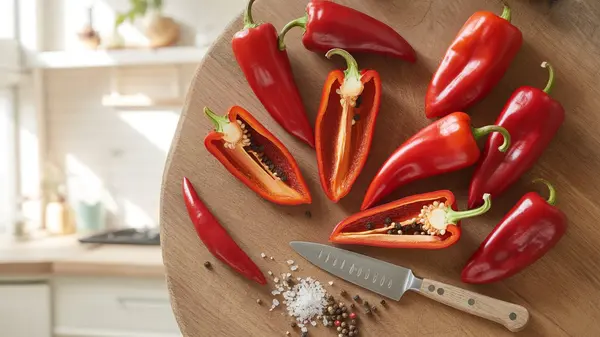
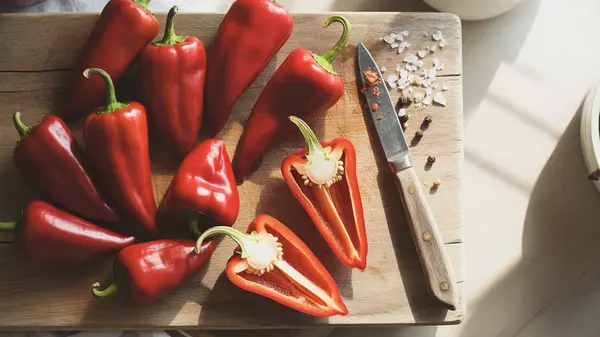
How Medium Peppers Compare
Visual breakdown within the 1K-10K SHU range
The Science of Medium Heat
Capsaicin at Medium Level
Capsaicin content between 70-700 ppm. Most people can eat these without preparation.
Capsaicin activates TRPV1 pain receptors.
Species in This Tier
Almost exclusively C. annuum. This species produces the broadest flavor range of any Capsicum, from sweet bell peppers (0 SHU) up through jalapenos and beyond.
Cooking with Medium
The most commercially important heat tier. Jalapenos appear in salsas, nachos, poppers, and pickled form.
Roasted = sweeter, raw = brighter. See fresh vs dried.
Safety & Handling
No special handling needed beyond normal kitchen hygiene. Even skin contact is typically fine for most people at this heat level.
For handling irritation, read how to respond to pepper burn.
Breeding & Cultivar History
Jalapenos have been selectively bred in multiple directions: chipotles (smoked dried jalapenos), TAM jalapenos (bred milder for commercial food service), and purple jalapenos (ornamental crosses).
One tier can still contain 52 very different kitchen profiles.
Tier Snapshot
52 profiles, 76 comparisons, 278 guides.
Upper edge: NuMex Heritage Big Jim. Gentler edge: Mad Hatter Pepper.
Medium Pepper Comparisons
Side-by-side breakdowns of heat, flavor, and cooking uses for medium-tier peppers.
Aji Amarillo vs Panca: Fruity Yellow vs Smoky Red
Aleppo vs Maras: Two Mild Middle Eastern Flakes
Habanero vs Jalapeno: Roughly 40x the Heat
Jalapeno vs Serrano: Heat, Salsa, and Best Uses
Jalapeño vs Poblano: Heat, Shape and Best Uses
Cayenne vs Jalapeño: Heat, Form and Best Uses
Related Guides
Frequently Asked Questions
Other Heat Levels
The Scoville scale spans from 0 SHU to over 3 million. Each tier serves a different cooking purpose.