
Aleppo Pepper vs Maras Pepper: Finish With Aleppo, Bloom Maras in Fat
Aleppo pepper is usually brighter, fruitier, and better as a finishing flake, while Maras pepper tends darker and works well when bloomed into meat, tomato, butter, or oil. Start a swap at 1:1 by volume, then adjust for the jar's salt, oil, grind, and batch heat.

Aleppo Pepper
HotMaras Pepper
MediumQuick Comparison
| Attribute | Aleppo Pepper | Maras Pepper |
|---|---|---|
| Scoville evidence | 10K-10K SHU | 4K-8K SHU |
| Heat Tier | Hot | Medium |
| vs Jalapeño | 1x hotter | 1x hotter |
| Flavor | fruity, tart, sweet-hot, lightly earthy | fruity and earthy |
| Species | C. annuum | C. annuum |
| Origin | Syria | Turkey |
Is Aleppo Pepper Hotter Than Maras Pepper?
Heat should not decide this purchase alone. Our reference entries place Aleppo at about 10,000 SHU and Maras at 4,000-8,000 SHU, but those figures describe typical products rather than every jar.
The Scoville scale measures capsaicinoid concentration, while commercial flakes also vary by cultivar, harvest, seed content, and processing.
New Mexico State University's Chile Pepper Institute treats heat as a measured property, so a fixed multiplier between two regional flakes would claim more precision than the available evidence supports.
Aleppo usually gives a slow, rounded warmth because its coarse flakes disperse through food gradually. Maras may seem quicker or darker in a particular brand, although that sensory difference cannot prove that the jar contains more capsaicinoids.
Added oil changes how either flake coats the tongue and moves through a sauce.
It does not create capsaicin, so an oilier Maras product can feel more persistent without testing hotter in a laboratory.
Treat both as mild heat for seasoning decisions. Taste the actual jar before increasing a recipe amount, especially when the flakes are new or the package gives no Scoville range.
How Do Aleppo and Maras Pepper Taste Different?
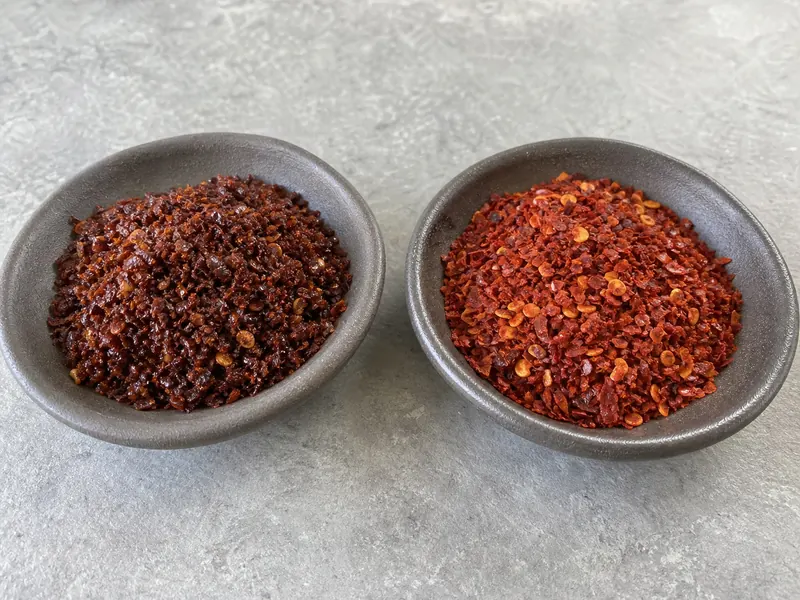
Processing creates the clearest flavor difference. Aleppo pepper usually tastes brighter and fruitier, while Maras pepper tends toward a darker roasted note.
Marlene Matar, author of The Aleppo Cookbook, describes Aleppo pods being cleaned, split, seeded, partly sun-dried, coarsely ground, and mixed with salt and olive oil.
That method explains the soft flakes, light salinity, and fruit-forward finish better than a heat number does.
The Turkish Culture Ministry's Maraş registration describes a thin-walled red pepper bred for drying. It permits sun drying or controlled drying, which means color and roast character can change with the producer's method.
In a New York Times report, spice merchants distinguished Aleppo's tomato-like sweetness from Marash's smokier intensity.
Chef Eric Ripert also described Aleppo as fruity, citrusy, and slightly sweet, useful evidence for choosing it when the pepper remains exposed in a dish.
Salt and oil levels are not identical across brands. One jar may be loose and brick red, while another is darker, tackier, and noticeably salty even when both labels name the same regional style.
Smell the flakes before comparing them.
Aleppo should suggest dried red fruit and mild earthiness, while a good Maras jar may add toasted or smoky notes without smelling burnt or stale.
When Should You Use Aleppo or Maras?
Choose Aleppo for finishing and Maras for deeper integration into fat-rich food. That rule is more reliable than choosing by the small published heat gap.
Matar and the New York Times report connect Aleppo with hummus, kebabs, muhammara, egg dishes, beans, roasted vegetables, and poultry.
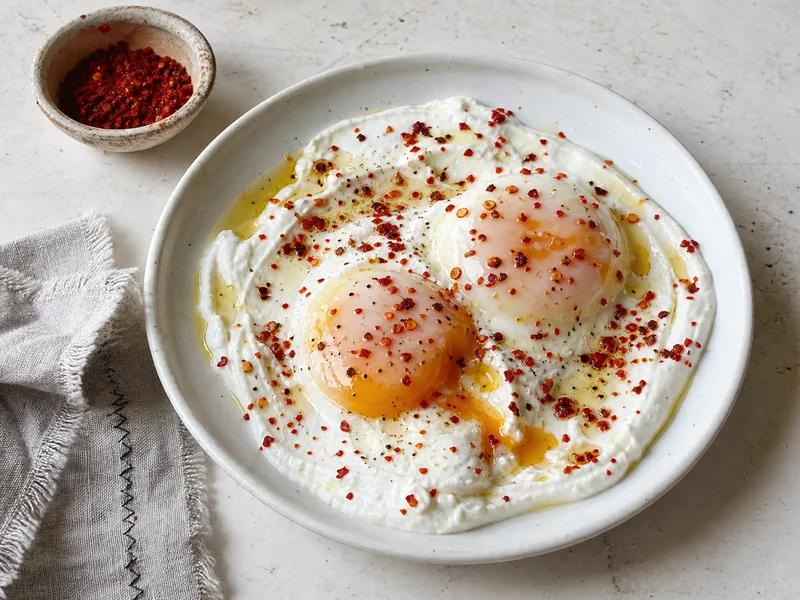
Its brighter flakes stay noticeable on yogurt, eggs, and vegetables when added just before serving.
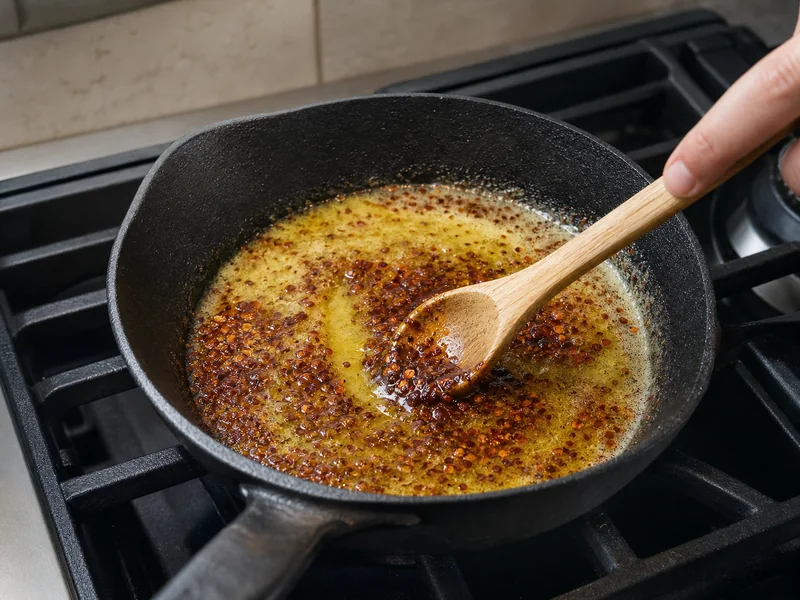
Maras fits lamb kofte, bulgur, tomato stews, beans, and warm butter sauces when you want the pepper to merge with the base. Brief blooming in oil releases fat-soluble aroma, but the flakes should warm gently rather than fry until brown.
For a cold dip, add either pepper after mixing and wait five minutes before judging the heat.
Salt and oil on the flakes need time to spread, so an immediate second spoonful can overshoot the seasoning.
Neither product behaves like dry red pepper flakes made from hotter mixed chiles. A spoon-for-spoon swap can change both heat and texture, so begin below the recipe amount when replacing a generic crushed blend.
Use Aleppo when fruit and visible texture should sit above the dish.
Use Maras when a darker chile note should dissolve into meat juices, tomato, butter, or olive oil.
Which Flake Should You Buy First?
Aleppo is the better first purchase for most kitchens because its fruit, gentle heat, and coarse texture work in both cooking and finishing. It also has broader availability through specialty spice sellers.
Maras earns its place when Turkish dishes or meat preparations need a darker, more roasted flake.
Its strongest advantage appears after the flakes meet warm fat, not in a raw comparison of Scoville numbers.
If the dish is pale or delicate, start with Aleppo. If it contains lamb, beans, tomato, browned butter, or a long-cooked sauce, Maras can supply the deeper base note.
The final choice still depends on the jar.
Ingredient lists, salt level, oil treatment, color, aroma, and grind reveal more than a regional name printed alone.
Are Aleppo and Maras Pepper the Same Spice?
Aleppo and Maras are related regional products, not two protected names for one standardized spice. Aleppo refers to the Halaby chile and processing tradition associated with Aleppo, Syria, while Maraş Biberi is Turkish geographical indication number 43 from Kahramanmaraş.
The Turkish registration defines Maraş pepper by its origin, thin flesh, drying suitability, and production within the named region.
It covers powder, flakes, and isot-style flakes, so the words Maraş pepper do not guarantee one color or grind.
Aleppo sourcing became less straightforward after the Syrian conflict disrupted production and exports. The New York Times documented genuine Syrian supply, Turkish-grown plants from Syrian seed, and other producers using an Aleppo style.
That history makes the origin statement on the package useful.
A label that says Syria, Kahramanmaraş, Gaziantep, or Turkey tells you more than a front-panel flavor description such as sweet, smoky, or Mediterranean.
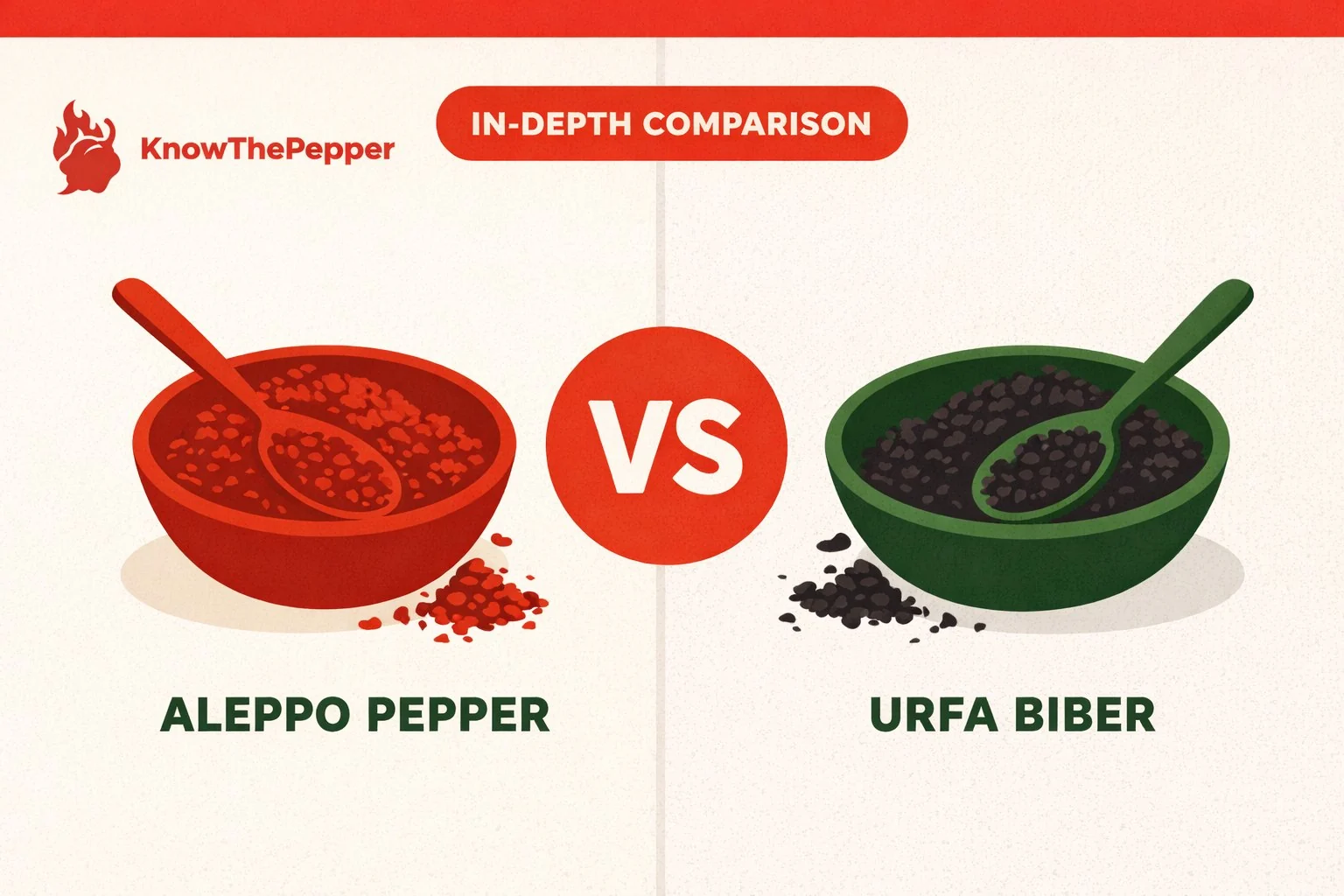
Do not confuse either flake with Urfa biber. Urfa is darker, raisin-like, and processed for a different character, even though all three can appear in the same regional spice display.
Buy the product whose origin and ingredients match your intended dish.
If a seller provides neither, treat the name as a style claim and taste cautiously before relying on the usual ratio.
How Do You Pick Fresh Aleppo or Maras Flakes?
Buy by aroma, ingredient list, and grind before comparing color. Fresh flakes should smell fruity or roasted as soon as the container opens, with no dusty, cardboard-like, or rancid-oil odor.
Aleppo often appears brick red to burgundy with a loose, coarse grind.
Some pieces may clump from oil, but the jar should not contain wet patches or a greasy film around the lid.
Maras can be darker and slightly tackier. The Turkish registration allows different drying methods, so a darker batch is not automatically older or stronger.
Read the ingredient list for pepper, salt, and oil.
Added salt changes a substitution faster than a small heat difference, while an oil-treated product weighs more per spoon than a dry flake.
Store either jar sealed, cool, and away from direct light. The oils that carry aroma can turn stale, so buy a smaller container if you use the spice only for occasional recipes.
Color loss is a useful warning, but aroma gives the better decision.
Replace a jar that smells flat or rancid even when the flakes remain red.
Dish Choice Matrix
Use the cooking method to choose between the flakes. The matrix keeps the decision tied to texture, fat, and salinity rather than a doubtful heat multiplier.
| Dish or method | Start with | Reason |
|---|---|---|
| Hummus, labneh, or eggs | Aleppo | Bright fruit and visible flakes stay clear on pale food. |
| Lamb kofte or meat marinade | Maras | Darker roasted notes hold up to fat and browning. |
| Muhammara | Aleppo | Its sweet-tart character supports walnut and roasted pepper. |
| Warm butter or oil sauce | Maras | Blooming spreads its deeper aroma through the fat. |
| One-for-one recipe swap | Either | Start at equal volume, then correct salt and intensity. |
A familiar brand can reverse a close call because oil and salt vary, so taste before serving whenever the pepper is the main seasoning.
Substitution
Start with a 1:1 volume swap when replacing Aleppo with Maras or Maras with Aleppo. That ratio is a tasting point, not a guarantee, because grind, oil, salt, and batch heat change how much seasoning reaches a spoon.
When Maras replaces Aleppo on yogurt, eggs, or vegetables, use about three-quarters of the amount first if the flakes are dark, oily, or salty.
Add the rest only after the food sits for several minutes.
When Aleppo replaces Maras in lamb, beans, or tomato sauce, equal volume usually preserves warmth but may taste brighter. Blooming the Aleppo briefly in oil can deepen its integration without pretending to reproduce Maras exactly.
Measure by weight for large recipes or production batches.
Equal teaspoons can hold different masses when one product is moist and compact while the other is dry and loose.
If neither flake suits the dish, choose from other Aleppo pepper substitutes rather than forcing cayenne into an equal-volume swap. Cayenne can supply heat, but it cannot supply the same fruit, salt, oil, or coarse texture.
Aleppo Pepper vs Maras Pepper FAQ
- The Herb Society of America - Aleppo Pepper
- Republic of Türkiye Ministry of Culture and Tourism - Maraş Biberi
- The New York Times - The Long Journey of the Aleppo Pepper