100K-1M SHU

Extra-Hot Peppers

Extra-hot peppers sit above 100,000 SHU and below the 1,000,000 SHU super-hot threshold. Habaneros, Scotch bonnets, datils, fatalii, and similar…
23
Varieties
6
Comparisons
100K-1M SHU
Heat Range
Featured Extra-Hot Pepper

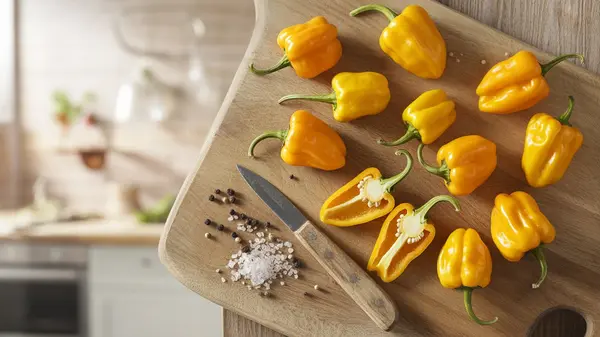
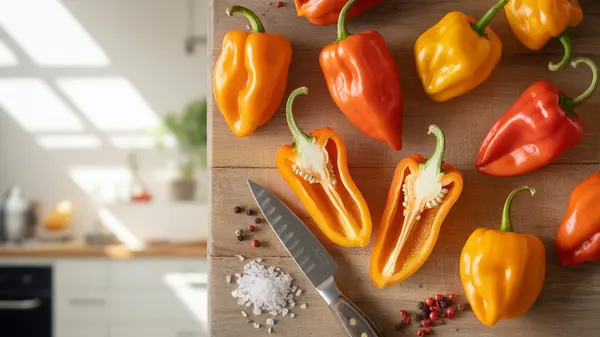
Orange Habanero

150K-325K SHU Extra-Hot

Long before hot sauce brands plastered its image on bottles, the orange habanero was a kitchen staple in the Yucatán…

View Full Profile
Orange Habanero
Origin
Mexico
Species
C. chinense
fruity floral
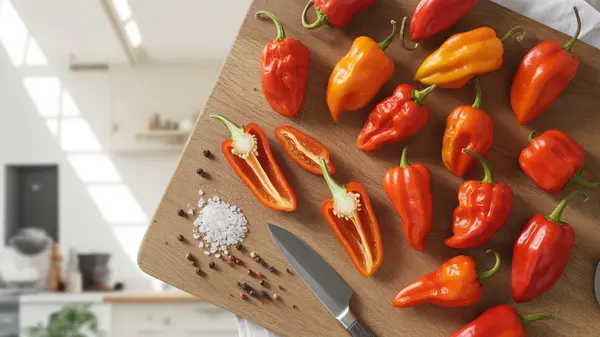
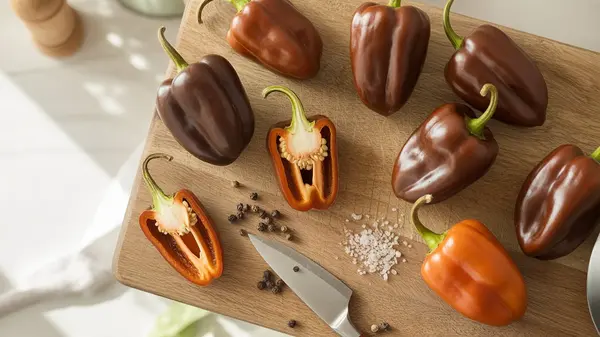
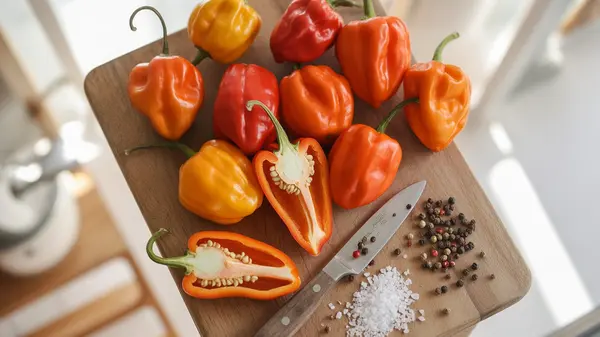
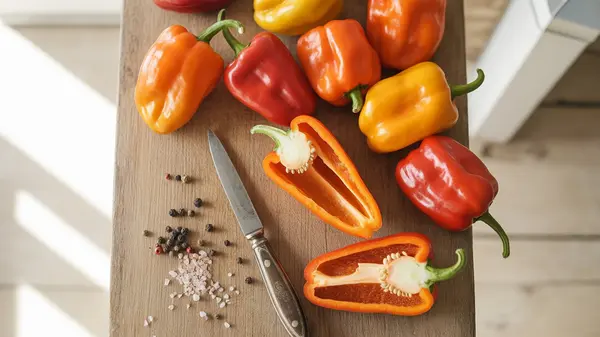
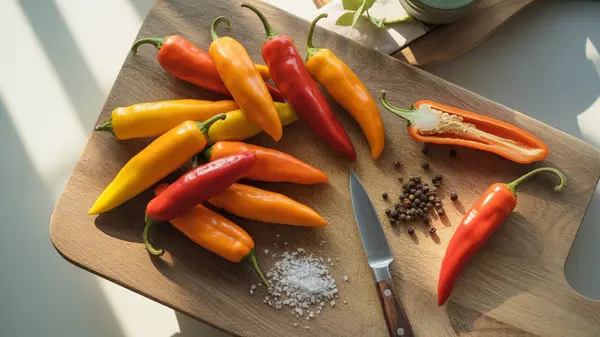
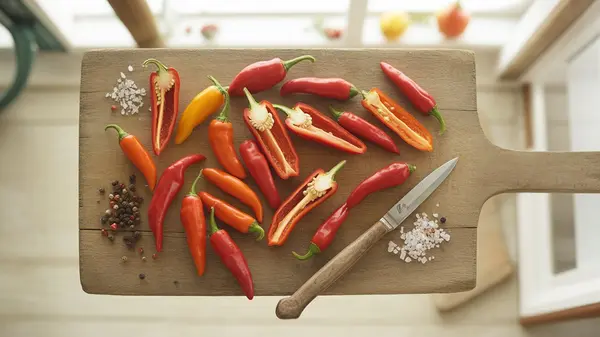
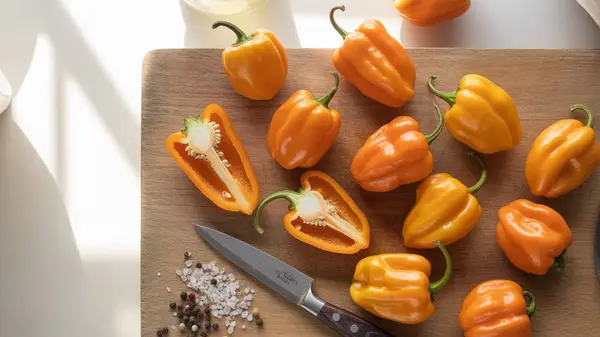
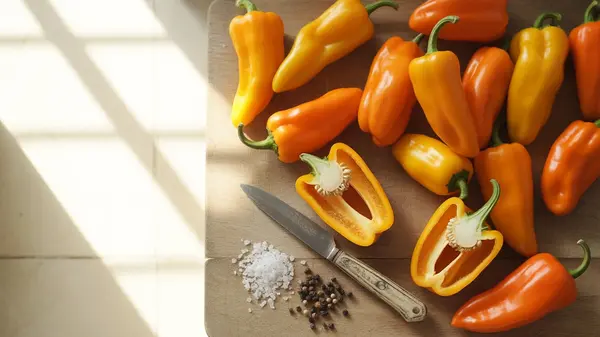
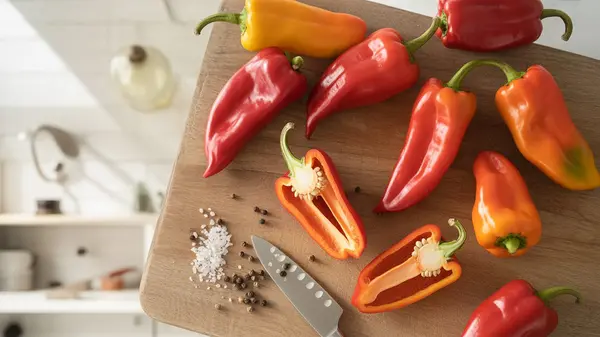
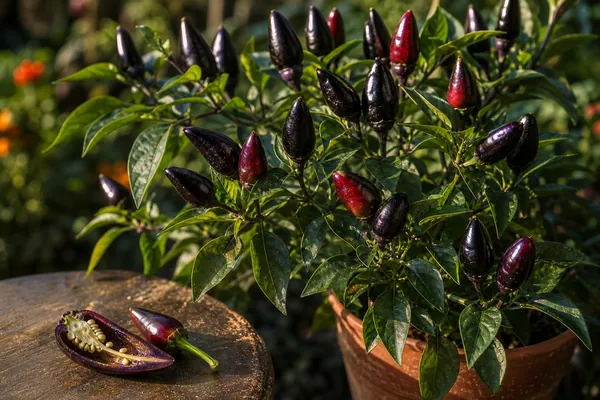
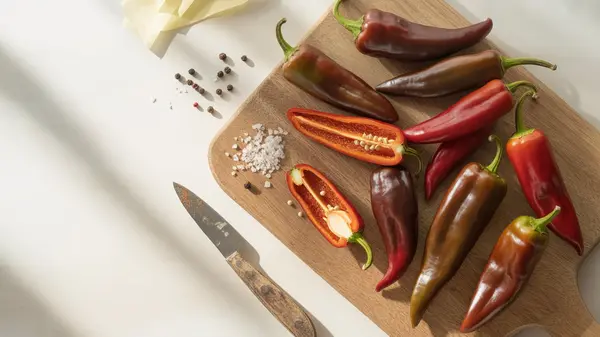
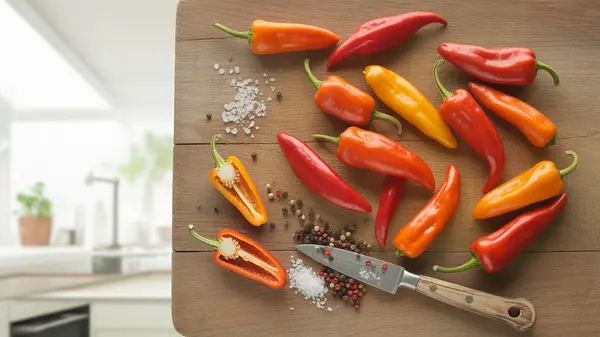
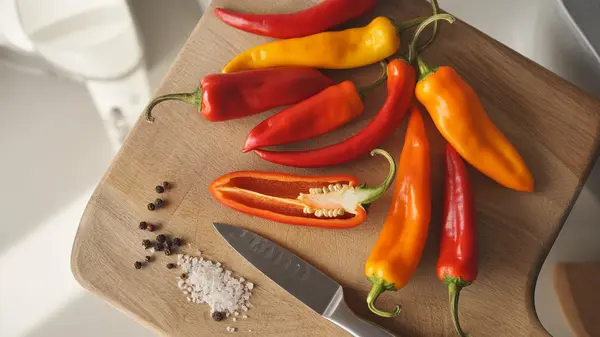
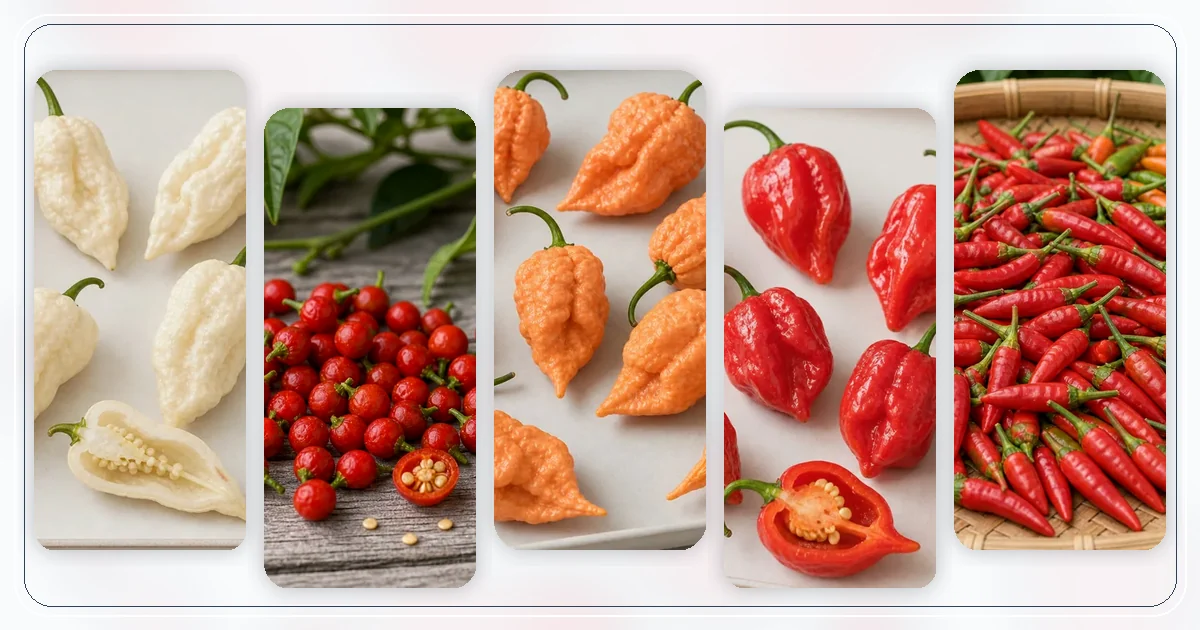
Extra-Hot Peppers (100K–1M SHU) hub with route-specific pepper varieties arranged for browsing

Route-owned image for the extra-hot heat band.

Image credit: KnowThePepper

Quick Facts: Extra-Hot Peppers

100K-999K SHU range
Multi-species tier (chinense, frutescens, annuum)
Many are ancient landraces
Gloves recommended when cutting
Best tier for flavor + heat balance

Choosing Within Extra-Hot

Use this tier to narrow 23 peppers by heat range, kitchen role, format, and substitution fit.

Choose by Kitchen Job

Choose extra-hot peppers by flavor family first, not just SHU. Habaneros and Scotch bonnets bring fruit and perfume, datils add…

Substitute Across Nearby Tiers

If you are missing an extra-hot pepper, the cleanest fallback is usually another extra-hot pepper with a similar species profile…

For a faster decision, use the substitutes hub or pepper comparisons.

What the Database Shows

23 peppers, 25 comparisons, and 226 related guides feed this tier.

Top edge: Nagabon. Gentler edge: Charleston Hot.

Cultivars in This Tier

23 varieties

These are the named cultivars and canonical profiles that currently define the extra-hot band on Know The Pepper. Open any card when you need the full route-owned profile for flavor notes, growing behavior, or a closer substitute.
How Extra-Hot Peppers Compare

Visual breakdown within the 100K-1M SHU range

Nagabon 750K-800K
Red Savina Habanero 350K-580K
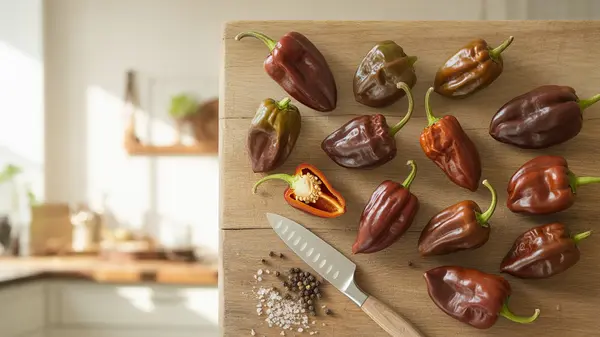
Chocolate Habanero 425K-577K
Caribbean Red Habanero 300K-475K
Fatalii 125K-400K
Hot Paper Lantern Pepper 150K-400K
Habanero 100K-350K
Scotch Bonnet 100K-350K
Madame Jeanette 100K-350K
White Habanero 100K-350K

The Science of Extra-Hot Heat

Capsaicin at Extra-Hot Level

Capsaicin content between 6,000-60,000 ppm. The burn is intense but manageable for experienced cooks when the pepper is diluted…

Capsaicin activates TRPV1 pain receptors.

Species in This Tier

This tier is dominated by C. chinense, including habaneros, Scotch bonnets, datils, fatalii, and many Caribbean-style hot…

Cooking with Extra-Hot

This is the upper practical cooking tier. Extra-hot peppers can anchor hot sauce, jerk-style seasoning, fruit salsas, pepper…

Roasted = sweeter. Raw = brighter. See fresh vs dried.

Safety & Handling

Gloves recommended when cutting. Avoid touching eyes or face. Wash cutting boards with dish soap - water alone does not remove…

See the burn relief guide for handling advice.

Breeding & Cultivar History

Many extra-hot varieties are landraces - regionally adapted cultivars shaped by centuries of farmer selection rather than formal…

One tier can still contain 23 very different kitchen profiles.

Tier Snapshot

23 profiles, 25 comparisons, 226 guides.

Upper edge: Nagabon. Gentler edge: Charleston Hot.

Extra-Hot Pepper Comparisons

View All

Side-by-side breakdowns of heat, flavor, and culinary uses for extra-hot-tier peppers.

Related Guides

All guides →

Pepper Tools & Resources

Frequently Asked Questions

What SHU range defines extra-hot peppers?
Extra-Hot peppers measure 100K-1M SHU on the Scoville scale. This range is determined by capsaicinoid concentration measured via high-performance liquid chromatography (HPLC), which replaced the original organoleptic Scoville taste test in the 1980s.
What is the hottest extra-hot pepper?
The hottest extra-hot pepper in our database is Nagabon at 750,000–800,000 SHU. It's followed by Red Savina Habanero (580K SHU).
How many extra-hot pepper varieties exist?
We currently track 23 extra-hot varieties. Globally, hundreds more exist as regional landraces that haven't been formally cataloged. New cultivars are bred each year, particularly in the competitive super-hot community.
Are extra-hot peppers safe to eat?
Yes. The burn is intense but temporary (10–15 minutes). Build tolerance gradually. Start with small amounts and increase over time. The capsaicin in these peppers has been studied for potential health benefits.
What species are most extra-hot peppers?
Most extra-hot peppers belong to Capsicum chinense, a species native to the Amazon basin. Chinense varieties have the genetic capacity to produce extremely high capsaicinoid concentrations. A few annuum and frutescens varieties also reach this range.
Do extra-hot peppers taste different from habaneros, or is the difference purely heat?
The flavor difference is real, though extreme heat makes it hard to detect raw. Habaneros near the 100,000-350,000 SHU floor of this tier carry a distinct fruity, tropical character. Move up to Ghost Peppers or Nagas in the 800,000-1,000,000 SHU range and the flavor compounds shift toward more floral, less citrus-forward notes. At full dilution in fermented hot sauce, experienced tasters reliably distinguish habanero from Ghost Pepper in a blind comparison. The flavor stays pepper-specific; what changes is that extreme heat narrows the perception window to a fraction of a second.
What is the safest way to store extra-hot pepper mash between uses?
For short-term storage, refrigerate extra-hot mash in a clean sealed container and use a clean spoon every time. For longer storage, use a tested fermentation, pickling, freezing, or hot-sauce process that specifies salt, acid, pH target, container handling, and refrigeration requirements. Do not assume a mash is shelf-stable just because it contains salt or because it bubbled for a few days. Extra-hot peppers are strong enough that a small spoiled batch can still smell mostly like chile, so discard anything with mold, gas pressure in a closed jar, unusual slime, or off odors.
How do I choose between habanero, Scotch bonnet, datil, and fatalii?
Choose by flavor job before raw SHU. Habanero is the broad default when you want tropical fruit and citrus heat in salsa, hot sauce, or marinades. Scotch bonnet is better when a Caribbean flavor profile matters because it brings perfume and sweetness that sit differently from habanero. Datil is useful when you want sweet extra-hot heat in vinegar-forward sauces. Fatalii leans sharper and more citrusy, so it fits bright sauces and fruit blends. If the dish has delicate seafood, cream, or a mild base, start lower in the tier and build heat slowly.
When should I step down from extra-hot to hot peppers?
Step down when the recipe needs pepper flavor but not a prolonged burn. A cayenne, serrano, Thai chili, or other hot-tier pepper can give enough heat for a weeknight sauce without forcing every bite to revolve around capsaicin. This is especially useful in pasta sauce, soups, bean dishes, pizza toppings, and family-style meals where people have different tolerance levels. If you step down, increase flavor with roasting, vinegar, garlic, citrus, or a smaller amount of extra-hot sauce at the table rather than adding a full extra-hot pod to the pot.
Are extra-hot peppers better fresh, dried, fermented, or in sauce?
Each format solves a different problem. Fresh pods show the most aroma and fruit, but they are hardest to dose evenly. Dried flakes and powders are easier to measure but can taste flatter if old. Fermented mash adds acidity and depth, which helps intense heat feel integrated instead of harsh. Bottled hot sauce is the safest everyday format for many cooks because salt, acid, and dilution are already balanced by the producer. Use fresh peppers for aroma, dried peppers for controlled background heat, mash for depth, and sauce for repeatable table heat.
How much extra-hot pepper should I use the first time?
Start smaller than the recipe impulse suggests. For a fresh habanero-sized pepper, use a thin slice or a quarter pod in a small batch, then wait several minutes before adding more. For powder, begin with a pinch, not a spoonful. For hot sauce, add at the table first so you can judge the pepper against the finished food. Extra-hot heat spreads through fat, broth, and tomato sauce as the dish rests, so a pot that seems manageable after one minute can taste much hotter after ten minutes.
Sources & References

Other Heat Levels

The Scoville scale spans from 0 SHU to over 3 million. Each tier serves a different culinary purpose.

View Heat Level Overview →