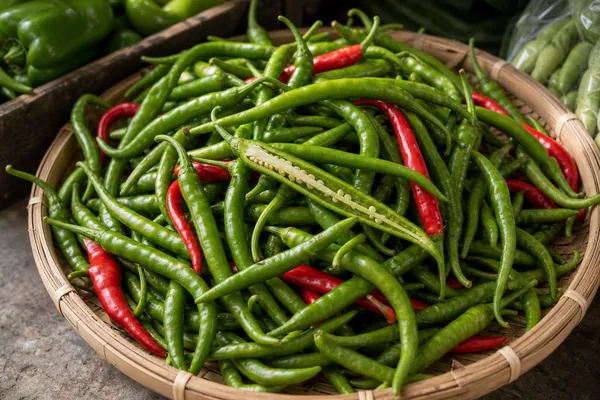
0-999 SHU

Mild Peppers

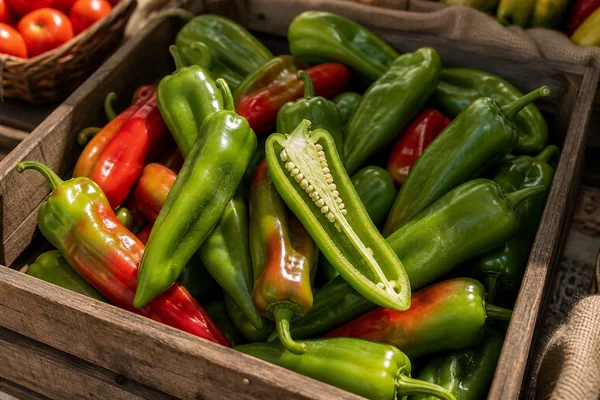
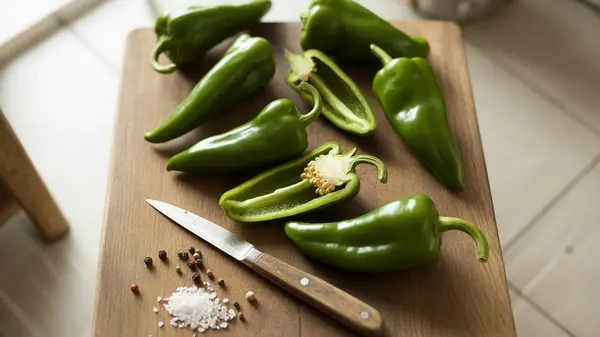
Mild peppers range from 0-999 SHU. Bells, banana peppers, pimientos, and shishitos focus on sweetness, texture, and color over heat.
35
Varieties
6
Comparisons
0-999 SHU
Heat Range
Featured Mild Pepper

Fushimi Pepper

0-0 SHU Mild

Fushimi peppers belong to the sweet pepper category - no capsaicin, no burn, just clean vegetable flavor with a subtle…

View Full Profile
Fushimi Pepper
Origin
Japan
Species
C. annuum
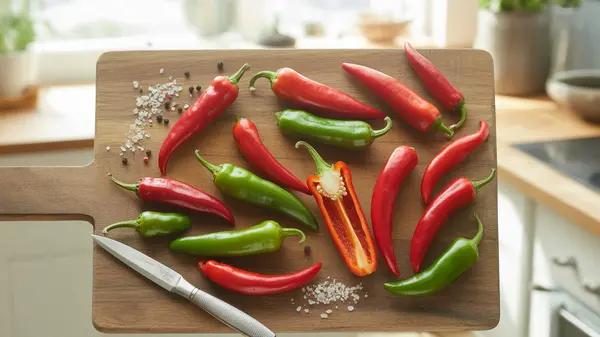
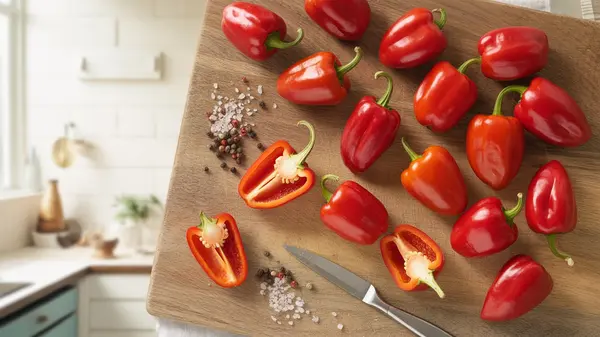
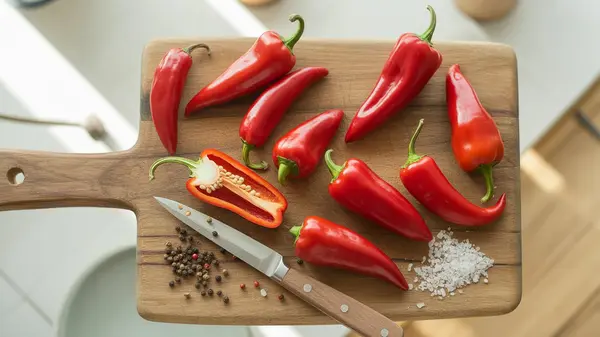
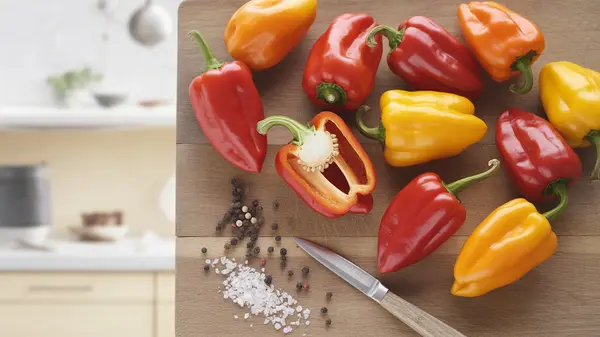
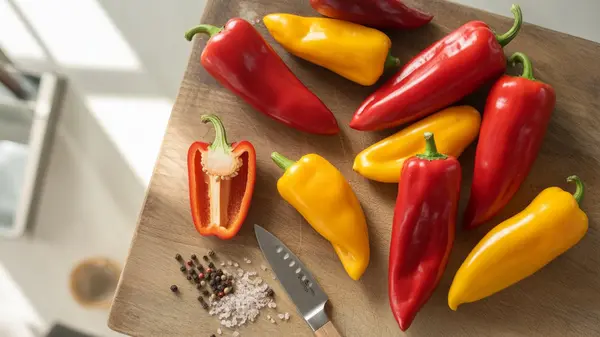
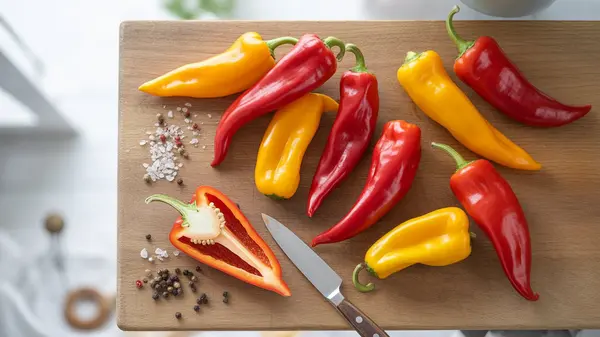
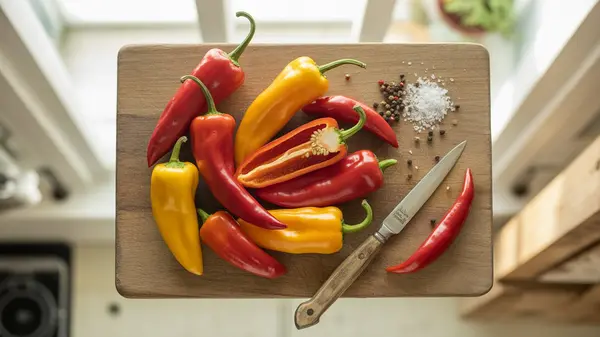
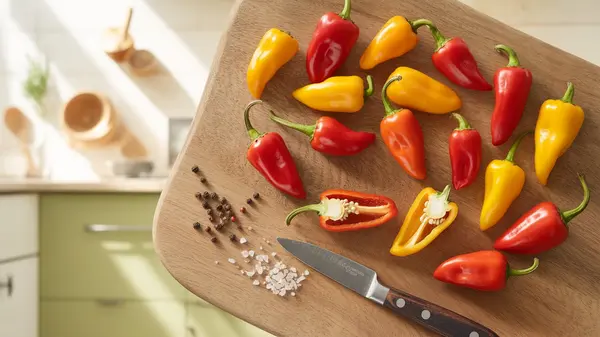
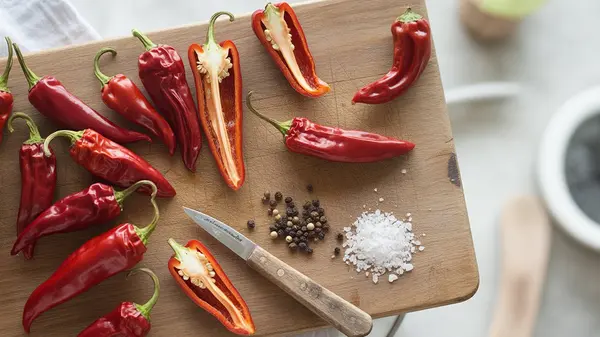
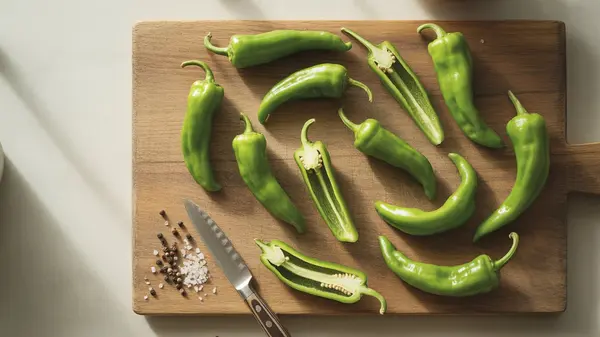
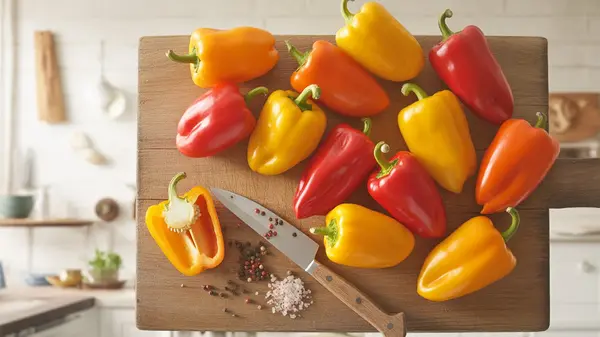
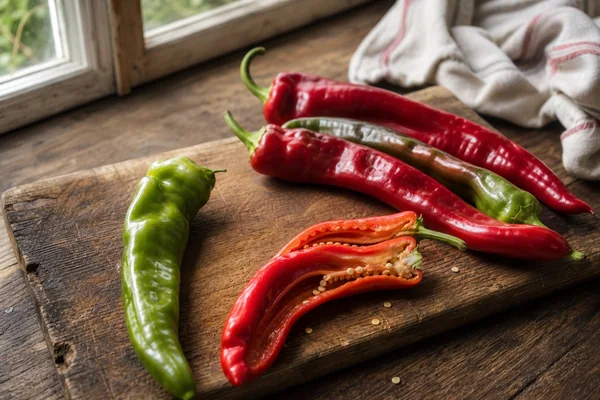
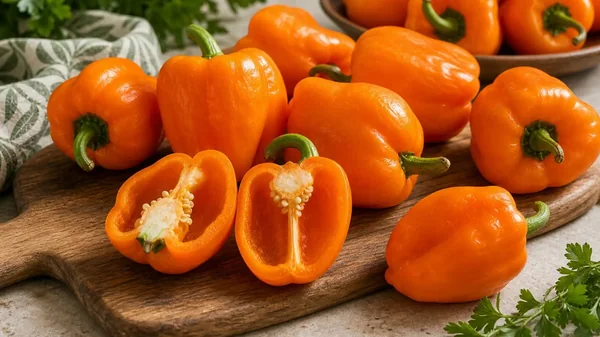
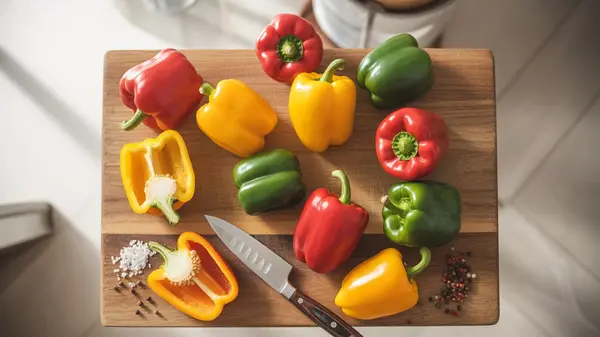
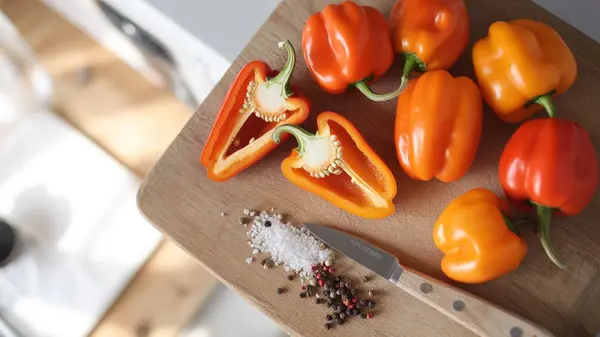
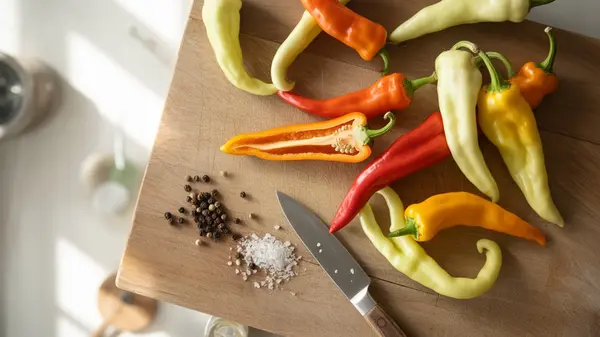
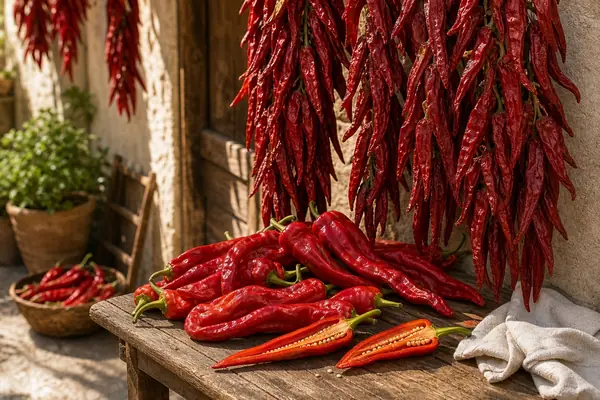
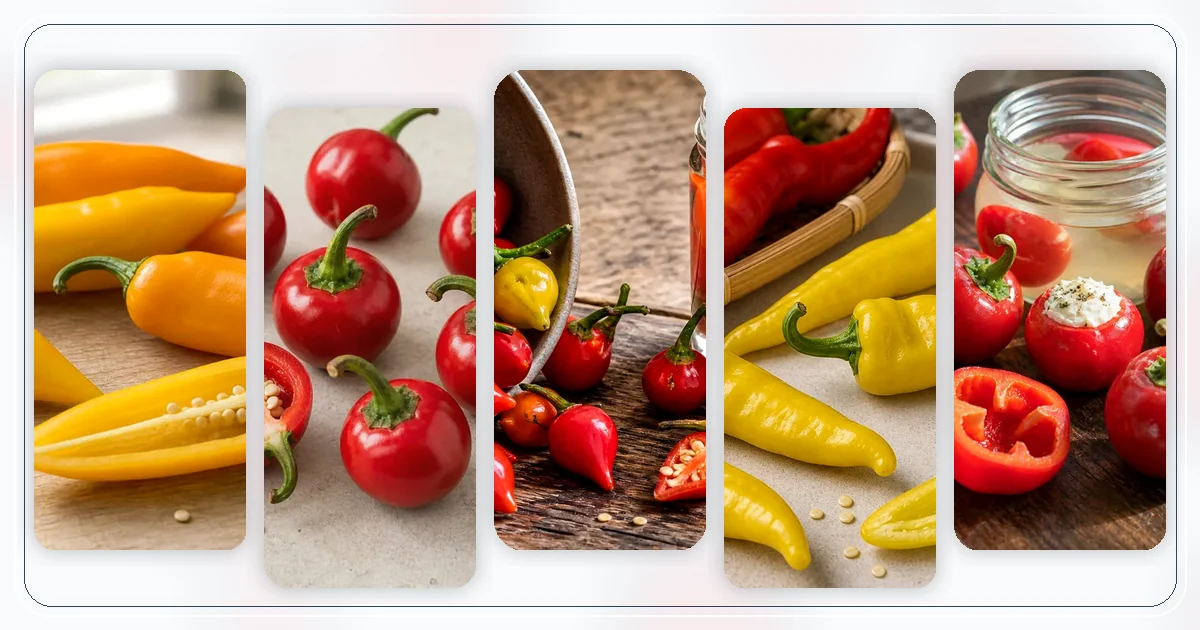
Mild Peppers (0–999 SHU) hub with route-specific pepper varieties arranged for browsing

Route-owned image for the mild heat band.

Image credit: KnowThePepper

Quick Facts: Mild Peppers

0-999 SHU range
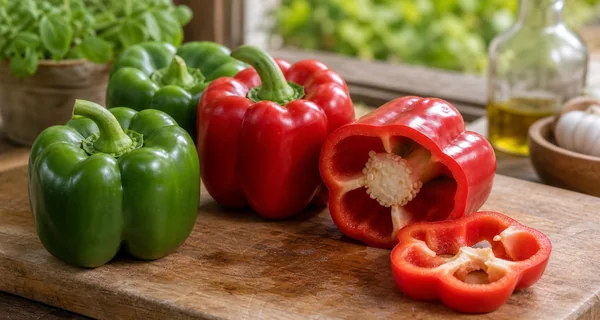
Bell peppers have zero capsaicin
36M+ metric tons produced annually
Safe for baby food
Valued for texture and sweetness

Choosing Within Mild

Use this tier to narrow 35 peppers by heat range, kitchen role, format, and substitution fit.

Choose by Kitchen Job

Choose mild peppers by shape and sweetness rather than SHU. Bells and other blocky peppers are best when you need cavity, crunch…

Substitute Across Nearby Tiers

When you need to substitute within the mild tier, preserve texture first and flavor second. A bell can replace another bell…

For a faster decision, use the substitutes hub or pepper comparisons.

What the Database Shows

35 peppers, 28 comparisons, and 226 related guides feed this tier.

Top edge: NuMex Joe E. Parker. Gentler edge: Fushimi Pepper.

Cultivars in This Tier

35 varieties

These are the named cultivars and canonical profiles that currently define the mild band on Know The Pepper. Open any card when you need the full route-owned profile for flavor notes, growing behavior, or a closer substitute.
How Mild Peppers Compare

Visual breakdown within the 0-999 SHU range

NuMex Joe E. Parker 900-900
Lombok Pepper 0-800
NuMex Suave Orange 0-800
Holy Mole Pepper 700-800
Santa Fe Grande 500-700
Peppadew Pepper 280-650
Mariachi Pepper 500-600
Banana Pepper 0-500
Pepperoncini 100-500
Pimento Pepper 100-500

The Science of Mild Heat

Capsaicin at Mild Level

Capsaicin content below 70 ppm. Bell peppers produce zero capsaicin due to a recessive gene that blocks the biosynthetic pathway…

Capsaicin activates TRPV1 pain receptors.

Species in This Tier

Primarily C. annuum. Bell peppers are the most economically significant Capsicum crop globally, with worldwide production…

Cooking with Mild

Valued for texture, sweetness, and color rather than heat. Bell peppers are the third-most-consumed vegetable in the United…

Roasted = sweeter. Raw = brighter. See fresh vs dried.

Safety & Handling

No heat precautions needed. Mild peppers are used in baby food and are safe for young children.

See the burn relief guide for handling advice.

Breeding & Cultivar History

Bell peppers have been bred for size, wall thickness, sweetness, and color variety. Modern bell peppers are 3-4x larger than…

One tier can still contain 35 very different kitchen profiles.

Tier Snapshot

35 profiles, 28 comparisons, 226 guides.

Upper edge: NuMex Joe E. Parker. Gentler edge: Fushimi Pepper.

Mild Pepper Comparisons

View All

Side-by-side breakdowns of heat, flavor, and culinary uses for mild-tier peppers.

Related Guides

All guides →

Pepper Tools & Resources

Frequently Asked Questions

What SHU range defines mild peppers?
Mild peppers measure 0-999 SHU on the Scoville scale. This range is determined by capsaicinoid concentration measured via high-performance liquid chromatography (HPLC), which replaced the original organoleptic Scoville taste test in the 1980s.
What is the hottest mild pepper?
The hottest mild pepper in our database is NuMex Joe E. Parker at 900–900 SHU. It's followed by Lombok Pepper (800 SHU).
How many mild pepper varieties exist?
We currently track 35 mild varieties. Globally, hundreds more exist as regional landraces that haven't been formally cataloged. New cultivars are bred each year, particularly in the commercial agriculture sector.
Are mild peppers safe to eat?
Yes. Mild peppers are widely consumed daily by millions of people. Bell peppers are among the most popular vegetables worldwide and contain zero capsaicin.
What species are most mild peppers?
Most are Capsicum annuum, the world's most widely cultivated pepper species. Annuum peppers dominate commercial agriculture and home gardening because they grow faster, tolerate more conditions, and produce higher yields than other species.
Why do mild peppers often taste sweeter when cooked than when raw?
Heat converts starches and complex carbohydrates in mild pepper flesh into simple sugars through caramelization and Maillard reactions. A raw bell pepper has a faint chlorophyll bitterness and a grassy edge. Roasted at 450 degrees for 25-30 minutes, those compounds break down and the natural sugars, roughly 4-6 grams per 100 grams in a red bell pepper, come forward clearly. The longer you cook a mild pepper, the sweeter it becomes, which explains why roasted red peppers taste almost nothing like the same pepper eaten raw.
Are all zero-SHU peppers completely heat-free?
Bell peppers are genuinely zero-SHU because they carry a recessive gene that blocks capsaicin production entirely. Other mild-tier peppers like banana peppers, pimientos, and most paprika cultivars produce trace capsaicin below 500 SHU that instruments can detect but most people cannot feel. Padron peppers, which usually register well below 1,000 SHU, occasionally produce individual fruits much hotter when the plant is stressed by heat or drought. Mild does not always mean zero, and individual variation within a single batch of the same cultivar is normal even at this end of the Scoville scale.
How do I know when a mild pepper is ripe enough to pick?
Most mild peppers signal ripeness through a color change. Green bell peppers turn yellow, orange, or red depending on the cultivar, and fully ripened colored bells have thicker walls, higher sugar content, and better flavor than the same pepper picked green. For paprika and pimiento types meant for drying or grinding, wait for full red color because sugar content peaks at full maturity. Leaving mild peppers on the plant past their color change produces sweeter fruit, though the walls become progressively thinner as cell structure softens through over-ripening.
Sources & References

Other Heat Levels

The Scoville scale spans from 0 SHU to over 3 million. Each tier serves a different culinary purpose.

View Heat Level Overview →