

KnowThePepper
Sweet Italian Pepper: No Heat, Just Thin-Walled Pods That Cook in Minutes
The Sweet Italian Pepper registers just 0 to 100 SHU - virtually no heat at all, just clean, sweet pepper flavor with a thin, tender skin. Elongated and prolific, it is a gardener's favorite for containers and raised beds alike.
Roast it, stuff it, or eat it raw.
This C. annuum variety delivers reliable sweetness from late summer through fall.
- Species: C. annuum
- Heat tier: Mild (0-999 SHU)
What Makes Sweet Italian Pepper Different?
There is no heat in a Sweet Italian Pepper at all: no slow creep of warmth, no tingle, just pepper flavour. That near-zero heat places it firmly in the gentle heat range, where it sits alongside other crowd-pleasing varieties bred for flavor over fire.
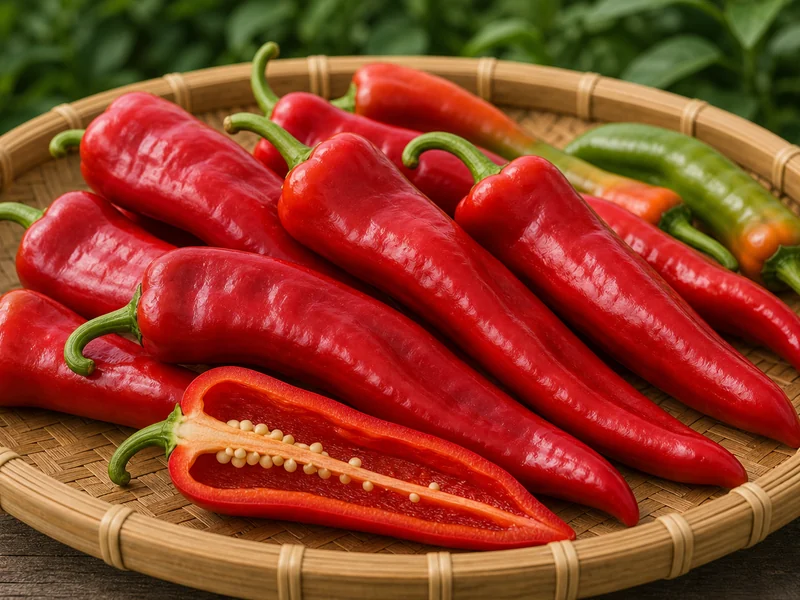
The fruit grows 6 to 8 inches long, tapering to a blunt point, with walls thin enough to cook in minutes. Color progresses from pale lime green to a deep red at full maturity, with flavor intensifying at each stage.
Red-ripe fruits carry a concentrated sweetness that green ones simply cannot match.
As a member of the Capsicum annuum Varieties, Sweet Italian Peppers share botanical company with bell peppers, jalapeños, and paprika, a remarkably diverse species. The plant itself is vigorous, typically reaching 24 to 36 inches tall with good branching, and sets fruit heavily under decent conditions.
For anyone exploring the Italian pepper-growing tradition, this variety represents the foundation, the pepper that shows up on antipasto platters, in sautéed side dishes, and stuffed with seasoned breadcrumbs across generations of Italian-American kitchens. It is not a specialty item.
It is a staple, and it earns that status through sheer versatility and ease of cultivation.
Where Does Sweet Italian Pepper Come From?
Sweet Italian Peppers trace their roots to the broader domestication of Capsicum annuum in Mesoamerica, but their specific character, thin-walled, elongated, and essentially heatless, was refined over centuries of Italian cultivation after peppers arrived in Europe via Spanish trade routes in the late 15th century.
Italian farmers, particularly in southern regions like Campania and Calabria, selected for sweet, fleshy varieties suited to roasting over open flames and preserving in olive oil. By the 19th century, these types had become embedded in regional cooking traditions.
Italian immigrants carried seeds to the United States, where the variety took hold in home gardens throughout the Northeast. Today it remains a fixture in both Italian pepper-growing traditions and mainstream American seed catalogs, valued as much for its garden productivity as for its kitchen versatility.
How Hot Is Sweet Italian Pepper, and What Does It Taste Like?
The Sweet Italian Pepper delivers 0–100 Scoville Heat Units, placing it in the Mild tier (0-999 SHU).
Flavor notes: sweet and mild.
Sweet Italian Pepper Nutrition Facts
A 100g serving of raw Sweet Italian Pepper delivers approximately 27 calories, 6g carbohydrates, and 2g dietary fiber. It is an excellent source of Vitamin C - red-ripe fruits can contain 150 to 200mg, well above the daily recommended intake.
Vitamin A, potassium, and folate are also present in meaningful amounts. The near-zero capsaicin content means none of the thermogenic effects associated with hotter peppers, but the antioxidant load from carotenoids, particularly in red-stage fruits, remains substantial.
Thin-skinned and low in calories, it fits easily into any diet.
Which Dishes Suit Sweet Italian Pepper?
Sweet Italian Peppers handle heat exceptionally well, better than bell peppers, actually, because those thin walls collapse into silky tenderness without turning mushy. Roasting over an open flame or under a broiler until charred, then peeling and dressing with olive oil and garlic, is the classic preparation.
For stuffing, the elongated shape is ideal. Fill with a mixture of seasoned breadcrumbs, anchovies, and capers, then bake until the pepper softens and the filling browns.
Or go simpler: sauté sliced peppers with onions and olive oil until caramelized, then pile onto crusty bread.
Raw, they add crunch to antipasto boards and hold up well in vinegar-based marinades. If you want something with a mild tang for comparison, the Pepperoncini shows how closely related Italian pepper types can diverge in end use.
For flexible kitchen applications with sweet citrus notes, there are other mild options worth knowing, but Sweet Italian Peppers remain the most kitchen-friendly of the bunch. They freeze well after roasting, making late-summer harvests stretch through winter.
How Do You Keep Sweet Italian Pepper Fresh?
At farmers markets and Italian grocers, look for firm, glossy fruits with no soft spots or wrinkling. Both green and red-ripe versions are useful.
Red ones are sweeter and more nutritious, green ones hold their shape better when stuffed.
Refrigerate unwashed in a paper bag or loosely wrapped, they keep for 1 to 2 weeks. For longer storage, roast, peel, and freeze in flat layers.
Packed in olive oil in the refrigerator, roasted strips last up to 2 weeks and improve in flavor over the first few days.
Which Peppers Can Replace Sweet Italian Pepper?
Direct comparisons show where flavor, form, and preparation differ in the Jimmy Nardello vs Sweet Italian matchups.
How Do You Grow Sweet Italian Peppers?
Sweet Italian Peppers are among the more forgiving varieties to grow, which makes them a smart choice whether you are starting your first pepper garden or filling out an established one. Start seeds indoors 8 to 10 weeks before your last frost date.
They germinate best at 80 to 85°F soil temperature.
Transplant outdoors once nighttime temps stay reliably above 55°F. Space plants 18 to 24 inches apart in full sun, they need at least 6 to 8 hours of direct light daily to set fruit well.
Follow a consistent pepper plant fertilization schedule using a balanced fertilizer early in the season, then shift to a lower-nitrogen formula once flowering begins to encourage fruit set over foliage.
The plants benefit from staking as fruit load increases. A single bamboo stake per plant usually suffices.
Water deeply but infrequently, letting the top inch of soil dry between waterings.
Consistent moisture prevents blossom-end rot, which can affect thin-walled varieties.
For container growers, a 5-gallon pot per plant works well. If you want a compact ornamental alternative with similarly easy-care cultivation habits, there are dwarf options, but for raw production, Sweet Italian Peppers outpace most.
Harvest begins around 70 to 75 days from transplant.
Pick regularly to keep plants productive.
Sweet Italian Pepper FAQ


- Capsicum annuum L. - USDA GRIN Taxonomy
- Pepper Production - Penn State Extension
- USDA FoodData Central - Vitamin C in Peppers
- University of Illinois Extension
Species classification: C. annuum - based on published botanical taxonomy.