
Pepper Planting Date Calculator: When to Start Seeds by Frost Date
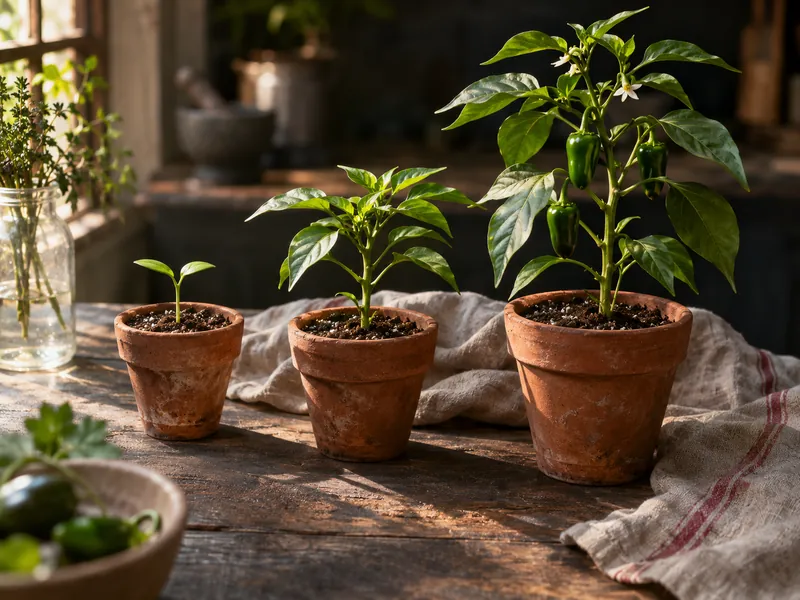
- Start indoors sow seeds inside under grow lights
- Transplant move seedlings outdoors after the last frost
- Harvest begins pick ripe peppers from this date on
Saved gardens
How dates are calculated
- Start indoors Last frost − 8 to 12 weeks
- Transplant Last frost date
- First harvest Transplant + 65 to 135 days
Start indoors
The timeline counts backward from the last frost date by each variety's stored indoor-start weeks. University of New Hampshire Extension and University of Minnesota Extension both use about eight weeks. This tool uses 8 weeks for annuum varieties, 10 for habanero and Scotch bonnet, and 12 for Carolina Reaper and ghost pepper, as a planning buffer rather than a figure tested in those publications.
Transplant window
The tool sets transplanting on the last frost date. University of Minnesota Extension says to transplant after nighttime lows are above 50°F, and UNH Extension gives the same 50°F threshold, so in a cold spring the real date can come later.
Weather changes dates
Use the plan as a starting point and follow local forecasts. Oregon State Extension says the first peppers should be ready eight to 10 weeks after transplanting, and that cool days and nights can add 15 to 20 days. The calculator applies each variety's stored days-to-harvest value instead.
When to Start Pepper Seeds
- 8 weeksindoors before the last frost
- 80-90°Fheat mat until seedlings emerge
- 1-2 weeksto harden off outdoors
University of New Hampshire Extension says to start peppers indoors eight weeks before the last frost, a couple of weeks before tomatoes. University of Minnesota Extension, reviewed in 2026, says about eight weeks before planting outside. This calculator uses 8 weeks for most annuum varieties, 10 for habanero and Scotch bonnet, and 12 for Carolina Reaper and ghost pepper. The longer chinense starts are a planning buffer in the tool, not a figure tested in those publications.
University of Minnesota Extension says to use a heating mat to keep the seed flat at 80°F to 90°F until seedlings emerge, and that a soil temperature of 70°F is ideal, with warm soil better than cool. UNH Extension says peppers germinate best if the potting media is kept at 85 to 90°F. The calculator does not change start dates by germination speed.
University of Minnesota Extension says to put plants outside with wind protection and a couple of hours of sunlight, then gradually expose them to more sunlight over the next week or two, bringing them indoors if night temperatures drop below 55°F. It says to transplant outdoors after nighttime lows are above 50°F, a threshold UNH Extension also gives.
Pepper Growing Stages
Peppers grow through a series of stages from seed to ripe fruit. Timing varies by variety and conditions, so the notes below come from extension publications and are listed under Sources.
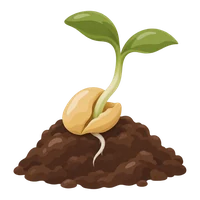 1GerminationUntil emergence
Seeds sprout and the first roots form. Keep the mix moist and warm: University of Minnesota Extension uses a heat mat at 80°F to 90°F until seedlings emerge, and UNH Extension keeps the potting media at 85 to 90°F.
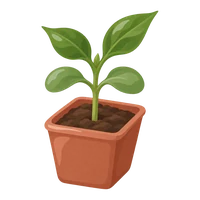 2SeedlingUnder bright light
First true leaves appear. University of Minnesota Extension says to give bright overhead light so stems do not elongate and lean over, and to thin or transplant seedlings so they stand two to three inches apart. UNH Extension also grows young plants under a bright light until they go into the garden.
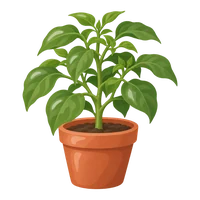 3Vegetative growthUntil transplant
Leaf and stem growth continues indoors until the transplant window. Harden plants off first: University of Minnesota Extension starts with wind protection and a couple of hours of sun, then adds sun over a week or two. Set them out once nights stay above 50°F.
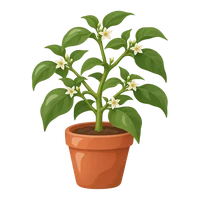 4FloweringVaries by variety
White flowers appear on the plant. University of Minnesota Extension says plants may start to flower while still indoors, and to pinch off the clusters of flower buds until just before you set the plants out.
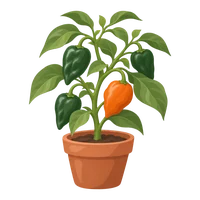 5Fruiting & ripening8-10 weeks
Oregon State Extension (EC 1227, revised May 2023) says the first peppers should be ready eight to 10 weeks after transplanting. It also says fruit takes at least 45 to 55 days after pollination in good conditions, and an extra 15 to 20 days where days and nights stay cool. This calculator's days-to-harvest figures are stored planning values for each variety, not those extension ranges.
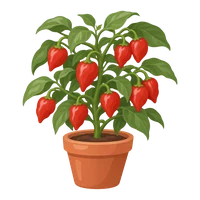 6Harvest seasonOngoing
University of Minnesota Extension says to harvest most peppers by clipping the stem with sharp shears, and that as you continue to harvest, the plants continue to produce flowers and set more fruit. Oregon State Extension also says yields will be greater if peppers are picked as they mature.
This week's checklist
Check soil warmth
University of Minnesota Extension keeps the seed flat at 80°F to 90°F with a heating mat until seedlings emerge, and notes the mix dries out faster on a mat.
Label varieties
Record cultivar and sowing date before seedlings emerge.
Watch the forecast
University of Minnesota Extension and UNH Extension both wait until nighttime lows stay above 50°F before transplanting.
Frequently Asked Questions
When should I start pepper seeds indoors?
University of New Hampshire Extension says to start peppers indoors eight weeks before the last frost. University of Minnesota Extension says about eight weeks before planting outside. This calculator uses 8-week starts for most annuum varieties, and 10 or 12 weeks for some chinense varieties as a planning buffer, not as a tested extension rule.
Can I grow peppers indoors year-round?
Oregon State Extension says peppers grow well in containers, and that they can be grown as perennials in greenhouses if its preferred temperatures hold: 70°F to 80°F by day and 60°F to 70°F at night. University of Minnesota Extension and UNH Extension both call for bright light while seedlings are indoors. None of these pages gives a daily grow-light schedule, so this calculator plans outdoor seasons from the last frost date.
What's the best soil temperature for germination?
University of Minnesota Extension says to keep the seed flat at 80°F to 90°F with a heat mat until seedlings emerge, and that a soil temperature of 70°F is ideal, with warm soil better than cool. UNH Extension says peppers germinate best if the potting media is kept at 85 to 90°F.
How do I find my USDA growing zone?
This calculator does not look up frost dates by ZIP. Enter the last spring frost date for your garden in the date field. The USDA Plant Hardiness Zone Map shows your zone when you enter a ZIP code, but it is based on the average annual extreme minimum winter temperature, so a zone is not a last spring frost date.
Sources
- University of Minnesota Extension, Growing peppers, reviewed 2026.
- University of New Hampshire Extension, What is the best way to start growing my own hot peppers?, 13 March 2019.
- Oregon State University Extension, EC 1227, Grow your own peppers, revised May 2023.
- USDA Agricultural Research Service, 2023 USDA Plant Hardiness Zone Map.
More Growing Resources
Embed this planting calculator on your site
