
The Pepper Encyclopedia: Heat Data, Comparisons, and Guides
Scoville ratings, flavor profiles, growing guides, and side-by-side comparisons — compiled from public databases, specialist references, and editorial analysis.
Start here
What you'll find here
Five ways into the database — pick the question you came with.
Browse by heat
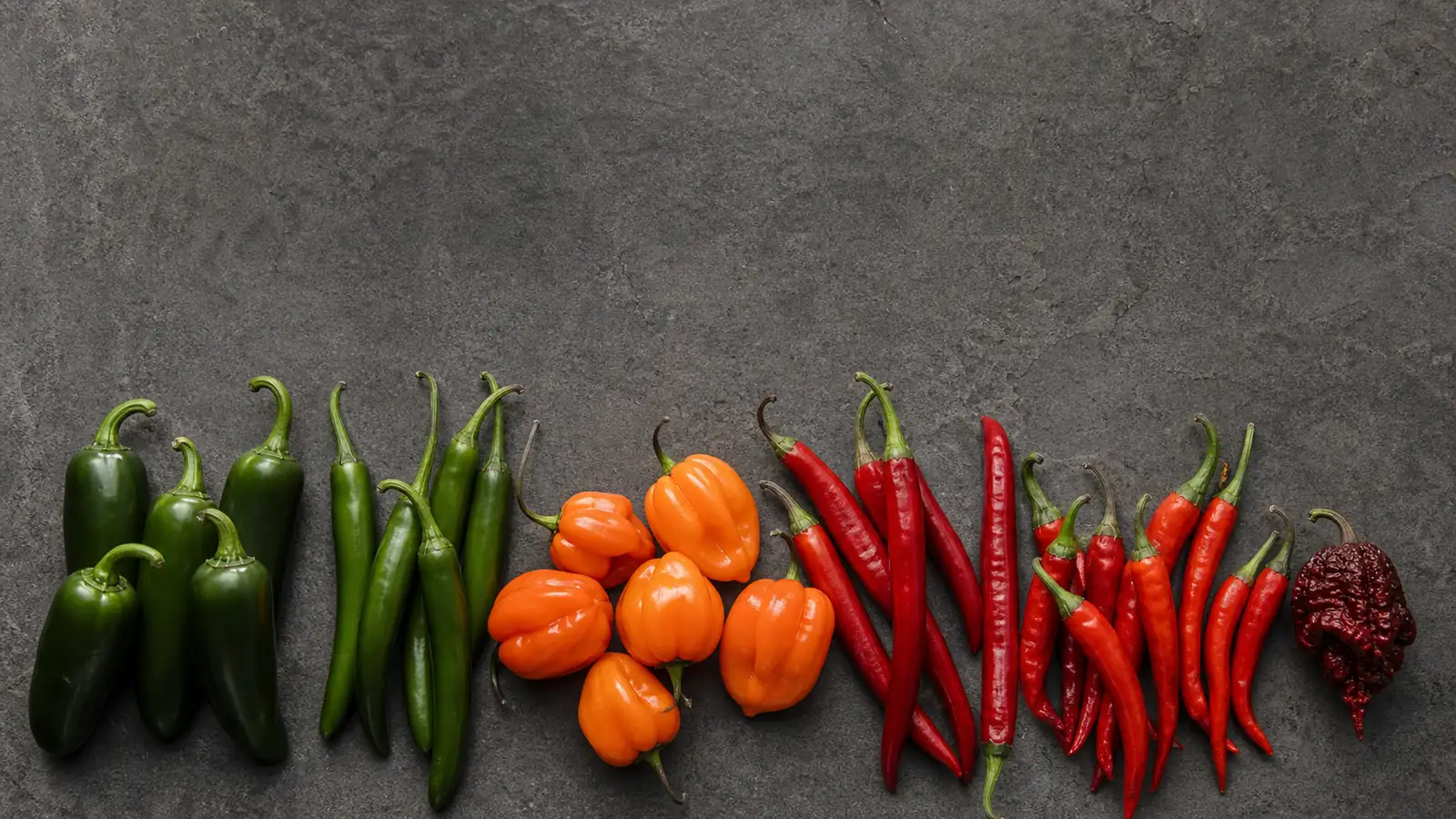
The Scoville Heat Scale
From sweet bell peppers to world-record reapers — find your heat level.
The collection
Featured Peppers
From our database — the most searched and referenced varieties.
 Featured
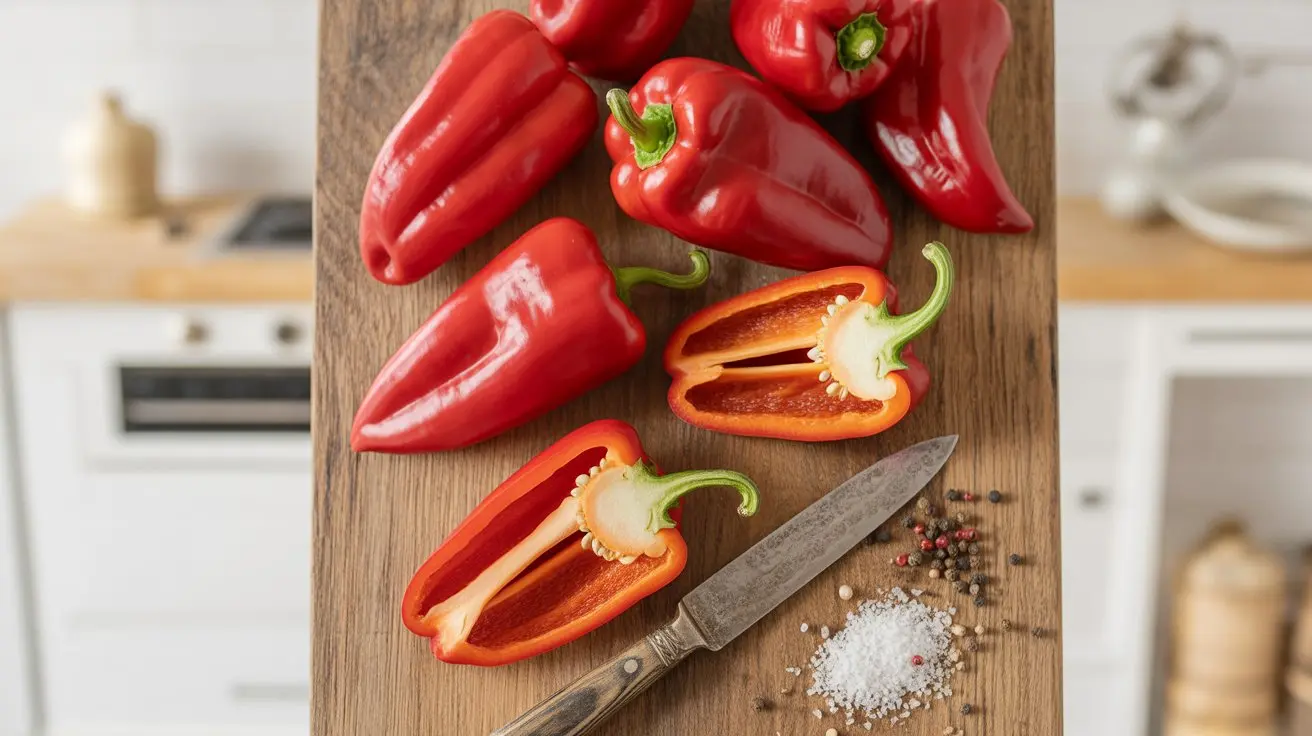
Pepper X
2.7M - 2.7M SHU
At 2,693,000 SHU, Pepper X is the Guinness World Records holder for the world's hottest chilli pepper. Guinness reported the average from Winthrop University testing of specimens…
 Featured
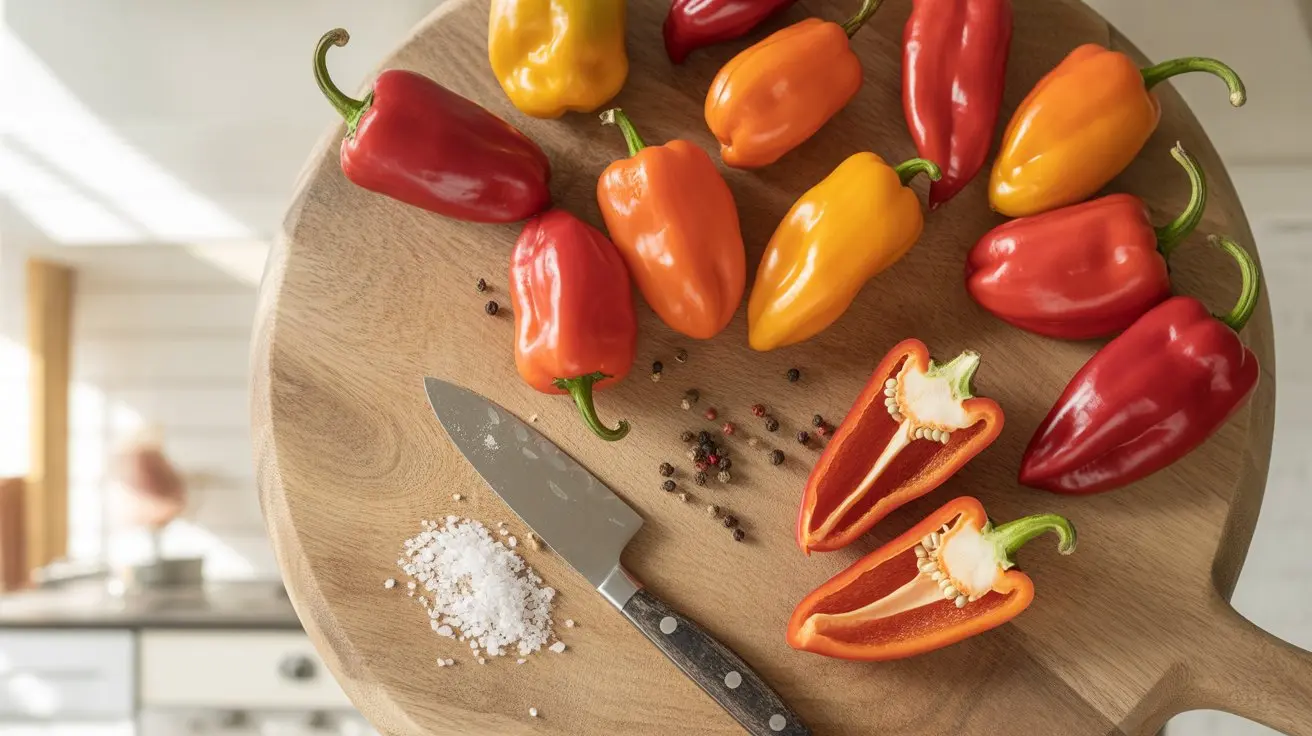
Dragon's Breath
2.5M - 2.5M SHU
Dragon's Breath came out of an unlikely collaboration between a Welsh farmer, Mike Smith…
 Featured
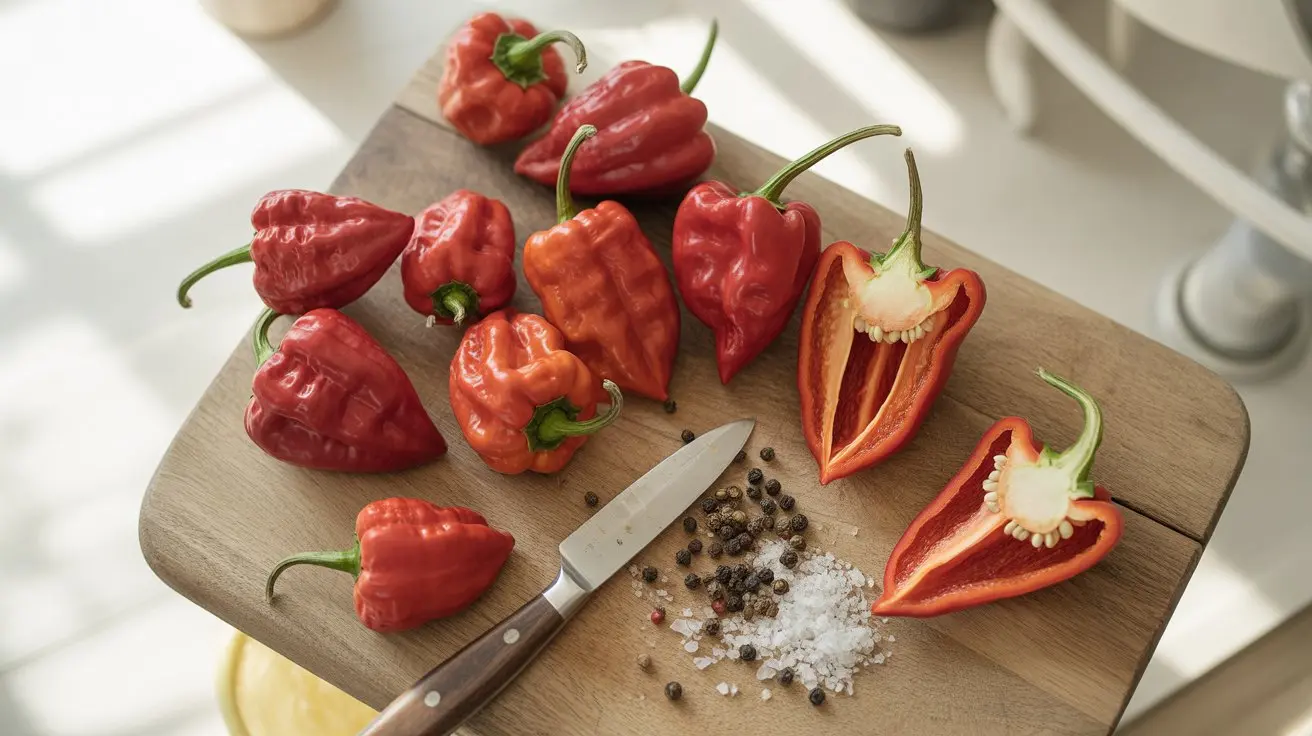
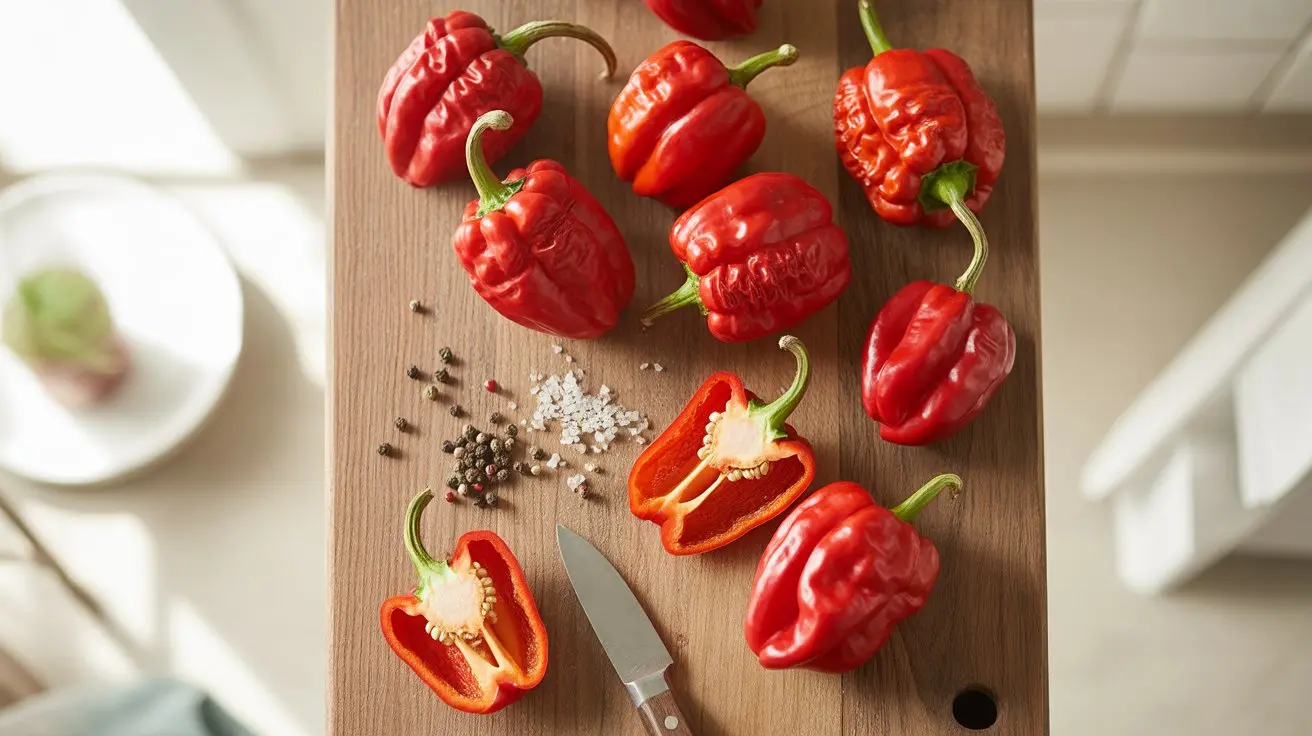
Carolina Reaper
1.4M - 2.2M SHU
A true Carolina Reaper typically has a deeply wrinkled red pod, broad shoulders, and a…
 Featured
Trinidad Moruga Scorpion
1.2M - 2M SHU
The Trinidad Moruga Scorpion's super-hot intensity range sits between 1.2 million and…
 Featured
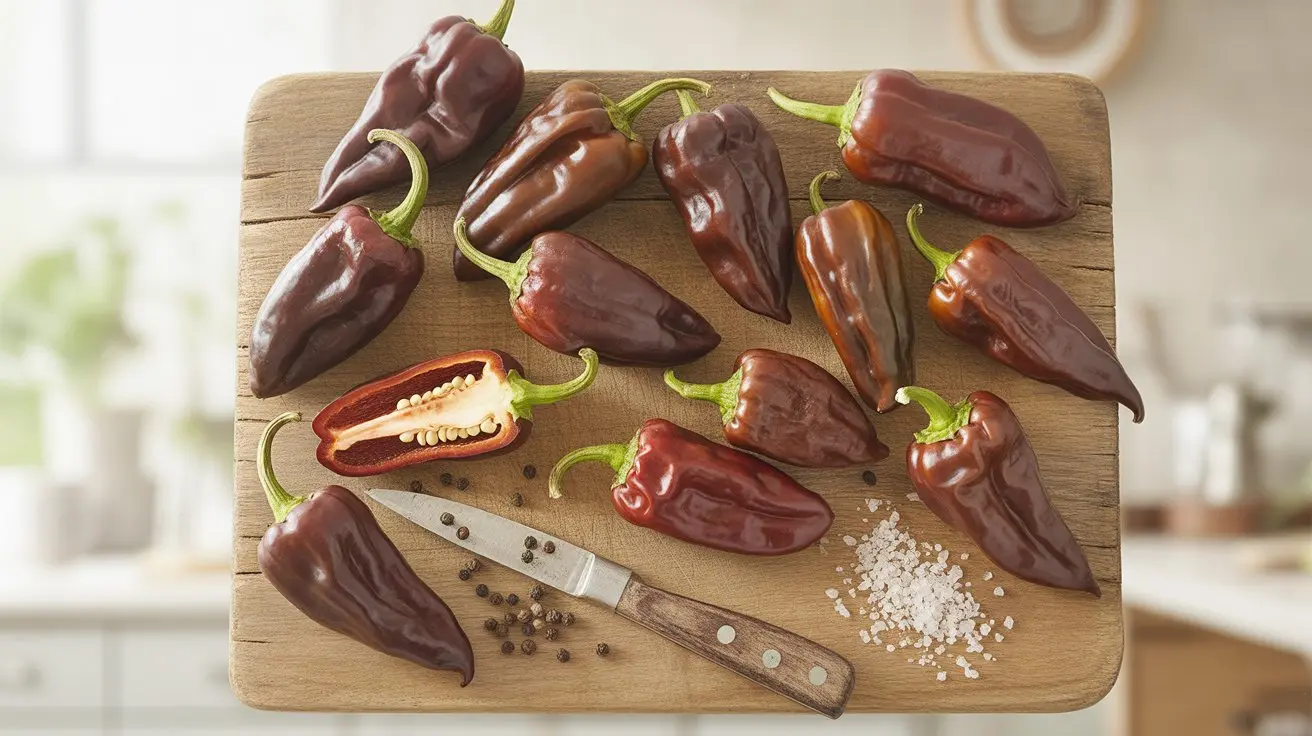
Chocolate Bhutlah
1M - 2M SHU
Chocolate Bhutlah is a brown-fruited superhot Capsicum chinense cultivar sold with a…
Head to head
Popular Comparisons
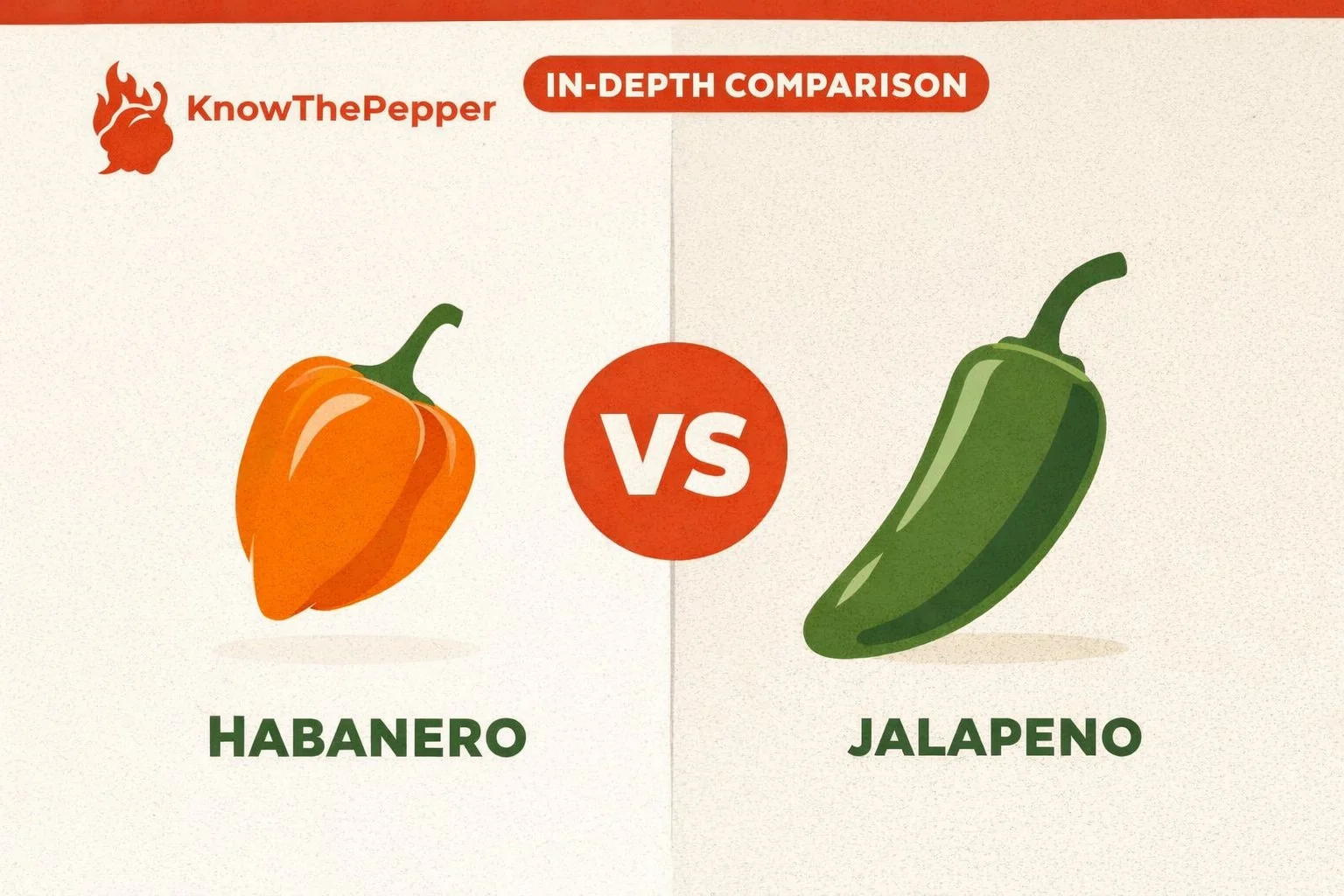
Habanero×Jalapeno: Roughly 40x the Heat
The real split is not only heat. Habanero brings 100,000-350,000 SHU plus fruit and citrus. Jalapeno stays at…
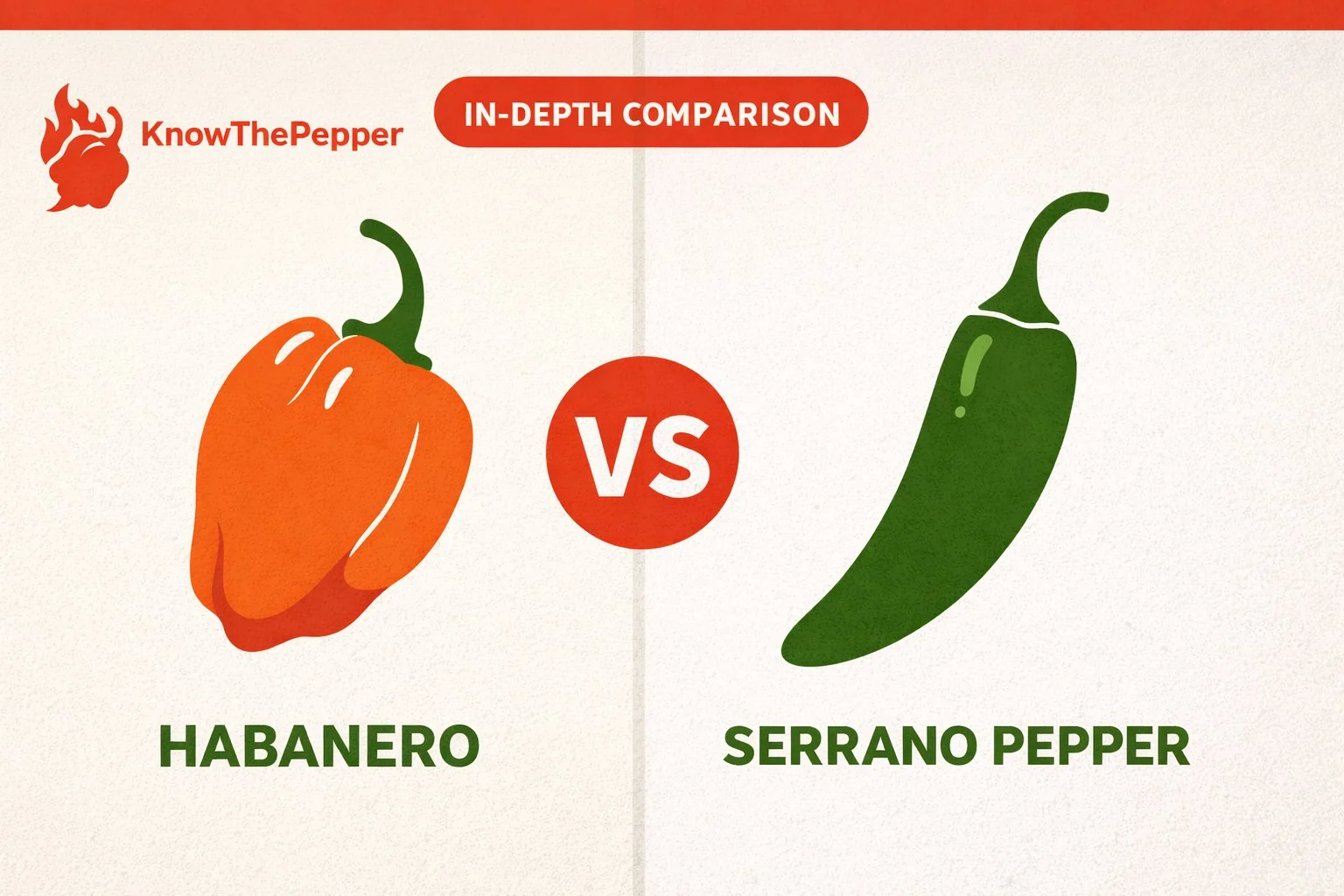
Habanero×Serrano: Salsa Heat or Fresh Crunch
Habanero is the fruit-forward extra-hot choice for mango salsa, Yucatan-style sauces, and small-dose hot…
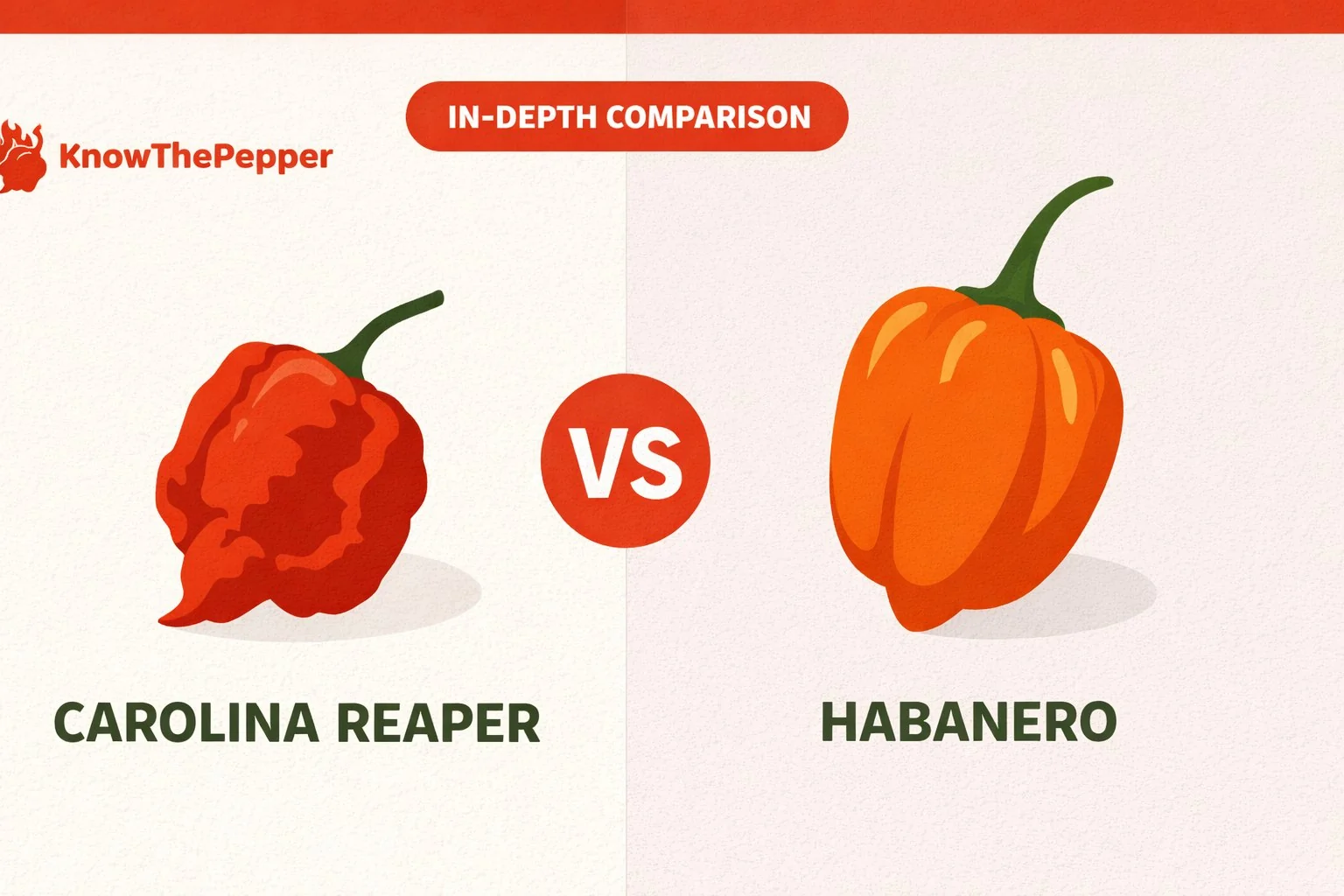
Carolina Reaper×Habanero: A 10x Heat Leap
The Carolina Reaper and habanero share the same species and a fruity flavor base, but they sit in completely…
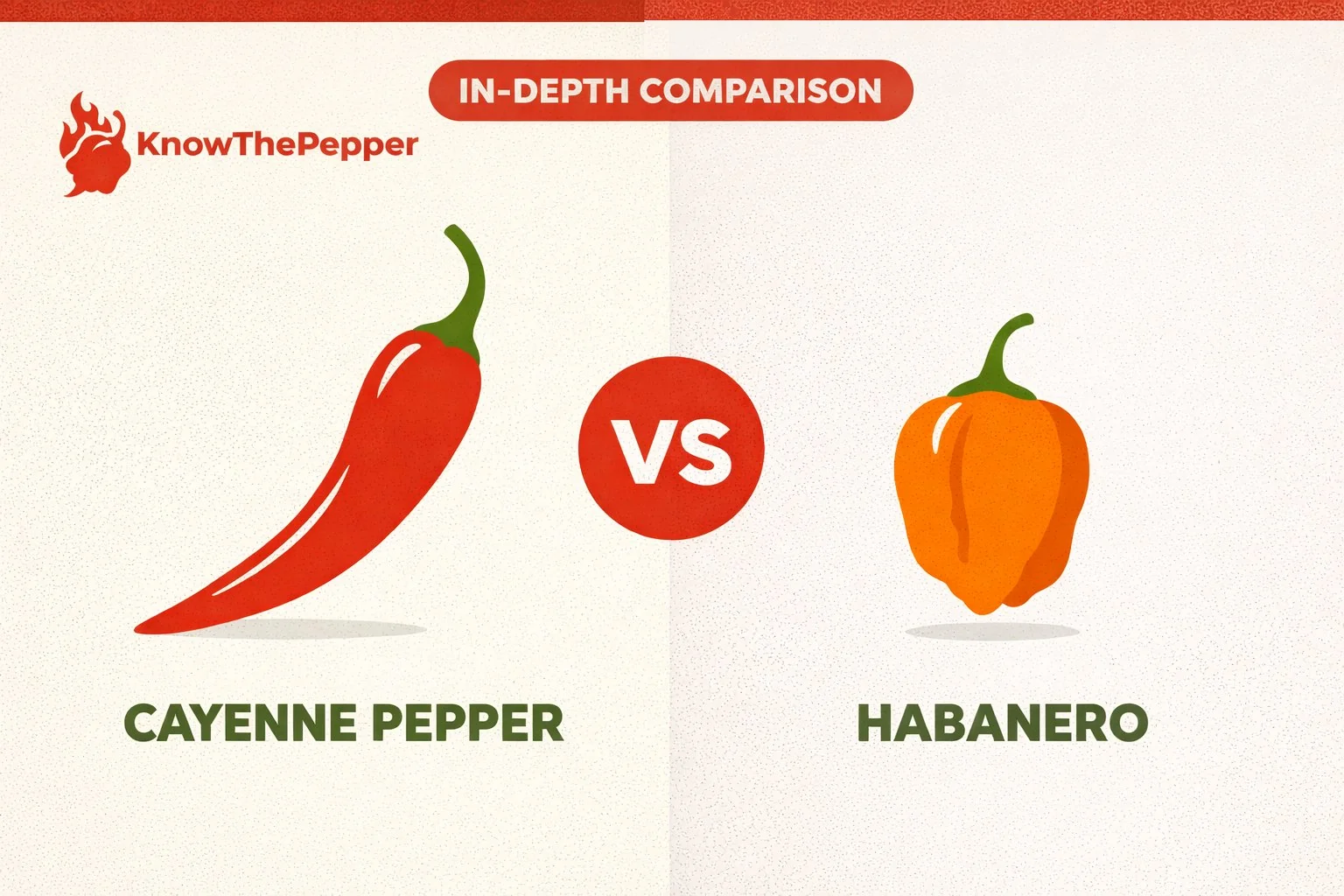
Cayenne×Habanero: Which Pepper Belongs in Your Dish?
Cayenne is the better choice for measured background heat, especially as powder. Habanero is much hotter and…
Interactive
Pepper Tools
Free calculators and reference tools — for growers, cooks, and hot sauce makers.
Learn
Pepper Guides
Reference guides built from source material, pepper data, and editorial review.
 →
Essential guide
How the Scoville Scale Measures Pepper Heat, From Taste Panels to HPLC
→
Essential guide
How the Scoville Scale Measures Pepper Heat, From Taste Panels to HPLC
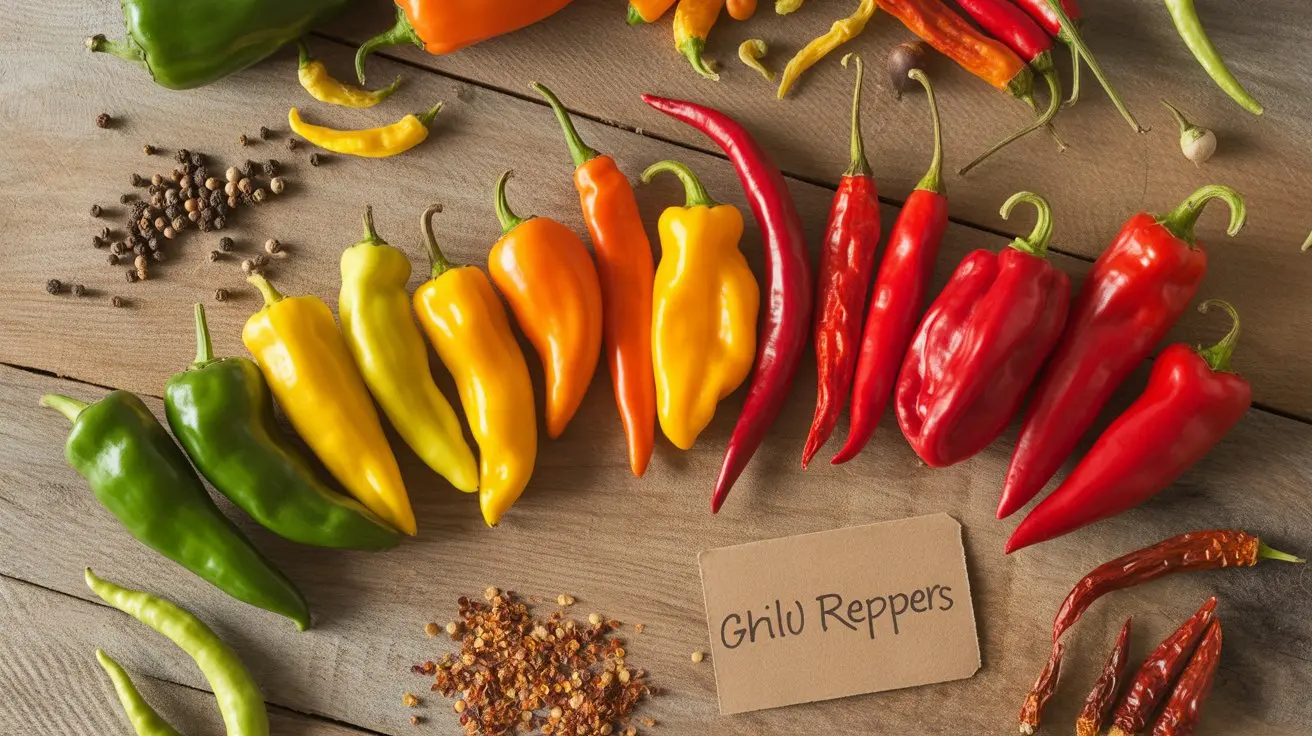
The Scoville scale measures capsaicinoid concentration as Scoville Heat Units, or SHU. Modern labs use HPLC rather than taste panels, so use the numbers as a heat range guide, not a promise of how every pepper or hot sauce will feel.
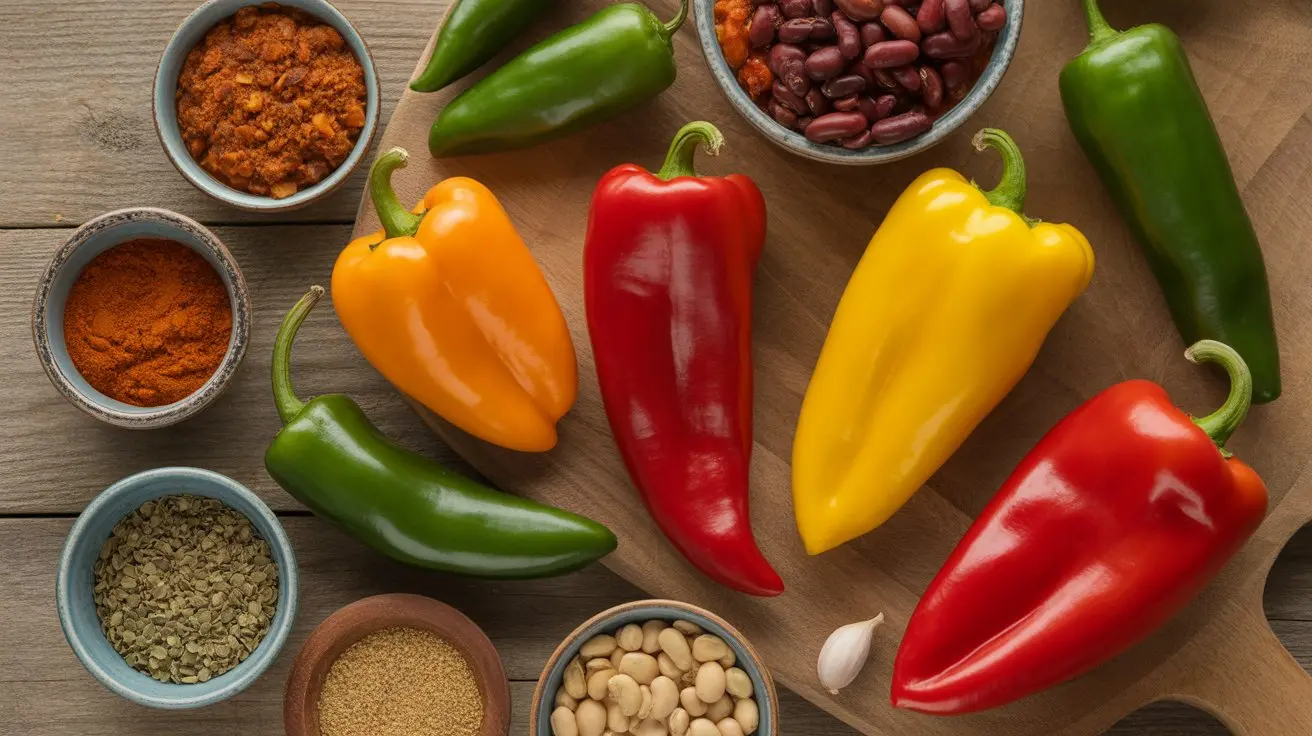 Best Peppers for Chili: Build a Dried Chile Base, Then Add the Heat
The best peppers for chili usually combine dried depth with controlled heat. Use ancho for sweet body, guajillo for bright red fruit, pasilla or mulato for darker notes, chipotle for smoke, and cayenne or chile de arbol when the pot needs a sharper burn.
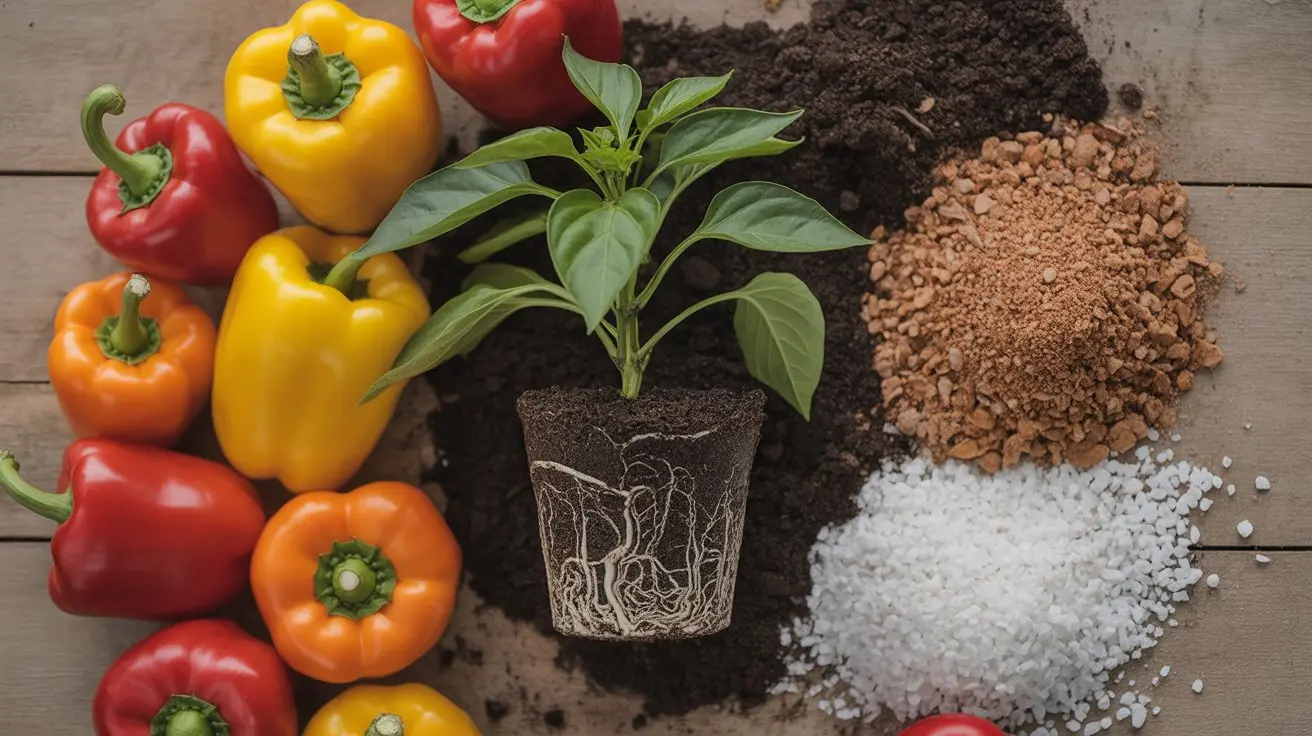 What Is the Best Soil for Pepper Plants in Pots and Beds?
Pepper soil needs drainage first, then steady nutrition and a slightly acidic pH around 6.0-6.8. Use lighter mixes for containers, compost-rich but not soggy raised beds, and avoid heavy clay that holds water around roots.
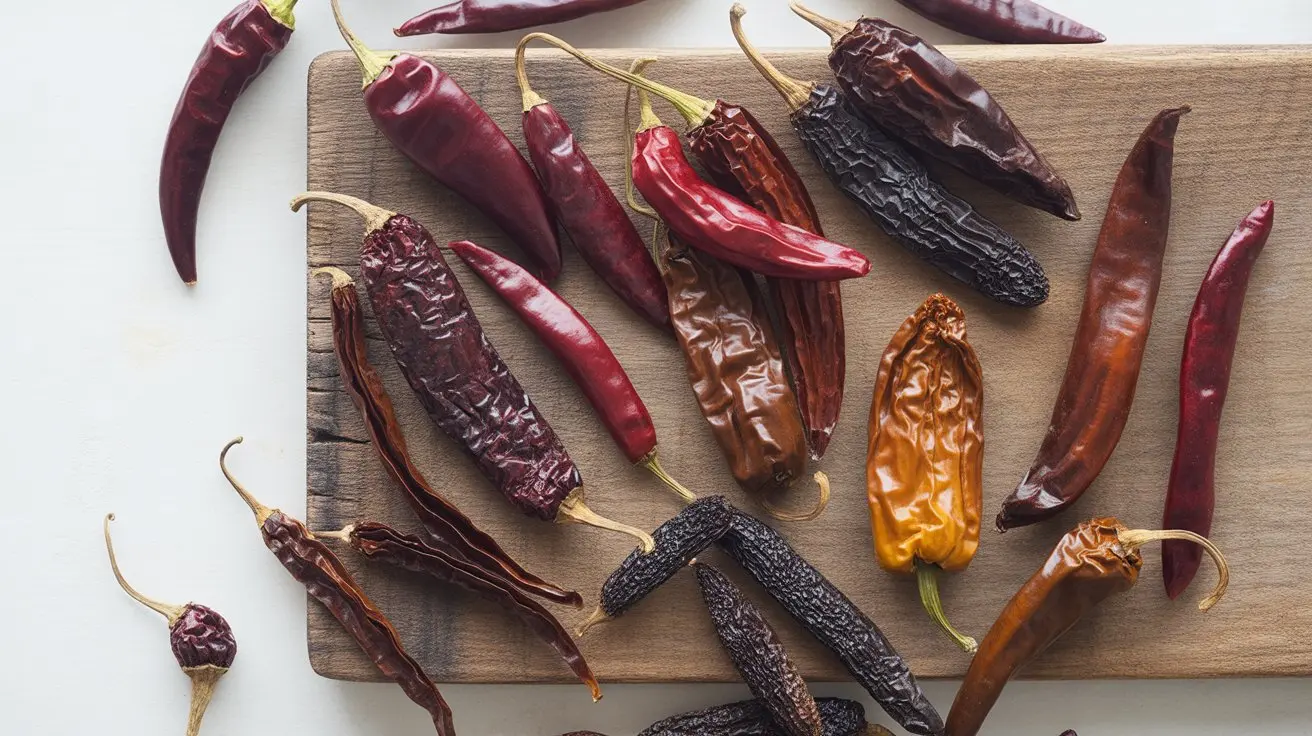 Dried Mexican Chiles by Flavor and Heat, From Sweet Ancho to Chile de Arbol
Dried Mexican chiles are easiest to understand by fresh name, dried name, flavor, and heat. Ancho brings sweet raisin body, guajillo adds bright red fruit, pasilla is darker and earthy, while morita, cascabel, mulato, and arbol fill different sauce jobs.
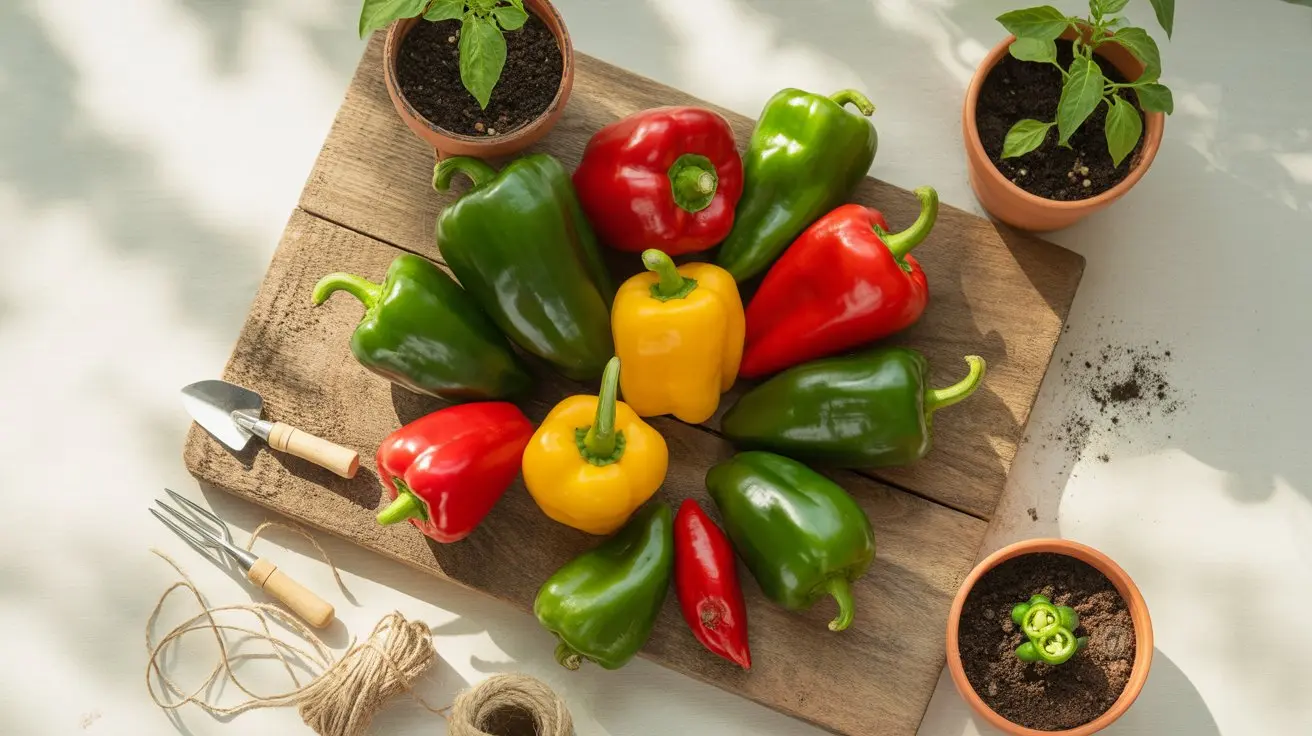 Easiest Peppers to Grow for Beginners, From Banana Peppers to Cayenne
The easiest peppers for beginners tolerate temperature swings, common watering mistakes, and ordinary garden soil better than fussy varieties. Start with reliable producers that mature quickly and keep setting fruit.
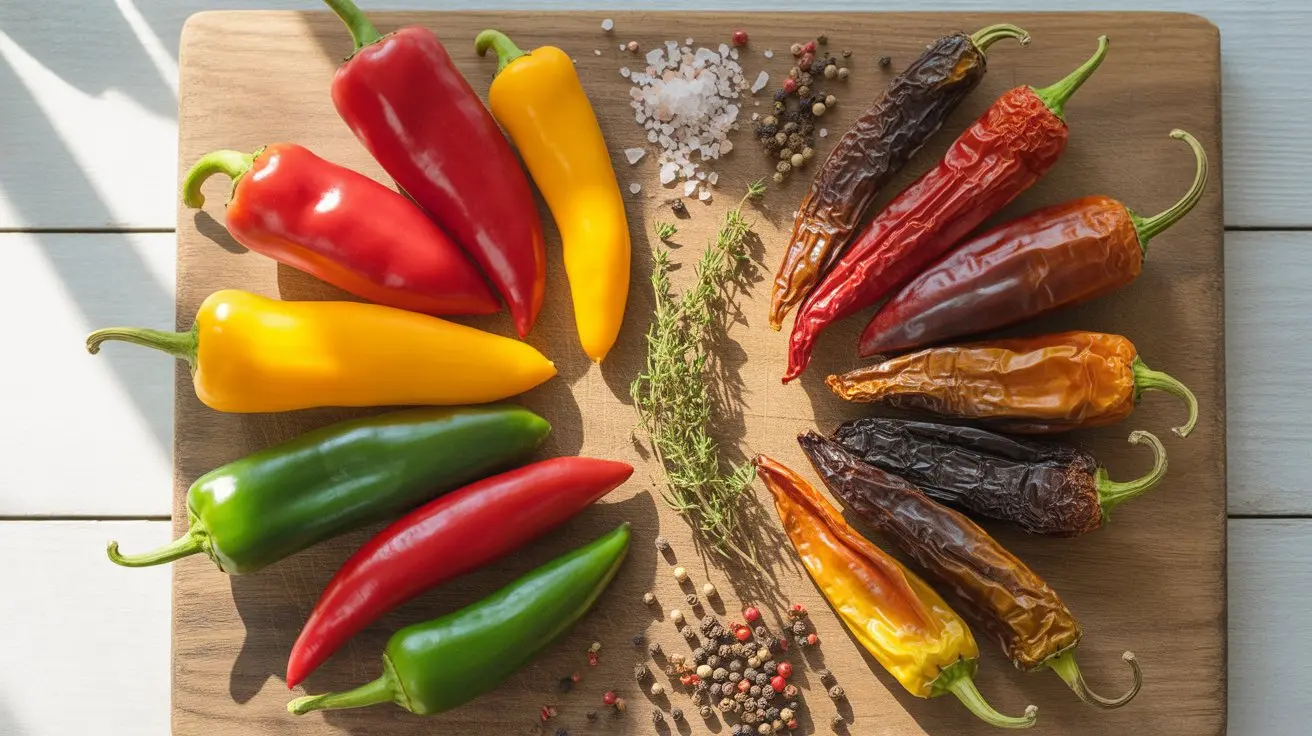 Fresh vs Dried Peppers: How Flavor and Heat Change
Drying peppers removes water and concentrates sugars, acids, capsaicin, and deeper roasted flavors. The guide explains name changes, heat perception, substitution ratios, and when fresh or dried peppers fit a dish better.
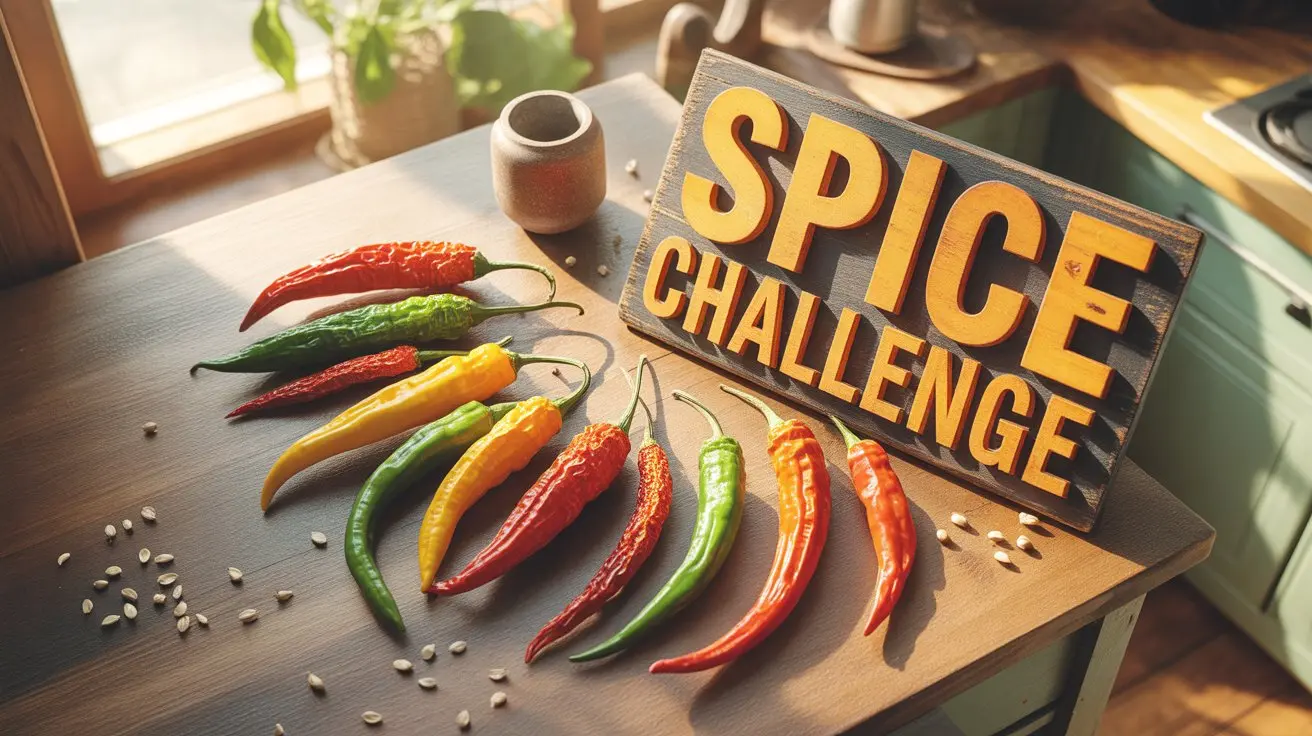 Hottest Peppers in the World, Ranked: Guinness Records vs. Grower Claims
Pepper X holds the Guinness record at an average of 2,693,000 SHU, certified in 2023 from Winthrop University testing. Below it the published rankings mix certified records with grower claims, so the useful question about any figure is which laboratory produced it and across how many fruits.
About us
We document peppers with sources, caveats, and practical context.
KnowThePepper compiles pepper information from published research, public databases, specialist references, and editorial analysis. Source quality varies by cultivar, so uncertain or disputed information is labeled where relevant.
Our methods & sources →Source notes
Heat, species, origin, and food-safety claims are tied to source material where available.
Cultivar caveats
When public records disagree or are thin, the page should say so instead of presenting certainty.
Practical guidance
Cooking and substitution notes are framed as guidance unless a page has a specific test record.
Ongoing review
Readers can send better sources or corrections, and we update pages when the evidence supports a change.
Get in touch
Spotted an error, or have a pepper to suggest?
We update profiles when readers send better sources, corrections, or varieties we've missed. Tell us what you'd like to see.
Contact the team →