

KnowThePepper
Ramiro Pepper: Shaped Like a Hot Chili, but Sweet and Only 0–500 SHU
The Ramiro pepper is a Spanish sweet pepper with an elongated, tapered shape and an exceptionally rich flavor that outpaces most supermarket sweet peppers. Registering just 0-500 SHU, it sits firmly in the mild pepper bracket and delivers thick, juicy flesh with a naturally sweet, almost fruity character that shines whether eaten raw, roasted, or stuffed.
- Species: C. annuum
- Heat tier: Mild (0-999 SHU)
What Is Ramiro Pepper?
At first glance, the Ramiro looks like a pepper that should be hot, that long, pointed shape reads as fiery to most people. It is not.
This is one of the sweetest peppers you can grow or buy, and the flavor depth is what sets it apart from a standard bell.
The flesh is notably thick and firm, with very few seeds concentrated near the stem. Bite into a raw Ramiro and there is a crunch followed by sweetness that intensifies as you chew, no heat, no bitterness, just a clean, slightly fruity finish.
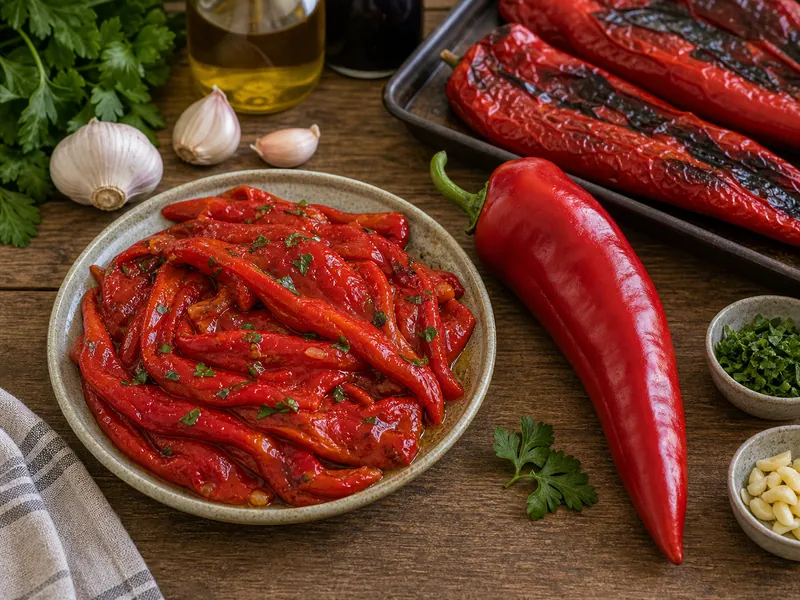
Roasted, the sugars caramelize and the flavor becomes almost jammy.
As a C. annuum pepper species variety, the Ramiro shares botanical lineage with bells, jalapeños, and paprikas, but its flavor profile skews toward the sweeter end of that family. The walls are thicker than most elongated peppers, making it ideal for stuffing without the flesh collapsing during cooking.
Colors progress from pale yellow-green at immaturity through orange to a deep red at full ripeness. Each stage offers slightly different flavor, the red stage is the sweetest and most concentrated.
For raw applications, orange-stage Ramiros offer a nice balance of brightness and sweetness.
At 0-500 SHU, the Ramiro sits alongside Alma Paprika and Trinidad Perfume in the mildest tier of the pepper world.
What Is the History of Ramiro Pepper?
The Ramiro pepper originates from Spain, where it was developed as a commercial sweet pepper variety for European markets. Unlike many heirloom peppers with centuries of folk cultivation behind them, the Ramiro is a relatively modern cultivar bred specifically for its thick flesh, sweet flavor, and consistent elongated shape.
Spanish pepper cultivation has deep roots in the broader European pepper tradition, with regions like Murcia and Andalusia producing some of the continent's most prized sweet varieties. The Ramiro emerged from this tradition and gained significant traction in UK and northern European supermarkets during the 1990s and 2000s, where it was marketed as a premium sweet pepper alternative.
Today it appears regularly in Spanish tapas bars and home kitchens across Europe, often simply grilled with olive oil and sea salt.
How Hot Is Ramiro Pepper, and What Does It Taste Like?
The Ramiro Pepper delivers 0–500 Scoville Heat Units, placing it in the Mild tier (0-999 SHU).
Flavor notes: sweet and mild.
What Nutrients Does Ramiro Pepper Provide?
Like most sweet peppers, the Ramiro is low in calories and high in vitamin C - a single red Ramiro can provide well over 100% of the daily recommended intake. Red-stage fruits contain significantly more vitamin C and beta-carotene than green or orange-stage ones.
The mild heat tier means there is essentially no capsaicin present, so none of the metabolic effects associated with capsaicin apply here. What you get instead is a clean source of antioxidants, vitamin A precursors, and dietary fiber with minimal calories, roughly 30-35 calories per 100g of fresh pepper.
How Do You Cook With Ramiro Pepper?
Roasting is where the Ramiro truly earns its reputation. Char the skin directly over a gas flame or under a broiler, peel it, and what remains is a silky, intensely sweet pepper that needs nothing beyond good olive oil and salt.
Spanish cooks have understood this for decades.
For stuffing, the Ramiro's shape is almost purpose-built, the tapered cavity holds fillings neatly, and the thick walls hold up through oven time without turning mushy. Rice and herb stuffings, goat cheese with herbs, or ground meat mixtures all work well.
Compare this to Cherry Pepper and you get a sense of how differently the Ramiro functions in the kitchen.
Raw in salads or on charcuterie boards, sliced Ramiros add sweetness and color without any heat interference, useful when feeding people who are sensitive to spice. The flavor pairs naturally with aged cheeses, cured meats, and fresh herbs like basil and thyme.
Pickling is another strong option. The thick walls hold their texture in brine far better than thinner-walled peppers.
If you have experience with making pickled jalapeños, the same basic brine works beautifully here, the result is a sweet, tangy pickled pepper with none of the heat.
Red-stage Ramiros are worth seeking out specifically for roasting and sauces. Orange ones are better for raw preparations.
How Do You Buy and Store Ramiro Pepper?
Ramiro peppers appear in specialty grocery stores and farmers markets, often labeled simply as "sweet pointed peppers" or "Spanish sweet peppers." Look for firm flesh with no soft spots or wrinkling, the skin should be taut and glossy.
Refrigerate unwashed in the crisper drawer. They hold well for 1-2 weeks.
Once cut, use within 2-3 days.
Roasted and peeled Ramiros can be stored in olive oil in the refrigerator for up to a week, or frozen for several months. Red-stage fruits have the best flavor but are less commonly stocked, orange is the most typical market stage.
Which Peppers Can Replace Ramiro Pepper?
No dedicated substitute guidance is published for Ramiro Pepper yet.
How Do You Grow Ramiro Pepper at Home?
The Ramiro grows much like other elongated sweet peppers, it needs warmth, consistent moisture, and patience. Start seeds indoors 8-10 weeks before your last frost date.
Germination is reliable at soil temperatures around 75-80°F.
Transplanting outdoors should wait until nighttime temperatures stay reliably above 55°F. Cold soil stunts growth significantly, and Ramiro plants that get a cold shock early in the season are slow to recover.
Space plants 18-24 inches apart in full sun.
The plants grow moderately tall, typically reaching 24-36 inches, and benefit from staking once fruit sets. The elongated fruits are heavier than they look, and a loaded branch can snap in wind without support.
This is similar to Corno di Toro, another elongated sweet pepper that requires the same staking attention.
For those interested in the broader C. annuum cultivation approach, Ramiro fits comfortably within standard sweet pepper protocols, consistent watering, moderate fertilization, and good airflow to prevent fungal issues.
Fruits reach full red maturity in approximately 75-85 days from transplant. Harvesting at the orange stage is fine and encourages the plant to set more fruit.
Leaving fruits to full red reduces overall yield but maximizes sweetness.
Container growing works, but use at least a 5-gallon pot per plant.
Ramiro Pepper FAQ


- Varieties & Plant Breeding - Chile Pepper Institute, NMSU
- USDA FoodData Central - Sweet Peppers
- Peppers - UC Small and Organic Farm Advisor, UC ANR
- Royal Horticultural Society - Growing Peppers
Species classification: C. annuum - based on published botanical taxonomy.