

KnowThePepper
Beaver Dam Pepper: The Mild Hungarian Heirloom Tied to Wisconsin
Beaver Dam pepper is a mild Hungarian heirloom tied to Beaver Dam, Wisconsin. Most seed and specialty sources place it at 500-1,000 SHU, closer to a slightly spicy ripe bell pepper than to a jalapeno.
Its long goat horn-shaped pods ripen from lime-green to red and are best used fresh, stuffed, roasted, or pickled.
- Species: C. annuum
- Heat tier: Medium (1K-10K SHU)
What Is Beaver Dam Pepper Known For?
Beaver Dam pepper is a mild Capsicum annuum heirloom pepper associated with Beaver Dam, Wisconsin and the Hussli family. The practical heat range is 500-1,000 Scoville Heat Units, so it belongs in the mild pepper range, not the much hotter range that sometimes appears in weak summaries.
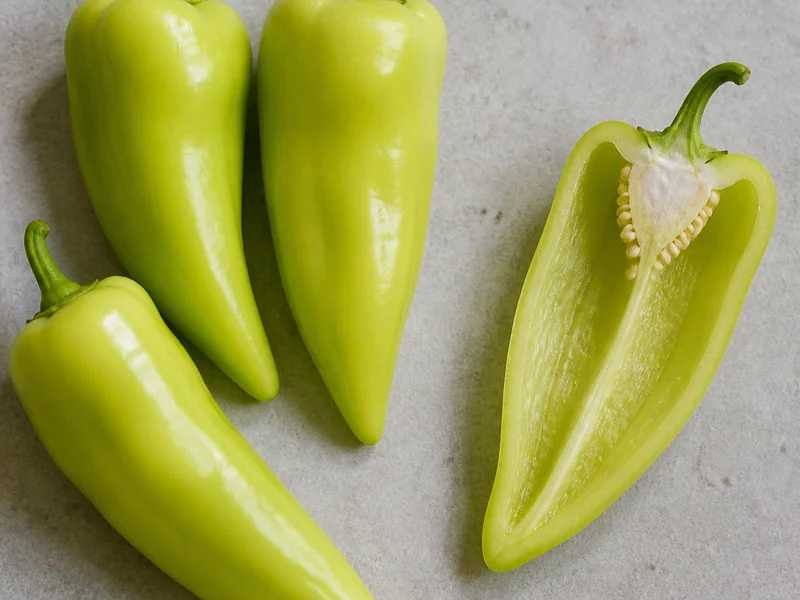
The pod is the giveaway. Beaver Dam is long, tapered, and goat horn-shaped rather than blocky.
Truelove Seeds describes 5-8 inch fruits, while a Slow Food account describes plants producing peppers over nine inches long.
The color starts lime-green and moves through orange-red to a mature red.
Flavor is the reason the variety survived as more than a novelty. It has a sweet first bite, a fruity pepper aroma, and a mild spicy finish.
Think of it as more assertive than a bell pepper but far gentler than a poblano roasting pepper or jalapeno.
This profile covers the pepper itself: identity, heat, flavor, uses, storage, and basic growing context. It does not try to become a Beaver Dam festival page, a seed-saving manual, or a full recipe.
Where Does Beaver Dam Pepper Come From?
The clean history is more specific than the old copy but still needs a note about source conflict. Slow Food Foundation's Ark of Taste says the Joe Hussli family brought this Hungarian heirloom to Beaver Dam, Wisconsin in 1929.
A separate Slow Food story and multiple seed sources place Joe Hussli's arrival with the seeds in 1912.
Both trails agree on the Hungarian immigrant connection and the Beaver Dam, Wisconsin place name. They disagree on the year.
That conflict should stay visible because it affects trust. The defensible wording is that Beaver Dam pepper is a Hungarian heirloom preserved through the Hussli family and associated with Beaver Dam, Wisconsin, with public sources giving 1912 and 1929 as different arrival dates.
Slow Food lists the pepper in the Ark of Taste, which frames it as culturally important and at risk without seed saving and local grower interest. That status explains why Beaver Dam is easier to find as seed than as ordinary grocery produce.
What Does Beaver Dam Pepper Taste Like, and How Hot Is It?
The Beaver Dam Pepper delivers 500–1K Scoville Heat Units, placing it in the Medium tier (1K-10K SHU).
Flavor notes: sweet, fruity, mild warmth.
What's in Beaver Dam Pepper? Nutrition Facts
Beaver Dam should be treated as a mild fresh pepper for nutrition purposes, not as a special medical ingredient. Exact calories and vitamin values vary by pod size, ripeness, and whether the pepper is raw, roasted, pickled, or cooked into a filling, so this profile does not publish a Beaver Dam-specific nutrient table without a matching USDA FoodData Central item.
The heat chemistry is modest. At 500-1,000 SHU, Beaver Dam has enough capsaicin for a mild finish but far less than jalapeno or superhot peppers.
The heat itself comes from capsaicin.
Do not turn a mild heirloom profile into a health-claim page.
Pickled Beaver Dam peppers can carry meaningful sodium from brine, while stuffed versions depend mostly on the filling. The useful editorial advice is serving-context based: fresh or roasted pods add pepper flavor and mild warmth.
Pickled pods add acid and salt.
Stuffed pods inherit the nutrition profile of the filling.
How Do You Use Beaver Dam Pepper in the Kitchen?
Beaver Dam pepper is strongest where its size and mild heat both matter. The long hollow pod makes it a natural fit for stuffed pepper preparations, especially rice, meat, cheese, grain, or bean fillings that need pepper flavor without heavy heat.
For raw use, slice it across sandwiches, salads, salsa fresca, and relish.
The walls are thick enough for crunch but not as blocky as bell pepper strips. Red-ripe pods taste sweeter.
Lime-green pods taste sharper and more grassy.
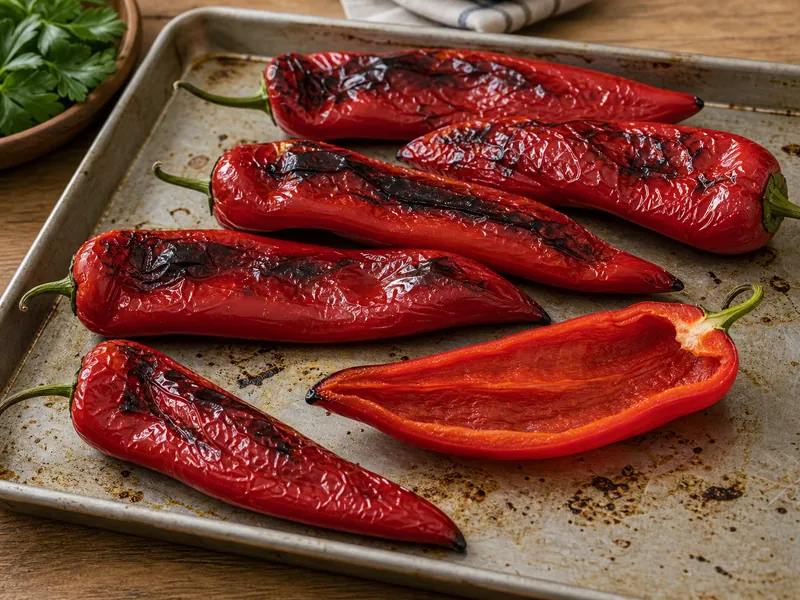
Roasting concentrates the sweetness and softens the walls without turning the pepper bitter. It works on a grill, under a broiler, or in a hot skillet, then can be chopped into eggs, beans, sausages, or roasted vegetable plates.
Pickling also works, but shelf-stable jars need a tested acidified process. Use the peppers for pickling hub for method direction rather than treating any vinegar brine as pantry-safe.
Do not swap by shape alone. Hotter Hungarian wax peppers can look related but run much warmer. Long cowhorn chiles are usually hotter and narrower. Sweet pimento-type peppers are milder and rounder.
How Do You Keep Beaver Dam Pepper Fresh?
Fresh Beaver Dam peppers are uncommon in supermarkets. Look for them at Wisconsin or upper-Midwest farmers markets, specialty growers, CSA boxes, and seed catalogs rather than expecting year-round produce-bin supply.
Choose pods that feel firm and heavy for their length. Lime-green fruit is usable, orange-red fruit is transitional, and fully red fruit is sweeter.
Avoid soft shoulders, wet dark spots, collapsed stems, or wrinkled skin if you want stuffing-quality walls.
Store fresh pods unwashed in the refrigerator crisper and use them within about a week for best texture. If the pods are already red and softening, roast or pickle them sooner instead of waiting for raw crunch.
For freezing, roast or chop first, freeze on a tray, then bag. Thawed Beaver Dam peppers work in cooked dishes but will not return to raw sandwich texture.
For pantry storage, use tested pickling guidance rather than refrigerator brine.
Dried form: Beaver Dam peppers are usually eaten fresh, roasted, stuffed, or pickled. Hungarian-style drying and powdering is possible, but there is no standard dried market name for Beaver Dam pepper.
| Stage | What it is like | What it is for |
|---|---|---|
| Lime green | Firm, mildest, the crispest wall | Stuffing, and raw across sandwiches, salads and salsa fresca |
| Orange-red | Transitional, sweetening, still firm | Roasting and pickling, where a little sweetness helps |
| Full red | Sweetest, softest wall | Relish, and anywhere the sweetness is the point rather than the crunch |
What Is a Good Substitute for Beaver Dam Pepper?
No dedicated substitute guidance is published for Beaver Dam Pepper yet.
How Do You Grow Beaver Dam Peppers?
Grow Beaver Dam like a warm-season C. annuum pepper, with enough time for long pods to size up. Slow Food Ark lists first mature fruits around 80 days after transplanting, and Truelove Seeds lists 70-80 days to maturity.
Start seed indoors before the outdoor season and transplant only after frost risk has passed.
For a general workflow, use the seed-starting workflow for peppers. Beaver Dam can produce heavily, so staking helps if the plant sets many long pods.
Consistent water reduces stress and helps fruit walls stay usable for stuffing and roasting.
The variety is open-pollinated, so seed saving is possible, but do not treat it casually if other C. annuum peppers are nearby. Truelove notes isolation practices for peppers because flying insects can cross varieties.
If you want reliable saved seed, separate varieties and keep records.
For practical plant problems, use the pepper pests and diseases guide instead of diagnosing from the cultivar name alone. Beaver Dam can still face the ordinary pepper issues: aphids, mites, sunscald, blossom-end rot, bacterial spots, and root stress.
Beaver Dam Pepper FAQ


- Slow Food Foundation Ark of Taste - Beaver Dam Pepper
- Slow Food - Beaver Dam Pepper history
- Truelove Seeds - Beaver Dam Pepper
- High Desert Seed - Beaver Dam Pepper
- University of Minnesota Extension - Growing peppers in home gardens
Species classification: C. annuum - based on published botanical taxonomy.