

KnowThePepper
Holy Mole Pepper: A 700 SHU Pasilla-Type Hybrid Bred for Mole
The Holy Mole is the first hybrid pasilla-type pepper, an All-America Selections winner from 2007 bred by Seminis to carry mole flavor without heat. AAS lists it at 700 Scoville units, with pods ripening green to dark chocolate brown over 110 days from transplant.
- Species: Capsicum annuum
- Heat tier: Mild (0-999 SHU)
What Is Holy Mole Pepper?
All-America Selections calls Holy Mole the first hybrid pasilla-type pepper, and that classification is the key to the whole variety. Pasilla is the dried form of the chilaca, and it is the backbone chile of mole negro.
So this is a pasilla bred to be mild, not a poblano relative.
AAS lists its pungency at 700 Scoville units and its flavor as nutty, tangy and mildly spicy. That puts it in the mild heat band, below the Pasilla Pepper it was bred to stand in for.
Pods run 7 to 9 inches long and about an inch and a half wide, at 1.5 to 2 ounces apiece. They start green and finish dark chocolate brown if left on the plant.
That brown is the signal, not a stage to rush past. It marks the point where the earthy notes the pepper exists for are fully developed.
Fresh pods have a firm waxy skin and take roasting and stuffing well. Dried, they concentrate into something much closer to what a mole recipe expects.
Where Did Holy Mole Pepper Originate?
Holy Mole is a modern hybrid built for a specific job. It was bred to carry the flavor a mole sauce needs without the heat that puts the dish out of reach for some cooks.
All-America Selections named it a 2007 edible vegetable winner and credits Seminis Vegetable Seeds as the breeder.
The AAS citation is worth reading closely, because it calls this the first hybrid pasilla-type pepper. That is a claim about pod type and lineage rather than about taste, and it is what separates the variety from the poblano-and-ancho family it gets grouped with.
There is no regional tradition behind it, unlike the Long Hot Italian. It was engineered for the kitchen garden and reached one quickly on the back of the award.
No extension service or research record covers the variety. The AAS trial entry is the source of record, which is why every figure on this page is attributed to it.
How Hot Is Holy Mole Pepper? Heat and Flavor
The Holy Mole Pepper delivers 700–800 Scoville Heat Units, placing it in the Mild tier (0-999 SHU).
How Nutritious Is Holy Mole Pepper?
Drying is what this pepper is for, and drying is what changes its numbers.
Water leaves and the rest concentrates, so pigments and minerals rise per gram while vitamin C falls with the heat of drying. That is the trade a mole recipe accepts.
USDA holds no Holy Mole record, so nothing here is a measurement of this variety. For fresh pods, sweet pepper at the red end is the nearest published class, at 26 calories and 128mg of vitamin C per 100g.
At 700 Scoville units the capsaicin is present and unimportant, which is the entire design brief. The chemistry of pepper heat covers why a figure this low barely registers.
How Do You Cook With Holy Mole Pepper?
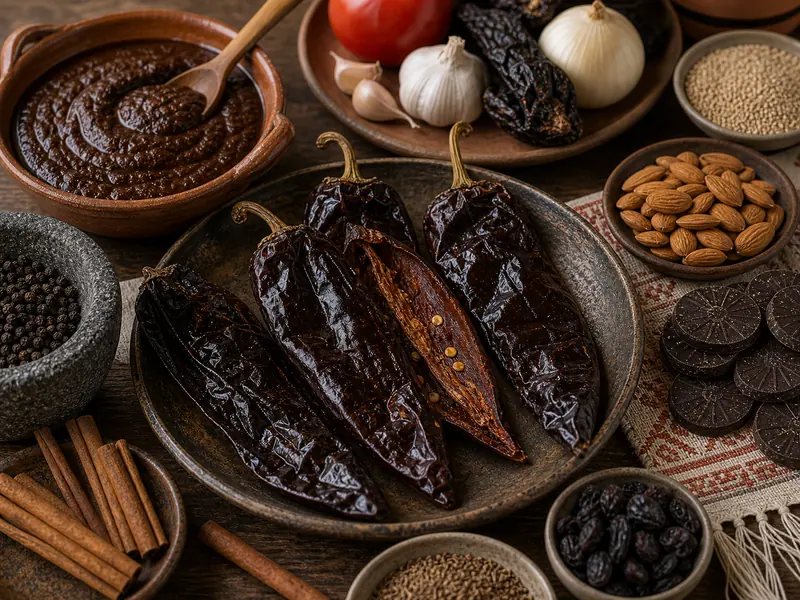
Mole is the point, and the pepper is named for it. The earthy, chocolate-adjacent flavor supplies the backbone notes of a mole negro without heat that would unbalance the chiles, spices and chocolate around it.
Toast dried pods before rehydrating them.
Two minutes in a dry pan makes a real difference to the finished sauce, much as it does with Smoked Paprika (Pimentón). Rehydrate in warm water or stock for 20 to 30 minutes afterward.
For sauce work, 3 to 4 dried pods per cup gives solid depth without crowding the other ingredients. Adjust up rather than down, since the pepper contributes almost no heat to push against.
Fresh pods roast and peel cleanly, stuff well because they hold their shape, and slice into salsas where you want body without burn. Thick walls suit them to longer cooking than a thin-walled pepper would survive.
In a blended hot sauce it works as a base layer, adding depth underneath something hotter. That is the same role a true pasilla plays, at a fraction of the pungency.
How Do You Keep Holy Mole Pepper Fresh?
Fresh pods are a gardener's pepper rather than a shop one. Dried pods turn up occasionally in Latin groceries and from specialty spice sellers online.
Buying fresh, look for firm skin with no soft spots, and even dark coloring if you want fully mature fruit. Fresh pods keep 1 to 2 weeks refrigerated in a paper bag, left unwashed until use.
Dried pods are the form worth stocking. Kept sealed and out of the light they hold for about a year, and whole pods outlast anything pre-ground, so break them down as a recipe needs.
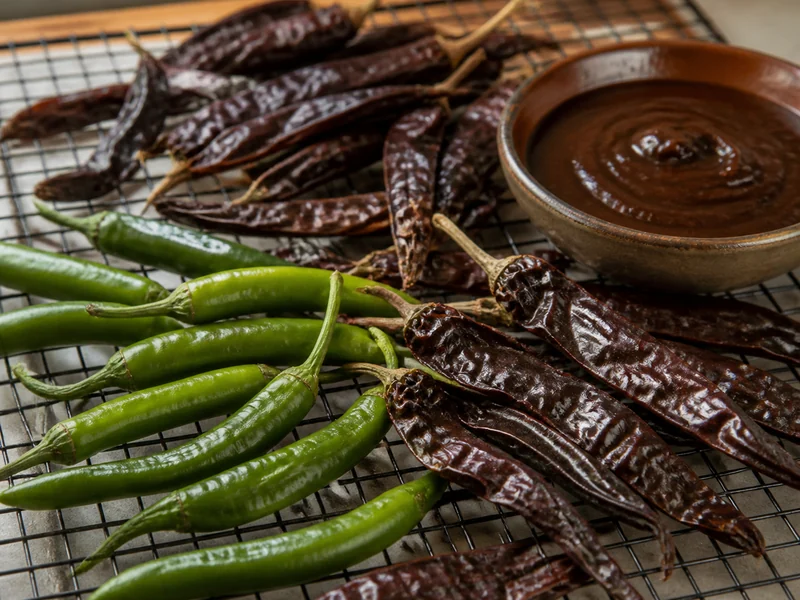
Whole fresh pods also freeze without blanching and go into cooked dishes from frozen. If Holy Mole is unavailable, a piquillo substitutes fresh, while dried ancho or mulato is closer for sauce work.
What Can You Use Instead of Holy Mole Pepper?
Direct comparisons show where flavor, form, and preparation differ in the Holy Mole vs Pasilla matchups.
What Does Holy Mole Pepper Need to Grow Well?
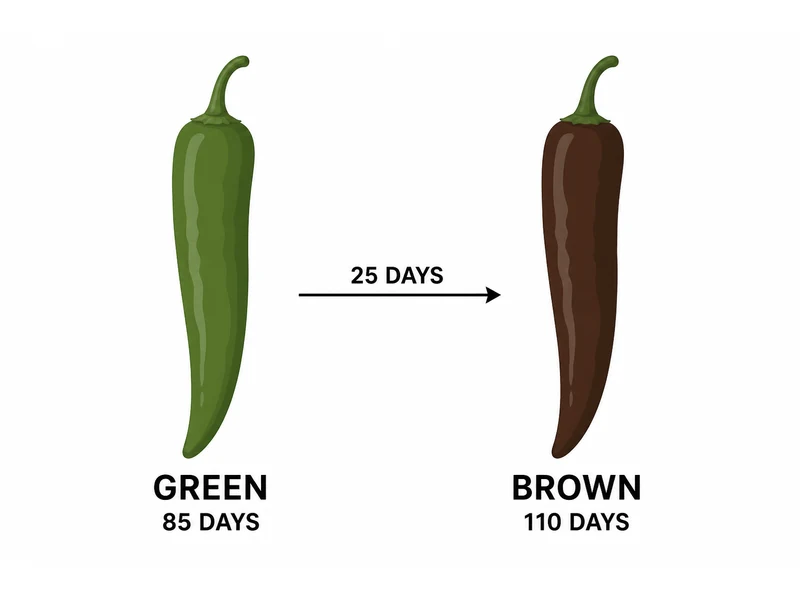
This is a long-season crop and the AAS figures are further out than most gardeners expect. Green harvest arrives at 85 days from transplant, and the dark brown stage at 110 days.
Those twenty-five days between green and brown are where the flavor is made.
Start seed indoors 8 to 10 weeks before last frost at 80 to 85°F, and expect germination to take 10 to 14 days even at those temperatures.
Transplant once nights hold above 55°F. AAS describes a bushy upright plant of 20 inches with a 2.5 foot spread, so give it width rather than height and stake it once pods load the branches.
Full sun means 6 to 8 hours, and partial shade buys foliage instead of fruit. Well-draining slightly acidic soil at pH 6.0 to 6.8 suits it, amended with compost.
Steady moisture through fruit set is what prevents blossom drop, and irregular watering at that stage costs pods outright.
The variety resists Potato Virus Y and tobacco mosaic virus, which AAS credits for its yields. Count back from first frost when planning, because 110 days to brown is the figure that decides whether you get mature fruit at all.
| Trait | Figure | Why it matters |
|---|---|---|
| Green harvest | 85 days from transplant | Usable, but not yet what the pepper is grown for |
| Dark brown | 110 days from transplant | The stage where the earthy depth develops |
| Plant size | 20 in tall, 2.5 ft spread | Wider than it is tall, so plan for width not height |
| Disease | Potato Virus Y and tobacco mosaic virus | Resistance AAS credits for the yields |
Holy Mole Pepper FAQ


- All-America Selections, Pepper Holy Mole Hybrid, 2007 edible vegetable winner, bred by Seminis Vegetable Seeds
- USDA FoodData Central, SR Legacy 170108, Peppers, sweet, red, raw
Species classification: Capsicum annuum - based on published botanical taxonomy.