

KnowThePepper
Choricero Pepper: The Dried, Barely Hot Spanish Pepper That Flavors Chorizo
The choricero pepper is a Spanish heirloom variety with 175-300 SHU - barely a whisper of heat, prized for its deep, sweet flavor and thick flesh. Dried and rehydrated, it forms the backbone of traditional Basque and Riojan cooking, especially the famous chorizo sausage and marmitako fish stew.
Think of it as Spain's answer to a workhorse flavor pepper.
- Species: C. annuum
- Heat tier: Mild (0-999 SHU)
What Is Choricero Pepper Known For?
The choricero sits at the foundation of Spanish gastronomy in a way few peppers can claim. Measuring just 175-300 SHU, it falls within the mild end of pepper heat - a fraction of what you'd get from a serrano, which runs roughly 10 to 20 times hotter.
That near-absence of heat is the whole point.
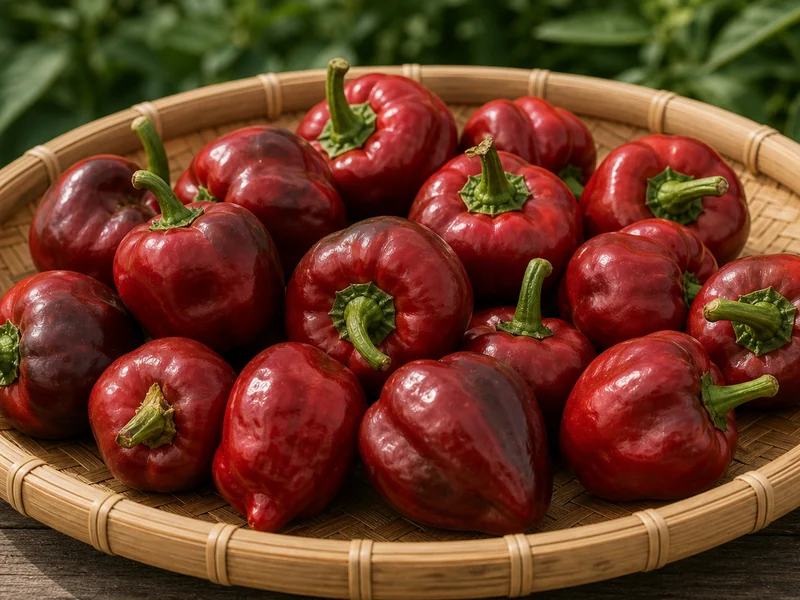
The pepper's round-to-elongated pod dries to a deep mahogany red, concentrating a flavor that's simultaneously sweet, slightly smoky, and intensely savory. When you rehydrate the dried skin and scrape out the pulp, you get a paste with remarkable depth, the kind of base note that makes a sauce taste like it simmered all day even when it hasn't.
Botanically classified as the C. annuum group, the choricero shares its species with thousands of other peppers, from sweet bells to jalapeños. What sets it apart is centuries of selective cultivation in northern Spain, particularly the Basque Country and La Rioja, where growers optimized for flesh thickness and sugar content over heat.
Fresh pods are occasionally available in Spanish markets during autumn harvest, but the dried form is the standard. The pepper's name comes directly from its primary use: seasoning chorizo.
Without choricero paste, Spanish chorizo would be unrecognizable, the paprika-red color and complex sweetness come entirely from this pepper.
What Is the Origin of Choricero Pepper?
Peppers arrived in Spain from the Americas in the late 15th century, but the choricero's specific development happened over the following two centuries in the Basque Country and Navarra regions. Local farmers along the Spanish pepper-growing tradition selected for thick walls, low heat, and concentrated sweetness, traits that suited preservation by drying.
By the 17th century, dried choricero peppers had become essential to Basque cooking, particularly in marmitako (tuna stew) and as the primary flavoring agent in chorizo sausage production. The pepper's cultural significance is comparable to how the deep-rooted paprika tradition in Hungary shaped Central European cuisine, a single variety defining an entire cooking identity.
Today, choricero peppers from specific Basque villages carry regional recognition, and traditional producers still string them in ristras (hanging bunches) to dry under autumn sun.
How Hot Is Choricero Pepper? Heat and Flavor
The Choricero Pepper delivers 175–300 Scoville Heat Units, placing it in the Mild tier (0-999 SHU).
Flavor notes: sweet and mild.
What Nutrients Does Choricero Pepper Provide?
Like most sweet mild-heat peppers, the choricero delivers solid nutritional value. A 100g serving of fresh pepper provides roughly 30 to 35 calories, with significant vitamin C content, often exceeding 100mg, well above daily requirements.
The drying process concentrates vitamin A, iron, and antioxidants including capsanthin, which gives the pods their deep red color.
The the broader C. annuum family tends toward good fiber content and minimal fat. Dried choricero paste used in cooking contributes these nutrients in smaller amounts per serving, but the antioxidant compounds remain bioavailable through cooking.
How Do You Use Choricero Pepper in the Kitchen?
Choricero preparation is almost always a two-step process. You soak the dried pods in warm water for 20 to 30 minutes, then slit them open and scrape the softened pulp away from the skin with a spoon.
That pulp, intensely sweet, slightly earthy, is what goes into the pot.
The paste anchors dishes across northern Spanish cooking. Marmitako, the Basque tuna and potato stew, depends on it.
So does patatas a la riojana (Riojan potatoes with chorizo).
The flavor profile bridges the gap between Corno di Toro and something more concentrated and savory.
For anyone building a fresh salsa with Spanish flair, a spoonful of choricero paste adds body and color without pushing heat levels up. It also works as a base for braised meats, paella sofrito, and any preparation where you want red pepper flavor without the burn.
Compared to the smoky, complex character of pimentón, choricero paste is fresher and fruitier. It can also substitute for, or complement, the sweet, triangular-shaped roasted piquillo in sauces where texture matters less than flavor depth.
A jar of prepared choricero paste keeps refrigerated for about two weeks.
Getting the pulp out
- Soak the dried pods in warm water for 20 to 30 minutes, until the skin softens.
- Slit each pod open lengthwise and lay it flat.
- Scrape the softened pulp away from the skin with a spoon.
- Use the pulp and discard the skin. The pulp is what carries the flavour into the pot.
How Do You Keep Choricero Pepper Fresh?
Dried whole choricero pods are the standard commercial form, sold at Spanish specialty grocers and online importers. Look for pods with deep red-brown color and pliable (not brittle) skin, brittleness signals age.
Jarred choricero paste is also widely available and convenient.
Brands from the Basque Country are generally higher quality.
Store dried pods in an airtight container away from light and moisture, they keep for 12 to 18 months this way. Opened paste jars should be refrigerated and used within 2 weeks.
For longer storage, freeze paste in ice cube trays, then transfer to bags for up to 6 months.
Dried form: The dried pod is the standard commercial form, and choricero is one of the few peppers where the dried skin is discarded rather than eaten.
Look for deep red-brown colour and skin that is pliable rather than brittle. Brittleness signals age, and an old pod gives up less pulp for the same soaking time.
Jarred choricero paste is the convenient alternative and a legitimate one, with Basque Country brands generally the better quality.
The trade-off is shelf life: dried pods keep twelve to eighteen months in an airtight container away from light and moisture, while an opened jar of paste needs refrigeration and gets used within two weeks.
Freezing solves the paste problem. Portion it into an ice cube tray, freeze, then move the cubes to a bag, where they keep for up to six months and thaw one spoonful at a time.
Dried whole pods reward patience more than powder does here, because the pulp is the ingredient and grinding destroys the thing worth scraping out.
What Can You Use Instead of Choricero Pepper?
Direct comparisons show where flavor, form, and preparation differ in the Choricero vs Nora matchups.
How Do You Start and Grow Choricero Peppers?
The hardest part of growing choriceros isn't germination, it's the long growing season they need to develop full flavor. These peppers want 100 to 120 days from transplant to harvest, which means starting seeds indoors 10 to 12 weeks before your last frost date and not rushing them outside.
Choriceros thrive in full sun with consistent moisture. In their native Basque and Riojan climate, summers are warm but not extreme.
In hotter American zones, afternoon shade during peak summer prevents stress that can affect flesh thickness.
They grow similarly to the compact, productive Alma Paprika in terms of plant size and soil preference, well-draining, moderately fertile ground works best.
Space plants 18 to 24 inches apart. Overcrowding reduces airflow and invites fungal issues, which are the main disease threat for this variety.
Stake plants once they reach 18 inches.
The pods are heavy when mature.
Harvest in late summer when pods turn deep red. For drying, string them in ristras and hang in a well-ventilated spot out of direct sun - 4 to 6 weeks typically produces fully dried pods.
Alternatively, dry at 150°F in a food dehydrator for faster results.
The C. annuum species is generally forgiving for home growers, and choricero is no exception once it's established.
Choricero Pepper FAQ


- Spices Inc - Types of Chile Peppers
- Gaia Organics - Pimento Choricero Hot Pepper
- The Chilli Workshop - Spanish Chillies
-
Sourcing note: grower and seed-catalogue documentation only No university, government or research body publishes data on this cultivar. The figures on this page come from grower reports and seed-catalogue listings, which are the only documentation that exists for it.
Species classification: C. annuum - based on published botanical taxonomy.