Fresh Salsa (Pico de Gallo) With Ripe Tomatoes, Jalapeno, and Lime
Fresh salsa works best when watery tomato pulp is controlled before seasoning. Dice ripe tomatoes, tune jalapeno heat to the batch, add onion, cilantro, lime, and salt, then rest briefly so the flavors blend without turning soupy.
What Makes Pico de Gallo Different from Cooked Salsa
Pico de gallo - also called salsa fresca, is an uncooked, chunky salsa built from raw ingredients. Unlike blended or simmered salsas, every component stays distinct, so the quality of each ingredient matters more than it does in cooked versions.
The difference shows up immediately in texture and brightness. Cooked salsa trades fresh acidity for depth.
Pico trades depth for clarity. Both are worth making, but when tomatoes are ripe and you have 10 minutes, fresh wins.
Choosing the Right Jalapeño Heat Level
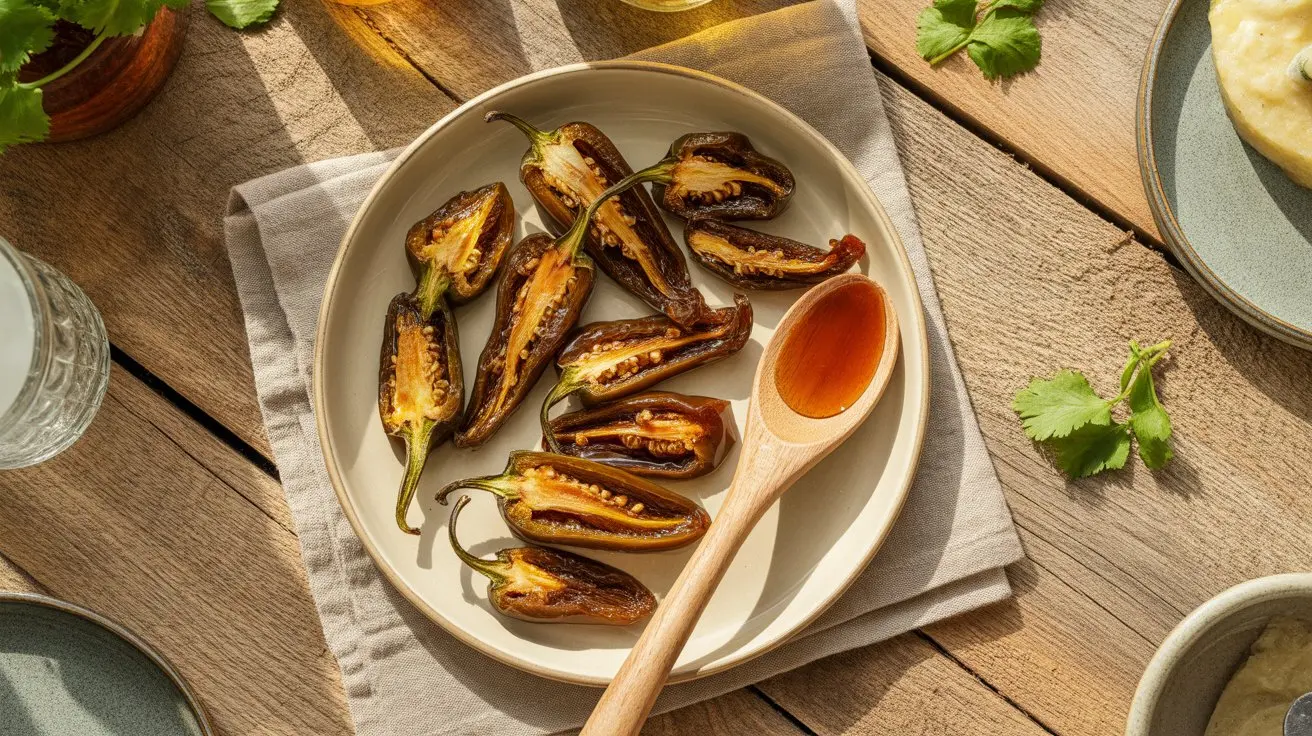
Jalapeños from Mexican pepper-growing regions vary more in heat than most people realize. A dark green jalapeño with white stretch marks (called corking) tends to run hotter than a smooth, bright green one.
Grocery store jalapeños are often on the milder end because they are harvested young and grown to reduce pungency.
If you want a reliable, consistent heat level in this salsa, taste a small piece of your jalapeño before adding it. That 30 seconds of testing saves you from accidentally making a nuclear batch or a completely flat one.
For a hotter pico, the clean, grassy bite of serrano pepper is the most natural upgrade, it shares the same flavor profile as jalapeño but runs roughly 3-4 times hotter. A single serrano replaces one jalapeño in this recipe.
On the other end, if you want almost no heat at all, swap the jalapeño for a mild, earthy poblano - it adds pepper flavor without any real burn. Poblanos fall into the gentle mild-heat bracket, making them a good choice when serving kids or heat-sensitive guests.
Tomato Selection and Prep Technique
The single biggest variable in pico quality is tomato ripeness. An underripe tomato is acidic and mealy.
An overripe one turns the salsa mushy. You want tomatoes that give slightly under thumb pressure, smell like tomatoes at the stem end, and have deep red color all the way through.
The seeding and salting steps described above are not optional if you care about texture. Skipping them produces a watery salsa that goes soggy within 20 minutes.
The salt-and-drain method removes moisture before it dilutes the lime juice and mutes the seasoning.
Variations
The first two change what the salsa is for, sweet or smoky, and the rest adjust heat without touching the ratio of tomato to onion.
- Mango pico: Add 1/2 cup diced ripe mango and swap half the lime for orange juice. The sweetness balances the jalapeño heat well. This works especially well with grilled fish tacos.
- Roasted tomato version: Char tomatoes and jalapeño directly on a gas flame or under a broiler before dicing. This adds smokiness and moves the recipe closer to a traditional salsa roja.
- Extra hot pico: Replace the jalapeño with a habanero's fruity, intense heat - use half a habanero seeded, and expect a significant step up in burn. The fruity undertone of habanero actually complements tomato well. Habaneros belong to a different species than jalapeños. They are the Capsicum chinense lineage, which accounts for their distinctive flavor and higher ceiling heat.
- Tomatillo pico: Replace half the tomatoes with raw, diced tomatillos. The tomatillo's tartness sharpens the salsa and adds a slightly herbal note that pairs well with pork carnitas.
- Cucumber pico: Add 1/2 cup seeded, diced cucumber for extra crunch and a cooling effect that offsets the jalapeño. Works well as a topping for spicy grilled meats.
- Avocado pico: Fold in one diced avocado right before serving. This bridges the gap between pico and guacamole and holds its color better than straight guacamole because the lime juice ratio is higher.
Heat Customization Guide
Jalapeños are the main Capsicum annuum species line, the same species as bell peppers, serranos, and most of the peppers you find at a standard grocery store. Within that species, heat varies widely based on growing conditions, harvest timing, and variety.
The capsaicin compound responsible for that burn has a specific capsaicin - it binds to TRPV1 receptors in your mouth, triggering the same response as actual heat. Understanding that mechanism explains why dairy fat neutralizes the burn better than water does.
For those building heat tolerance gradually, starting with seeded jalapeño in this recipe and working toward unseeded, then serrano, then habanero is a practical progression. The hot tier peppers - cayenne, Thai chiles, and similar varieties, would make a genuinely fiery pico that most people find too aggressive for chip dipping, though excellent in small amounts as a condiment.
Tips for Better Results
Cut size consistency matters more than most recipes acknowledge. When tomato, onion, and pepper are all cut to roughly the same size, every chip scoop picks up a balanced mix of ingredients.
When sizes vary wildly, you end up with spoonfuls that are 80% tomato and others that are pure onion.
Use a sharp knife. A dull knife crushes tomato cells instead of slicing them cleanly, releasing more liquid and creating a mushy texture.
This is one of the few recipes where knife sharpness has a measurable impact on the final product.
White onion is traditional for a reason, it has sharper, cleaner flavor than yellow onion and doesn't add sweetness. Yellow onion works in a pinch but changes the character of the salsa noticeably.
Red onion adds color but also sweetness and a slightly different bite.
Fresh lime juice only. Bottled lime juice has a cooked, slightly bitter flavor that flattens pico.
The difference is significant enough that it is worth keeping limes on hand if you make this regularly.
Cilantro stems are fine to use in the lower portion, where they are tender. The thick upper stems have good flavor but a woody texture, stop there.
Chopping cilantro too fine turns it into a paste. Rough chopping keeps it fresh and visible.
Serving Suggestions
Pico de gallo works as a chip dip, taco topping, egg scramble addition, grilled protein garnish, or spoonful straight from the bowl. It is one of the most versatile condiments in a kitchen that works with peppers regularly.
For a complete salsa spread, this fresh version pairs well alongside a roasted tomatillo salsa, the two cover different flavor territory and different heat levels, giving guests options. The cooked salsa handles proteins.
The pico handles anything that benefits from brightness and crunch.
If you grow your own peppers, the flavor difference between homegrown and store-bought jalapeños in this recipe is noticeable. Check the seed-starting for peppers if you want to grow your own supply, jalapeños are among the easiest varieties for beginners.
Storage Notes
Fresh pico holds well in the refrigerator for 2-3 days in an airtight container. After day one, the tomatoes continue releasing liquid, drain the excess before serving or the texture suffers.
The flavors actually improve on day two once everything has had time to meld fully.
Do not freeze pico de gallo. The tomatoes and onion turn completely mushy after freezing and thawing, and the fresh character that defines the recipe disappears.
Make it fresh in small batches rather than freezing large ones.
If you are making pico ahead for a party, prepare all components and store them separately, tomatoes drained, onion soaked, jalapeño minced, then combine and season 30 minutes before serving. This produces better texture than making it hours in advance.
Ingredients
-
4 medium Roma tomatoes (about 1 lb)seeded and diced small
-
1 jalapeñoseeded for mild or whole for more heat, minced fine
-
1/2 white oniondiced small (about 1/2 cup)
-
1/2 cup fresh cilantro leavesroughly chopped
-
2 tablespoons fresh lime juice (about 1 large lime)
-
1/2 teaspoon kosher saltplus more to taste
-
1 small clove garlicminced (optional)
Full Recipe Instructions
Cut Roma tomatoes…
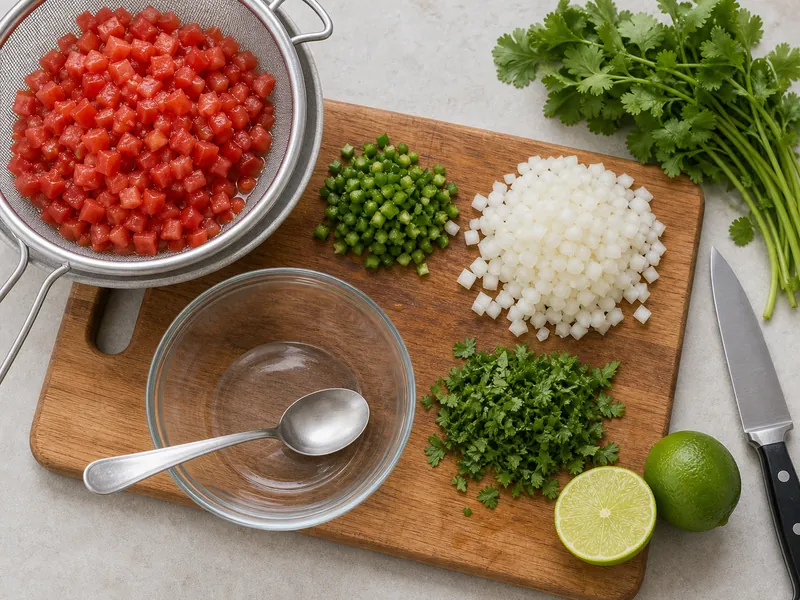
Cut Roma tomatoes in half lengthwise, scoop out seed pockets and liquid, then dice into 1/4-inch pieces.
Toss diced tomatoes…
Toss diced tomatoes with 1/4 teaspoon salt in a colander. Let drain for 5 minutes to remove excess moisture.
Halve jalapeño lengthwise…
Halve jalapeño lengthwise and scrape out seeds and pith for milder heat, or leave seeds in for more bite. Mince fine.
Dice white onion…
Dice white onion to match tomato size. For milder onion flavor, soak diced pieces in cold water for 3 minutes and drain.
Combine drained tomatoes,…
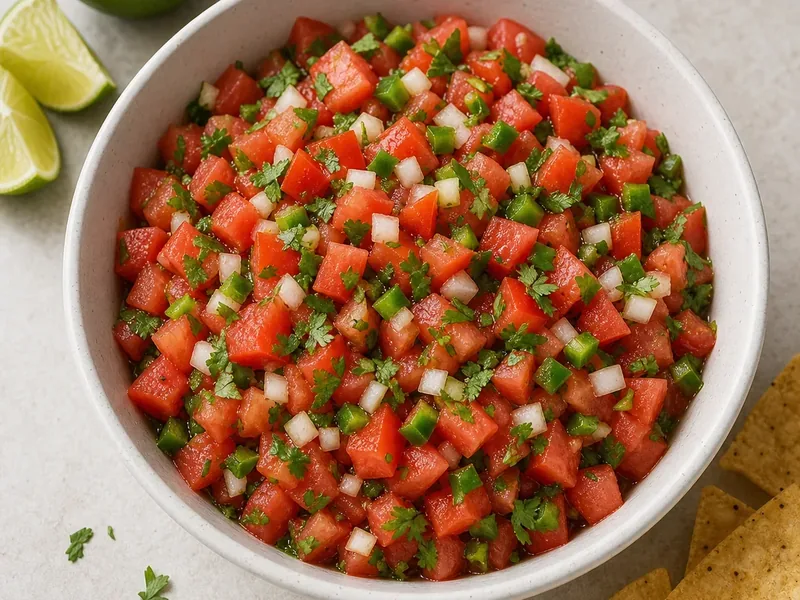
Combine drained tomatoes, jalapeño, onion, cilantro, and garlic (if using) in a mixing bowl.
Add lime juice…
Add lime juice and remaining 1/4 teaspoon salt. Stir to combine.
Taste and adjust:…
Taste and adjust: add lime juice by the teaspoon or salt by the pinch as needed.
Let salsa rest…
Let salsa rest at least 5 minutes before serving to allow flavors to meld.
Fresh Salsa (Pico de Gallo) With Ripe Tomatoes, Jalapeno, and Lime FAQ
- Capsicum - USDA GRIN Taxonomy
- USDA FoodData Central - Tomatoes red ripe raw
- Peppers - UC Small and Organic Farm Advisor, UC ANR