What Is Capsaicin? The Compound That Makes Peppers Hot
Capsaicin is a capsaicinoid made mainly in a pepper's pale placental tissue. It activates TRPV1 sensory nerves, creating a burn signal whose strength varies by sample, preparation, and exposure.
What Capsaicin Is
Capsaicin is the pungent molecule that supplies much of a hot pepper's burn. PubChem identifies it as C18H27NO3 and as one member of the broader capsaicinoid family.
Capsaicin and dihydrocapsaicin usually account for much of a pepper's pungency, while several related capsaicinoids contribute smaller shares. A total capsaicinoid measurement therefore describes a mixture, not capsaicin alone.
Where Is Capsaicin Found in a Pepper?
Peppers make capsaicinoids mainly in the pale placental tissue inside the fruit, beside the seeds. The 2014 fruit-tissue study by Keyhaninejad and colleagues found capsaicinoid accumulation and biosynthetic activity concentrated in placental tissue.
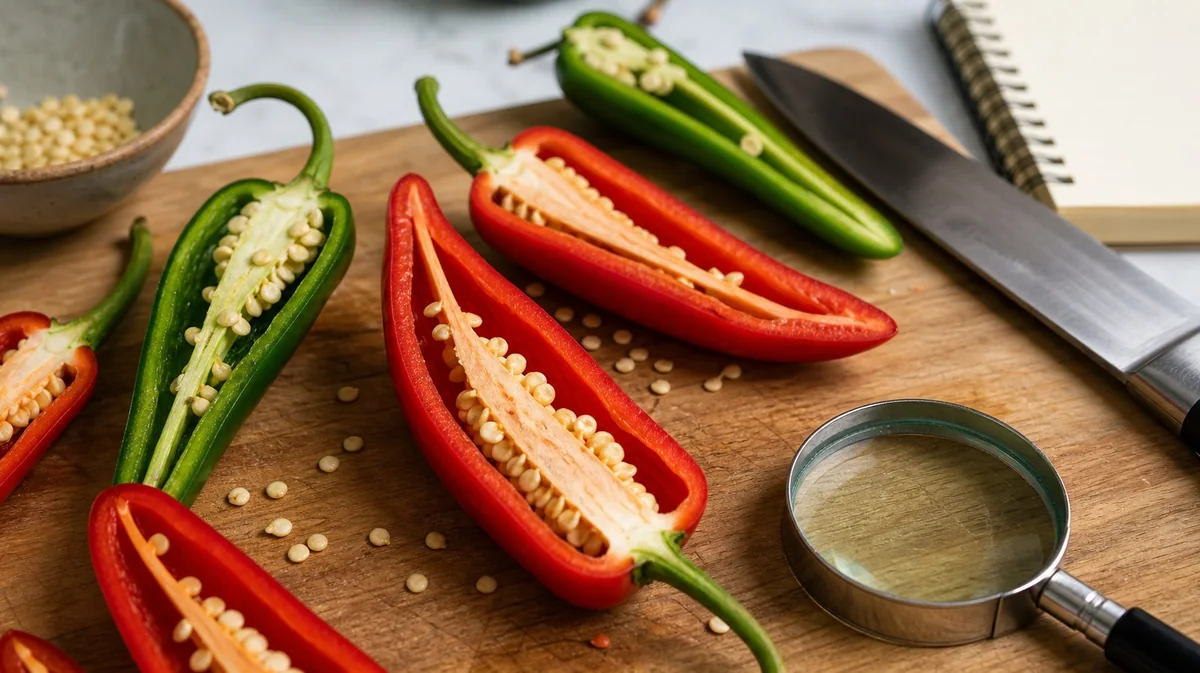
Seeds can pick up pungent material from the tissue around them, but they are not the main production site. The labeled parts in our pepper anatomy reference help distinguish the placenta, inner wall, and seeds.
Why Capsaicin Feels Hot
Capsaicin activates TRPV1, an ion channel on sensory nerves that also responds to damaging heat. David Julius's work identifying the capsaicin-sensitive receptor formed part of the research recognized by the 2021 Nobel Prize in Physiology or Medicine.
The signal is real even though the food has not raised the mouth to a burning temperature. Strong exposure can still irritate skin, eyes, airways, and the digestive tract, so "no temperature rise" must not be mistaken for "no possible harm."
What a Scoville Number Can Tell You
The Scoville scale expresses pungency as Scoville Heat Units, or SHU. Modern laboratory values are commonly derived from measured capsaicinoids rather than from Wilbur Scoville's original tasting dilution test.
Pure capsaicin is commonly assigned about 16 million SHU, but a pepper's number represents its measured mixture and sample. SHU does not predict exactly how every pod will feel, how evenly heat is distributed, or how a finished dish will dilute that sample.
Why Pepper Heat Varies
Genetics sets a cultivar's capacity, while fruit position, maturity, temperature, water conditions, and other growing factors can alter accumulation. Keyhaninejad and colleagues found substantial fruit-specific variability even within plants.
Research on drought effects also reports genotype-dependent and sometimes conflicting results. Deliberately withholding water is therefore not a reliable dosing method and can reduce plant performance, so use the broader pepper heat factors as context rather than a promise.
What Relieves Capsaicin Burn in the Mouth?
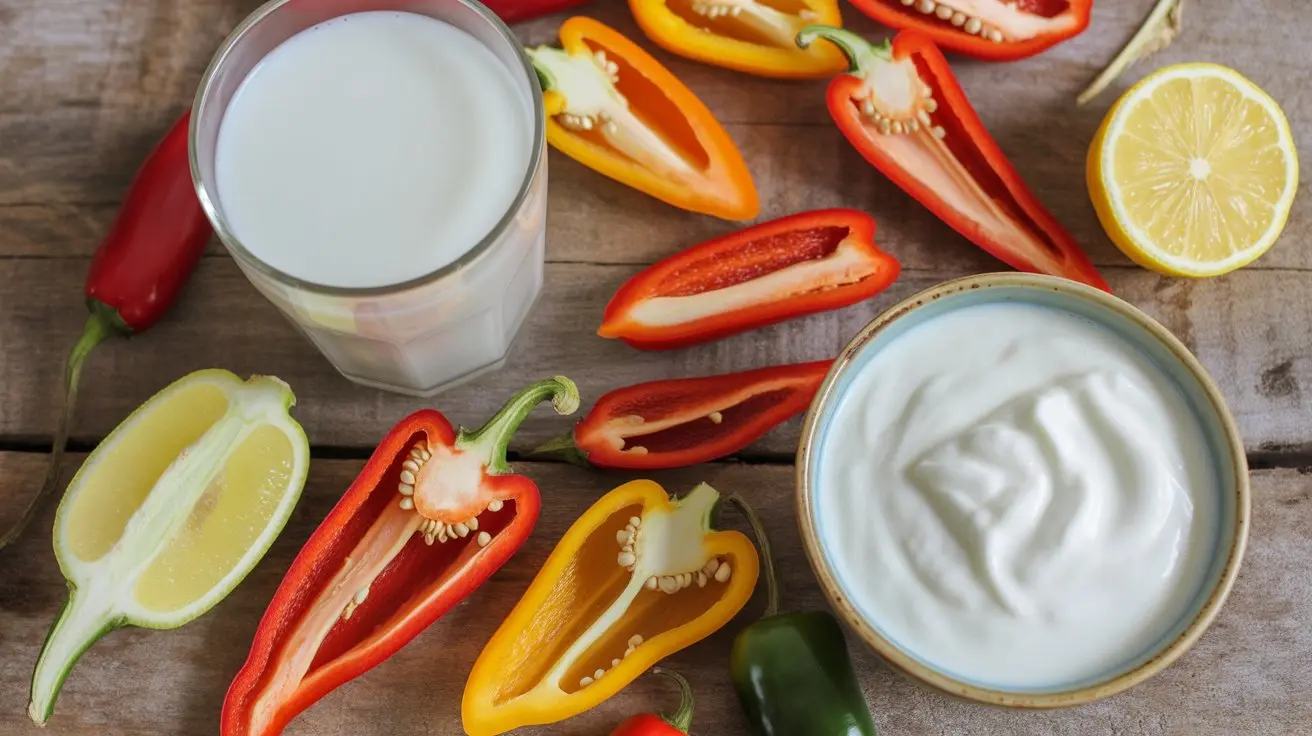
Milk reduced perceived oral burn more than the other tested beverages in a 2019 controlled trial by Nolden and colleagues. Both skim and whole milk performed well, which means the result cannot be reduced to a simple "fat dissolves capsaicin" rule.
A 2023 study by Farah and colleagues found that higher concentrations of micellar casein lowered free capsaicin and burn intensity, yet only its 5% casein rinse beat water significantly after exposure. Dairy protein can contribute to relief, but evidence does not show that casein alone instantly neutralizes every food exposure.
Small sips of a tolerated cool beverage and time can reduce the sensation. Our oral pepper burn steps cover practical food exposure without claiming a universal antidote.
Does Cooking Change a Pepper's Capsaicin?
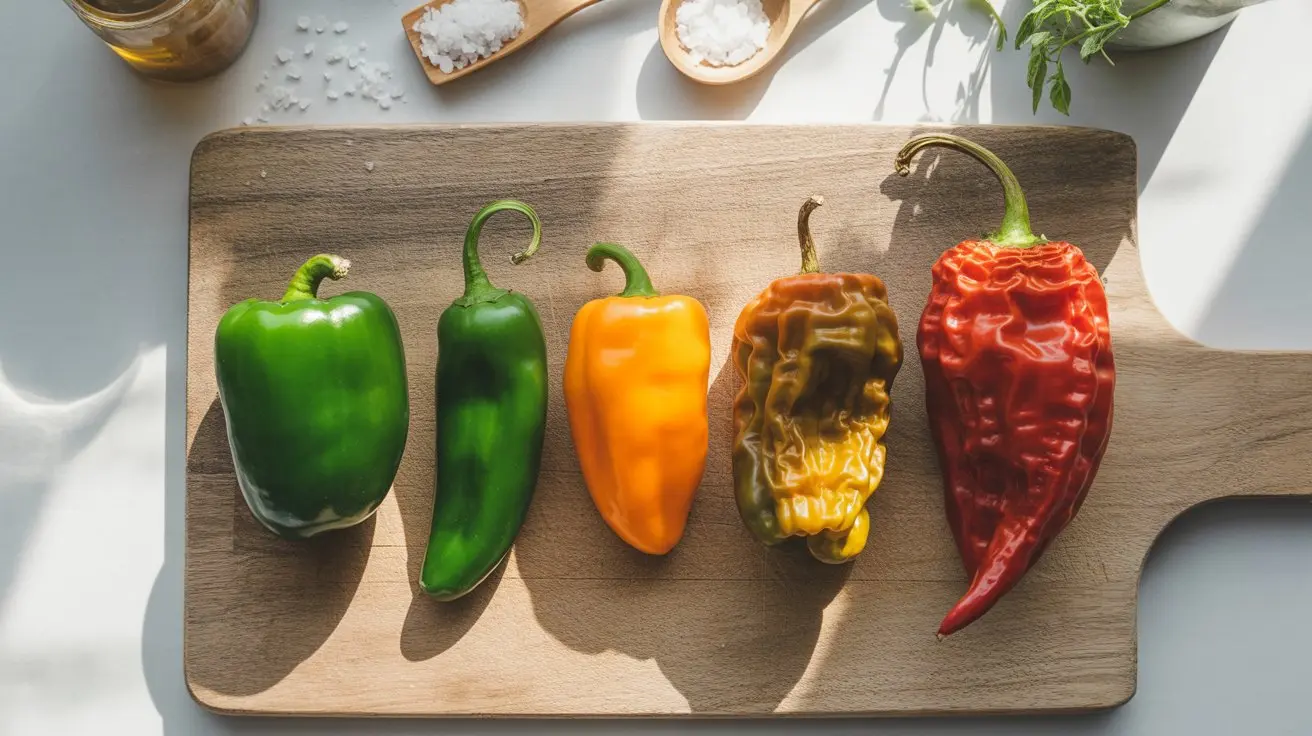
Cooking does not produce one dependable capsaicin result. A comparative study of Capsicum annuum cultivars found that roasting changed measured capsaicinoids differently by cultivar and ripeness stage, while the authors noted that boiling, grilling, extraction, water loss, and analytical method can also change reported concentrations.
A roasted pepper may taste milder, similar, or more concentrated depending on the material and process. Dose a finished sauce from its actual pepper lot and final volume instead of assuming that roasting or fermentation has removed a fixed share of the heat.
What to Do After Capsaicin Exposure
Poison Control describes capsaicin as intensely irritating to skin, eyes, the digestive tract, and airways. Handle very hot pods and powders with ventilation, keep hands away from the face, and use clean tools that will not transfer residue to another person.
| Exposure | Immediate response | When to get help |
|---|---|---|
| Mouth or stomach | Stop eating, take small sips of a tolerated cool drink, and do not force vomiting. | Call Poison Control for severe or persistent symptoms, repeated vomiting, or uncertainty. |
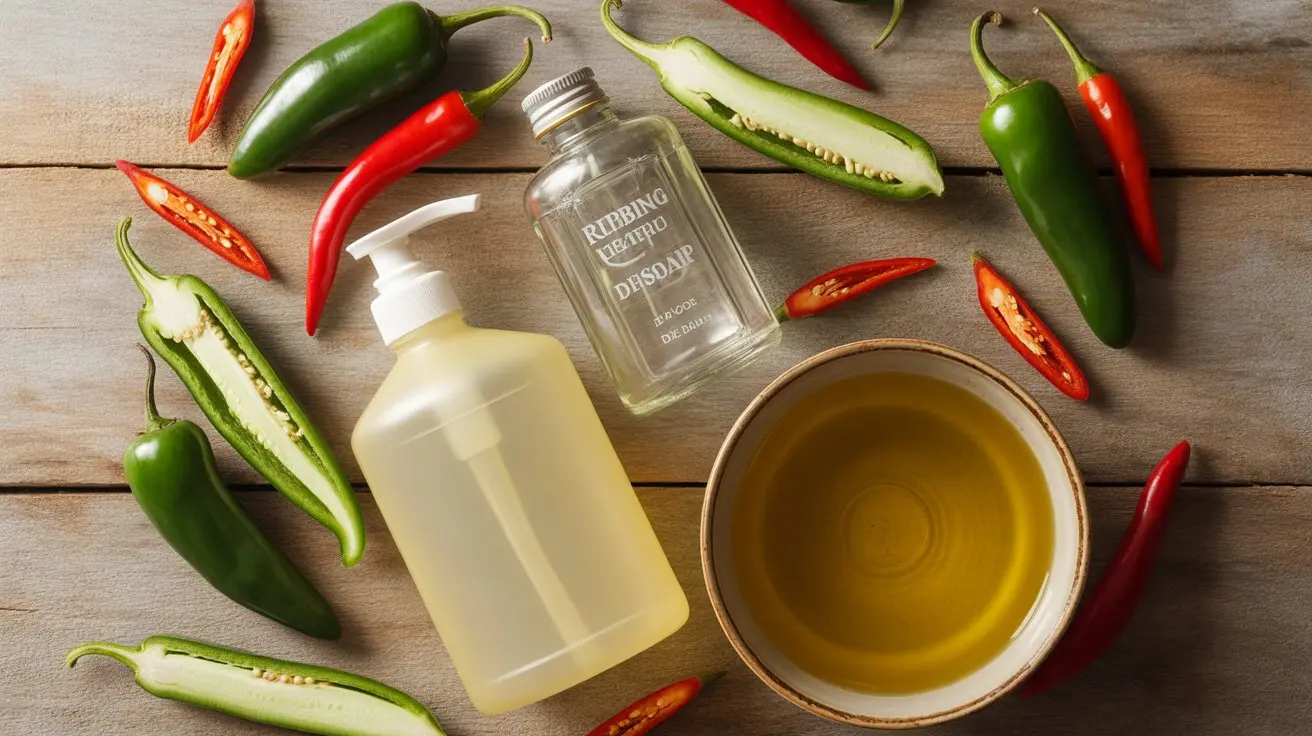
| Skin | Remove contaminated clothing and wash exposed skin thoroughly. Avoid spreading residue to the face. | Seek advice for blistering, severe pain, or symptoms that do not improve. |
| Eyes | Rinse with plenty of lukewarm water for at least 15 minutes and remove contact lenses if easy to do. | Get urgent advice if pain, redness, or vision problems continue. |
| Airways | Move to fresh air and stop heating or blending the source. | Call emergency services for trouble breathing, wheezing, collapse, or severe distress. |
For residue on hands or arms, follow the more detailed pepper burn on skin instructions. In the United States, Poison Control is available at 1-800-222-1222 or poison.org.
Medical Use Is Not the Same as Eating Chiles
The FDA's July 2024 label approves the prescription 8% Qutenza topical system for adults with neuropathic pain associated with postherpetic neuralgia and diabetic peripheral neuropathy of the feet. A healthcare professional applies it in a ventilated treatment area, which is different from eating peppers or applying kitchen ingredients to skin.
The approved product has specific dosing, handling, and exposure warnings. Our capsaicin pain treatment overview explains that boundary without turning a food article into treatment advice.
NIH's Office of Dietary Supplements says capsaicin has not been studied enough to know whether it helps with weight loss. Evidence about appetite, metabolism, cardiovascular outcomes, antimicrobial activity, or longevity does not justify promising that ordinary chile intake prevents disease or treats a condition.
The broader pepper health evidence also separates nutrient data and observational associations from proven treatment effects. Anyone considering a concentrated supplement or topical product should use its label and discuss individual risks with a qualified clinician or pharmacist.
What Is Capsaicin? The Compound That Makes Peppers Hot FAQ
- Capsaicin, PubChem CID 1548943
- The Nobel Prize in Physiology or Medicine 2021: Temperature and Touch Receptors
- Fruit-specific variability in capsaicinoid accumulation, Plant Science (2014)
- Putting out the fire: beverage effects on oral capsaicin burn (2019)
- The effect of dairy proteins on oral capsaicin burn (2023)
- Capsaicinoids and cooking methods in Capsicum annuum (2019)
- Drought stress and capsaicinoid concentration review (2021)
- Qutenza Prescribing Information, FDA (July 2024)
- Dietary Supplements for Weight Loss, NIH Office of Dietary Supplements
- Capsaicin: When the chili is too hot, Poison Control