Common Pepper Pests and Diseases (With Treatment Guide)
Diagnose pepper pests and diseases from the affected plant part, direct signs, spread pattern, weather, and speed. Confirm insects or lesions before treatment, rule out environmental lookalikes, and escalate from sanitation or physical control to a food-crop-labeled product only when evidence supports it.
Identify a pepper problem from the plant part affected, the direct sign you can see, and how quickly the pattern is spreading. Aphids, mites, bacterial spot, root rot, sunscald, and water stress can all change leaf color, but they do not leave the same evidence or require the same response.
Do not spray from a symptom name alone. Photograph the plant, inspect both leaf surfaces and the soil line, check nearby plants, and compare what changes over the next day or two unless the plant is collapsing rapidly.
How do you diagnose pepper pest or disease damage?
Begin at the damaged tissue and work outward.
A magnifier, a white sheet of paper, and one opened damaged fruit often reveal more than a product label.
| Observation | What to record | Why it matters |
|---|---|---|
| Plant part | New tip, older leaf, underside, stem base, roots, flower, or fruit | Many causes favor a particular feeding or infection site |
| Direct sign | Live insects, eggs, webbing, honeydew, frass, tunnels, fuzzy growth, or soft tissue | A direct sign is stronger evidence than yellowing or curling alone |
| Pattern | One plant, one bed edge, lower leaves first, newest growth first, or every exposed fruit | Distribution can separate splash, drift, weather exposure, and mobile pests |
| Speed | Stable for a week, spreading leaf by leaf, or whole plant collapsing in hours | Rapid crown collapse needs a different response from old cosmetic damage |
| Conditions | Recent rain, overhead watering, heat, dust, cold nights, or a nearby spray | Weather and recent actions change which explanation is plausible |
Compare affected plants with a healthy plant of the same age and cultivar. Natural leaf shape, normal corking on a mature stem, and color changes during fruit ripening should not be treated as disease.
Visual diagnosis has limits because several viruses, spots, and wilts overlap. Ask a local extension or plant diagnostic service when the result would change whether you discard plants, treat a food crop, or alter next year's planting site.
How do you spot aphids, whiteflies, thrips, and mites?
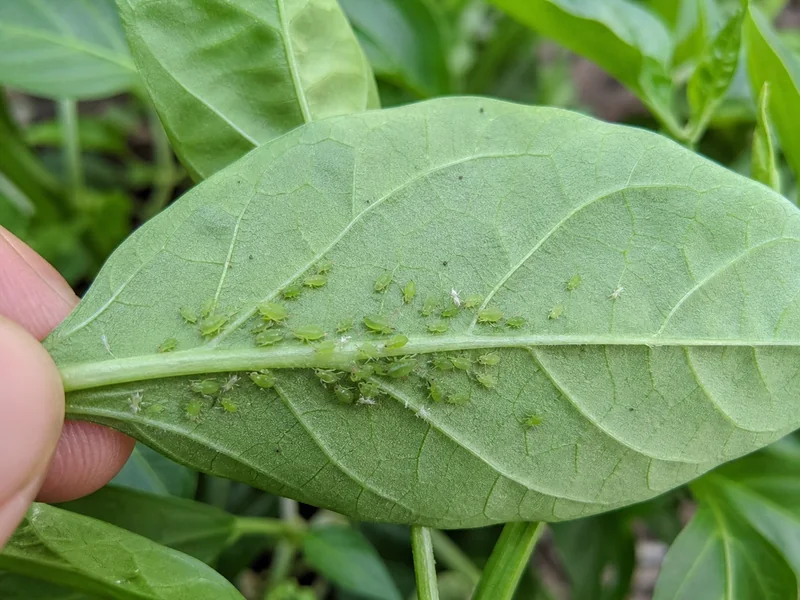
Aphids, whiteflies, thrips, and mites remove plant fluids or scrape cells, so their damage often appears on tender tips or leaf surfaces before stems fail. Turn leaves over and confirm the pest or its direct sign before attributing curl to an insect.
| Likely pest | Direct signs | Typical plant response | Useful first step |
|---|---|---|---|
| Aphids | Soft-bodied colonies, white cast skins, sticky honeydew, and sometimes ants | Curled or distorted new growth | Knock colonies from sturdy plants with water and recheck the same tips |
| Spider mites | Tiny moving dots, fine stippling, and webbing under heavier infestation | Bronzed, yellow, or drying leaves in hot or dusty conditions | Tap a leaf over white paper, reduce dust and water stress, then monitor mite numbers |
| Thrips | Slender moving insects and dark specks around flowers or folded growth | Silvery scarring, puckered leaves, or damaged flowers | Inspect flowers and growing tips with a lens before choosing a control |
| Whiteflies | Small white adults fly up when a leaf is disturbed, while immature stages remain beneath it | Yellowing, weak growth, and honeydew under larger populations | Inspect several undersides and use traps only to monitor adults, not as proof of control |
UC IPM notes that established plants often tolerate a modest aphid population and that predators can reduce it. Broad-spectrum insecticides can remove those predators and sometimes make mite problems worse.
Water, insecticidal soap, and horticultural oil can be useful for certain exposed pests, but coverage and plant condition matter.
Use only a product whose label includes the pest, pepper or edible vegetables, application site, and the required harvest interval.
What is chewing holes in pepper leaves and fruit?
Chewed tissue does not identify the feeder until you inspect the shape, waste, and hiding place. Look after dusk for slugs and caterpillars, then open suspicious fruit over a tray so larvae or frass are not lost.
| Damage | Evidence to seek | Interpretation and response |
|---|---|---|
| Many small round holes in young leaves | Small jumping beetles on or near seedlings | Flea beetle feeding is most important while plants are small, so exclusion and early monitoring matter |
| Irregular missing leaf area | Caterpillar, droppings, slime, or nighttime feeding | Hand removal or a pest-specific control requires finding the actual feeder |
| Winding pale tunnel inside a leaf | Larva or dark waste line between the leaf surfaces | Leafminer damage stays within the leaf and differs from surface chewing |
| Hole into fruit with coarse waste | Larva feeding in flesh or seed core | Remove damaged fruit and identify the larva before treating the plant surface |
| Young fruit drops with little external damage | Cut fruit open and inspect the seed core for a weevil larva or frass | Pepper weevil larvae feed inside pods, where a surface spray cannot reach them |
UC IPM recommends removing dropped and culled fruit where pepper weevil is present because larvae can continue developing inside. Inspect transplants and nearby nightshade hosts when the pest is established in the region.
A single clean hole does not prove one species. Fruitworms, borers, slugs, birds, and mechanical injury leave different surrounding evidence, so preserve the damaged fruit until the cause is identified.
Which diseases cause spots, mold, or collapse on peppers?
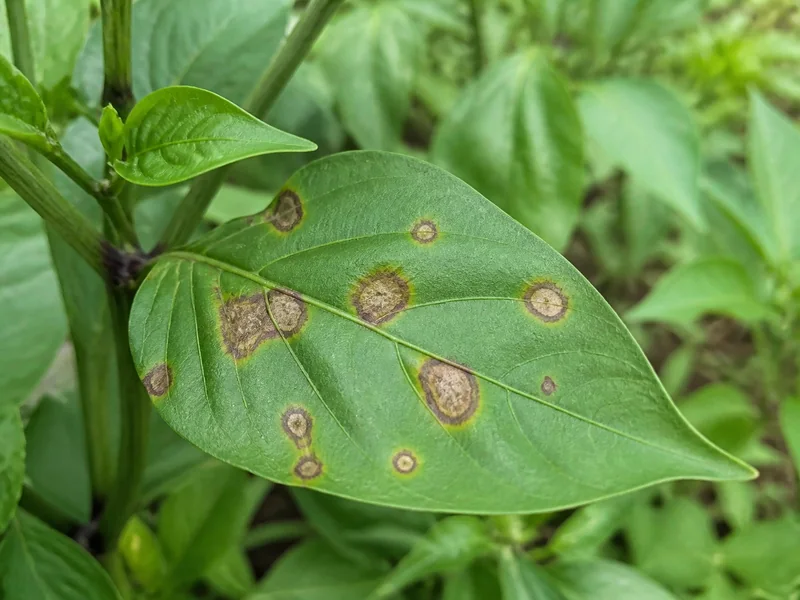
Leaf spots should be compared by starting point, margin, surface texture, fruit symptoms, and recent moisture. A photograph of one late lesion rarely identifies a pathogen with certainty.
| Pattern | Supporting observations | Urgency |
|---|---|---|
| Small water-soaked spots that develop tan centers and dark borders | Lower leaves affected first, raised rough fruit spots, warm wet weather, or recent splash | Consistent with bacterial spot, so avoid handling wet plants and reduce splash while seeking confirmation |
| White or gray surface growth | Powder on leaves or fuzzy growth on injured flowers, stems, or fruit | Improve airflow and distinguish powdery mildew from gray mold before selecting a labeled fungicide |
| Sunken dark fruit lesions | Lesions enlarge on ripening fruit, sometimes with colored spore masses in wet weather | Remove affected fruit and avoid leaving overripe fruit as a continuing source |
| Dark stem or crown lesion with rapid wilt | Wet soil, standing water, water-soaked fruit, or collapse beyond a sunken stem area | Phytophthora or another crown rot is urgent because the site and water movement can expose nearby plants |
| Mosaic, rings, narrow distorted leaves, and stunting | Uneven green and yellow pattern plus abnormal growth across more than one tissue | Suspect a virus, isolate the plant, and seek confirmation because insect control cannot cure infected tissue |
University of Maryland Extension reports that bacterial spot spreads through splashing rain and work on wet infected plants. It can reach leaves, stems, and fruit, while hot dry weather may slow its spread without erasing existing damage.
Penn State Extension describes Phytophthora blight as a disease of roots, crowns, foliage, and fruit.
Rapid collapse in a wet area therefore warrants prompt isolation and drainage review rather than repeated foliar sprays.
Which pepper problems only look like disease?
Environmental injury does not spread from plant to plant like an infectious pathogen, though the same weather can injure several plants at once. Its position often follows water supply, sun exposure, temperature, or a spray path.
| Lookalike | Distinguishing pattern | Corrective direction |
|---|---|---|
| Blossom-end rot | Dark sunken lesion at the blossom end of enlarging fruit without leaf spots | Stabilize root-zone moisture and avoid damaging roots rather than applying a fungicide |
| Sunscald | Pale, bleached, or papery patch on the exposed side of fruit | Preserve foliage and provide temporary shade after sudden canopy loss |
| Water stress | Several leaves or the whole plant wilt according to soil moisture and time of day | Check moisture below the surface and root condition before adding more water |
| Cold injury | Stalled growth or damaged young tissue after a cold night | Protect plants from low temperature and wait for healthy new growth |
| Herbicide or spray injury | Distortion follows a bed edge, wind direction, newest growth, or recent application | Stop exposure, record the product and timing, and ask extension staff about the pattern |
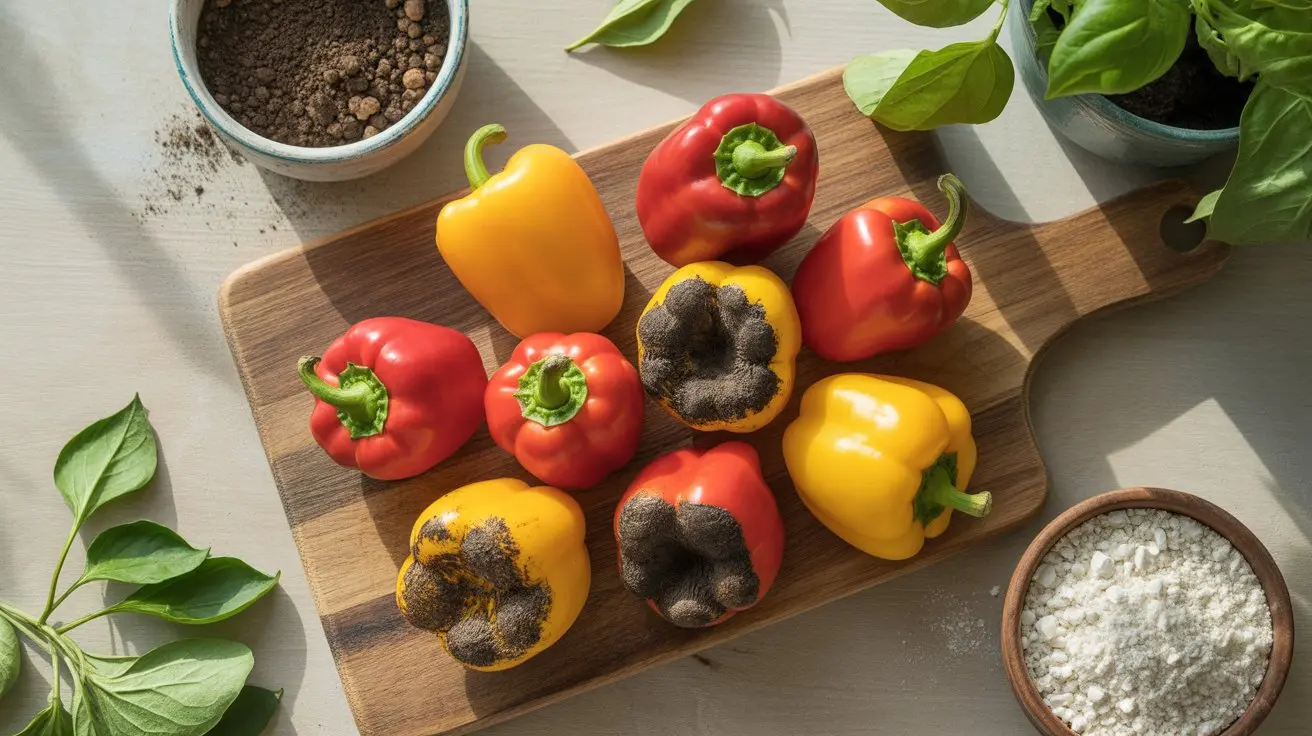
A disorder can open tissue to secondary decay, so finding sunscald does not guarantee that later soft rot is absent. Identify the first injury and any organisms now using the damaged tissue as separate problems.
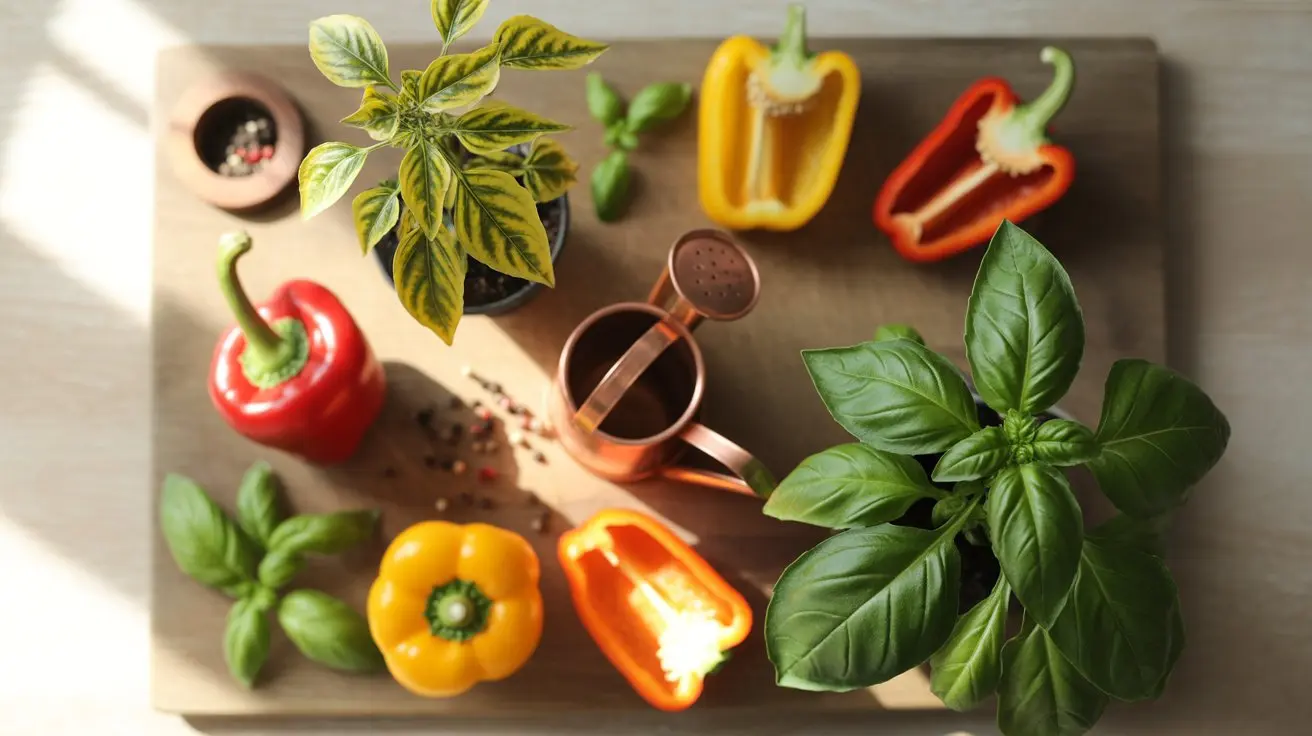
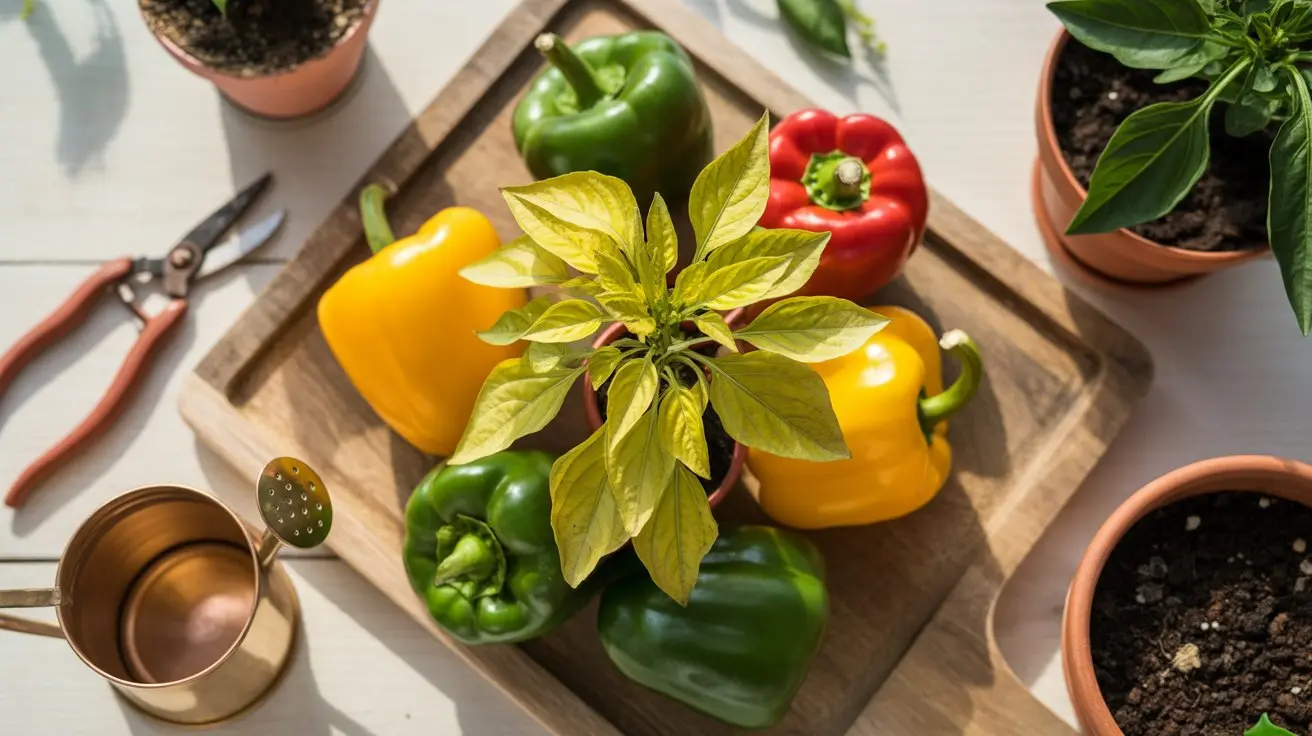
Yellow leaves and wilting also need their own root-zone and timing checks. Do not assign either symptom to nutrient shortage until water, roots, temperature, pests, and the position of the affected leaves have been compared.
How should you treat a confirmed pest or disease?
Use the least disruptive step that can change the confirmed problem, then inspect again. A product is one branch of management rather than the automatic final step.
- Move a container away from healthy plants or mark the affected garden area so spread can be measured.
- Remove dropped fruit, badly damaged tissue, weeds that shelter the confirmed pest, and plant debris that can be handled without spreading wet foliage.
- Correct standing water, overhead splash, dust, severe water stress, or crowding when that condition supports the diagnosis.
- Use water, hand removal, exclusion, or pruning when the pest is exposed and the plant can tolerate the action.
- Protect beneficial insects and verify whether the population is still increasing before applying a pesticide.
- If a product is justified, read the current label for the exact food crop, target organism, rate, protective equipment, reapplication interval, and preharvest interval.
- Record the treatment area and inspect the same plant parts again before deciding whether another action is needed.
Do not combine products or substitute household detergent for insecticidal soap unless the label explicitly permits that use. Even lower-persistence materials can burn water-stressed pepper leaves or harm insects they contact.
Fungicides and bactericides generally protect uninfected tissue better than they restore damaged tissue.
If identification remains uncertain, a diagnostic service can prevent repeated applications that never target the cause.
When should you remove a pepper plant or fruit?
Removal is justified when the plant or fruit is a continuing high-risk source and recovery is not realistic. A few exposed aphids or an old sunscald patch usually call for monitoring, not destruction.
| Decision | Evidence | Next step |
|---|---|---|
| Remove promptly | Confirmed virus, rapid crown collapse in wet soil, extensive soft rot, or fruit containing internal larvae | Bag affected material when appropriate and avoid moving contaminated soil or water |
| Isolate and confirm | Unexplained mosaic, fast-moving spots, one-sided wilt, or a new regional pest | Separate containers, photograph symptoms, and contact a diagnostic service |
| Treat and monitor | Confirmed exposed pest, limited spot outbreak, or correctable environmental support | Apply the targeted first step and recheck the same tissue on a set date |
| Monitor only | Old stable damage, low pest numbers with predators present, or a corrected noninfectious injury | Record the baseline and watch new growth rather than old scars |
Scout at least weekly during active growth and more often after rain, heat, transplant stress, or a nearby outbreak. Check several plants, including apparently healthy ones, because distribution is part of the diagnosis.
Record the date, plant part, direct sign, affected-plant count, weather, action, and next inspection date. New tissue and population trend show whether management worked, while damaged leaves and fruit may never look normal again.
Common Pepper Pests and Diseases (With Treatment Guide) FAQ
- Peppers: Pests and Disorders — UC Statewide IPM Program
- Aphids — UC Statewide IPM Program
- Spider Mites — UC Statewide IPM Program
- Pepper Weevil — UC Statewide IPM Program
- What Is Wrong with My Pepper Plant? — University of Minnesota Extension
- Bacterial Leaf Spot on Peppers — University of Maryland Extension
- Phytophthora Blight of Pepper — Penn State Extension
- Pepper Production — Penn State Extension