

KnowThePepper
Pimento Pepper: The Heart-Shaped Sweet Red Stuffed Into Green Olives
The pimento pepper sits at just 100 to 500 SHU, making it one of the sweetest, mildest members of the mild pepper category. Heart-shaped and deeply red at maturity, it originated in Spain and became the iconic stuffing inside green olives.
Its thick, sweet flesh and negligible heat make it a kitchen staple for roasting, cheese-making, and pantry preserving.
- Species: C. annuum
- Heat tier: Mild (0-999 SHU)
What Is Pimento Pepper Known For?
Long before it showed up jarred on grocery shelves, the Spanish-origin C. annuum known as the pimento was prized across Mediterranean kitchens for its dense, sweet flesh and deep crimson color. The name itself derives from the Spanish word for pepper, and the variety became so associated with olive stuffing that most Americans encounter it before they ever see a fresh one.
At 100 to 500 SHU, pimento sits at the gentler end of the annuum species line - a species that also includes jalapeños, bell peppers, and paprika. The heat is so minimal that it registers more as warmth than bite.
What dominates instead is a rich, almost candy-like sweetness with earthy undertones that deepen when roasted.
The heart shape is distinctive: wider at the shoulders, tapering to a blunt tip, typically 3 to 4 inches long with unusually thick walls for a pepper this size. That wall thickness is exactly what makes it ideal for stuffing and preserving, it holds its structure through heat processing better than thinner-skinned varieties.
Fresh pimentos are harder to find than their jarred counterparts, but farmers markets and specialty grocers in late summer occasionally stock them. When you do find fresh ones, the flavor difference from the jarred version is noticeable, brighter, more complex, less acidic.
What Is the History of Pimento Pepper?
Spain's role in pimento cultivation dates to at least the 16th century, when C. annuum varieties brought from the Americas were selectively grown for sweetness rather than heat. The pimento became particularly associated with the Extremadura and Murcia regions, where it was dried and ground into pimentón - the smoked paprika that defines Spanish cooking.
The olive-stuffing tradition emerged in the early 20th century, when Spanish and later American processors began hand-packing pimento strips into green olives. By the 1940s, mechanized stuffing made jarred pimentos a pantry staple across the United States.
In the American South, pimento took on a second life as the base for paprika-style pepper powder, a spread so embedded in Southern food culture that it earned the nickname "the caviar of the South." That regional adoption helped cement the pepper's place in American kitchens far beyond its Mediterranean origins.
How Spicy Is Pimento Pepper, and How Does It Taste?
The Pimento Pepper delivers 100–500 Scoville Heat Units, placing it in the Mild tier (0-999 SHU).
Flavor notes: sweet and mild.
What's in Pimento Pepper? Nutrition Facts
One 100g serving of raw pimento pepper delivers approximately 31 calories, 1g protein, 7g carbohydrates, and less than 0.5g fat. The standout nutrient is vitamin C - a single pimento can provide over 100% of the daily recommended value, more per gram than many citrus fruits.
Vitamin A (from beta-carotene) is also significant, contributing to the pepper's deep red color. Pimentos contain modest amounts of vitamin B6, folate, and potassium.
The negligible capsaicin content means none of the thermogenic effects associated with hotter varieties, this is purely a nutrient-dense, low-calorie sweet pepper.
How Do You Use Pimento Pepper in the Kitchen?
Roasting is where pimento earns its reputation. The thick walls caramelize beautifully under a broiler or over an open flame, and the resulting flesh, sweet, slightly smoky, deeply red, works in everything from pasta sauces to sandwiches.
Char the skin, steam in a covered bowl for 10 minutes, then peel: what comes off is silkier than any jarred version.
For pimento cheese, fresh roasted pimento makes a noticeable difference. The standard ratio is roughly 2 cups shredded sharp cheddar to one roasted pepper, with cream cheese and mayo to bind.
Adjust from there.
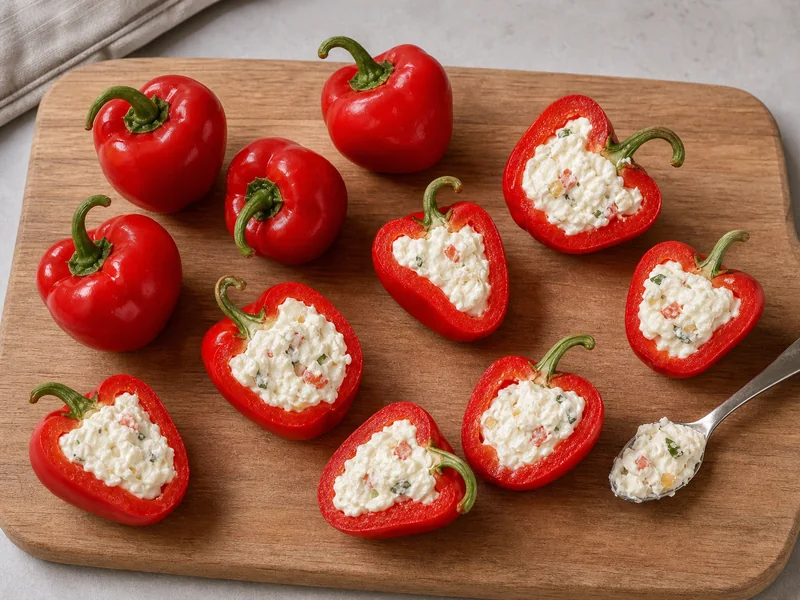
Stuffing applications go beyond olives. The thick cavity handles cream cheese, herbed ricotta, or seasoned ground meat without collapsing.
Bake at 375°F for about 25 minutes and the walls stay intact while the filling sets.
For those wanting similar sweetness with a different shape, the thin-walled frying pepper great for sautéing offers comparable mildness in a longer, more slender form. The sweet Italian-style bull's horn pepper brings similar low heat in a dramatically different shape.
Dried and ground, pimento becomes a mild paprika, sweeter and less pungent than Hungarian varieties. Use it anywhere color and gentle pepper flavor matter more than heat.
Roasting for the flesh rather than the char
- Work under a broiler or over an open flame, close enough that the skin blisters before the flesh collapses.
- Turn until the skin is blackened in patches all over, not uniformly burnt.
- Cover and let them sweat for ten minutes, which loosens the skin.
- Peel with fingers rather than water, since rinsing washes away the sweetness that just concentrated.
- The thick wall is the point. It survives roasting where a thin-walled pepper would go to paste.
How Should You Buy and Store Pimento Pepper?
Fresh pimentos appear at farmers markets and specialty grocers from late July through September in most growing regions. Look for firm, deeply colored fruits with no soft spots or wrinkling, the walls should feel dense, not hollow.
Jarred pimentos are available year-round in the olive and pickle aisle. Drain and pat dry before using.
The brine adds acidity that can throw off recipes expecting fresh roasted flavor.
Fresh pimentos keep 1 to 2 weeks refrigerated in a paper bag or loosely wrapped. Roasted and peeled, they freeze well for up to 6 months - layer between parchment and store in a zip bag.
The similarly mild sweet banana-style pepper and tangy, slightly wrinkled Italian pepper are reliable substitutes when fresh pimentos are unavailable.
What Can Replace Pimento Pepper in a Recipe?
Compare substitutes for Pimento Pepper by form, flavor, and heat before choosing a ratio. Measured adjustments must account for the dish and the concentration of the replacement.
Direct comparisons show where flavor, form, and preparation differ in the Pimento vs Piquillo and Cherry Pepper vs Pimento matchups.
How Do You Grow Pimento Pepper at Home?
Pimento plants are compact and productive, typically reaching 18 to 24 inches tall, manageable in containers or tight garden rows. Start seeds indoors 8 to 10 weeks before your last frost date.
Germination runs slow compared to some annuums.
Soil temps of 80 to 85°F help considerably.
For practical guidance on transplant pepper seedlings outdoors, wait until nighttime temps stay consistently above 55°F. Pimentos are sensitive to cold snaps even after establishment.
Give pimento plants steady direct sun for about 6 to 8 hours daily. Well-drained soil with a pH around 6.0 to 6.8 and even moisture produces thicker walls, while watering swings can cause blossom drop and thinner fruit.
Fruits mature from green to deep red in approximately 70 to 80 days from transplant. Harvest at full red for peak sweetness.
Green pimentos are usable but noticeably less sweet.
Unlike some peppers that produce prolifically through summer, pimento plants tend to set fruit in flushes, expect heavier harvests in late summer into fall.
For growers interested in other mild, easy-care varieties, the sweet, heat-free Caribbean cultivar has similar growing requirements and comparable zero-heat mild pepper production.
Pimento Pepper FAQ


Species classification: C. annuum - based on published botanical taxonomy.