
Pimento Pepper vs Piquillo Pepper: Sweetness, Roast, and Recipe Fit
Choose pimento for mild sweetness in cheese spreads, olive stuffing, relishes, and recipes that need diced red pepper to disappear into the mixture. Choose piquillo when roasted flavor, a thin triangular pod, or a whole pepper that can hold a filling matters more than neutral sweetness.

Pimento Pepper
MildPiquillo Pepper
MediumQuick Comparison
| Attribute | Pimento Pepper | Piquillo Pepper |
|---|---|---|
| Scoville evidence | 100-500 SHU | 500-1K SHU |
| Heat Tier | Mild | Medium |
| vs Jalapeño | n/a | n/a |
| Flavor | sweet and mild | sweet and smoky |
| Species | C. annuum | C. annuum |
| Origin | Spain | Spain |
Is Piquillo Hotter Than Pimento?
Heat is the least important difference between pimento and piquillo. KnowThePepper profile data places pimento at 100 to 500 SHU and piquillo at 500 to 1,000 SHU, so both belong in the mild range.
The midpoint gap is about two and a half times, but that ratio sounds larger than it tastes at such low levels. A jalapeno begins well above both peppers at 2,500 SHU.
Piquillo can give a faint warm finish, especially when the jar contains smaller pods with concentrated roasting juices. Pimento usually reads as sweet red pepper with no obvious burn.
Heat should break a tie only for someone who notices very small amounts of capsaicin because roast, wall thickness, cut, and packing liquid will change the dish more.
Decision rule: treat both as sweet peppers, then choose by form and flavor. If a recipe depends on measurable chile heat, neither pepper is the right tool.
How Do Pimento and Piquillo Taste Different?
Pimento gives a clean, rounded sweetness that settles into cheese, mayonnaise, eggs, or ground meat. The USDA Agricultural Marketing Service describes canned pimientos as mild, sweet, thick-walled peppers with a distinct pimiento flavor.
Piquillo brings a roasted aroma before any heat appears. Spain's Ministry of Agriculture specification for Pimiento del Piquillo de Lodosa requires roasting, peeling without water or chemical agents, and packing without added brine.
An authentic Lodosa jar tastes more concentrated than a generic sweet pepper packed in liquid because the thin flesh carries char readily while the pointed pod keeps enough structure for stuffing.
Acidity depends on the product rather than the cultivar alone. USDA standards allow acidifying and firming agents in canned pimientos, while non-PDO piquillo products may use packing liquids that differ from the Lodosa specification.
Taste each jar before adding vinegar, lemon, or extra salt. Pimento is the quieter ingredient, while piquillo is the more assertive roasted one.
When Should You Use Pimento or Piquillo?
The best choice changes with the job the pepper must perform. Pimento works inside a mixture, while piquillo works especially well when the pepper remains visible.
The USDA inspection manual notes that canned pimientos are used in cheeses, processed meats, and stuffed olives, which reward a pepper that supports the mixture rather than leading it.
Piquillo is strongest in tapas, filled appetizers, sauces, and plates where its shape and roasted surface stay recognizable. A whole pod can wrap salt cod, tuna, rice, mushrooms, or soft cheese without requiring a large bell pepper.
| Dish or task | Better first choice | Reason |
|---|---|---|
| Pimento cheese | Pimento | Soft sweetness and small pieces blend evenly |
| Stuffed whole pepper | Piquillo | Pointed whole pods hold a compact filling |
| Olive stuffing | Pimento | Thin strips fit the cavity without dominating |
| Tapas toast | Piquillo | Roasted flavor remains distinct on bread |
| Relish or sandwich spread | Pimento | Diced pieces distribute without adding char |
| Roasted pepper sauce | Piquillo | The roasting step is already built in |
For a smooth sauce, either pepper can work after draining. Pimento gives a sweeter, cleaner base, while piquillo reduces the amount of additional roasting needed.
Verdict
Choose pimento when the recipe calls for chopped red pepper, gentle sweetness, or a familiar ingredient that blends into a spread. It is the dependable option for pimento cheese, deviled egg filling, relishes, and olive centers.
Choose piquillo when you want the pepper to remain visible because its thin pointed pod, concentrated red color, and roasted aroma suit stuffed tapas, toasts, purees, and sauces built around roasted pepper.
Buy by the intended cut. A jar of diced pimento cannot perform like whole piquillos, even when the flavor is close enough for a sauce.
If both jars are already open, use pimento where the mixture needs sweetness and piquillo where it needs roast. That division is more reliable than choosing from the SHU numbers.
How Can You Tell Pimento and Piquillo Apart?
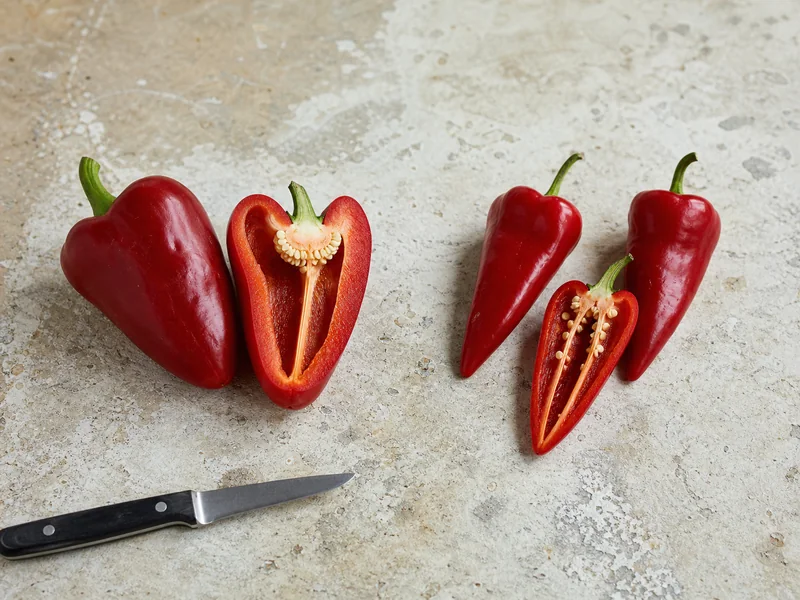
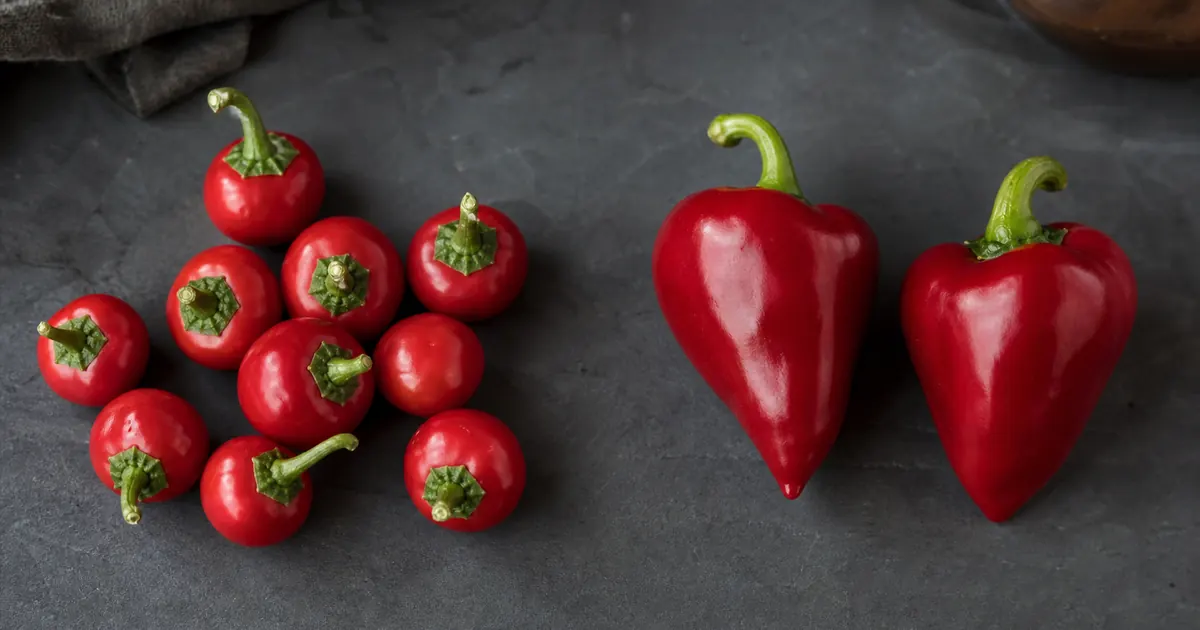
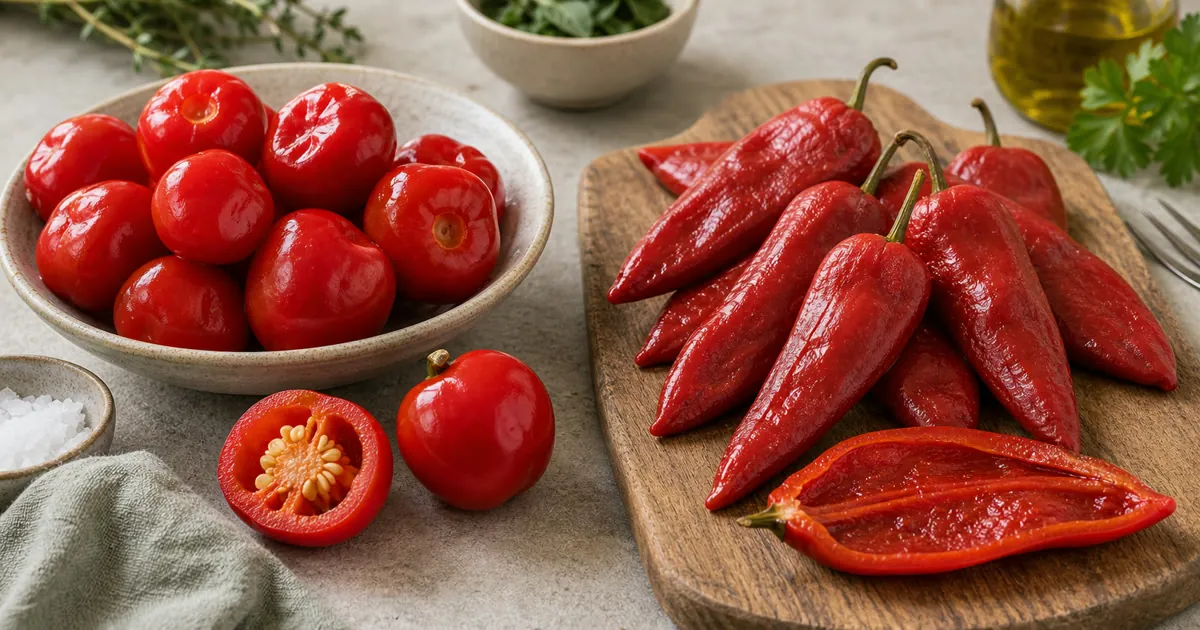
The two peppers look similar after chopping, but their intact pods solve different problems. USDA grade standards describe pimiento pods as smooth, conical or heart-shaped, pointed at the blossom end, and thick-walled.
The Lodosa specification defines fresh piquillo as triangular with a sharp tip, usually no longer than 10 centimeters. It also gives a typical diameter of 4 to 5 centimeters and a flesh thickness near 0.3 centimeter.
Thicker pimento flesh gives diced pieces a soft but substantial bite in cheese or salad. Thin piquillo flesh folds around fillings more easily, though it also tears sooner when overfilled.
Drain a whole piquillo by supporting it in your palm rather than pulling it from the tip, and choose the pimento pack style that saves the most cutting from the USDA-recognized whole, halves, pieces, slices, and diced styles.
Both standards also recognize multiple finished forms. The Lodosa specification permits whole peppers, strips, or pieces, while USDA pimiento grades distinguish whole, halves, pieces, whole-and-pieces, slices, and diced packs.
What to Look for on a Pimento or Piquillo Jar
The front label tells you the pepper name, but the back label often predicts the finished dish better. Cut style, added acid, salt, firming agents, and packing liquid all affect texture and seasoning.
A protected Lodosa product should identify Pimiento del Piquillo de Lodosa PDO. The European Union approved the current protected specification in 2020, and the Spanish document ties the name to defined production and processing requirements, making the PDO mark useful when you want dry-peeled texture and controlled origin instead of a generic roasted pepper.
- Choose diced or sliced pimento for spreads, relishes, and olive filling.
- Choose whole piquillo for stuffing or plating intact.
- Compare drained weight when two jars look the same size.
- Read the ingredient list before adding acid or salt.
- Reject torn whole pods when presentation matters.
Generic piquillo can still be useful, but neither the word piquillo alone promises the Lodosa method nor a roasted red peppers label confirms the pimiento cultivar.
After opening, refrigerate both products according to the manufacturer's directions and keep the peppers covered by their packing liquid when the label instructs it. Discard a jar with a broken seal, swelling, mold, or an unexpected odor.
Which Is Better for Stuffing, Pimento or Piquillo?
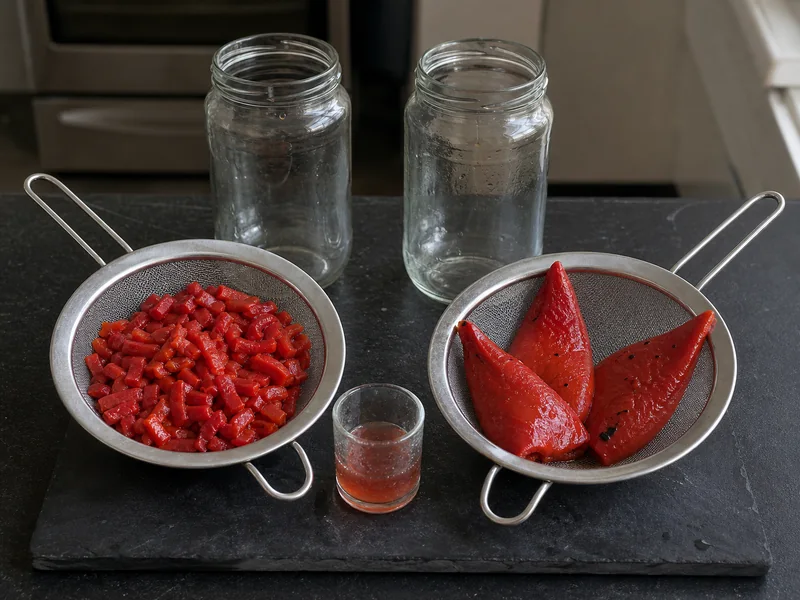
Stuffing exposes the largest practical gap between these peppers. A whole piquillo has a natural pocket, while retail pimento commonly reaches the cook already sliced or diced.
Use a compact, cool filling for piquillo and leave space near the opening. Dense mixtures of tuna, salt cod, rice, mushrooms, or soft cheese are easier to control than a loose hot filling.
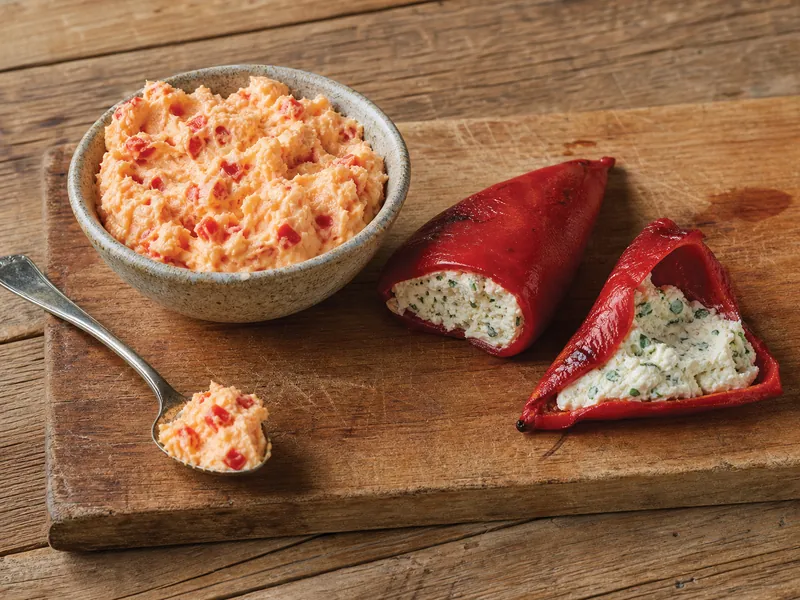
Pimento performs the opposite job in a spread because small pieces distribute sweetness and red color through cheese or mayonnaise without creating a slippery wrapper around the filling.
For pimento cheese, drain and blot the pieces before mixing so extra packing liquid does not loosen the texture. For stuffed piquillos, drain gently and reserve a sound pod or two because thin walls can split.
If only diced piquillo is available, it can season a spread but will add more roast and may add more acid. If only whole pimento is available, chop it for the mixture rather than trying to imitate a delicate piquillo shell.
Can You Substitute Pimento for Piquillo?
A one-to-one swap works only when both peppers are chopped and the dish can tolerate a change in roast. We recommend starting with equal drained volume in sauces, fillings, egg dishes, and cold spreads.
Taste before changing the rest of the seasoning because piquillo may reduce the need for smoked paprika or extra roasting, while pimento may need a small roasted component when char is central to the dish.
For a sauce that seems too smoky after the swap, dilute with more of the sauce base rather than adding sugar immediately. For a pimento-based spread that tastes flat after replacing piquillo, add acidity in small measured amounts.
The reverse swap is easier in purees than in composed tapas. Once shape becomes part of the serving, the peppers stop being interchangeable even if their drained weights match.
Fresh pimento can move closer to piquillo when you blister and peel it before chopping. The National Center for Home Food Preservation gives an oven or broiler method at 400 F for 6 to 8 minutes, followed by covered cooling and peeling.
Quarter a thick pimento before roasting so more surface reaches the heat and adds char without pretending to create piquillo's thin triangular pocket or the dry-peeled Lodosa processing character.
Do not carry a cooking swap into a home-canning formula. NCHFP treats peppers as low-acid vegetables and specifies pressure-canning procedures, so a flavor substitution does not authorize changing a tested preservation recipe.
For a weeknight sauce, the useful test is simpler. Roast pimento when you need more char, use jarred piquillo when you need speed, and keep the measured pepper amount stable until you taste the blended sauce.
Buying And Storage
Buy the package that minimizes handling after opening. A cleanly diced pimento saves time in spreads, while intact piquillos are worth seeking when every pod must hold a filling.
Check the drained weight rather than comparing only jar volume because a container with more liquid can look economical but yield fewer usable peppers.
Color should be a deep, even red for both products, but dark roasted patches are normal on piquillo. Pimento pieces should look plump rather than frayed, and whole piquillos should not be crushed against the lid.
For a plated appetizer, count usable whole piquillos before planning portions. For a chopped recipe, measure after draining so packing liquid does not distort the ratio.
Both leftovers belong in a clean refrigerated container if the original package is unsuitable for storage. Follow the label's time limit because processing and packing liquids vary by producer.
Pimento Pepper vs Piquillo Pepper FAQ
- USDA Agricultural Marketing Service - United States Standards for Grades of Canned Pimientos
- USDA Agricultural Marketing Service - Canned Pimientos Inspection Instructions
- Spanish Ministry of Agriculture - Pimiento del Piquillo de Lodosa PDO Specification
- European Union - Commission Implementing Regulation 2020/1528
- National Center for Home Food Preservation - Peppers