

KnowThePepper
Biquinho Means Little Beak: A Sweet 80-500 SHU Brazilian Pickling Pepper
Biquinho is a small Brazilian Capsicum chinense pepper listed by Embrapa at 80-500 SHU. Its crisp teardrop pods work best in pickles, snack plates, salads, and garnish.
- Species: C. chinense
- Heat tier: Mild (0-999 SHU)
What Is Biquinho Pepper Known For?
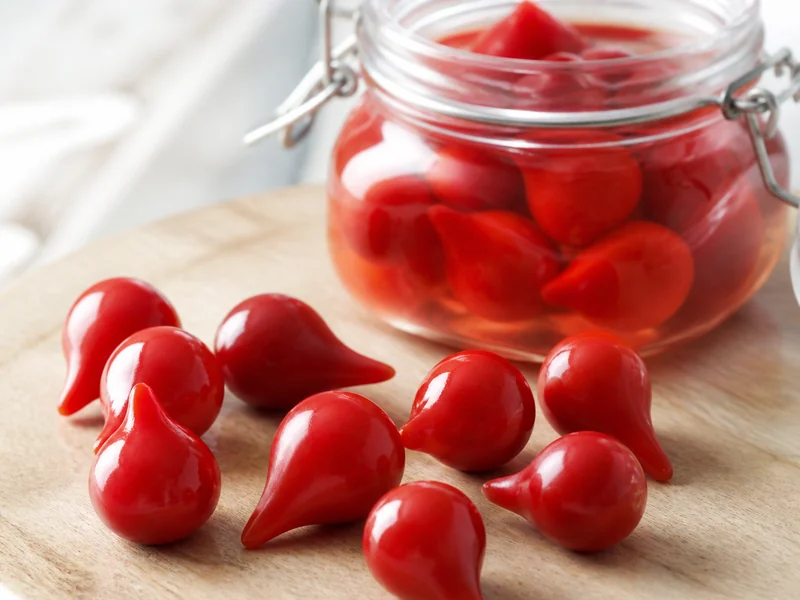
The biquinho pepper is a small Brazilian Capsicum chinense with a pointed tip that gives it its name, little beak.
Embrapa puts the heat at 80 to 500 SHU, which is low enough that aroma, crisp texture and shape decide how it is used.
Ripe fruit may be red, yellow, or salmon and usually measures about 3 cm. The glossy teardrop form distinguishes it from round cherry peppers and thicker deli peppers.
Whole pods fit pickling jars, snack plates, salads, and garnish because diners can eat them without the heat commitment of a jalapeno. See how biquinho differs from Peppadew before making that deli-style swap.
It belongs to the Capsicum chinense family despite sitting at the mild end of a species better known for the habanero.
Named cultivar data stays attached to its cultivar here rather than being spread across every biquinho seed line.
What Is the History of Biquinho Pepper?
Embrapa says biquinho reached Brazil's commercial market through the Triangulo Mineiro in the early 2000s. Its use in conservas and snack foods helped the type spread across the country.
Brazilian breeding programs later released named cultivars including BRS Moema and BRS Tui. Those releases document traits such as uniform fruit, productivity, mild eating quality, and vitamin C for a specific seed line.
The commercial history is recent, while the pepper sits within a much older South American Capsicum tradition. Avoid assigning one cultivar's measured trait to the entire group.
How Hot Is Biquinho Pepper, and What Does It Taste Like?
The Biquinho Pepper delivers 80–500 Scoville Heat Units, placing it in the Mild tier (0-999 SHU).
Flavor notes: sweet, aromatic, and lightly tangy.
What Nutrients Does Biquinho Pepper Provide?
Embrapa reports 250 mg vitamin C per 100 g for the named BRS Tui cultivar. That figure is cultivar evidence and should not be treated as a guaranteed value for every fresh pod or commercial jar.
Pickling changes the practical nutrition choice because brine adds sodium. Compare the product label when buying jarred biquinho rather than assuming fresh-pepper values still apply.
Heat barely enters the portion decision here.
The capsaicin mechanism still applies, but this pepper is chosen for aroma and crunch rather than for burn.
How Do You Use Biquinho Pepper in the Kitchen?
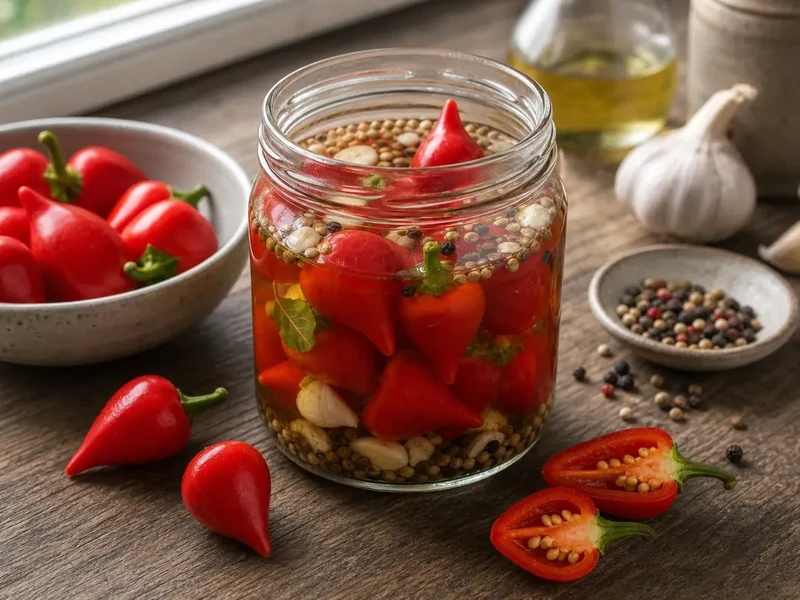
Pickling is the clearest use, because thin flesh takes up brine while the whole pod holds its shape.
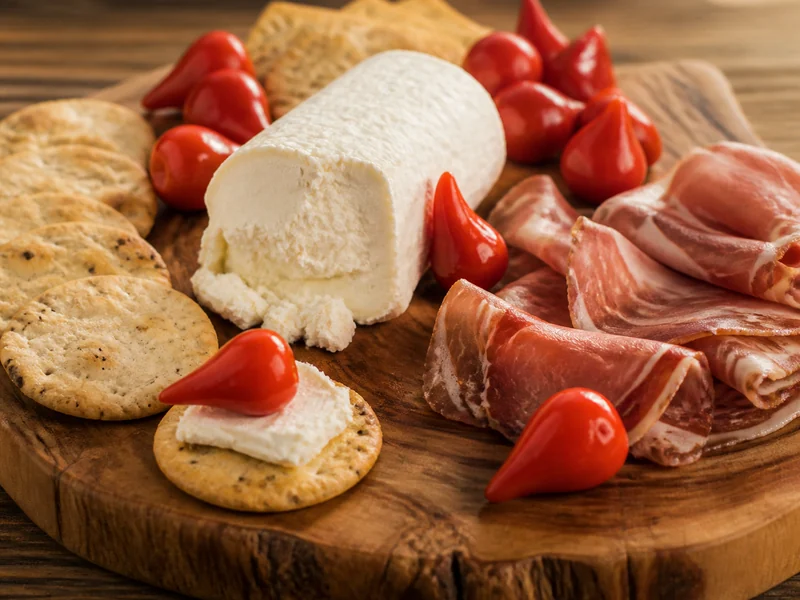
Serve drained pods with cheese, grilled meat, sandwiches or antipasto, much the way a peppadew gets used, though the two are not the same pepper.
Fresh biquinho adds sweet aroma and a crisp bite to salads and cold plates. Its 80-500 SHU range supplies a light chile note without turning the dish into a heat challenge.
Cooked pods work in eggs, rice, pasta, seafood, and quick sauces. Add them late when you want the fruit to remain visible rather than dissolving into the base.
For a quick pickle, cover clean whole pods with a properly prepared refrigerated brine and keep the jar cold. This profile does not replace a tested shelf-stable canning process.
How Do You Keep Biquinho Pepper Fresh?
Choose glossy, firm pods without wet spots, splits, or wrinkled skin. Outside Brazil, sealed jars are often easier to find than fresh fruit.
Embrapa says carefully harvested fresh fruit can remain in a cool place for 2-3 days. Refrigerated dry pods may keep for up to 2 weeks in a suitable container.
Do not wash fresh pods before storage because surface moisture speeds spoilage. Wash them immediately before eating or preserving.
Freezing can hold the harvest for about 6 months, according to Embrapa guidance, but thawed pods lose crispness. Reserve frozen fruit for cooked dishes and sauces rather than garnish.
For jarred biquinho, follow the manufacturer's refrigeration instructions after opening. Clear brine and firm fruit are better signs than a distant best-before date alone.
Dried form: Biquinho can be dried, but drying removes the crisp texture that makes the whole fresh fruit distinctive. Use dried pieces where mild pepper aroma matters more than a juicy bite.
Store completely dried pods airtight away from light and moisture. Grind only the amount needed because whole pods retain aroma longer than powder.
| Form | Keeps for | What you give up |
|---|---|---|
| Fresh, cool place | 2 to 3 days | Nothing, this is the pepper at its best |
| Fresh, refrigerated dry | up to 2 weeks | Some crispness toward the end |
| Frozen | about 6 months | The crunch entirely, so cooked dishes only |
| Dried | Airtight and dark, ground as needed | The juicy bite that makes the fresh pod distinctive |
Which Peppers Can Replace Biquinho Pepper?
Direct comparisons show where flavor, form, and preparation differ in the Biquinho vs Peppadew and Biquinho vs Aji Dulce matchups.
How Do You Grow Biquinho Pepper at Home?
Start seed indoors about 8 weeks before transplanting, following University of Minnesota Extension's general pepper timing. Warm medium and bright light support compact seedlings.
Move hardened plants outside after frost danger and when nights remain above roughly 50-55°F. Biquinho is heat-loving and slows in cold soil.
Embrapa puts BRS Moema at about 60 cm, though plant size moves with cultivar and conditions.
A container with steady moisture and real drainage suits a plant that size, which is what makes this a workable patio pepper.
Uneven watering can contribute to blossom-end rot. Use the blossom-end rot diagnosis when fruit develops a dark sunken end.
Harvest when the pod reaches its named cultivar color and glossy finish. Green fruit has not developed the same ripe sweetness or color used in pickles.
Biquinho Pepper FAQ


- Pimenta Biquinho - Embrapa
- Embrapa Hortaliças: Pimenta biquinho
- Embrapa: BRS Moema cultivar page
- Embrapa Hortaliças: BRS Tui seed availability news
- University of Minnesota Extension: Growing peppers in home gardens
Species classification: C. chinense - based on published botanical taxonomy.