
Biquinho vs Aji Dulce: Aji Dulce Scents the Sofrito, Biquinho Stays Whole
Biquinho Pepper and Aji Dulce both sit near the bottom of the Capsicum chinense heat range but solve different kitchen problems, with Biquinho bringing mild tang, firm pickled texture, and the teardrop shape Brazilian cooks love for garnish work while Aji Dulce brings sweeter habanero-like fragrance when aroma matters more than shape. If you are choosing between them, pick Aji Dulce for sofrito and seasoning bases, and pick Biquinho for pickles, boards, and whole-pepper presentation.

Biquinho Pepper
MildAji Dulce
MildQuick Comparison
| Attribute | Biquinho Pepper | Aji Dulce |
|---|---|---|
| Scoville evidence | 80-500 SHU | 0-500 SHU |
| Heat Tier | Mild | Mild |
| vs Jalapeño | n/a | n/a |
| Flavor | sweet, aromatic, and lightly tangy | sweet, fruity, aromatic |
| Species | C. chinense | C. chinense |
| Origin | Brazil | Caribbean and Venezuela |
Is Biquinho Hotter Than Aji Dulce?
Both peppers are mild enough for cautious eaters, but Biquinho Pepper usually sits a little warmer. The current KTP rows place Biquinho at 80 to 500 SHU and Aji Dulce at 0 to 500 SHU, which keeps both peppers inside the mild heat tier and far below jalapeno territory.
In practical cooking, the difference is small.
Biquinho can leave a faint tingle when you eat several whole pickled pods in a row, while Aji Dulce usually reads as essentially heatless.
The useful takeaway is simple: neither pepper wins on brute force.
If your real question is which one is hotter, Biquinho edges ahead. If your real question is whether either one is safe for heat-sensitive guests, both usually are.
How Do Biquinho and Aji Dulce Taste Different?
Flavor is where this comparison becomes useful. Aji Dulce is sweeter, more perfumed, and more obviously tied to the Capsicum chinense aromatic family.
It gives off the floral-fruity signal people associate with habanero relatives, but without the sting.
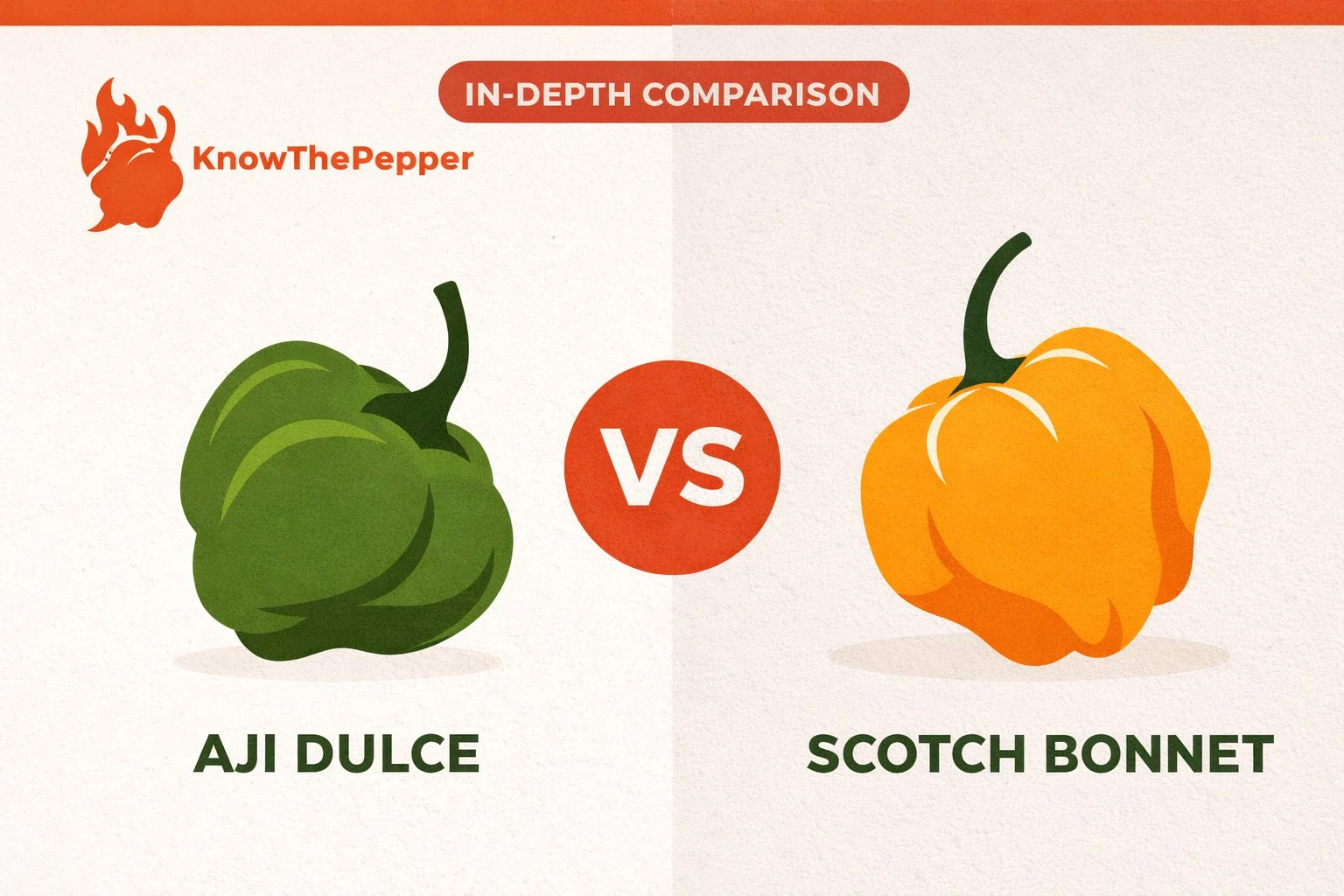
That is why it matters so much in Caribbean cooking and why the comparison with a much hotter Scotch bonnet relative is so instructive.
Biquinho Pepper is gentler and more playful. The fruit is sweet, fruity, and lightly tangy rather than deeply perfumed.
Pickled examples often emphasize that tang even more, which makes the pepper feel bright and snackable instead of fragrance-driven.
If you compare it with Biquinho and Peppadew, the shared use case makes sense even though the flavor profile does not fully overlap.
A good shorthand is this: Aji Dulce smells more important in the pan, while Biquinho looks better whole on the plate.
If aroma drives the dish, Aji Dulce has the clearer edge. If appearance and tidy whole-pepper texture matter, Biquinho is easier to use.
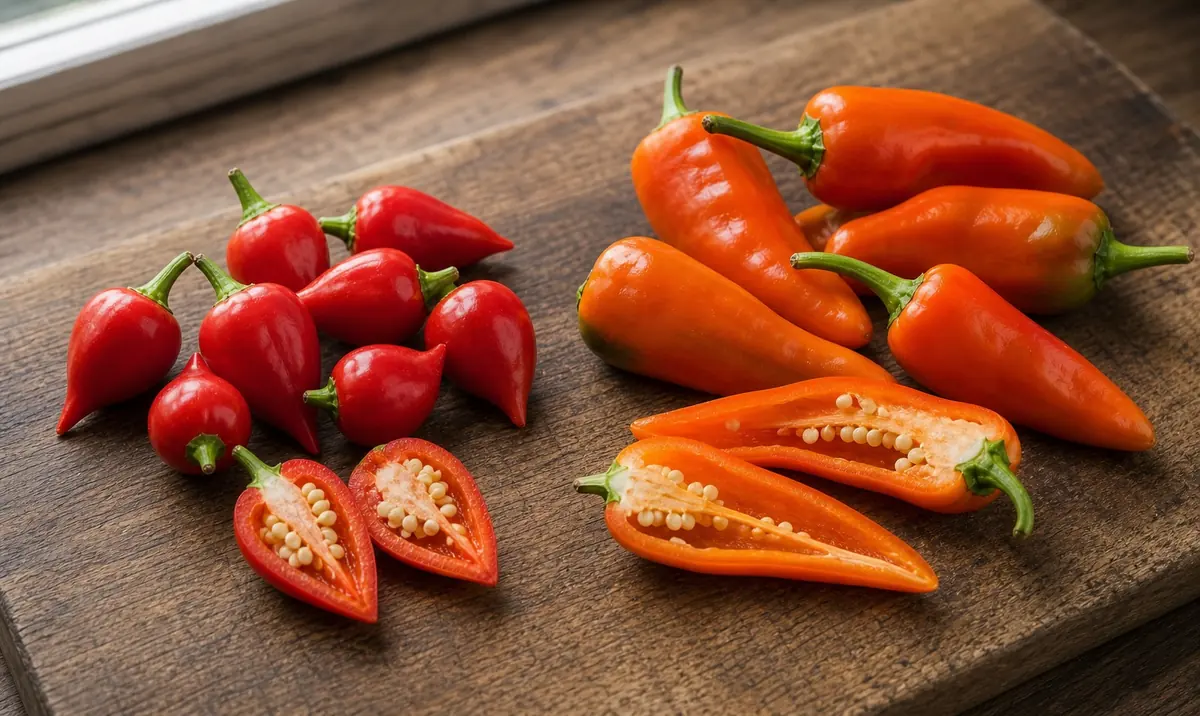
Cooking Uses
Use Aji Dulce when you need the aromatic backbone of a seasoning pepper. It is especially strong in sofrito, recaito-style bases, light marinades, and stews where pepper fragrance should spread through the whole dish.
If you are sourcing adjacent sweet aromatic peppers, the side-by-side with another perfume-style chinense selection helps define where Aji Dulce sits.
Use Biquinho Pepper when the pepper will stay visible. Its pointed teardrop shape, mild tang, and sturdy pickled texture make it ideal for antipasto plates, bar snacks, sandwiches, cream-cheese stuffing, and garnish work.
It is also easier to scatter whole across a platter without the pepper collapsing into the background.
For substitution, Aji Dulce can replace Biquinho at 1:1 in cooked dishes when the real goal is aroma and mild sweetness.
Going the other direction is less exact. Biquinho will preserve the mild heat level, but it will not perfume a sofrito or pan sauce the way Aji Dulce does.
This is also a regional comparison.
Biquinho Pepper points you toward the South American peppers.
Aji Dulce points you toward the broader South American and Caribbean seasoning-pepper tradition. That difference shows up on the plate.
Which Should You Choose, Biquinho or Aji Dulce?
Choose Aji Dulce when the dish needs fragrance first. It is the better pick for sofrito, seasoning pastes, and any recipe where a sweet habanero-family aroma should carry more weight than the pepper's appearance.
Choose Biquinho Pepper when texture, plating, or pickled snack use matters more. It is the stronger option for antipasto boards, whole-pepper garnishes, and mild stuffed bites because the shape and firmness are part of the appeal.
If you only care about heat, the two are close enough that it should not decide the recipe.
If you care about aroma, Aji Dulce wins, while Biquinho wins when you care about whole-pepper presentation.
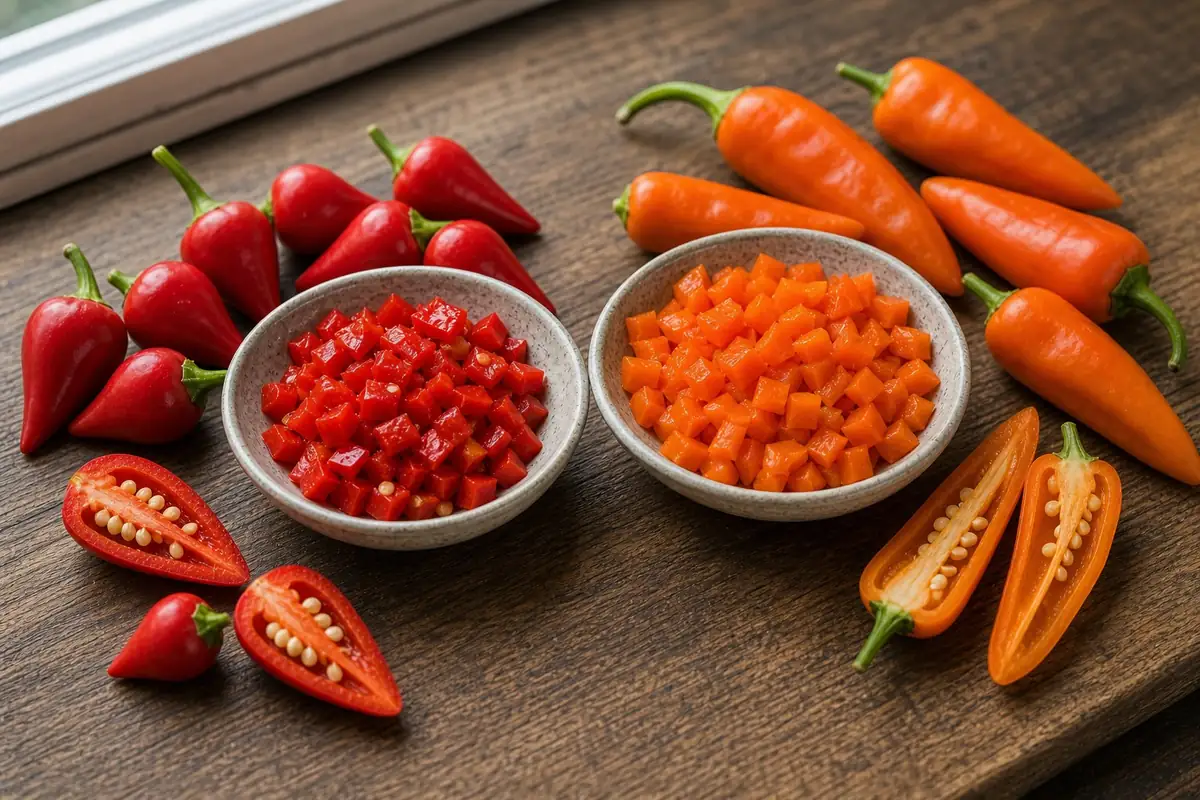
Decision By Dish
Choose biquinho when the dish needs tiny sweet peppers with a beak shape and almost no heat. It is the better choice for pizza finishing, salads, cocktails, cheese boards, and pickled garnish bowls where the pepper is eaten whole.
Choose aji dulce when the dish needs Caribbean or Latin sofrito aroma without habanero-level heat. It is better for sofrito, recaíto-style bases, beans, rice, stews, and sauces where the pepper is chopped and cooked into the foundation.
Both are mild, but they do different jobs.
Biquinho is a snack and garnish pepper. Aji dulce is a cooking-aroma pepper.
That distinction matters more than the small SHU difference.
Can You Swap Biquinho and Aji Dulce?
Use 2 to 3 biquinho peppers for 1 aji dulce only when the dish can lose some aromatic depth. Add a little sweet pepper and a tiny piece of habanero if the recipe needs the aji dulce perfume without real heat.
Use 1 chopped aji dulce for 2 to 3 biquinho peppers in cooked bases, but do not expect the same visual pop. Aji dulce pieces disappear into sofrito faster than whole biquinho peppers.
For pickled garnish, biquinho is the better substitute.
For sofrito, aji dulce is much harder to replace.
How Do Biquinho and Aji Dulce Behave Raw and in Oil?
In raw garnish tests, biquinho tasted cleaner and more playful because each pepper stayed intact. Aji dulce tasted more aromatic but less crisp as a whole snack.
In oil with onion and garlic, aji dulce pulled ahead quickly. Its aroma spread through the base, while biquinho stayed sweet but quiet.
That is why a garnish pepper can fail in a cooking-base role.
Serve biquinho whole or lightly pickled. Chop and cook aji dulce when the aroma should season the whole pot.
Buying Prep And Storage Notes
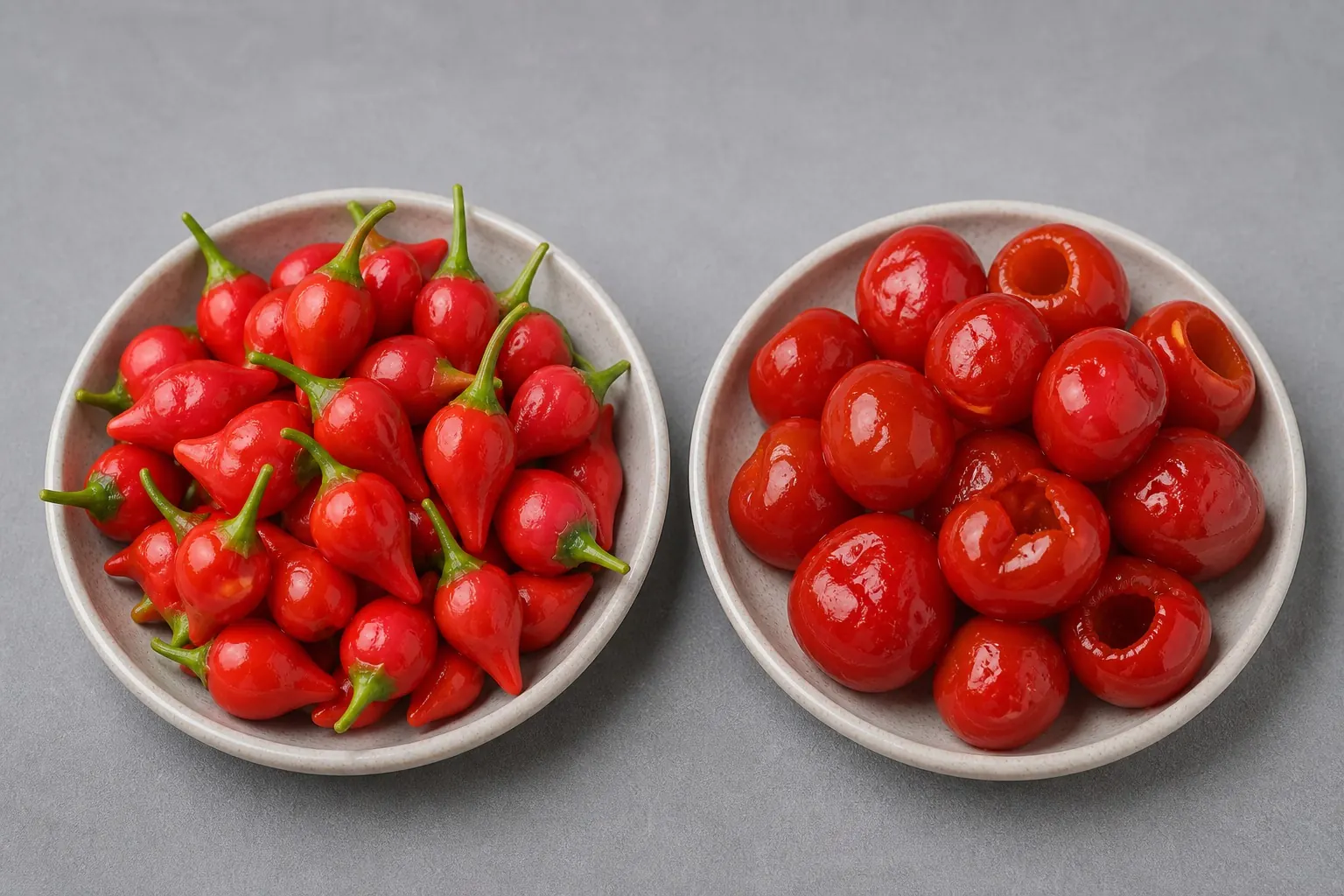
Buy biquinho when shape matters. The small beak-like pods should look plump and bright, whether fresh or pickled.
In jars, look for whole peppers that have not collapsed, because the whole-pod pop is a major reason to choose them.
Buy aji dulce when aroma matters. Fresh pods should smell fruity and chinense-like, closer to habanero family perfume than to bell pepper.
If you buy frozen or jarred aji dulce, expect softer texture but useful cooking aroma.
For prep, leave biquinho whole for garnish, pizza, cocktails, and cheese boards. Chop aji dulce fine and cook it with onion, garlic, herbs, or oil so its aroma spreads through the base.
For storage, keep fresh biquinho dry and use it before the small pods wrinkle. Store pickled biquinho submerged in brine.
Fresh aji dulce can be frozen for sofrito-style cooking because texture matters less once it is minced.
Common Mistakes
The biggest mistake is using biquinho in sofrito and expecting aji dulce aroma. Biquinho is sweet and charming, but it does not carry the same low-heat habanero-family perfume through oil and onions.
The second mistake is using aji dulce as a garnish where biquinho's shape is the point. Chopped aji dulce can taste good, but it will not give the same tiny whole-pepper bite on a plate.
The third mistake is judging both only by heat.
Both are mild, but the main difference is use: biquinho finishes dishes, while aji dulce starts sauces and stews.
Where Are Biquinho and Aji Dulce Used?
Biquinho is especially useful where the plate needs a mild pepper that looks distinctive: Brazilian-style snacks, pizza toppings, salads, and bar garnishes. Its job is often visual as much as flavorful.
Aji dulce belongs more in Caribbean and Latin American cooking bases. It lets cooks borrow chinense aroma without habanero heat, which is why it matters in beans, rice, stews, and sofrito-style blends.
That regional split is why the two can be substitutes only in narrow cases.
They share mildness, but they do not share the same job.
Service Examples
Service example: on a cheese board, biquinho should stay whole. The pepper gives a sweet pop between bites of cheese, nuts, and cured meat.
Aji dulce would need chopping and would lose the visual reason people notice biquinho.
Service example: in beans and rice, aji dulce should be minced into the cooking base. It seasons the oil with low-heat chinense aroma.
Biquinho added at the same stage tastes sweet but quiet, and the small shape no longer matters.
Service example: on pizza, biquinho works after baking because it keeps color and shape. Aji dulce works better under the sauce or in a cooked topping mix.
One finishes the dish, while the other builds the dish.
Service example: in a mild hot sauce, aji dulce can carry aroma while another pepper supplies heat. Biquinho can add sweetness and acidity, but it rarely provides enough aromatic backbone for the whole sauce.
If the dish is served family-style, put biquinho on top and cook aji dulce underneath. That placement keeps each pepper in its strongest role.
Substitution
Start near 1:1 by amount because the heat ranges are close enough that flavor, form, and recipe role matter more than a strict Scoville conversion.
Biquinho Pepper vs Aji Dulce FAQ
- Capsicum chinense Jacq. - USDA GRIN Taxonomy
- Embrapa - Pimentas do Brasil