
South American Peppers by Aji Type, Region, and Use
South American peppers include fragrant ajís, thick-walled rocotos, and small sauce peppers whose species and sold form lead to different cooking choices.

All South American Peppers
Every variety in this collection, sorted by maximum Scoville heat rating. Click any card for the full profile with flavor notes, anatomy details, growing tips, and substitutes.
 Extra-Hot
Aji Chombo
 Extra-Hot
Pimenta de Neyde
View profile →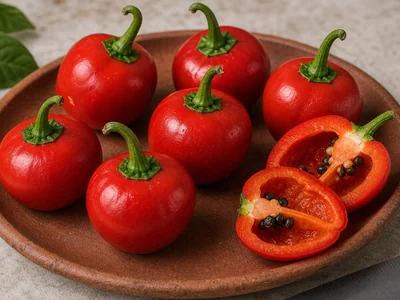 Hot
Hot
Rocoto
 Hot
Hot
Aji Cito
 Hot
Hot
Malagueta Pepper
View profile → Hot
Hot
Aji Amarillo
 Hot
Hot
Aji Limo
 Hot
Hot
Aji Mirasol
 Hot
Hot
Aji Omnicolor
 Hot
Hot
Lemon Drop
 Hot
Hot
Aji Pineapple
View profile → Hot
Hot
Inca Red Drop Pepper
View profile → Medium
Aji Panca
 Mild
Mild
Biquinho Pepper
Species Breakdown
South America peppers span multiple Capsicum species. Each species has distinct characteristics, which the profiles below explain in detail.
What This South American Collection Covers
This collection displays 16 published pepper profiles after duplicate-name records are collapsed, not a complete census of every wild or cultivated Capsicum in South America. It includes Ají Amarillo, Ají Chombo, Ají Cito, Ají Limo, Ají Mirasol, Ají Omnicolor, Ají Panca, Ají Pineapple, Biquinho, Cayenne, Inca Red Drop, Lemon Drop, two separately published Malagueta profiles, Pimenta de Neyde, and Rocoto.
That scope matters because a regional label alone cannot tell you how a pepper tastes or behaves in a recipe. Use the inventory near the top of this page to open an individual profile, then check the species, ripe color, heat range, and form before buying.
Aji Is a Family of Names, Not One Flavor
The word ají is a broad Spanish-language name for chile peppers, while New Mexico State University identifies Capsicum baccatum as the species containing the true ajís. Within that group, Ají Amarillo brings a ripe yellow-orange pod and a rounded fruity character, while Ají Limo is selected when a smaller, sharper fresh chile suits ceviche or salsa.
Names also describe form or market identity rather than one shared flavor. Ají Mirasol, Lemon Drop, Ají Cito, and Ají Omnicolor belong to different cooking and growing decisions, so “an ají” is never a precise one-for-one substitution.
Choose ripe yellow-orange fruit or paste when color, body, and rounded fruitiness matter.
Choose a fresh small pod for a bright preparation such as ceviche or salsa.
Open the profile before substituting because the name, aroma, and sold form point to different uses.
Species Changes the Pod, Seed, and Kitchen Role
New Mexico State University separates five domesticated chile species and places true ajís in C. baccatum, rocotos in C. pubescens, and the original malagueta in C. frutescens. This distinction predicts useful traits that a regional list cannot, including pod wall thickness, seed appearance, plant habit, and the way heat arrives in food.
Rocoto is the clearest visual exception in this collection because its juicy, thick-walled fruit contains dark seeds. Kew records C. pubescens as native from Peru to Bolivia, while the slimmer Malagueta belongs to a different species and is used in Brazilian and Portuguese-speaking pepper sauces.
Peru, Brazil, and the Northern Coast Need Different Shortlists
For a Peruvian cooking path, begin with Ají Amarillo, Ají Limo, Ají Mirasol, Lemon Drop, and Rocoto, then narrow the choice by dish and available form. Ají Amarillo paste is a practical base for sauces and stews, Ají Limo suits bright fresh preparations, and Rocoto supplies thick flesh as well as serious heat.
For Brazil, compare Malagueta with the dark-leaved Pimenta de Neyde rather than treating them as regional synonyms. The collection also includes Cayenne and Aji Chombo, but their profile pages should decide the final purchase because a broad continental association does not prove a single national cooking role.
Start with Ají Amarillo, Ají Limo, Ají Mirasol, Lemon Drop, or Rocoto.
Compare Malagueta with Pimenta de Neyde and keep their different identities intact.
Use Cayenne or Aji Chombo only after checking the individual profile and recipe tradition.
Choose Aroma and Texture Before Maximum Heat
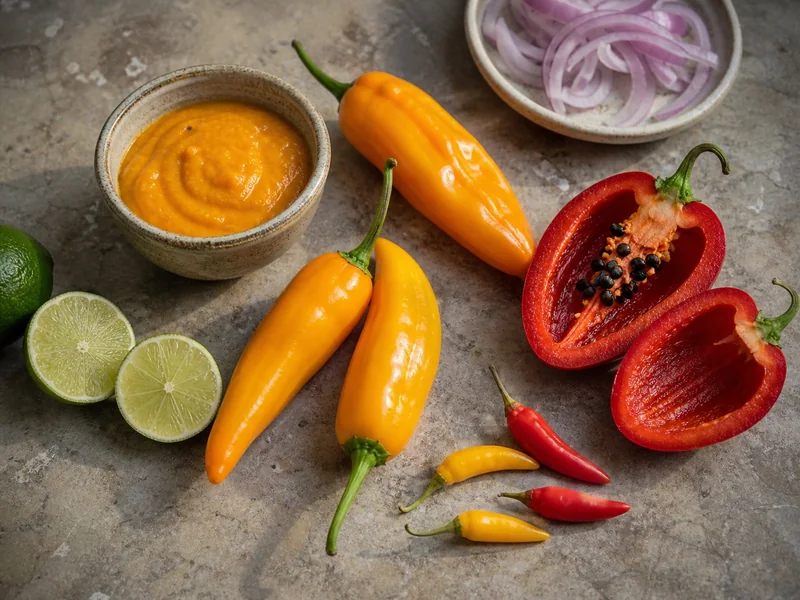
Start with the job in the dish: a smooth yellow paste for body and color, a fresh aromatic pod for ceviche, a thick rocoto wall for a filled preparation, or a small hot pod for sauce. The photograph below shows why those jobs are visibly different even before Scoville ratings enter the decision.
Heat still affects dosage, but it should not erase flavor and texture. Add a hot pepper in measured amounts, keep the recipe batch size in view, and use the individual profile heat range instead of assuming that every ají or every South American pepper lands in the same band.
| Reader task | Useful starting point | Trait to confirm |
|---|---|---|
| Build a smooth yellow sauce | Ají Amarillo paste | Salt, acid, and pepper percentage |
| Season a bright fresh dish | Ají Limo | Fresh aroma and dosage |
| Use a thick-walled pod | Rocoto | Black seeds and juicy flesh |
| Make a small-pod hot sauce | Malagueta | Species and heat range |
Buy the Form the Recipe Actually Names
Fresh pods, whole dried pods, powder, flakes, and prepared paste are different ingredients. Paste carries moisture and may contain salt or acid, dried pods need rehydration or toasting, and powder disperses immediately, so equal spoonfuls do not produce equal flavor or heat.
Read the ingredient label when buying jarred paste and confirm that the named pepper appears near the beginning. For fresh or whole dried peppers, compare pod shape and ripe color with the profile, then store the product according to its form rather than applying one storage method to the entire collection.
Before choosing a package
- Match the full pepper name, not only the word ají.
- Confirm fresh, dried, powder, flakes, or paste.
- Read salt and acid on prepared-paste labels.
- Use the individual profile for heat and storage guidance.
Heat Level Distribution
How south american peppers distribute across the Scoville scale. Click any tier to browse all peppers at that heat level.
Heat Range Comparison
Visual breakdown of where each variety falls on the Scoville scale. Wider bars show a larger documented SHU spread between individual pods.
The causes of pepper heat variation explain why pods from one cultivar do not always measure alike.
Related Comparisons
Side-by-side breakdowns of heat, flavor, and cooking uses. Each comparison covers Scoville ratings, pod anatomy, and substitution options.
 30K SHU
vs
100K SHU
30K SHU
vs
100K SHU
Manzano vs Rocoto: The Black-Seeded Cousins
Manzano and rocoto are regional names used for Capsicum pubescens, the thick-walled chile species recognized by its dark seeds. The… 50K SHU
vs
8.4K SHU
50K SHU
vs
8.4K SHU
Aji Amarillo vs Panca: Fruity Yellow vs Smoky Red
Aji Amarillo and Aji Panca are both Peruvian staples from the same botanical family, but they sit at opposite ends of the flavor and… 50K SHU
vs
350K SHU
50K SHU
vs
350K SHU
Aji Amarillo vs Habanero: Paste Fruit or Raw Fire?
Aji amarillo is the better pick when a sauce needs Peruvian yellow color, paste body, and medium-hot fruit. Habanero is the better… 50K SHU
vs
50K SHU
50K SHU
vs
50K SHU
Aji Amarillo vs Aji Limo: Two Peruvian Ajis
Aji Amarillo and Aji Limo share the same 30,000-50,000 SHU heat range and both hail from Peru, but they belong to different species… 50K SHU
vs
30K SHU
50K SHU
vs
30K SHU
Aji Amarillo vs Lemon Drop: Paste or Bright Heat?
Choose Aji Amarillo when the dish needs Peruvian yellow chile body, sauce color, and paste-friendly fruit heat. Choose Lemon Drop when… 50K SHU
vs
50K SHU
50K SHU
vs
50K SHU
Aji Amarillo vs Aji Cristal: Hot Yellow vs Mild Green
Aji Amarillo and Aji Cristal are two Capsicum baccatum peppers from South America that share an identical heat range of 30,000-50,000…Browse all comparisons in our comparison hub, or use the pepper tools for calculators and finders.
Related Guides
Reference guides and recipes tied to the same pepper family, region, or use-case.


Explore Other Origins
Peppers evolved in the Americas and spread worldwide through the Columbian Exchange. Each region developed distinct varieties shaped by local cuisine and climate.
Frequently Asked Questions
Keep Reading
Jump into the wider database, heat tiers, comparisons, and substitute references without another card wall.