
Capsicum baccatum Varieties: South American Ajís From 280 to 100,000 SHU
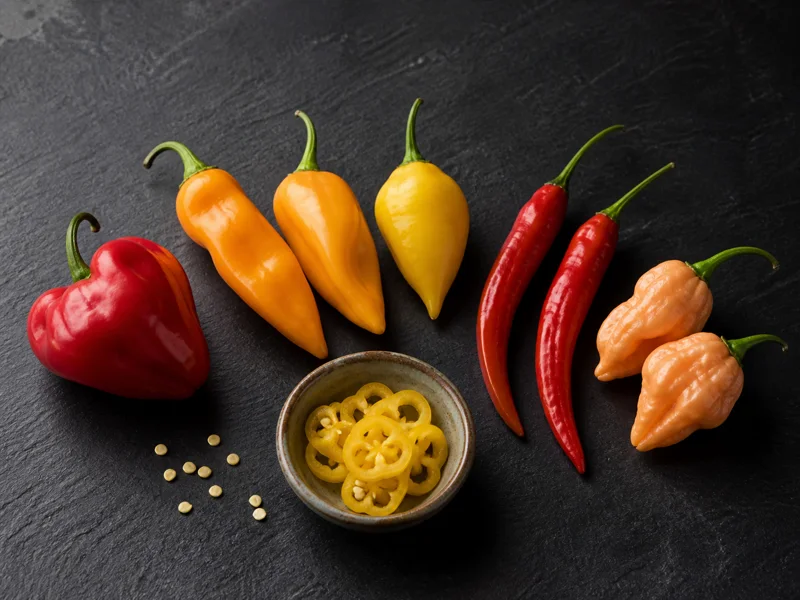
Kew recognizes Capsicum baccatum as an accepted South American species; this collection spans pendant ajís, winged crown forms, and fruit colors from yellow to peach and red.

Ajís Across Capsicum baccatum
All Capsicum baccatum Profiles
Every variety in this collection, sorted by maximum Scoville heat rating. Click any card for the full profile with flavor notes, anatomy details, growing tips, and substitutes.
 Hot
Hot
Sugar Rush Peach
 Hot
Hot
Sugar Rush Stripey
 Hot
Hot
Aji Cito
 Hot
Hot
Aji Amarillo
 Hot
Hot
Aji Cristal
 Hot
Hot
Aji Mirasol
 Hot
Hot
Aji Omnicolor
 Hot
Hot
Lemon Drop
 Hot
Hot
Bishop's Crown
 Hot
Hot
Aji Colorado
View profile → Hot
Hot
Aji Pineapple
View profile → Hot
Hot
Inca Red Drop Pepper
View profile → Hot
Hot
Criolla Sella Pepper
 Medium
Mad Hatter Pepper
 Mild
Mild
Peppadew Pepper
Origins Breakdown
Capsicum baccatum varieties are grown worldwide. Browse peppers from specific regions in our origin hub pages.
Heat Level Distribution
How capsicum baccatum distribute across the Scoville scale. Click any tier to browse all peppers at that heat level.
Heat Range Comparison
Visual breakdown of where each variety falls on the Scoville scale. Wider bars show a larger documented SHU spread between individual pods.
The causes of pepper heat variation explain why pods from one cultivar do not always measure alike.
Related Comparisons
Side-by-side breakdowns of heat, flavor, and cooking uses. Each comparison covers Scoville ratings, pod anatomy, and substitution options.
 50K SHU
vs
8.4K SHU
50K SHU
vs
8.4K SHU
Aji Amarillo vs Panca: Fruity Yellow vs Smoky Red
Aji Amarillo and Aji Panca are both Peruvian staples from the same botanical family, but they sit at opposite ends of the flavor and… 50K SHU
vs
350K SHU
50K SHU
vs
350K SHU
Aji Amarillo vs Habanero: Paste Fruit or Raw Fire?
Aji amarillo is the better pick when a sauce needs Peruvian yellow color, paste body, and medium-hot fruit. Habanero is the better… 50K SHU
vs
50K SHU
50K SHU
vs
50K SHU
Aji Amarillo vs Aji Limo: Two Peruvian Ajis
Aji Amarillo and Aji Limo share the same 30,000-50,000 SHU heat range and both hail from Peru, but they belong to different species… 50K SHU
vs
30K SHU
50K SHU
vs
30K SHU
Aji Amarillo vs Lemon Drop: Paste or Bright Heat?
Choose Aji Amarillo when the dish needs Peruvian yellow chile body, sauce color, and paste-friendly fruit heat. Choose Lemon Drop when… 50K SHU
vs
50K SHU
50K SHU
vs
50K SHU
Aji Amarillo vs Aji Cristal: Hot Yellow vs Mild Green
Aji Amarillo and Aji Cristal are two Capsicum baccatum peppers from South America that share an identical heat range of 30,000-50,000… 50K SHU
vs
30K SHU
50K SHU
vs
30K SHU
Aji Omnicolor vs Bolivian Rainbow: Grow or Cook
Aji Omnicolor is the better edible choice when you want bright baccatum fruit and hotter fresh pods. Bolivian Rainbow is the better…Browse all comparisons in our comparison hub, or use the pepper tools for calculators and finders.
Related Guides
Reference guides and recipes tied to the same pepper family, region, or use-case.




Other Capsicum Species
All chili peppers belong to five domesticated Capsicum species. Each species has unique traits in heat capacity, pod shape, and growing requirements.
Frequently Asked Questions
Sources & References
- Kew Plants of the World Online: Capsicum baccatum L.
- Genetic diversity in Capsicum baccatum is influenced by ecogeographical distribution
- Genetic variability in Brazilian Capsicum baccatum germplasm
- Genome evolution in Capsicum baccatum and cultivated peppers
- Pangenomic and phenotypic characterization of Colombian Capsicum germplasm
Keep Reading
Jump into the wider database, heat tiers, comparisons, and substitute references without another card wall.