

KnowThePepper
Aji Cito Pepper: Slim Peruvian Pods With Citrus-Led 80,000-100,000 SHU
Aji Cito is a slim yellow-orange Peruvian C. baccatum pepper commonly listed at 80,000 to 100,000 SHU. Treat that range as a specialist-market estimate, then use its citrus-led heat in measured portions for salsa, quick sauces, finishing oils, flakes, and powder.
- Species: C. baccatum
- Heat tier: Hot (10K-100K SHU)
- Comparison: 10-40x hotter than a jalapeño, depending on where the jalapeño falls in its 2,500-8,000 SHU range
What Is Aji Cito Known For?
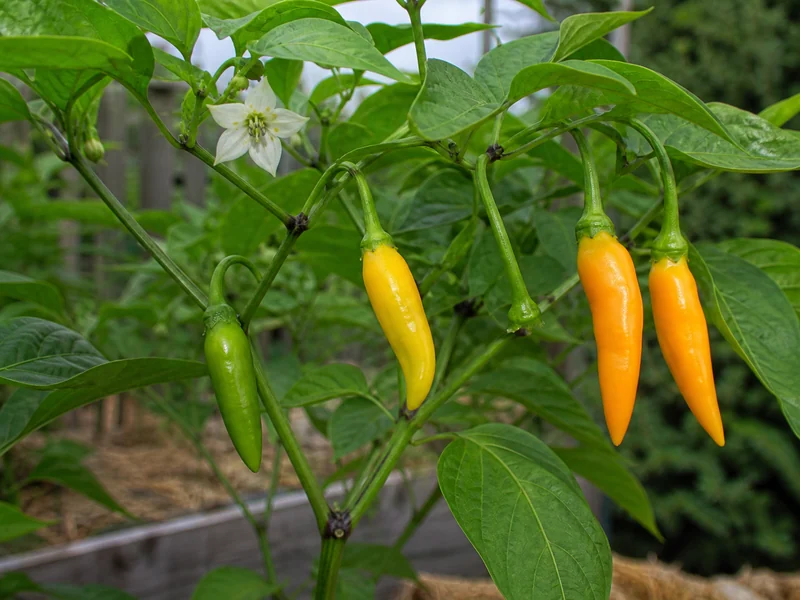
Aji Cito is a small Peruvian Capsicum baccatum pepper with a slim tapered pod and concentrated citrus-led heat, and Mary's Heirloom Seeds describes ripe fruit near 2 inches long and 1/2 inch wide, while Trade Winds Fruit independently lists a slightly curved orange-yellow pod from Peru.
The familiar 80,000 to 100,000 SHU range comes from specialist cultivar listings, not from a published laboratory result tied to a verified Aji Cito accession. Use it as a portioning warning and retail reference rather than a promise that every seed line or harvest will fall inside those limits.
Even the reported 80,000 SHU floor is about 3.5 times the 23,000 SHU upper value commonly listed for a serrano pepper, so for raw food, begin with a measured piece because a whole pod can push a household batch past the point where its citrus aroma remains easy to notice.
Fruit identity needs more than color. A true-to-name listing should agree on C. baccatum, a narrow tapered pod, and a yellow to orange-yellow ripe stage, while a generic long red chile or a round yellow pod needs stronger provenance before it is accepted as Aji Cito.
Flowers provide another species check during the growing season. The PLOS study of Capsicum diversity in Peru and Bolivia describes white C. baccatum flowers with yellow-green spots, which provides a useful clue when the seller name, fruit photo, and mature color do not all agree.
The same study found wide biochemical and morphological variation across Capsicum accessions from Peru and Bolivia. That evidence supports careful identification and range language, but it does not turn the seller-reported Aji Cito heat figure into a cultivar-wide laboratory measurement.
Where Does Aji Cito Come From?
Aji Cito belongs to a South American domesticated species with a long regional history, while the named cultivar has a much thinner documentary trail. A PLOS One survey identifies Peru and Bolivia as the primary center of cultivated Capsicum diversity and treats C. baccatum as one of the domesticated species associated with western South America.
Archaeobotanist Barbara Pickersgill reported cultivated C. baccatum remains from coastal Peru and described Bolivia as the likely domestication area for the species, and those findings support the history of C. baccatum, but they do not prove that the modern name Aji Cito existed in an ancient field or kitchen.
Modern specialty listings provide the narrower cultivar record. Mary's Heirloom Seeds and Trade Winds Fruit agree on Peru, yellow-orange tapered fruit, citrus character, and a high heat estimate, which is enough to define the market identity while leaving its breeder, release date, and accession history unresolved.
Aji Amarillo shares the species and Peruvian context but produces a larger, fleshier, milder fruit used heavily in pastes and sauces, a distinction that matters because transferring Aji Amarillo history, pod size, or cooking ratios to Aji Cito would create a confident story for the wrong cultivar.
How Spicy Is Aji Cito, and How Does It Taste?
The Aji Cito delivers 80K–100K Scoville Heat Units, placing it in the Hot tier (10K-100K SHU). That makes it roughly 10-40x hotter than a jalapeño, depending on where the jalapeño falls in its 2,500-8,000 SHU range.
Flavor notes: fruity and bright.
What Nutrients Does Aji Cito Provide?
No cultivar-specific USDA FoodData Central entry or published Aji Cito laboratory panel was located. Exact calories, vitamin C, carotenoids, and capsaicinoids therefore should not be presented as measurements of this named pepper.
A Food Chemistry study covering 123 C. baccatum genotypes from 22 countries found substantial vitamin C differences by genotype and ripeness stage, which supports the conclusion that a generic species value cannot stand in for one Aji Cito pod, serving, or seed line.
Heat comes from capsaicin and related capsaicinoids, which are produced mainly in the pale placental tissue attached to the inner wall. The seeds can carry capsaicinoid-rich material from contact, but removing seeds alone does not remove the principal source of heat.
At the reported 80,000 to 100,000 SHU level, normal use is a small piece or measured pinch rather than a 100-gram serving. Nutrition claims should follow the actual quantity eaten, while heat handling should follow the pepper's concentrated dose.
How Do You Use Aji Cito in the Kitchen?
Aji Cito suits raw salsa, ceviche-style toppings, quick hot sauce, herb relishes, and finishing oils when a small quantity must provide both citrus aroma and strong heat because short preparation keeps that aromatic reason for choosing the cultivar clearer than a long reduction.
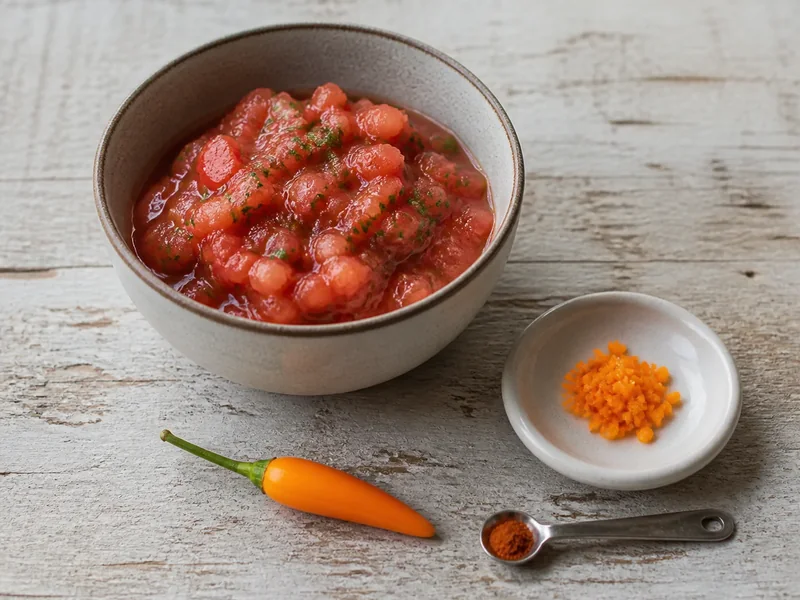
For a 2-cup bowl of salsa, begin with one-quarter of a ripe pod minced very finely. Rest the mixed salsa for 10 minutes, taste it with the food it will accompany, and add another small piece only when the citrus note remains clear and the heat still fits the meal.
A quick blender sauce can pair one-quarter pod with lime, garlic, salt, and enough vinegar or water to reach the intended pour, so add more pepper by measured pieces after blending because correcting excessive heat with extra acid changes the sauce as well as the dose.
For a finishing oil, warm the oil gently with a small sliced piece and remove the pan before the pepper browns. This is editorial portion guidance, so label the jar, keep it refrigerated, and use the oil promptly rather than treating it as a shelf-stable infusion.
Fully dried Aji Cito can be crushed into flakes or powder, beginning with 1/16 teaspoon per serving, distribute it through the food, and wait before adding more because an unmixed pocket of powder delivers a much sharper dose than the same amount spread evenly.
Lemon Drop pepper keeps a bright citrus direction but usually brings less peak heat and a longer yellow pod. Tiny round Aji Charapita supplies tropical aroma in another high-value Peruvian pepper, while its pod shape, species, and serving behavior remain different.
Choose the alternative by the dish because Lemon Drop fits a fresh relish that needs lemon character, Aji Amarillo fits a thicker Peruvian paste, and Aji Charapita fits a sauce where tiny whole pods and tropical aroma matter more than matching Aji Cito's narrow fruit.
Dosing a 2-cup bowl of salsa
- Mince one quarter of a ripe pod as finely as it will go
- Mix it through and rest the salsa for 10 minutes
- Taste it with the food it is going on, not on its own
- Add another small piece only if the citrus still reads clearly and the heat still fits the meal
How Do You Buy and Store Aji Cito?
Fresh Aji Cito is uncommon in ordinary supermarkets, so buy by a bundle of identity clues rather than by the seller name alone. Check for C. baccatum, Peruvian provenance, a slim pod near the reported dimensions, and a yellow to orange-yellow ripe stage before accepting generic red or round fruit.
Choose firm pods with attached stems and no wet spots, mold, deep wrinkles, or collapsed skin. Green fruit is usable but has not reached the ripe color described by the cultivar listings, so it should not be used as the only photo reference for identifying a seed line.
University of Minnesota Extension says peppers can keep for a week or more under refrigeration. Store the pods dry and unwashed in a breathable or loosely closed container, then wash them immediately before cutting and use them before prolonged cold produces pitting or soft patches.
Freeze clean, dry pods in labeled cooking portions when aroma matters more than crisp texture because the flesh softens after thawing, so frozen Aji Cito fits blended sauce, soup, stew, or cooked relish better than a garnish that depends on a firm slice.
Utah State University Extension advises washing chile pods, slicing them when appropriate, and drying them until brittle. Store fully cooled dried pods in plastic bags or glass jars at room temperature, then keep them whole, crush them into flakes, or grind only the amount needed for powder.
Discard dried pods that develop condensation, mold, insect damage, or an off odor because a sealed jar cannot correct incomplete drying, so the brittle endpoint must be reached before storage rather than judged after moisture appears.
What Can Replace Aji Cito in a Recipe?
No dedicated substitute guidance is published for Aji Cito yet.
How Do You Grow Aji Cito Peppers?
Start with seed sold as Aji Cito and Capsicum baccatum, ideally from a seller that also supplies a ripe-fruit photo, pod dimensions, and source history. A packet that uses Aji Cito, Lemon Drop, and Aji Amarillo as interchangeable names does not provide enough identity evidence.
University of Minnesota Extension recommends starting pepper seed indoors about 8 weeks before outdoor planting, holding the seed mix at 80 to 90 degrees Fahrenheit until emergence, keep it evenly moist rather than saturated, and provide strong overhead light as soon as seedlings appear.
Harden plants outdoors gradually for one to two weeks, increasing sun and wind exposure in stages. Transplant after frost risk when nighttime lows remain above 50 degrees Fahrenheit, since cold air and soil slow a warm-season pepper even when daytime temperatures feel mild.
Use full sun, draining soil, and consistent water, following a soil test where available, with UMN's general pepper guidance placing the target near pH 6.5 to 7.0, and avoid compensating for slow cold-weather growth with unmeasured fertilizer.
Container growing is possible, but the available cultivar listings do not establish one universal pot volume or mature plant height. Begin with one plant in a stable draining container, then move it up when roots circle the pot, water runs through without wetting the root ball, or the mix dries several times in one day.
Specialty sellers commonly list about 90 days to maturity, but that figure depends on how the seller counts days and on local conditions, so use the ripe yellow-orange color, full pod size, and firm walls as the harvest endpoint instead of treating one calendar date as a guarantee.
During flowering, compare the plant with the white flower and yellow-green spotting described for C. baccatum. At harvest, clip stems with shears, keep fruit from the most true-to-type plant separate, and use the pepper seed-starting calendar for the broader light, hardening, transplanting, and season-long workflow.
Aji Cito FAQ


- Mary's Heirloom Seeds - Aji Cito Pepper
- Trade Winds Fruit - Aji Cito Pepper
- PLOS One - Screening Genetic Resources of Capsicum Peppers in Bolivia and Peru
- American Antiquity - Archaeological Record of Chili Peppers in Peru
- Food Chemistry - Vitamin C in Capsicum baccatum Genotypes
- University of Minnesota Extension - Growing Peppers
- Utah State University Extension - How to Preserve Chiles
-
Sourcing note: heat range is a widely cited figure, not an institutional measurement No university, government or research body publishes a Scoville measurement for this cultivar. The range given here is the figure growers and pepper references cite in common, and it has not been verified by a laboratory.
Species classification: C. baccatum - based on published botanical taxonomy.