

KnowThePepper
Aji Charapita Is a Pea-Sized Amazon Pepper Suited to Ceviche and Rice
Aji Charapita is a tiny yellow Capsicum chinense pepper associated with the Peruvian Amazon, especially Loreto and Alto Amazonas. Its public range is 30,000-50,000 SHU, not a lab result for every pod, and its citrusy heat suits ceviche, rice, yuca, sauces, and finishing powders.
- Species: C. chinense
- Heat tier: Hot (10K-100K SHU)
- Comparison: 4-20x hotter than a jalapeño, depending on where the jalapeño falls in its 2,500-8,000 SHU range
What Makes Aji Charapita Different?
Aji Charapita is a tiny round yellow pepper associated with the Peruvian Amazon. It belongs to the Capsicum chinense botanical profile, the same broad species group that includes many fruity hot peppers, but its pea-sized shape makes it easy to confuse with a berry or seed pod.
PepperScale lists Aji Charapita at 30,000-50,000 SHU, which puts it in the hot pepper heat tier. That range should be read with a normal chile caveat: New Mexico State University explains that modern heat testing uses HPLC and expresses capsaicinoids as SHU, while genetics, weather, soil, and harvest age can move real pods up or down.
The best identity clue is not only heat. Ripe Aji Charapita pods are small, round, and yellow, with a citrusy, tropical aroma that works as a finishing chile rather than a bulky sauce base.
It is not a small Aji Amarillo paste pepper, and it is not the same use case as Aji Limo's sharper Peruvian heat.
Frontiers in Soil Science published a 2026 study of 12 Aji Charapita ecotypes from Alto Amazonas, Loreto. That study is useful because it ties the crop to a real Peruvian Amazon growing context instead of repeating vague claims about a rare yellow pepper.
Flavor is the practical reason to care. Aji Charapita gives quick citrus, tropical fruit, and a compact burn, while Lemon Drop pepper tastes brighter and more baccatum-like and Bird's Eye Chili tastes sharper and less aromatic.
If the dish depends on Aji Charapita, the small pod size and aroma matter as much as the heat number.
What Is the History of Aji Charapita?
Aji Charapita is tied most closely to the Peruvian Amazon, not to the Andean paste-pepper tradition that many readers know first. The 2026 Frontiers study places its research material in Alto Amazonas, Loreto, which gives the profile a specific regional anchor.
The name is commonly linked to Loreto regional identity, so it is better treated as an Amazon pepper name than as a modern breeder trademark. That matters when buying seed: a packet should describe small yellow round Capsicum chinense pods, not just a generic hot yellow chile.
Canopy Bridge describes Aji Charapita in Peruvian Amazon food context, including rice, yuca, and plantain dishes. That lines up with the pepper's job in home cooking: small amounts of fruit-forward heat used to season staple foods.
The broader South American pepper tradition includes many species, colors, and dried forms. Aji Charapita fills a specific role inside that map: tiny yellow Amazon chinense, used for aroma and heat in small doses.
High prices do not confirm pepper identity because fresh pods, dried pods, powder, and seed packets are different products. Check the seller's named source, species, pod size, color, and product form before buying.
How Hot Is Aji Charapita? Heat and Flavor
The Aji Charapita delivers 30K–50K Scoville Heat Units, placing it in the Hot tier (10K-100K SHU). That makes it roughly 4-20x hotter than a jalapeño, depending on where the jalapeño falls in its 2,500-8,000 SHU range.
Flavor notes: fruity and citrusy.
How Nutritious Is Aji Charapita?
USDA FoodData Central data for raw hot green chile peppers is a general nutrition proxy, not an Aji Charapita lab result. It lists about 40 calories per 100 grams and a high vitamin C value for the broader raw hot-chile category.
That 100-gram number can mislead because Aji Charapita pods are tiny. Most servings are a few pods or a small pinch of powder, so flavor and heat matter far more than vitamin totals in a normal meal.
USDA's category-level values are context rather than a cultivar-specific serving calculation for a few tiny pods. The capsaicin guide explains why the burn happens and how to handle it safely.
Which Dishes Suit Aji Charapita?
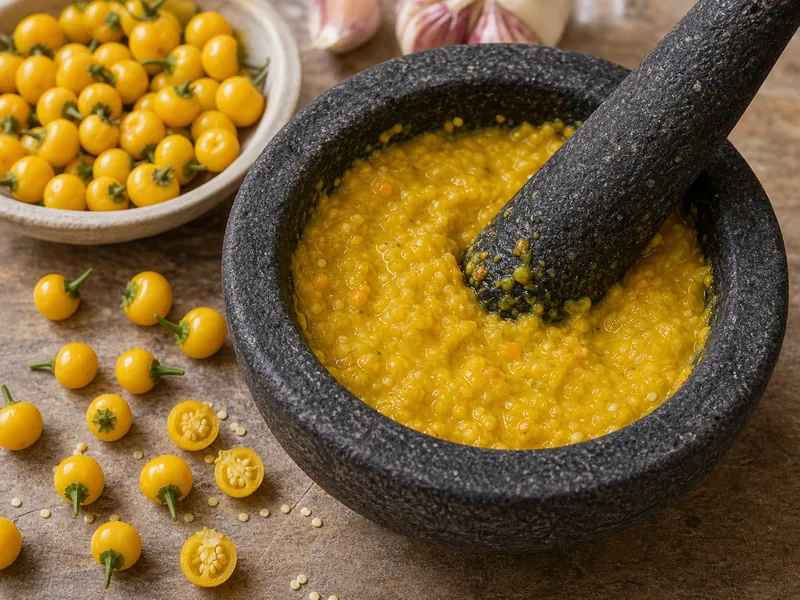
Aji Charapita works best when the dish can carry a few tiny pods or a pinch of powder without needing pepper bulk. Think lime, onion, fish, rice, yuca, plantain, brothy sauces, and light hot sauces where citrusy aroma matters.
For ceviche-style use, crush one or two fresh pods into lime juice with onion and salt, then taste before adding more. The pepper is small, but 30,000-50,000 SHU can overtake delicate fish if you treat it like a garnish instead of a hot chile.
Canopy Bridge notes a Peruvian Amazon style that mixes raw onion slivers, lime juice, and charapita. That is a better mental model than a thick salsa: the pod seasons a bright liquid or topping, then the heat spreads through the bite.
An Aji Charapita hot sauce should keep vinegar, garlic, and salt restrained enough for the pepper's citrus note to stay visible. If the sauce needs body, use a mild base pepper or fruit and let charapita supply the high note.
Dried whole pods and powder are practical outside Peru. Use powder as a finishing chile over avocado, grilled fish, eggs, rice bowls, or roasted vegetables.
If you need a fallback, the Aji Charapita substitute strategy should separate heat replacement from aroma replacement because one pepper rarely does both.
Cooking with a pod this small
- Choose dishes that can carry a few tiny pods or a pinch of powder without needing pepper bulk: lime, onion, fish, rice, yuca, plantain, brothy sauces.
- For a ceviche-style use, crush one or two fresh pods into the lime juice rather than chopping them through the dish.
- The citrusy aroma is the reason to use it, so add late where heat and scent both survive.
- Remember the scale. A recipe written for a jalapeno is asking for many times this pod's volume.
How Do You Keep Aji Charapita Fresh?
Fresh Aji Charapita is uncommon outside Peru and South American specialty channels. Seeds, dried pods, and powder are usually easier to find than fresh fruit, but labels should still specify Aji Charapita or aji charapita and Capsicum chinense when possible.
Buy by identity, not by hype. A high price does not prove the pod is real, and a generic yellow round pepper is not automatically charapita.
Look for small round yellow pods, clean aroma, dry packaging for dried pods, and a seller that names the source clearly.
Fresh pods keep best unwashed in the refrigerator crisper for about 1-2 weeks. Freeze whole pods on a tray, then bag them for cooked sauces and broths where softened texture is not a problem.
Dried pods and powder need an airtight container away from light and heat. Label the jar with the purchase date.
The color and aroma are more useful freshness checks than the heat alone.
Dried form: Dried whole pods or yellow powder used as a finishing chile.
What Can You Use Instead of Aji Charapita?
Compare substitutes for Aji Charapita by form, flavor, and heat before choosing a ratio. Measured adjustments must account for the dish and the concentration of the replacement.
Direct comparisons show where flavor, form, and preparation differ in the Aji Charapita vs Lemon Drop matchups.
How Do You Grow Aji Charapita at Home?
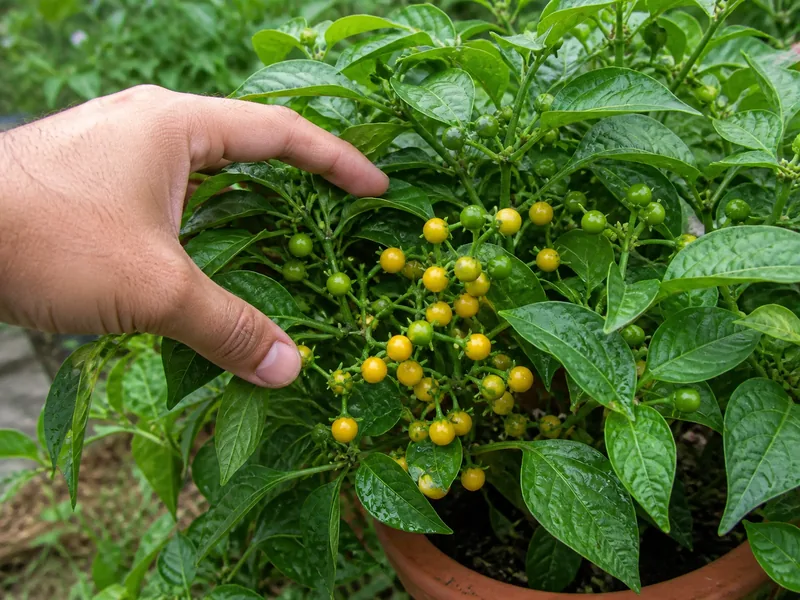
Aji Charapita grows like a warm-season Capsicum chinense pepper, but the tiny fruit changes how you manage the plant. Start seeds indoors before your frost-free transplant window, keep the seed tray warm, and give seedlings time to build a strong root system before they go outside.
The pepper seed-starting covers the general workflow: sterile seed mix, steady warmth, strong light after germination, and gradual hardening off before transplant. Use that as the base plan rather than chasing a single guaranteed germination day count.
Frontiers studied Aji Charapita ecotypes under acidic-soil conditions in the Peruvian Amazon. A home grower does not need to copy that soil profile exactly, but the source is a useful reminder that this is a tropical Amazon pepper, not a cool-climate annuum bred for short seasons.
Give the plant full sun, steady moisture, and well-drained soil. The University of Minnesota Extension guidance for peppers is a good general baseline: transplant after frost risk, avoid cold soil, and support steady growth with consistent watering.
Small yellow pods can hide under dense foliage. Use a local pepper growing calendar to time seed starting and harvest checks, then pick when pods are fully yellow and firm.
Leave a few ripe pods on healthy plants if you plan to save seed.
Aji Charapita FAQ


- Frontiers in Soil Science - Aji Charapita ecotypes in Alto Amazonas, Loreto
- Canopy Bridge - Can a Tiny Hot Pepper Help Save the Amazon?
- New Mexico State University Circular 706 - Measuring chile pepper heat
- University of Minnesota Extension - Growing peppers in home gardens
- USDA FoodData Central - FDC ID 170497, Peppers, hot chili, green, raw
Species classification: C. chinense - based on published botanical taxonomy.