

KnowThePepper
Manzano Pepper: The Black-Seeded C. pubescens Chile With Apple-Like Flavor
Most people assume the manzano is just another Mexican chili, but it belongs to C. pubescens - the only domesticated pepper species with black seeds and hairy leaves. At 12,000-30,000 SHU, it hits roughly twice the heat of a de arbol with a genuinely fruity, apple-like flavor that sets it apart from anything in the C. annuum family.
- Species: C. pubescens
- Heat tier: Hot (10K-100K SHU)
- Comparison: 2-12x hotter than a jalapeño, depending on where the jalapeño falls in its 2,500-8,000 SHU range
What Is Manzano Pepper?
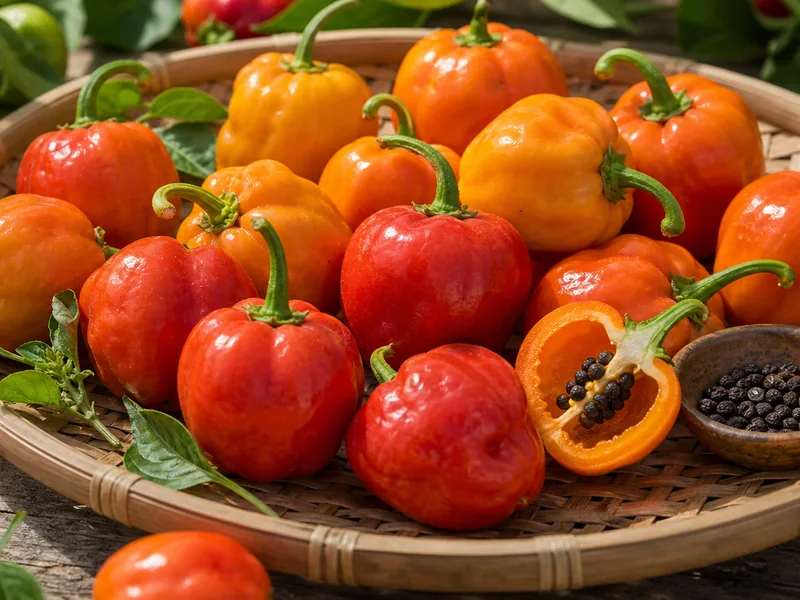
The manzano pepper carries a secret most shoppers miss entirely: those distinctive black seeds mark it as the C. pubescens species, a species so genetically distinct it cannot cross-pollinate with jalapeños, serranos, or any other common chili. The name means "apple" in Spanish, and the round shape earns it, these peppers look like small, squat apples hanging from the vine.
Heat lands between 12,000 and 30,000 SHU, putting it squarely in the hot pepper category alongside some serious competition. That's roughly double the average de arbol, though the manzano delivers its burn with a fruity sweetness that softens the initial impact.
Flavor is where the manzano genuinely surprises. The apple and stone-fruit notes aren't subtle, they're present enough to taste distinctly even in cooked salsas and sauces.
This comes from a different capsaicinoid profile specific to the pubescens species, not just ripeness or terroir.
Manzanos ripen through yellow, orange, and red stages, with red fruits carrying the most heat. In Mexican markets, particularly in Oaxaca and the central highlands, you'll find them sold fresh alongside aji amarillo - both prized for flavors that go well beyond simple burn.
The manzano is cold-hardy for a chili, thriving at elevations where most pepper species would fail entirely.
| Manzano | Rocoto | |
|---|---|---|
| Where the name is used | Mexico | Peru and Bolivia |
| What it means | Apple, for the round shape | From Quechua, the older name in its homeland |
| Species | Capsicum pubescens, black seeds | Capsicum pubescens, black seeds |
| Heat published here | 12,000 to 30,000 SHU | 30,000 to 100,000 SHU, reflecting a wider reported spread |
Where Does Manzano Pepper Come From?
C. pubescens is the oldest domesticated pepper species, with archaeological evidence placing its cultivation in the Andes going back at least 6,000 years. The manzano specifically became central to Mexican highland cuisine after the species spread north from South America, adapting to the cool temperatures of states like Oaxaca, Michoacán, and Mexico City's surrounding valleys.
Unlike the broader South American pepper story that produced rocoto peppers (the manzano's close relative), Mexican cultivation selected for the round apple shape and the particular sweetness that distinguishes manzano from other pubescens varieties.
Spanish colonizers documented the species but found it harder to transport than C. annuum varieties, pubescens doesn't dry well and the plants are more temperature-sensitive in storage. This kept the manzano relatively regional while jalapeños and anchos spread globally.
It remains far less common in U.S. markets than its flavor profile deserves.
How Spicy Is Manzano Pepper, and How Does It Taste?
The Manzano Pepper delivers 12K–30K Scoville Heat Units, placing it in the Hot tier (10K-100K SHU). That makes it roughly 2-12x hotter than a jalapeño, depending on where the jalapeño falls in its 2,500-8,000 SHU range.
Flavor notes: fruity and apple-like.
Manzano Pepper Nutrition Facts
A 100g serving of fresh manzano pepper provides approximately 40 calories, with the nutritional profile typical of C. pubescens fruits. Vitamin C content is substantial, fresh manzanos deliver well over 100% of the daily recommended intake per serving, consistent with other hot pepper species.
Capsaicin and related capsaicinoids present in the 12,000-30,000 SHU range contribute to the thermogenic and anti-inflammatory properties documented across pepper research. The pubescens species contains capsaicinoid variants slightly different from annuum peppers, though the practical health implications remain similar.
Fiber content runs about 1.5g per 100g. The thick flesh also provides meaningful amounts of vitamin A precursors, particularly in fully ripe red fruits.
How Do You Cook With Manzano Pepper?
Fresh manzano works best where you want both heat and fruit character in the same ingredient. Raw in salsas, the apple notes come through clearly, slice thin and combine with tomatillo, white onion, and lime for a salsa that tastes genuinely different from anything made with serranos or jalapeños.
The flesh is thick and juicy, which creates some challenges. Manzanos don't dry into flakes or powder the way a thin-walled pepper with concentrated dried heat does, moisture content stays high even when you try to dehydrate them.
Plan on using them fresh or pickled rather than dried.
For cooking applications, they hold up well to roasting. Char them directly over flame, peel, and blend into mole verde or enchilada sauce.
The fruity sweetness intensifies with heat exposure.
They also stuff well given the round shape, remove seeds (those distinctive black ones), fill with cheese or picadillo, and roast.
Anyone building a taco pepper should include manzano for fresh preparations. The heat level is assertive but manageable for most people who eat spicy food regularly, and the flavor contribution is unlike anything from the annuum family.
For wing sauces, blend roasted manzano with butter and a touch of honey to let the fruit notes anchor the sauce.
How Do You Keep Manzano Pepper Fresh?
Fresh manzanos appear in Latin American markets and specialty grocery stores, particularly in cities with large Mexican communities. Look for firm, glossy fruits with no soft spots, the round shape should feel dense, not hollow.
Color ranges from yellow-green to orange to deep red at full ripeness.
Refrigerate unwashed in a paper bag or loosely wrapped. They hold for 1-2 weeks at 45-50°F.
Don't store them as cold as you would bell peppers, the pubescens species is more cold-sensitive than annuum varieties and may show chilling injury below 45°F.
Pickled manzano is available jarred from some Mexican specialty importers and keeps for months refrigerated after opening.
What Can Replace Manzano Pepper in a Recipe?
Compare substitutes for Manzano Pepper by form, flavor, and heat before choosing a ratio. Measured adjustments must account for the dish and the concentration of the replacement.
Direct comparisons show where flavor, form, and preparation differ in the Manzano vs Rocoto and Habanero vs Manzano matchups.
How Do You Grow Manzano Peppers?
Growing manzano means accepting one fundamental difference from most chili gardening: this plant wants cool temperatures. While Thai chili's fierce compact heat thrives in hot summers, manzano prefers 55-75°F and will struggle above 90°F. In most of the U.S. that means treating it as a cool-season crop or growing in partial shade during peak summer.
Start seeds indoors 12-14 weeks before transplant, longer than most peppers because pubescens germinates slowly. Soil temperature for germination should be 75-80°F, but once sprouted, keep plants cooler than you would annuum varieties.
The plants grow large, up to 4-5 feet in ideal conditions, and are genuinely perennial in frost-free climates. In USDA zones 9-10, a manzano plant can produce for multiple years if protected from hard freezes.
The hairy stems and leaves (pubescens means "hairy" in Latin) give the plant a distinctive texture you'll notice immediately.
Fertilize moderately with a balanced feed. Excess nitrogen produces lush foliage at the expense of fruit set. The chiltepin's wild heat and the manzano share a preference for partial shade, both evolved under forest canopy conditions.
Expect 90-120 days from transplant to first ripe fruit.
Harvest at yellow, orange, or red stage depending on your heat preference.
Manzano Pepper FAQ


Species classification: C. pubescens - based on published botanical taxonomy.