

Why Manzano Pepper Is Hard to Match, and Which Substitutes Come Close
The manzano pepper (also called rocoto in some regions) is a thick-walled, apple-shaped Capsicum pubescens with black seeds and a fruity, slightly floral flavor that sits somewhere between a mild habanero and a sweet pepper. Finding a true match is tricky because the pubescens species has a texture and flavor profile unlike most common market peppers. These seven substitutes cover the range from heat-free sweet options to mild fruity alternatives depending on what your recipe actually needs.
Heat at a glance
What Can You Use Instead of Manzano Pepper?
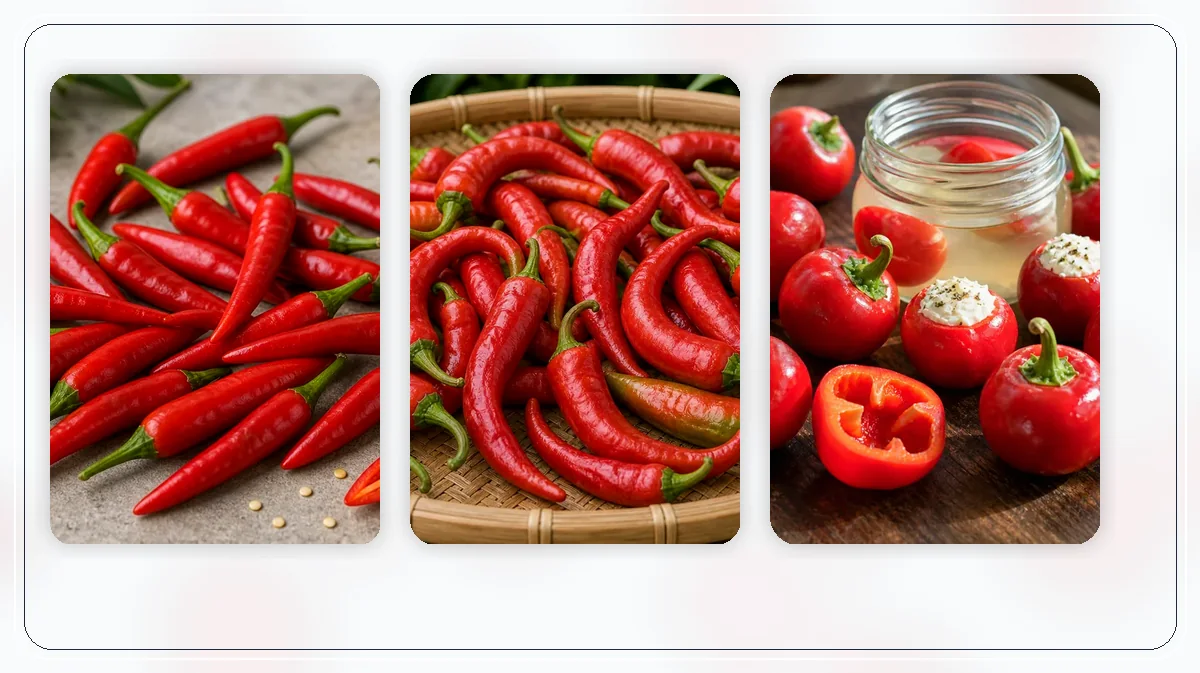
Rocotillo
Closest MatchThe rocotillo's lantern-shaped sweetness makes it the closest structural and flavor match available. It shares the apple-like fruitiness that defines manzano and has a similar thick, crunchy wall.
Use a 1:1 ratio by weight.
Heat is negligible, so if your recipe relied on manzano for mild warmth, add a small pinch of cayenne to compensate.
Rocotillo is useful when you need a rounder fruity pepper presence but not the full pubescens heat. It works in fresh salsa, relishes, and cooked sauces where the manzano is chopped rather than stuffed whole.
Because heat is usually lower, add a small amount of hot sauce, rocoto, or cayenne if the original recipe depends on warmth.
Keep the pepper volume the same so the sauce body does not collapse.
Bell Pepper
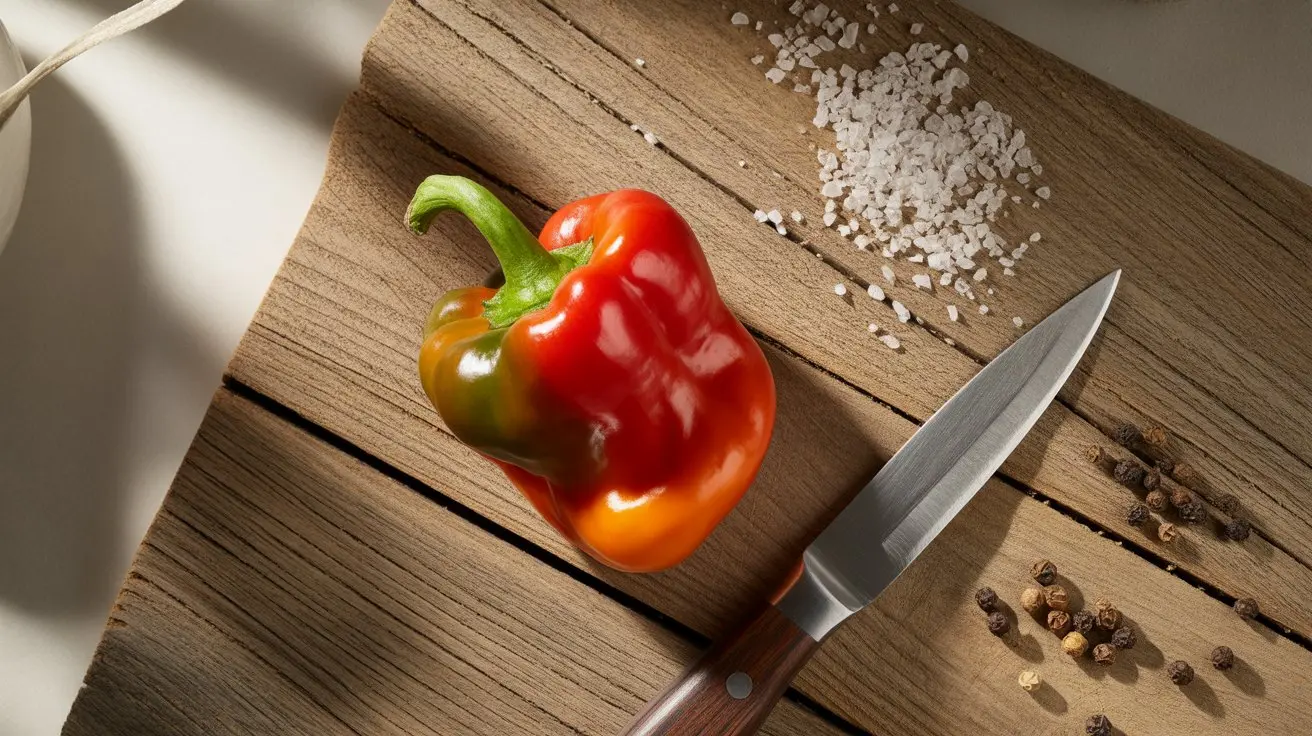
Runner-UpThe crisp, grassy sweetness of a red or orange bell replicates manzano's bulk and wall thickness better than most alternatives.
Red bells in particular carry enough sugar to approximate the fruity undertone. Substitute 1:1 by volume.
The flavor is less floral, but in cooked salsas and stuffed pepper applications the difference narrows considerably.
Habanada
Also GreatBred specifically to carry habanero's intensely fruity, tropical sweetness without any capsaicin, the habanada is a standout swap when the recipe needs that aromatic floral quality manzano provides. Use 1:1, though habanadas are smaller, so count by pepper count rather than cups.
The thin walls mean they cook down faster, add them later in the process.
NuMex Heritage Big Jim
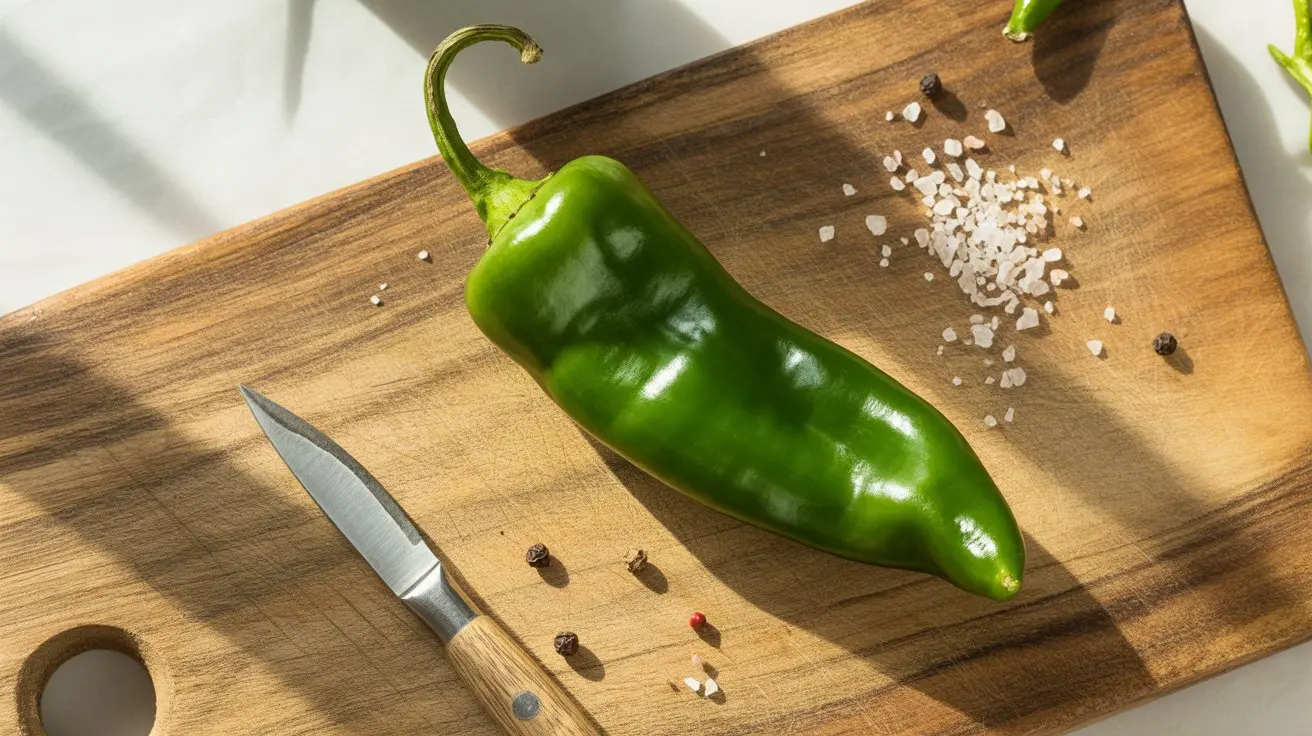
When stuffing is the goal, the NuMex Heritage Big Jim's large roastable cavity earns its place on this list. The walls are thick and the flavor is mild and slightly sweet with a green pepper backbone.
Use 1:1 by piece for stuffed applications.
It lacks the fruity depth of manzano but makes up for it in sheer capacity and structure.
NuMex Joe E. Parker
A New Mexico Hatch-style chile that carries mild, earthy sweetness with good flesh thickness.
The NuMex Joe E. Parker's roasted green chile character works particularly well in cooked sauces and chiles rellenos-style dishes where manzano would otherwise appear. Substitute 1:1 by weight.
Roasting first pulls out more of its sweetness and bridges the flavor gap.
Lumbre
The Lumbre pepper's bright, slightly smoky sweetness offers a reasonable match in cooked applications, especially where manzano would be roasted or charred. It runs slightly thinner-walled than manzano, so expect less structural integrity in stuffed dishes.
Use 1:1 by weight in sauces, salsas, and braised preparations.
It holds up well to longer cooking times.
Rocoto (if accessible)
The rocoto's apple-like thick-walled heat represents the closest botanical relative to manzano, both are Capsicum pubescens.
True rocoto does carry noticeable heat (around 30,000-100,000 SHU in its standard form), so this swap works only when a mild kick is acceptable in the dish. Use 1:1 and taste as you go.
For completely heat-free applications, stick with options 1-3 on this list.
A note on texture: manzano's wall thickness is one of its most distinctive traits. When that crunch matters, raw salsas, ceviche, relishes, prioritize rocotillo or bell pepper.
When the recipe cooks the pepper down, habanada and NuMex varieties perform equally well.
The side-by-side heat and flavor difference between habanero and manzano is worth understanding if you want to know why the fruity notes in manzano are so hard to replicate. Similarly, the key differences between manzano and rocoto pepper clarify why even close relatives don't substitute perfectly.
Rocoto is the true same-family substitute when you can find it.
It brings the thick wall, black seeds, juicy bite, and Andean-style fruit that define manzano. Use 1:1 by weight for stuffing, roasting, salsa, and table sauce.
If the rocoto is hotter than expected, remove more placenta before cooking rather than replacing the whole pepper with a mild annuum variety.
Best Choice by Use
For stuffed manzano peppers, choose red or orange bell pepper when you need the same cup-like shape and thick wall. Choose NuMex Heritage Big Jim when the filling is heavy, saucy, or cheese-based, because the pepper holds its structure better after roasting.
For raw salsa, ceviche, and escabeche, rocotillo is the better pick. It gives the same crisp bite and fruit note without turning the dish grassy.
Habanada works when aroma matters more than crunch, especially in a blended salsa where wall thickness disappears.
For cooked sauces, use pimento or Habanada if you want sweetness, then add heat separately with a measured pinch of cayenne. That split approach works better than forcing a hot pepper to do both jobs.
Manzano is unusual because it gives fruit, crunch, and mild warmth at the same time.
Most substitutes cover only two of those three jobs.
Ratio and Texture Notes
Match manzano by weight when the pepper is diced into a sauce or relish. Match it by piece count only when the recipe is stuffed peppers, because cavity size matters more than exact grams.
If the substitute has thin walls, such as Habanada, add it during the final few minutes of cooking. Thick-walled substitutes like bell pepper, Big Jim, and Joe E. Parker can go in earlier and tolerate roasting, braising, or baking without collapsing.
Which Peppers Make Poor Manzano Pepper Substitutes?
Jalapeño seems like an obvious swap given its widespread availability, but the flavor profile is completely wrong.
Jalapeños carry a grassy, vegetal sharpness that clashes with the fruity, floral character manzano brings to a dish. The wall texture is also thinner and less apple-like.
Serrano runs into the same problem from a different angle.
Its heat (10,000-23,000 SHU) overshoots what most manzano recipes expect, and its flavor is sharply herbaceous rather than sweet or fruity. In raw preparations especially, a serrano will dominate everything around it.
Anaheim pepper looks promising on paper, mild, thick-walled, widely available, but its flavor is distinctly earthy and green with almost no fruit character. In dishes where manzano's apple-like sweetness is the point, an Anaheim reads as flat and generic by comparison.
Rocoto deserves caution even though it looks related.
It has the same black seeds and thick flesh, but many rocotos run far hotter than the mild manzano recipes people are trying to save. Use it only when the dish can handle a clear heat jump.
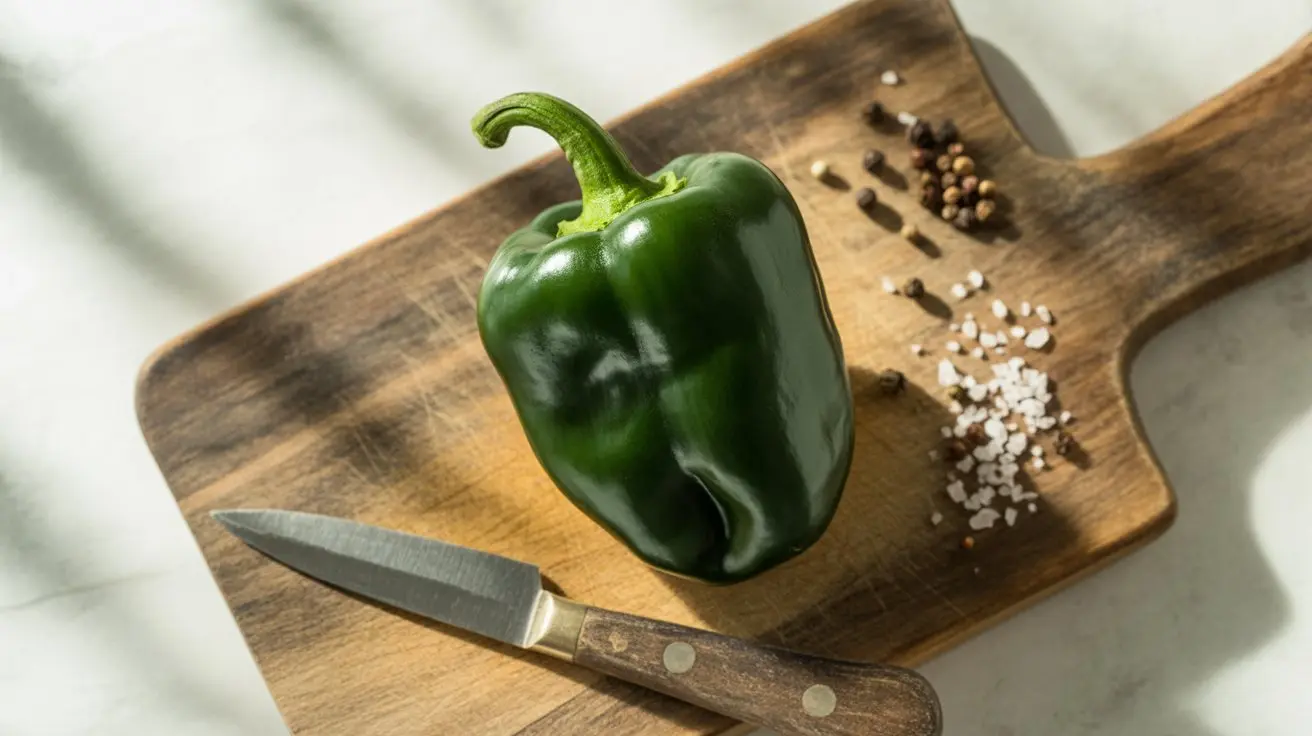
Green bell pepper is less useful than red, orange, or yellow bell pepper. The wall thickness is right, but the flavor is grassy and underripe, so it misses the sweet apple-like note that makes manzano worth replacing carefully.
Avoid thin-walled green chiles when the recipe relies on manzano's crunch.
Serrano, Thai chile, and many cayenne types add heat but lose the apple-like bite that makes manzano useful in salsa and stuffing. If you need heat plus structure, use a thick sweet pepper for body and a small separate hot chile for fire.
Substitution tip: When substituting Manzano Pepper, start with less of a hotter substitute and add more to taste. For milder substitutes, increase the quantity.
Our swap ratio calculator gives precise conversion amounts, and the heat unit converter translates between Scoville and other scales.
Manzano Pepper Substitute FAQ
- Capsicum pubescens Ruiz & Pav. - USDA GRIN Taxonomy
- University of California Cooperative Extension
- Habanada: The Unmasked Habanero - Cornell Small Farms
- Pepper Flavor Compounds and Substitution - Journal of Food Science