

Dragon's Breath Substitutes for Raw Heat, Fruity Depth, or Pod Structure
Dragon's Breath pepper data is still disputed, its extreme heat and unusual flavor profile make it hard to source outside of specialty growers and controlled research settings. Whether you need something in the same fiery bracket for cooking, growing, or recipe development, the right substitute depends on whether you're chasing raw heat, fruity depth, or structural similarity in the pod.
Heat at a glance
Best Dragon's Breath Pepper Substitutes
Dragon's Breath pepper sits in the extreme-heat tier at a claimed 2,480,000 SHU: if verified, that would place it above the Carolina Reaper. In practice, Dragon's Breath peppers are almost never used as a cooking ingredient at full strength.
The SHU is extreme enough that even tiny amounts overwhelm any dish.
Most people needing a substitute are either making a show of extreme heat (challenges, sauces) or want the visual novelty of a superhot without the full Dragon's Breath intensity.
The best substitutes stay within the C. chinense species to match the delayed-heat characteristic and fruity-floral flavor notes. Substituting across species (e.g. using cayenne or serrano) produces a different heat profile even at lower SHU levels: the onset, duration, and flavor character all shift significantly.
Habanero-Style Fruity Heat (Habanada)
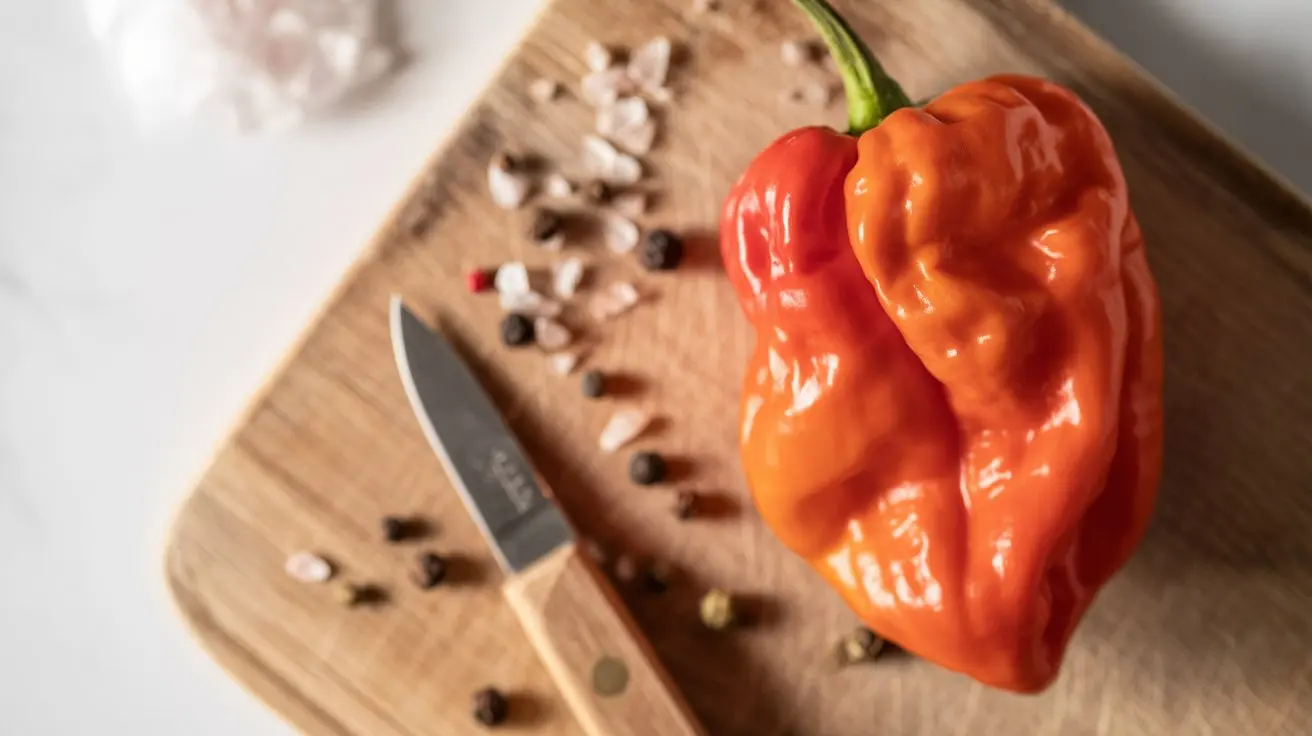
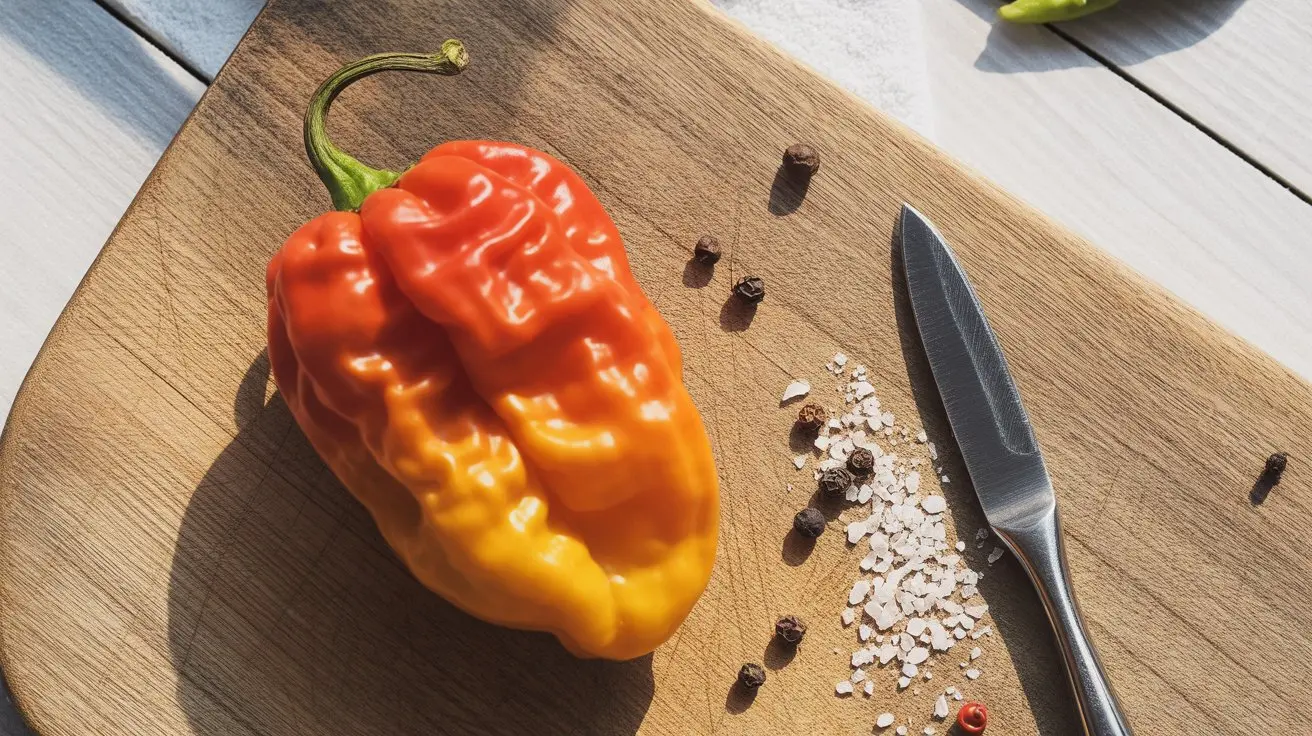
Closest MatchThe seedless, intensely sweet fruity character of the Habanada makes it one of the more interesting swaps when Dragon's Breath is unavailable. It delivers the tropical, floral flavor notes that sit underneath extreme-heat peppers, without the fire.
Use a 1:1 ratio by weight.
Ideal for dishes where you want complexity without scorching heat.
Habanada is not a heat match. It belongs here only for recipes where Dragon's Breath is being used as a talking point and the eater cannot safely handle super-hot capsaicin.
Pair Habanada with a measured grain of Reaper or scorpion powder if the recipe needs both fruit aroma and controlled heat.
Keep the heat source separate until final tasting so you do not overshoot the dish.
Bell Pepper
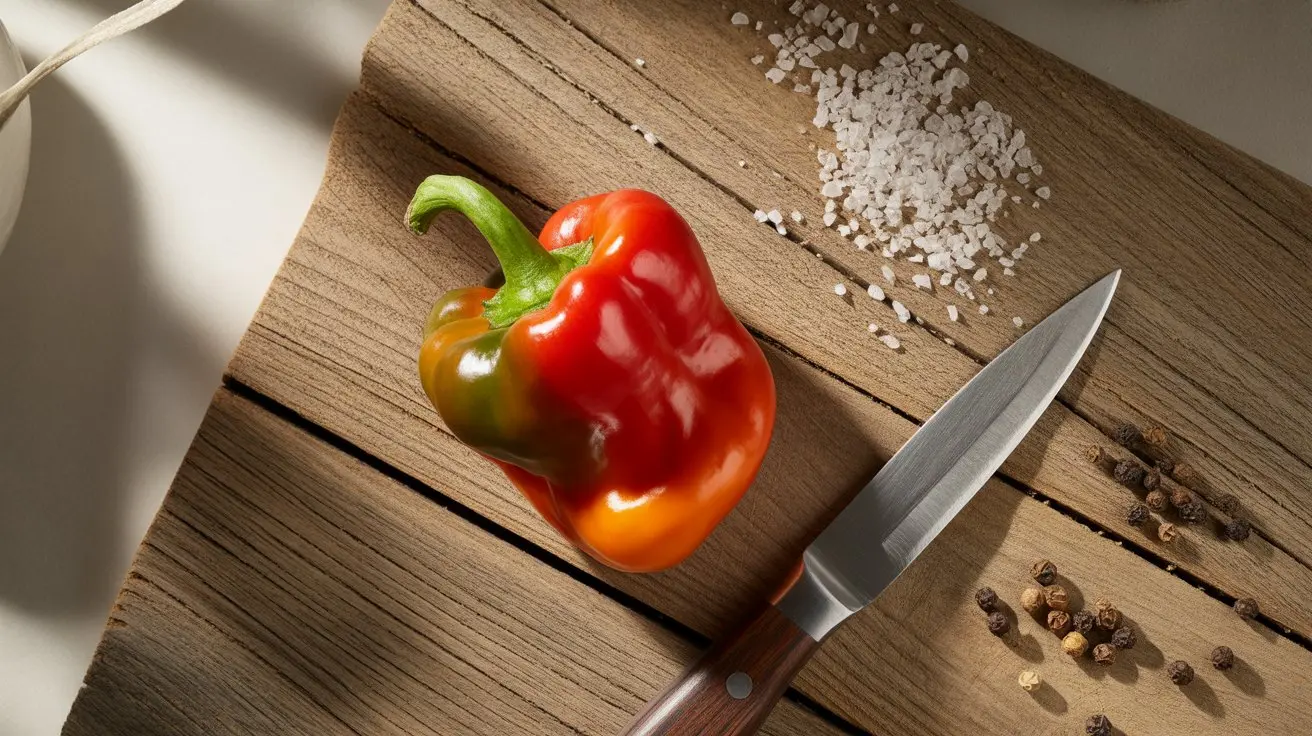
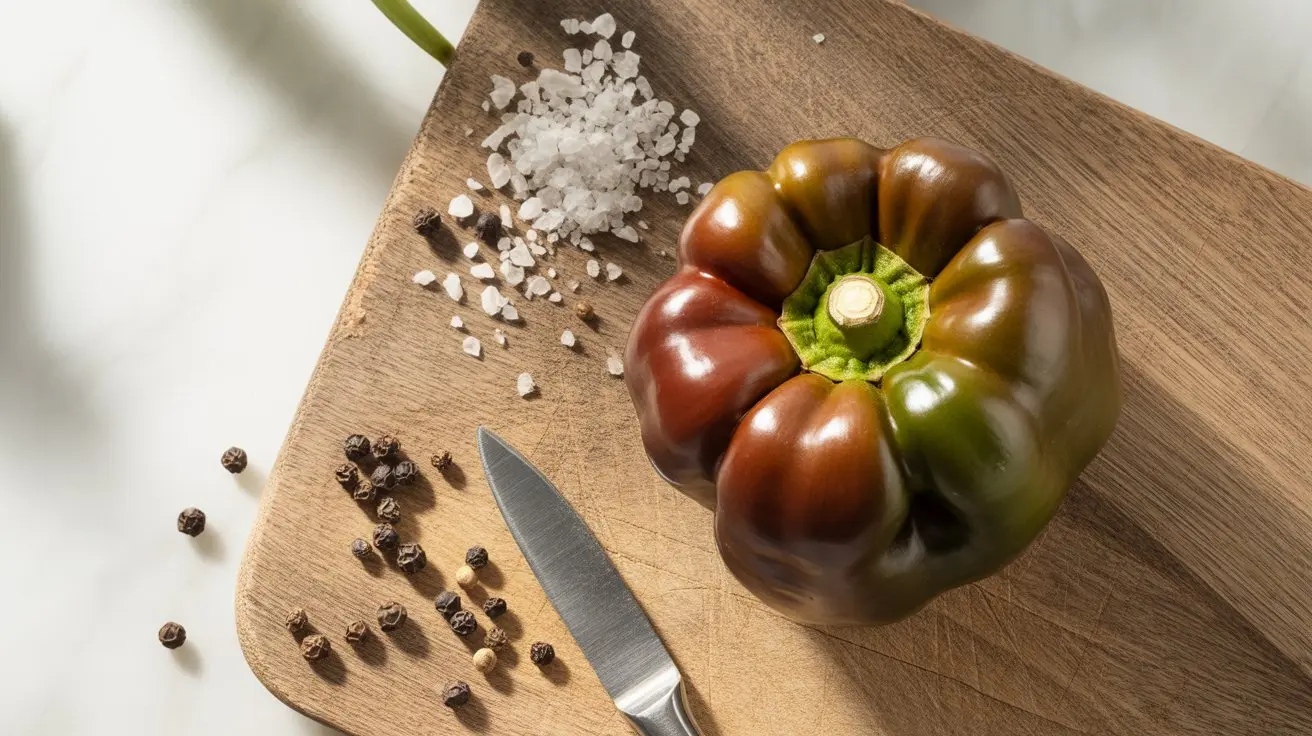
Runner-UpFor applications where Dragon's Breath is being used structurally, stuffed, roasted, or as a base, the crisp, thick-walled sweetness of a Bell Pepper is the most accessible swap.
Zero heat, clean flavor, and widely available. Substitute 1:1 by volume.
Best for recipes that need the pepper's body rather than its heat.
Lumbre Pepper
Also GreatThe Lumbre's sharp, searing pod character suits dishes where you want escalating back-of-throat burn. It's a lesser-known variety that brings real intensity.
Use at a 0.75:1 ratio - slightly less than the original, and taste as you go.
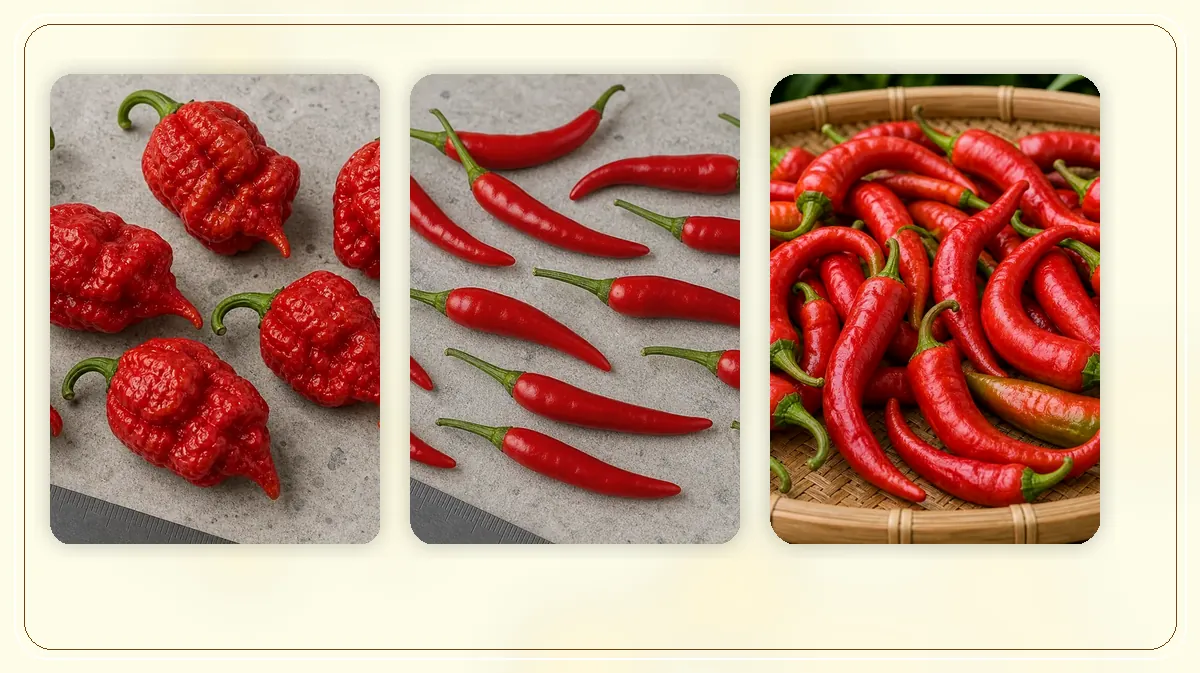
Guntur Sannam
Known in South Asian cooking for its deep red color and sustained burn, the Guntur Sannam's dry-heat pungency works well in spice blends, curries, and chili powders where Dragon's Breath might otherwise appear. Substitute 1:1 in dried or powdered form.
The heat builds slowly and lingers.
Malagueta Pepper (Brazilian)
A staple of Brazilian hot sauces, the Malagueta's sharp, vinegary punch makes it a natural stand-in for small, intensely hot pods. Use 1:1 in hot sauce recipes or pickled applications.
The flavor profile is slightly more acidic than Dragon's Breath but holds up in fermented preparations.
Prik Kee Noo
This Thai bird chili brings Prik Kee Noo's blistering, clean spike of heat that cuts through coconut milk, broths, and stir-fries with precision. It's a strong substitute in Southeast Asian-inspired dishes.
Use at a 0.8:1 ratio - the heat is fast and direct rather than slow-building.
7.
Rocotillo
For a milder, more approachable swap, particularly in fresh salsas or Caribbean-influenced dishes, the Rocotillo's mild, slightly sweet pod flavor fills the gap without overwhelming other ingredients. Substitute 1:1 by volume.
It's the right call when the goal is pepper presence rather than heat intensity.
Matching Dragon's Breath exactly is nearly impossible given how little verified data exists on its flavor profile. These seven substitutes cover the range from zero-heat structural swaps to high-intensity heat alternatives, pick based on what your recipe actually needs.
For a broader look at intensity comparisons across extreme peppers, the SHU rating and testing methodology helps put each option in context.
Before choosing a swap, compare this option against live heat references and nearby cooking routes: Dragon's Breath, peppers suited to salsa, what smoking does to peppers, full substitute library, and the mango salsa recipe.
Ratio Reference
| Substitute | Ratio | Best For |
|---|---|---|
| Carolina Reaper | 1:1 (may be hotter) | All Dragon's Breath applications |
| Ghost pepper | 2-3× volume | Extreme heat dishes |
| Habanero | 6-8× volume | Approachable superhot applications |
| Scorpion pepper | ~1:1 | Superhot hot sauce |
| Ghost pepper powder | Adjust by taste | Powdered superhot applications |
| Habanero powder | 3-4× volume | Ground applications |
Ratio check by heat goal
For challenge-level sauces, Carolina Reaper is the closest practical substitute because it is documented, easier to source, and still sits in the superhot range. Use a rice-grain-size amount of puree or powder at a time, not whole-pod swaps.
The point is controlled extreme heat, not matching pod count.
For edible hot sauce, step down to ghost pepper or Trinidad scorpion and build heat in measured drops. Dragon's Breath is mostly a novelty target for most cooks, so a lower superhot gives better flavor control and fewer handling mistakes.
For a documented super-hot replacement, Carolina Reaper or Trinidad Scorpion is the practical first choice. Both have better public heat data, broader seed availability, and more cooking history than Dragon's Breath.
Use them by weight, not pod count, and start below the listed amount if the recipe is for edible sauce rather than a stunt.
For a flavor-only version, use Habanada or a sweet chinense pepper and label the result clearly as heatless.
Peppers to Avoid as Dragon's Breath Pepper Substitutes
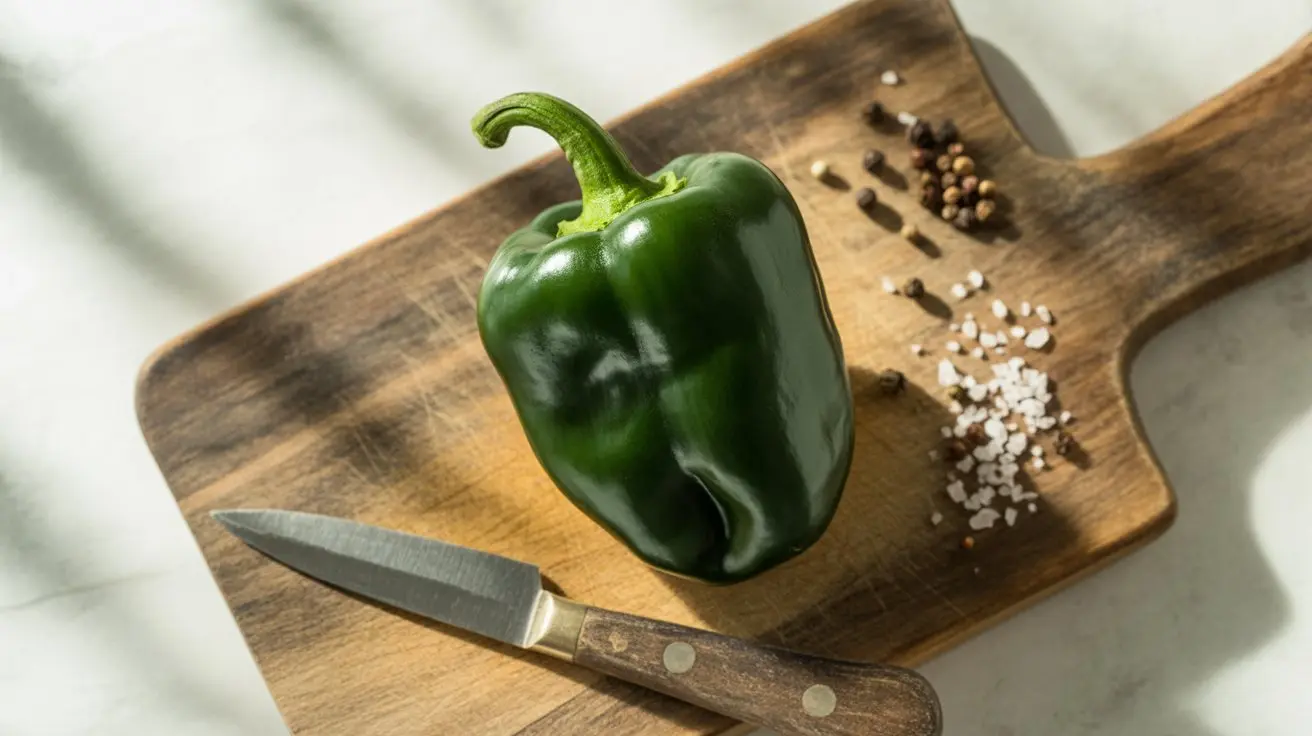
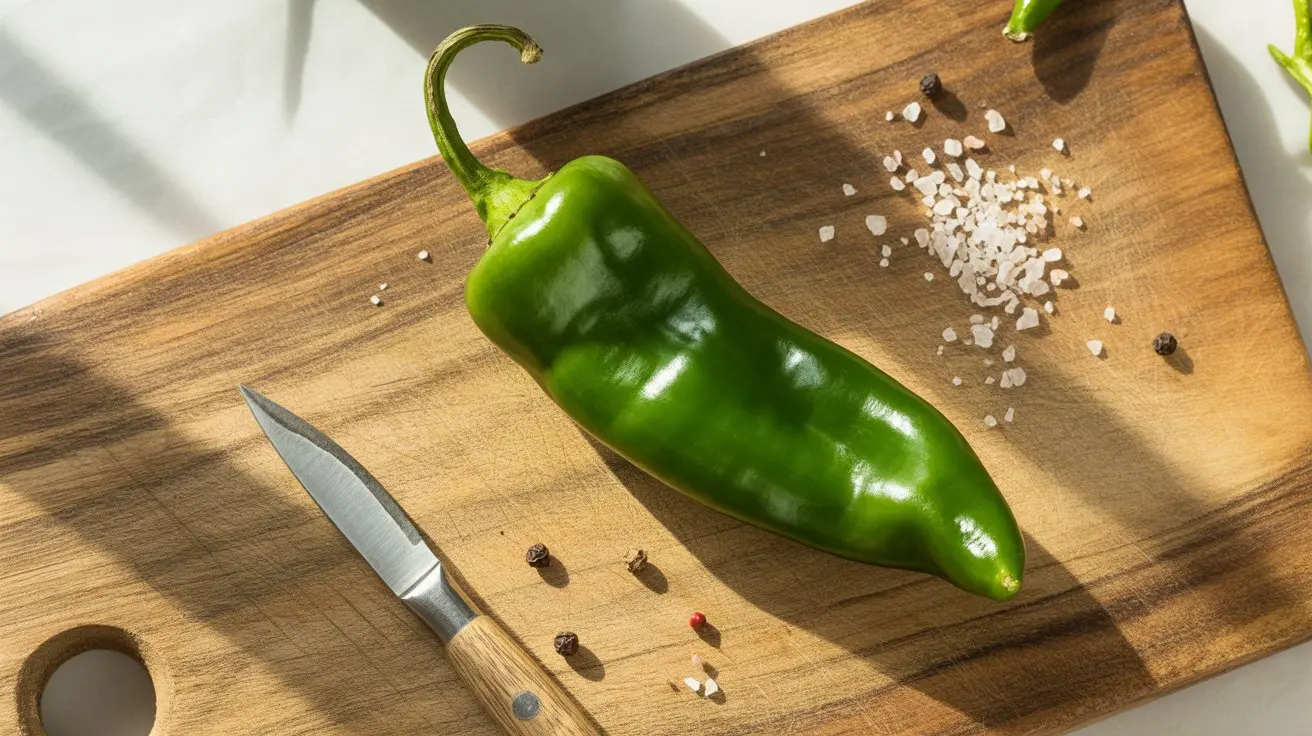
NuMex Joe E. Parker looks like a reasonable candidate on paper, it's a New Mexican pod type with mild heat, but its thick, waxy flesh and distinctly earthy, roasted flavor pull recipes in a very different direction than Dragon's Breath. The texture doesn't translate well to applications that need a thinner-walled pod.
NuMex Heritage Big Jim runs into a similar problem. It's a large, mild Anaheim-type pepper bred for roasting and stuffing, and while it handles heat well in the oven, its flavor is too green and vegetal to stand in for a pepper known for extreme heat characteristics.
Using it as a Dragon's Breath substitute in a hot sauce or spice blend would flatten the entire flavor profile.
Sichuan pepper is the biggest mismatch on this list. Despite the name, it's not a Capsicum species at all, it's a dried berry from the Zanthoxylum genus that creates a numbing, tingly sensation through a completely different chemical mechanism.
It belongs in its own category and should not be treated as a heat substitute.
Avoid building a Dragon's Breath substitute from extract alone. Extract can create pain without pepper flavor, and it is difficult to distribute evenly through sauces or oils.
If a recipe needs an extreme label, use a documented super-hot pepper with known handling behavior.
If the recipe needs food people can eat comfortably, step down to ghost, habanero, or a measured sauce base.
Substitution tip: When substituting Dragon's Breath, start with less of a hotter substitute and add more to taste. For milder substitutes, increase the quantity.
Our swap ratio calculator gives precise conversion amounts, and the heat unit converter translates between Scoville and other scales.
Dragon's Breath Substitute FAQ
- Scoville Scale - American Chemical Society
- Capsaicin receptor binding - National Institutes of Health