

Replace Serrano With Jalapeño for Green Crunch and Less Heat
Use fresh jalapeno pepper when a recipe needs serrano's fresh green crunch with less heat. Use ripe Fresno pepper for red salsa, green cayenne for a hotter cooked sauce, and Thai chile only when heat matters more than texture. Match fresh volume separately from heat.
Heat at a glance
What Best Replaces Serrano?
Serrano comes from the Mexican pepper tradition. It sits in the hot-pepper range for many fresh salsa uses.
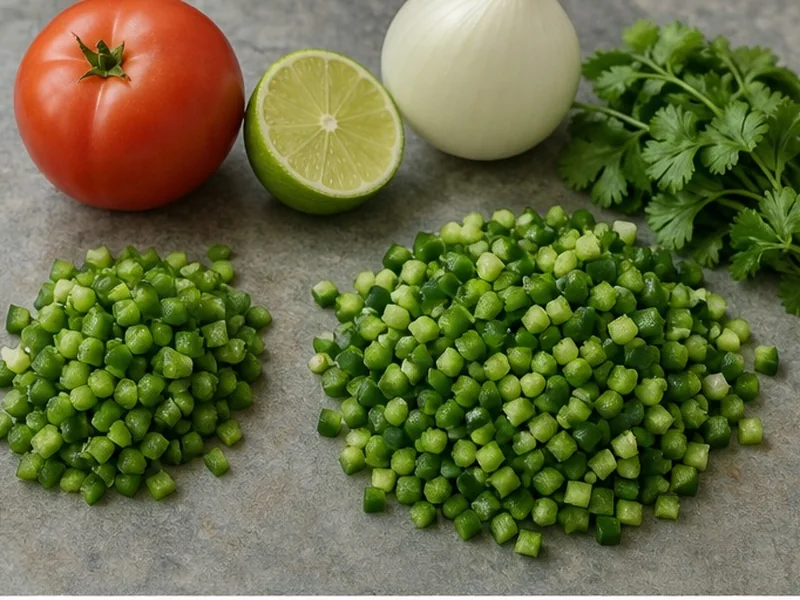
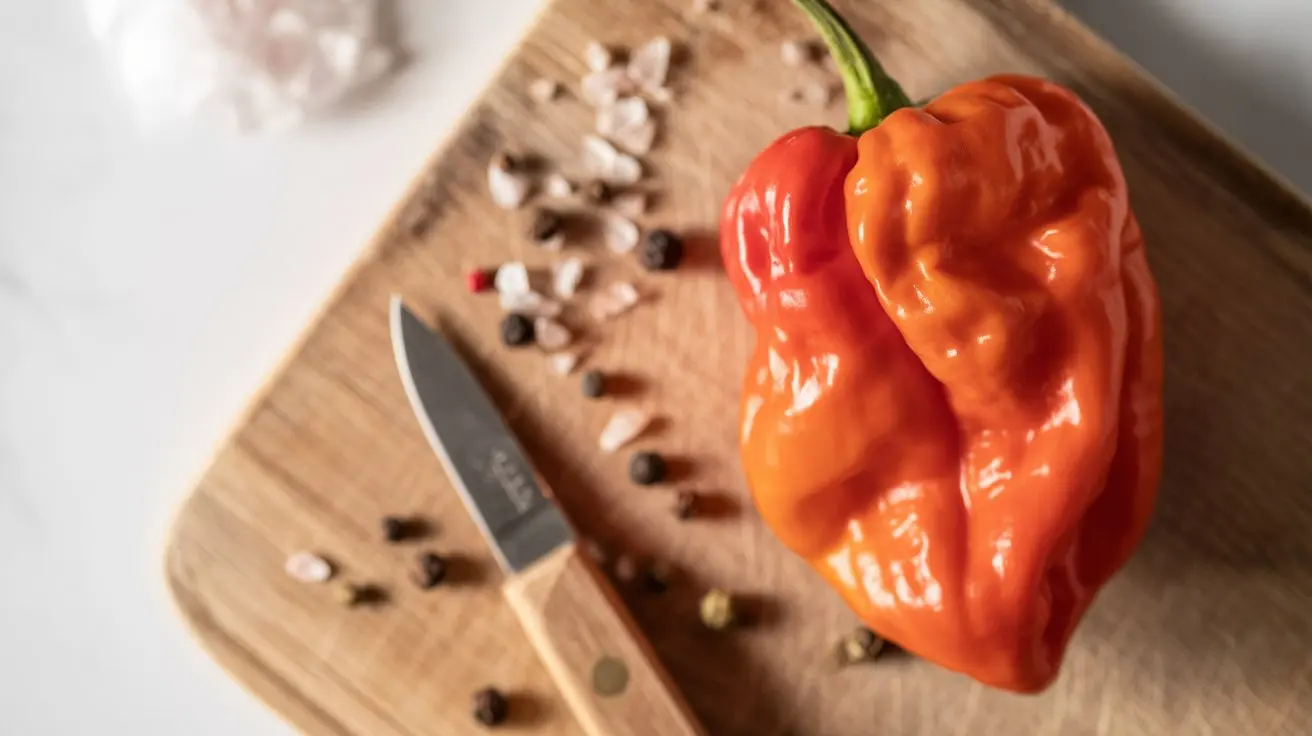
Jalapeno is the safest fresh substitute because it keeps green crunch, seed texture, and easy grocery access.
Both are in the annuum pepper family, but jalapeno is usually milder, so the recipe may need more pepper volume. Fresno gives a similar fresh wall with ripe red flavor.
Thai chile supplies strong heat but very little flesh.
| Reader need | Best starting swap | Main change |
|---|---|---|
| Fresh green salsa | jalapeno for serrano | Milder heat and a thicker wall |
| Red salsa or hot sauce | Fresno for red salsa | Ripe color and fruitier flavor |
| Heat in cooked food | Green cayenne or a little Thai chile | Less fresh pepper volume |
| Tangy cooked topping | Pickled jalapeno | Vinegar, salt, and soft texture |
For raw salsa, preserve fresh volume first, then adjust heat. A tiny hot chile can make the salsa spicy but cannot replace the juicy pieces that serrano would have supplied.

Best Serrano Swaps by Recipe
Jalapeno for raw crunch
Closest MatchRaw salsa is where this swap gets judged. milder jalapeno gives the same green snap and thick fresh bite, but it lands lower at 2,500-8,000 SHU.
Use more pepper, not more seeds. Extra seeds add bitterness before they add clean serrano-style heat.
For pico de gallo or guacamole, add the jalapeno first, then taste after salt and lime. Acid can make a mild chile feel sharper.
Fresno for red salsa
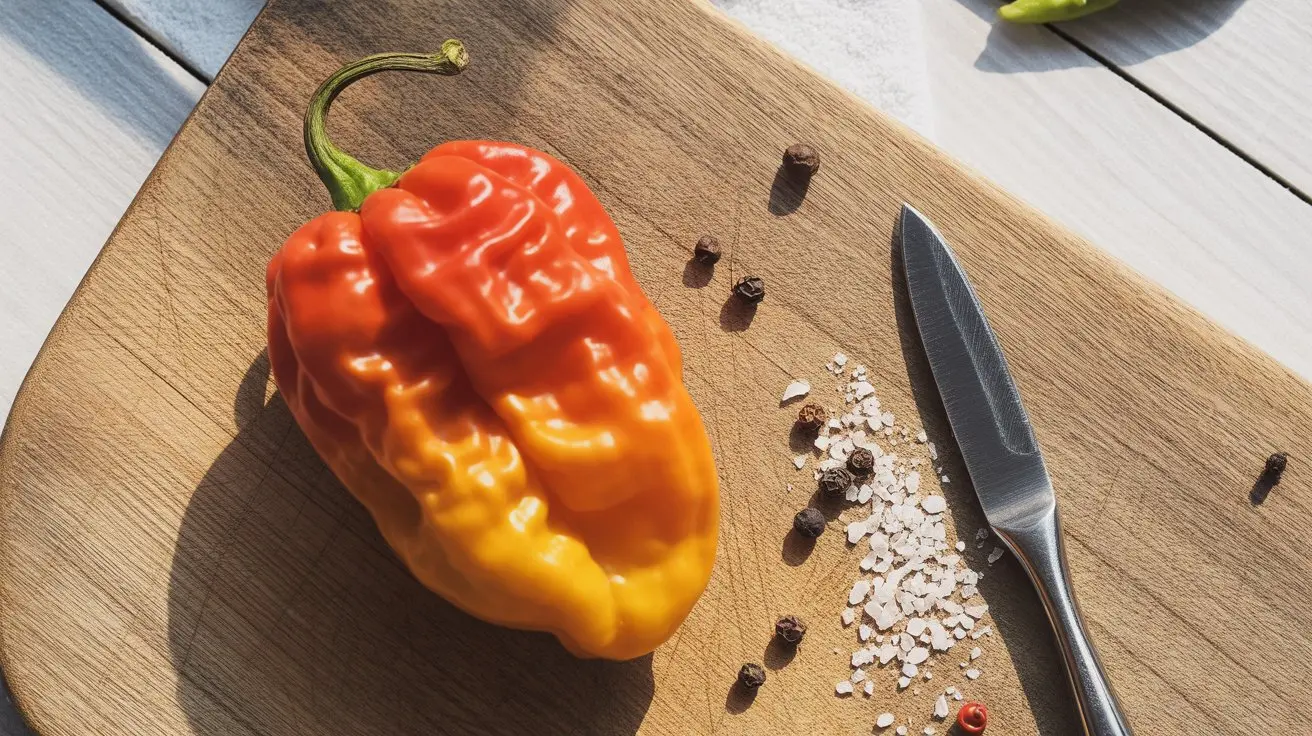
Runner-UpColor can matter less than freshness in blended sauces. red Fresno chile keeps a fresh chile bite and medium heat, but it moves the flavor toward ripe red fruit.
That shift helps red salsa, ceviche topping, and quick hot sauce. In green tomatillo salsa, it changes the look and makes the sauce taste riper.
Cayenne for cooked heat
Also GreatCooked sauce forgives a thinner pod. Cayenne pepper brings more heat than serrano and less green crunch, so it fits simmered salsa, beans, and braises.
Thai chili for heat only
A tiny pepper can solve only one problem. Thai chili pushes heat fast, but it does not copy serrano's grassy crunch.
Jalapeno plus de arbol
The base-and-spark fix works when a jalapeno salsa tastes right but burns too softly. Keep jalapeno for bulk, then add toasted de arbol or a tiny pinch of cayenne.
Which Peppers Make Poor Serrano Swaps?
Habanero is too fruity and too hot for most serrano jobs. The habanero pepper profile makes sense only when the recipe can handle a full flavor change.
Bell pepper gives crunch but no heat. Use bell pepper only when you plan to add heat from another source.
Chipotle brings smoke, dried flavor, and a darker color. It can help beans or chili, but Chipotle is not a clean serrano swap for raw salsa.
Can Canned Salsa Use Another Pepper?
Use only a tested canning recipe from a source such as the National Center for Home Food Preservation. In many tested salsa recipes, one pepper variety may replace another only when the total measured pepper volume stays the same.
Do not increase the total low-acid vegetables or reduce the listed vinegar, bottled lemon juice, or other acid.
A milder jalapeno can replace serrano by equal prepared volume when the tested instructions allow pepper varieties to vary. The change affects heat, not the safety formula.
Keep every other quantity, jar size, and processing time exactly as written.

Substitution tip: When substituting Serrano Pepper, start with less of a hotter substitute and add more to taste. For milder substitutes, increase the quantity.
Our swap ratio calculator gives precise conversion amounts, and the heat unit converter translates between Scoville and other scales.
Serrano Ratio and Salsa Questions
- USDA FoodData Central
- Peppers - UC Small and Organic Farm Advisor, UC ANR
- H-230: Growing Chiles in New Mexico - NMSU Extension