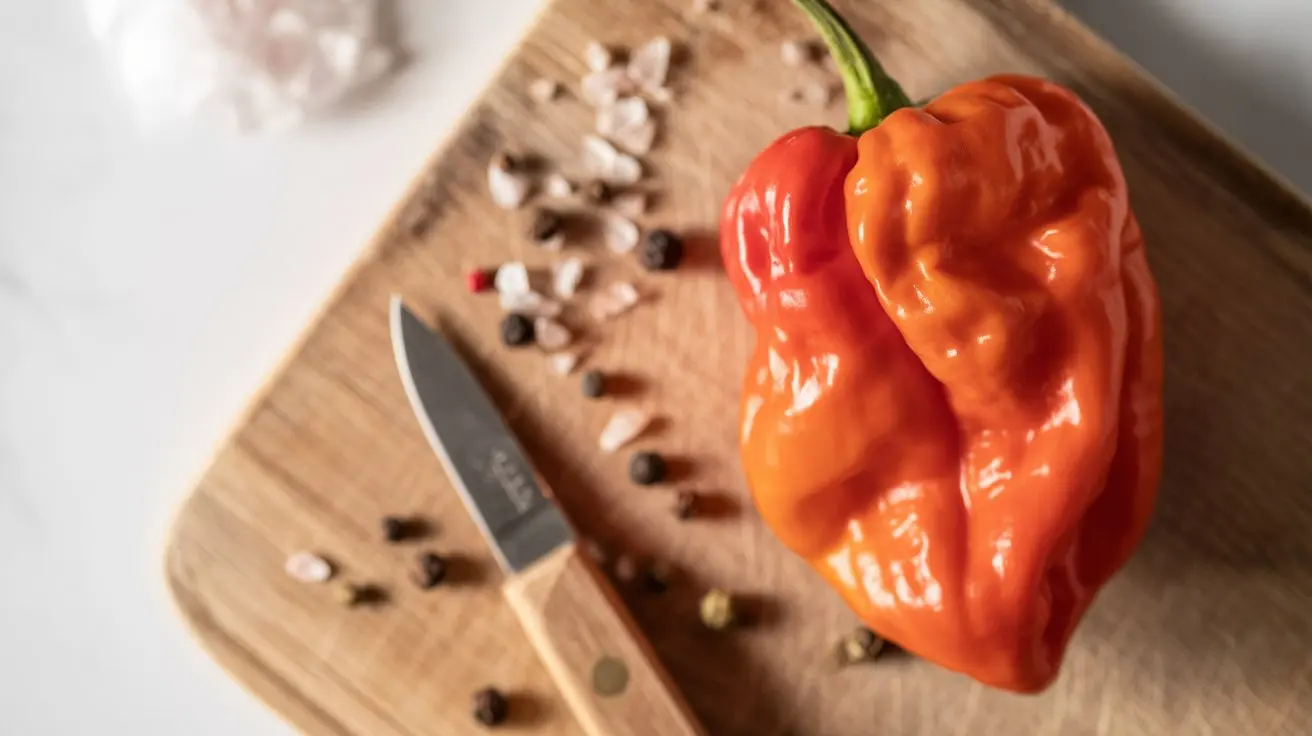
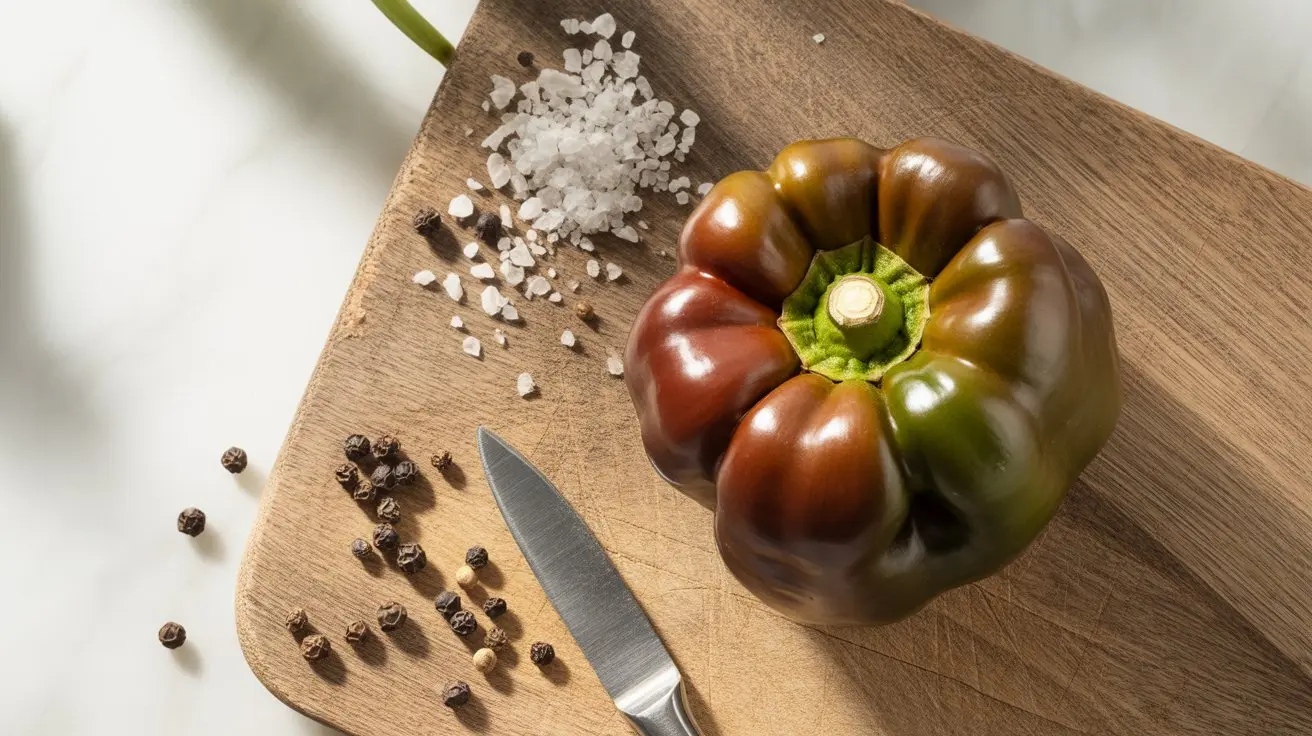
Replacing a Trinidad Moruga Scorpion Without Losing the Fruity Flavor
The Trinidad Moruga Scorpion sits at 1,200,000-2,009,231 SHU - deep in super-hot territory, with a fruity, floral flavor that makes it more than just a heat delivery device. Finding a true substitute means matching both that extreme capsaicin load and the bright, tropical flavor character. The seven options below cover the full spectrum from near-identical replacements to slightly cooler alternatives that preserve the flavor profile.
Heat at a glance
What Can You Use Instead of Trinidad Moruga Scorpion?
Carolina Reaper
Closest MatchAt 1,400,000-2,200,000 SHU, the Carolina Reaper is the closest all-around match for Trinidad Moruga Scorpion. Both belong to C. chinense's fruity super-hot lineage, and the Reaper's sweet, tropical flavor mirrors the Moruga's floral character almost exactly.
Use a 1:1 ratio - the heat ceiling is slightly higher on the Reaper side, so pull back to 0.9:1 if your batch runs particularly hot.
The tail heat on a Reaper builds a touch slower but lasts just as long.
Carolina Reaper is the closest practical swap for pepper mash, extract-free hot sauce, and dry rubs where Moruga's extreme heat is the main point. Use gloves, weigh the pepper, and add in small increments.
Reaper can taste sweeter and slightly bitter at high concentration, so fruit-based sauces may need a little vinegar or carrot to keep the finish balanced.
Chocolate Bhutlah
Runner-UpThe Chocolate Bhutlah's deep smoky intensity registers 1,500,000-2,000,000 SHU, making it a near-perfect heat match. The flavor diverges from the Moruga's brightness, it's earthier and more savory, but in cooked applications like sauces and stews, that smoke adds complexity rather than conflict.
Substitute at 1:1 in cooked dishes.
Drop to 0.85:1 in raw preparations where the flavor difference will be more noticeable.
Chocolate Bhutlah is better when the recipe can accept darker flavor. It works in barbecue sauce, chili, cocoa-based rubs, and fermented sauces where smoke, earth, or molasses notes are welcome.
Use 0.75 to 1 Bhutlah for 1 Moruga depending on the batch.
Taste after dilution, because dark super-hots can feel hotter once salt and acid spread the capsaicin.
7 Pot Douglah
Also GreatFew peppers in the super-hot heat category deliver the kind of nutty, layered depth that the 7 Pot Douglah's earthy extreme heat brings - 923,000-1,853,396 SHU. Its ceiling reaches well into the Moruga's range, though its floor sits below the Moruga's 1,200,000 SHU.
It lacks the floral notes, but the nuttiness fills a different flavor gap in chocolate-based sauces and meat rubs.
Use 1:1 when heat parity is the priority; 1.1:1 if you want to compensate for the flavor difference.
Komodo Dragon Pepper
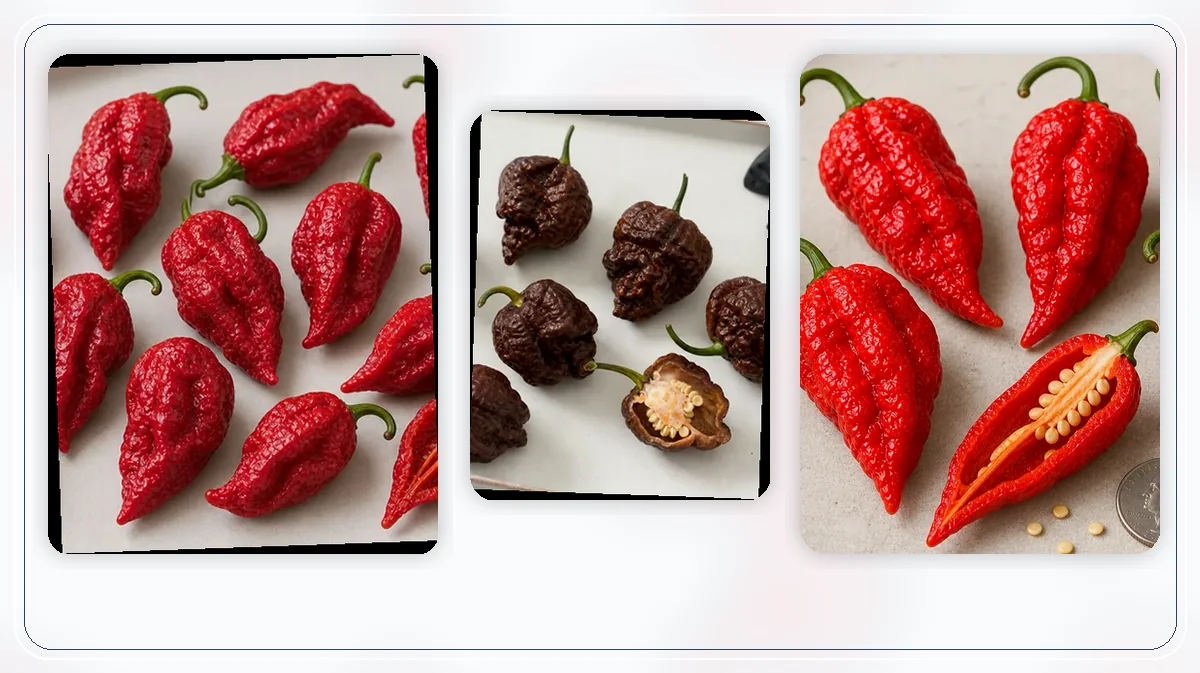
The Komodo Dragon's scorching fruity punch lands at 1,400,000-2,200,000 SHU with a flavor profile that skews intensely fruity, closer to the Moruga's character than many alternatives at this heat level.
Developed in the UK, it has a delayed heat onset that can catch cooks off guard. Substitute at 1:1, but factor in that slow build: dishes that seem under-spiced straight off the stove will intensify as they sit.
Trinidad Scorpion Butch T
As a direct relative from Trinidad's pepper tradition, the Trinidad Scorpion Butch T's fruity scorching heat is the most geographically and genetically logical swap. At 800,000-1,463,700 SHU, it runs cooler than a peak Moruga, so use 1.1:1 to compensate for the heat gap.
The flavor profile, fruity and intensely aromatic, is close enough that most tasters won't detect the difference in finished dishes.
7 Pot Primo
The 7 Pot Primo's fruity floral heat at 1,000,000-1,469,000 SHU is the best flavor-first substitute on this list. It shares the Moruga's floral, tropical character more faithfully than most super-hots.
The heat ceiling is lower, so bump the ratio to 1.2:1 to maintain intensity.
This is the right call when flavor fidelity matters more than raw heat matching, hot sauces, fruit-forward salsas, and ferments especially.
Naga Viper
The Naga Viper's fierce fruity heat tops out at 1,300,000-1,400,000 SHU - the coolest option on this list by a meaningful margin.
It is a hybrid with fruity intensity that echoes the Moruga's brightness, though with less floral complexity. Use 1.25:1 to close the heat gap.
Best deployed when you want Moruga-adjacent flavor in applications where dialing back the peak heat is actually an advantage, like spice blends or dry rubs meant for a broader audience.
Best Choice by Use
For fermented hot sauce, Carolina Reaper is the most practical Moruga substitute because it brings overlapping heat, fruit, and availability. Start at a 0.9:1 ratio if the sauce will ferment for more than a week.
Fermentation can sharpen perceived heat even when the measured capsaicin does not change.
For dry rubs and chile powders, Chocolate Bhutlah and 7 Pot Douglah are better than Reaper. Their darker, earthier flavors survive drying and pair well with cocoa, coffee, smoked salt, and grilled meat.
Moruga has a brighter fruit note, so add a little dried mango powder or citrus zest if the recipe needs lift.
For raw salsa, use 7 Pot Primo or Trinidad Scorpion Butch T in very small measured amounts. Do not swap by whole pepper count unless the pods are similar size.
A large superhot pod can be double the weight of a small one, and that difference is enough to make a batch painful.
Ratio and Safety Notes
Treat all Moruga-level substitutes as concentrate ingredients. Wear gloves, avoid touching cutting boards used for fruit or salad, and dilute with acid, salt, or fat before tasting.
If a recipe calls for one Moruga pepper, a practical starting point is 0.75 to 1 Carolina Reaper, 1 Chocolate Bhutlah, or 1 to 1.25 Trinidad Scorpion Butch T. Adjust only after the sauce rests for at least 10 minutes, because superhot burn keeps building after the first taste.
Which Peppers Make Poor Trinidad Moruga Scorpion Substitutes?
Ghost Pepper (Bhut Jolokia) seems like an obvious candidate at 855,000-1,041,427 SHU, but the heat gap is too wide. Even at a 1.5:1 ratio, you cannot fully replicate the Moruga's upper heat range, and the ghost pepper's thin flesh changes texture in sauces noticeably.
Habanero tops out around 350,000 SHU - roughly one-fifth the Moruga's floor. The fruity, floral flavor is notably similar, which is why it tempts people as a substitute, but the heat is so far off that you would need an impractical amount to compensate, and the flavor would overwhelm before the heat matched.
Scotch Bonnet has the same problem in a different direction: the flavor is arguably closer to the Moruga's Caribbean fruitiness than almost anything else, but at 100,000-350,000 SHU, it lives in a completely different heat bracket. Great pepper, wrong tool for this job.
Extracts and capsaicin drops are poor substitutes for Moruga in food. They can match heat, but they add no fruity pepper flavor and are easy to overdose.
Mild smoked chiles such as chipotle or ancho can support a sauce, but they cannot stand in for Moruga. Use them as background flavor only, not as the main heat source.
Avoid scaling up habanero volume to chase Moruga heat. The extra pepper flesh changes sauce texture long before it reaches the same heat tier.
Use a true super-hot in a measured smaller amount instead of turning the recipe into habanero puree.
Substitution tip: When substituting Trinidad Moruga Scorpion, start with less of a hotter substitute and add more to taste. For milder substitutes, increase the quantity.
Our swap ratio calculator gives precise conversion amounts, and the heat unit converter translates between Scoville and other scales.