Manzano vs Rocoto: The Black-Seeded Cousins

The manzano and rocoto are the same pepper - two names for Capsicum pubescens, the cold-hardy Andean species with black seeds and thick, apple-shaped fruit. Regional naming differs (manzano in Mexico, rocoto in South America), but the heat, flavor, and growing requirements are identical. Understanding the distinctions that actually matter - preparation, sourcing, and culinary application - is what separates confident cooks from confused ones.

Manzano Pepper vs Rocoto Pepper comparison
Quick Comparison

Manzano Pepper measures 12K–30K SHU while Rocoto registers 30K–100K SHU. That makes Rocoto about 3.3x hotter by upper SHU range. Manzano Pepper is known for its fruity and apple-like flavor (C. pubescens), while Rocoto offers fruity and crisp notes (C. pubescens).

Manzano Pepper
12K–30K SHU
Hot · fruity and apple-like
Rocoto
30K–100K SHU
Hot · fruity and crisp
  • Heat difference: Rocoto is about 3.3× hotter by upper SHU range
  • Species: Both are C. pubescens
  • Best for: Manzano Pepper excels in everyday cooking and salsas, Rocoto in hot sauces and spicy dishes

Manzano Pepper vs Rocoto Comparison

Attribute Manzano Pepper Rocoto
Scoville (SHU) 12K–30K 30K–100K
Heat Tier Hot Hot
vs Jalapeño 4x hotter 13x hotter
Flavor fruity and apple-like fruity and crisp
Species C. pubescens C. pubescens
Origin Mexico Peru

Manzano Pepper vs Rocoto Heat Levels

Both names refer to the same Capsicum pubescens species, so the heat profile is shared: roughly 12,000-30,000 SHU, though some sources cite peaks closer to 50,000 SHU in particularly hot specimens. That puts them solidly in the range of 2-5x hotter than a serrano (which typically sits around 10,000-23,000 SHU), depending on growing conditions and fruit maturity.

The burn character is what sets C. pubescens apart from other hot peppers at this SHU bracket intensity. The heat hits the back of the palate and throat rather than the lips and front of the mouth - a slower, deeper burn that lingers noticeably longer than you might expect from a pepper in this range. Capsaicin concentration in the placenta (the white membrane) is high, and the thick flesh means more surface area for that heat to develop during cooking.

For practical reference: a manzano/rocoto is meaningfully hotter than a jalapeño but well below habanero territory. The heat and flavor contrast versus habanero is significant - habaneros push 100,000-350,000 SHU, which is a completely different category of pain. The C. pubescens burn is intense but approachable for anyone who cooks regularly with serranos or Thai bird chiles.

Flavor Profile Comparison

Manzano Pepper
12K–30K SHU
fruity apple-like
C. pubescens

The manzano pepper carries a secret most shoppers miss entirely: those distinctive black seeds mark it as the C. pubescens species, a species so genetically distinct it cannot cross-pollinate with jalapeños, serranos, or any other common chili.

Rocoto
30K–100K SHU
fruity crisp
C. pubescens

Few peppers carry as much history as the rocoto.

The flavor question is more interesting than the heat question here. Manzano (the Mexican name) and rocoto (Peruvian/Bolivian usage) describe fruit from the same species, but regional cultivation has produced some variation in taste that goes beyond mere naming.

The baseline C. pubescens flavor is distinctly fruity - apple-like and slightly sweet, with a dense, almost crunchy flesh that holds up to heat far better than thin-walled peppers. There's a subtle floral note that's characteristic of the species, and the fruit itself is juicy without being watery.

Rocoto peppers grown in Andean highlands often develop a slightly earthier, more complex flavor profile due to cooler growing temperatures and longer maturation times. The altitude and temperature swings that C. pubescens thrives in seem to concentrate flavor compounds in ways that lowland cultivation doesn't replicate as easily.

Manzano peppers grown in central Mexican highlands (Michoacán, Puebla) tend toward a brighter, cleaner fruit flavor - the apple comparison is most apt here. Both are substantially more flavorful than most grocery-store jalapeños, with the thick walls giving a satisfying texture in fresh salsas and stuffed preparations.

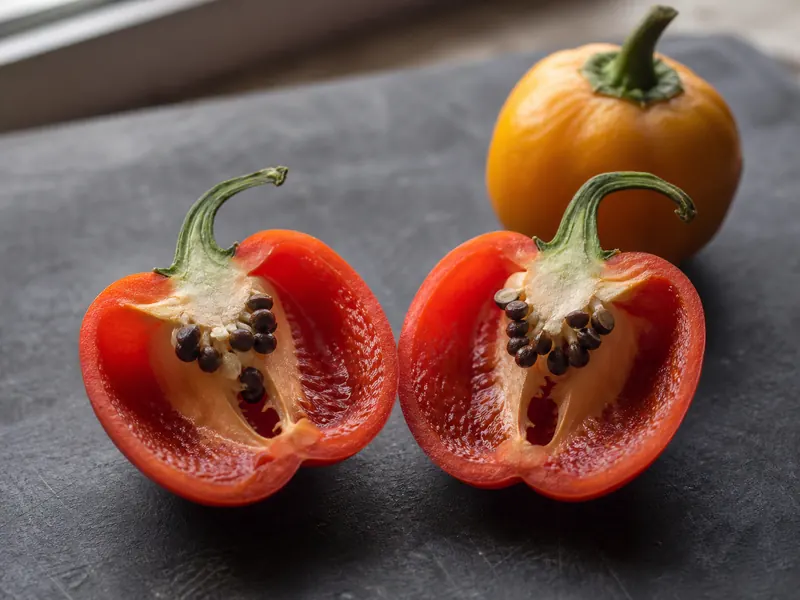
The black seeds are a visual marker of authenticity - no other domesticated Capsicum species has them - and they're edible, though most traditional recipes remove them for texture reasons.

Manzano Pepper and Rocoto comparison

Culinary Uses for Manzano Pepper and Rocoto

Manzano Pepper

Fresh manzano works best where you want both heat and fruit character in the same ingredient. Raw in salsas, the apple notes come through clearly - slice thin and combine with tomatillo, white onion, and lime for a salsa that tastes genuinely different from anything made with serranos or jalapeños.

The flesh is thick and juicy, which creates some challenges. Manzanos don't dry into flakes or powder the way a thin-walled pepper with concentrated dried heat does - moisture content stays high even when you try to dehydrate them.

For cooking applications, they hold up well to roasting. Char them directly over flame, peel, and blend into mole verde or enchilada sauce.

Rocoto

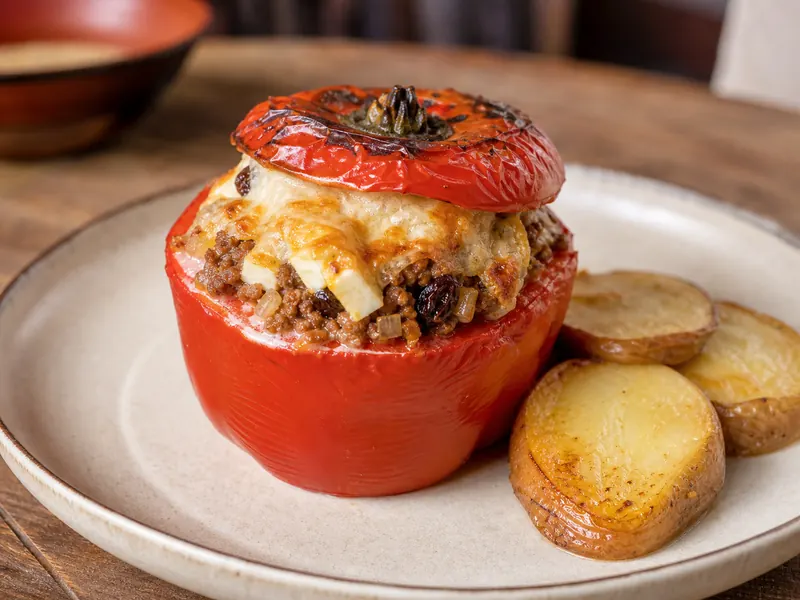
Rocoto's thick walls and crisp texture make it a standout for stuffed preparations. Rocoto relleno, the Arequipa classic, fills whole peppers with spiced meat and cheese before baking - a dish that showcases both the heat and the structural integrity of the fruit.

The flavor profile is genuinely fruity without veering tropical. Think crisp apple with a grassy edge, which pairs well with the rich, earthy flavors common in Andean cooking: potatoes, cheese, cured meats.

For peppers for tacos, rocoto brings a different character than the dried chiles typical of Mexican preparations - its fresh fruitiness adds dimension without muddying the other flavors. It also holds up well in hot sauce applications for wings where you want heat that lingers but doesn't overwhelm the meat.

Which Should You Choose?

If a recipe calls for one and you have the other, use it without hesitation - they're the same pepper. The choice between them is really a choice between cooking traditions.

Go with rocoto framing when making South American dishes: stuffed preparations, Peruvian sauces, anything where the pepper is a structural component of the dish rather than a seasoning element. The Andean tradition has centuries of technique built around this fruit.

Go with manzano framing for Mexican applications: fresh salsas, table sauces, anything where the bright fruit flavor needs to come forward. Central Mexican cooks have developed preparations that highlight the apple-sweetness in ways Andean recipes don't always prioritize.

For heat tolerance: this pepper is a serious step up from jalapeño but accessible to anyone who cooks with serranos regularly. The back-of-throat burn means first-timers should taste before committing to a full portion. For cooks who want the fuller picture on C. pubescens flavor and applications, the species rewards exploration.
Can You Substitute One for the Other?

Hotter replacement

Replacing Manzano Pepper with Rocoto

Use approximately 1/4 the amount. Start with less and add gradually.

Milder replacement

Replacing Rocoto with Manzano Pepper

Use 4× the amount, but you still won’t reach the same heat intensity.

Growing Manzano Pepper vs Rocoto

Growing notes

Manzano Pepper

Growing manzano means accepting one fundamental difference from most chili gardening: this plant wants cool temperatures. While Thai chili's fierce compact heat thrives in hot summers, manzano prefers 55-75°F and will struggle above 90°F. In most of the U.

Start seeds indoors 12-14 weeks before transplant - longer than most peppers because pubescens germinates slowly. Soil temperature for germination should be 75-80°F, but once sprouted, keep plants cooler than you would annuum varieties.

The plants grow large - up to 4-5 feet in ideal conditions - and are genuinely perennial in frost-free climates. In USDA zones 9-10, a manzano plant can produce for multiple years if protected from hard freezes.

Growing notes

Rocoto

Capsicum pubescens is the most cold-tolerant domesticated pepper species, but that doesn't mean it's easy. It needs a long growing season - often 120–150 days to first harvest - and performs best in mild climates where summers stay below 90°F. High heat actually suppresses fruit set.

Start seeds indoors 10–12 weeks before last frost. Germination is slower than most peppers, sometimes taking 3–4 weeks at 75–80°F soil temperature.

For seed-starting and container cultivation, rocoto rewards patience. Container growing works well given its perennial nature; bring it inside before frost and it may fruit for years.

Where They Come From

Origin & background

Manzano Pepper

Mexico · C. pubescens

C. pubescens is the oldest domesticated pepper species, with archaeological evidence placing its cultivation in the Andes going back at least 6,000 years. The manzano specifically became central to Mexican highland cuisine after the species spread north from South America, adapting to the cool temperatures of states like Oaxaca, Michoacán, and Mexico City's surrounding valleys.

Unlike the the broader South American pepper story that produced rocoto peppers (the manzano's close relative), Mexican cultivation selected for the round apple shape and the particular sweetness that distinguishes manzano from other pubescens varieties.

Origin & background

Rocoto

Peru · C. pubescens

Archaeological evidence from Guitarrero Cave in Peru places Capsicum pubescens cultivation at roughly 6,000 years ago, making rocoto among the earliest domesticated peppers anywhere. Pre-Columbian Andean civilizations - including the Inca - incorporated it heavily into their diets, and rocoto remains central to Peruvian cooking today.

Unlike most New World peppers that spread globally after Spanish contact, rocoto stayed largely regional. Its cold-weather requirements and thick-walled fruit made it harder to transport and dry than thin-skinned varieties.

Buying & Storage

Whether you’re shopping for Manzano Pepper or Rocoto, the same quality indicators apply. Fresh peppers should feel firm and heavy for their size, with taut, glossy skin and no soft or wet spots. Minor stem cracks known as “corking” are perfectly normal and often indicate a mature, flavorful pod.

Selection

What to look for

  • Firm pods with taut skin and consistent color
  • Should feel heavy relative to size
  • Minor stem cracks (“corking”) are normal
  • Avoid anything soft, shriveled, or with dark wet spots

Storage

How to store them

  • Fresh: Paper bag, crisper drawer, 1 to 2 weeks
  • Frozen: Wash, dry, freeze on sheet pan, 6+ months
  • Dried: Airtight and away from light, up to 1 year

Mistakes to avoid

Common misses

Manzano Pepper

  • Blaming the seeds. Membranes hold most capsaicin.
  • Adding heat too early. Capsaicin breaks down with cooking.
  • Not tasting individual pods. Heat varies 30%+.

Common misses

Rocoto

  • Blaming the seeds. Membranes hold most capsaicin.
  • Adding heat too early. Capsaicin breaks down with cooking.
  • Not tasting individual pods. Heat varies 30%+.
Final call

Manzano Pepper vs Rocoto

Manzano Pepper and Rocoto sit in the same heat tier but serve different roles. Rocoto delivers about 3.3× more upper-range heat with its distinctive fruity and crisp character. Manzano Pepper, with its fruity and apple-like profile, excels in everyday cooking.

Heat gap about 3.3× by upper range Manzano Pepper fruity and apple-like Rocoto fruity and crisp

Cooking Uses

Because manzano and rocoto are the same pepper under different names, the real cooking question is: which regional tradition are you cooking in?

Rocoto relleno is the flagship preparation - a Peruvian stuffed pepper dish where the thick walls make the fruit ideal for holding a filling of ground meat, onions, raisins, and hard-boiled egg, then baked with a cheese crust. The pepper's structural integrity during cooking is unmatched among hot peppers at this heat level. Poblanos are the closest analog in stuffed-pepper applications, but they're significantly milder and thinner-walled.

Manzano-based salsas from Michoacán use the fresh pepper raw or lightly charred, blended with tomatillo, garlic, and cilantro. The apple-fruit sweetness balances the heat in a way that pure capsaicin-forward peppers can't match. For a side-by-side look at how manzano heat compares to habanero fruitiness, the manzano wins on complexity at lower heat levels.

Substitution is straightforward in most recipes. If a dish calls for rocoto and you have manzano (or vice versa), use 1:1 with no adjustment. If you need to substitute with something more available, serrano peppers at 1.5x the quantity approximate the heat, but you'll lose the fruity thickness. Habaneros work at 0.5x quantity for heat matching, but the flavor profile shifts considerably.

For hot sauces, the thick flesh blends into a remarkably smooth, rich base. The swap options for manzano-based sauces typically recommend habanero or serrano depending on whether you're prioritizing heat or texture.

Roasting deepens the sweetness considerably - a 10-minute char under a broiler before peeling and using in any cooked application is worth the extra step.

Decision By Dish

Choose manzano when you need the closest grocery-store version of rocoto behavior. It is the better pick for stuffed pepper shells, thick fresh salsa, and chopped hot sauces where the pepper flesh stays visible. Manzano keeps the same thick-walled, juicy pubescens feel that makes rocoto different from habanero or serrano.

Choose rocoto when the dish is specifically Peruvian or Bolivian and the pepper is the identity of the sauce. Rocoto brings a sharper Andean profile and is the right choice for rocoto relleno, aji de rocoto, and table sauces built around its heat.

The heat ranges overlap enough that form matters more than the number. Use 1 manzano for 1 rocoto by weight in stuffed or chopped dishes. If the sauce tastes too sweet, add a small splash of lime or vinegar instead of switching to a thinner chile.

Swap Limits

The main limit is availability, not substitution math. Manzano is often the practical market name shoppers find in the United States, while rocoto may appear in frozen packs, paste, or imported jars. If your recipe depends on a whole pod, frozen rocoto paste is not a direct substitute for fresh manzano.

Do not replace either pepper with habanero at full volume in stuffed dishes. Habanero has thin walls and a floral chinense aroma, so it changes both structure and flavor. It works only in blended sauces, and even then we start at half because the aroma is louder.

For beginners, manzano is slightly easier because the name is more common in markets and the pod is easier to inspect. Rocoto is the better pick when authenticity matters more than convenience.

Kitchen Testing Notes

In side-by-side salsa tests, manzano tasted a little sweeter and more apple-like, while rocoto carried a sharper red-pepper bite. Both had enough flesh to thicken a sauce without extra tomato, which is why they behave differently from thinner hot peppers.

The black seeds are a useful buying clue, but they are not the only decision point. We look for firm, heavy pods with thick walls because that texture is what makes either pepper worth choosing. A thin or wrinkled pod loses the main advantage of this pepper family.

For cooked sauces, roast either pepper briefly before blending if the raw fruit note feels too sharp. For fresh salsa, keep the pepper raw and dice it small so each bite carries heat without one piece taking over the bowl.

Serving Guidance

Serve manzano raw or lightly cooked when you want crisp fruit and heat in visible pieces. It works well in chunky salsa, grilled pepper strips, and quick vinegar sauces where the pepper stays bright.

Serve rocoto when the dish already points toward Andean flavors: potatoes, cheese, onions, lime, roasted meat, or creamy hot sauce. Rocoto paste is also more useful than manzano paste when the recipe wants a specifically Peruvian profile.

If guests are heat-sensitive, remove the placenta before chopping either pepper. The thick wall still gives flavor and body, while the hottest inner tissue can be controlled separately.

Buying Prep And Storage Notes

Buying form changes the decision. Fresh manzano is the best stand-in when you need whole pods, while rocoto paste is better when the recipe already calls for a blended sauce. Frozen rocoto can work in cooked sauce, but it loses the crisp bite that makes fresh pubescens peppers useful in salsa.

For prep, cut both peppers with gloves and remove the inner membrane when you need gentler heat. The black seeds are firm and visible, so we usually remove them in smooth sauces but leave a few in chunky salsas for visual identity.

For storage, keep fresh pods dry in the crisper and use them within a week if you want the walls to stay firm. Pastes should be spooned with a clean utensil and covered tightly because oxidation dulls the fruit note quickly.

The safest shortcut: manzano for whole-pod work, rocoto for Peruvian sauce identity, habanero only when neither is available and the dish is blended.

Quick Rule For Menu Planning

For menu planning, put manzano in the role of a fresh pepper and rocoto in the role of a regional ingredient. If you are making a general hot salsa, manzano is easier to explain and buy. If you are making a Peruvian sauce or stuffed rocoto dish, rocoto is worth tracking down because the name, color, and flavor are part of the dish. That difference survives the swap test: changing the title to habanero or serrano would break the advice.

Fact-Checked & Expert Reviewed
Editorial Standards: Head-to-head comparisons include blind tasting when applicable. Heat levels cross-referenced with multiple sources. All substitution ratios tested side-by-side.
Review Process: Written by James Thompson (Lead Comparison Reviewer) , reviewed by Karen Liu (Lead Fact-Checker & Science Editor) . Last updated June 26, 2026.

Manzano Pepper vs Rocoto FAQ

Yes - both names refer to Capsicum pubescens, the same species. 'Manzano' is the common name in Mexico (from the Spanish word for apple, referencing the fruit shape), while 'rocoto' is standard in Peru, Bolivia, and other South American countries.

Capsicum pubescens registers 12,000-50,000 SHU, making it roughly 4-14x hotter than a typical jalapeño (2,500-8,000 SHU). The burn character is deeper and longer-lasting than jalapeño heat, hitting the throat rather than the lips.

Black seeds are a genetic trait unique to Capsicum pubescens - no other domesticated Capsicum species has them. This characteristic, along with purple flowers and hairy leaves, is a reliable way to identify the species regardless of what regional name it's sold under.

Technically yes, but habaneros have thin walls that don't hold stuffing well and are 3-10x hotter than rocoto. A better structural substitute is a thick-walled poblano with a serrano added to the filling for heat - you'll get closer to the original texture and a more manageable spice level.

Latin grocery stores in areas with Mexican or Peruvian communities are the most reliable source - look for them labeled either way, often alongside other fresh chiles. Specialty farmers markets and some online retailers ship fresh rocoto seasonally; the peppers also freeze well, so buying in bulk when available is practical.

Sources & References
KL
Fact-checked by Karen Liu
Research Contributor
SHU Verified
Sources Cited
Expert Reviewed
All Comparisons Browse Peppers Scoville Scale