

KnowThePepper
Chiltepin: The Tiny Wild Chile Behind Modern C. annuum
Chiltepin is the round-fruited wild form of Capsicum annuum, variety glabriusculum, native from Mexico into the southwestern United States. University of Arizona Extension places it at 50,000-100,000 SHU, while New Mexico State University notes that its intense heat fades relatively quickly.
- Species: C. annuum
- Heat tier: Hot (10K-100K SHU)
- Comparison: 6-40x hotter than a jalapeño, depending on where the jalapeño falls in its 2,500-8,000 SHU range
What Makes Chiltepin Different?
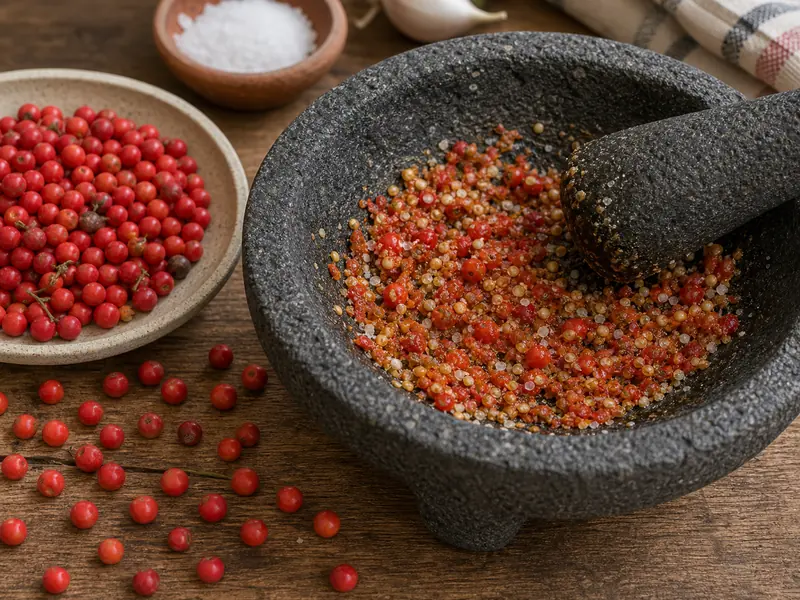
Chiltepin is a pea-sized wild chile with round fruit that ripens from green to red. University of Arizona Extension identifies it as Capsicum annuum, variety glabriusculum, and classifies it as a hot pepper.
The botanical name matters because common names overlap. Arizona Extension lists chiltepin, chiltipiquin, piquin, and tepin for this wild chile, while New Mexico State University also combines chiltepin and piquin in its garden guidance.
Because a package name alone cannot settle identity across every region or seller, look for the botanical name when available and use the small round pod as a practical clue rather than treating one common name as universal.
The burn behaves differently from many larger hot chiles. New Mexico State University describes chiltepin as characteristically hot with a sensation that soon dissipates, which makes one crushed pod useful for a brief finishing jolt.
Smoky flavor is associated with the ripe dried form by the Slow Food Foundation. The reliable sensory distinction is the combination of that dried-chile character with heat that rises quickly and does not linger as long as its SHU range might suggest.
Where Does Chiltepin Come From?
The phrase mother of all peppers needs a botanical limit. University of Arizona Extension describes chiltepin as a wild ancestor of modern domesticated peppers, but the USDA crop-wild-relative framework ties that claim to domesticated Capsicum annuum such as jalapeno, poblano, cayenne, and bell pepper.
Because that ancestry does not cover every chile species, the USDA framework specifically notes that habanero and tabasco did not originate from chiltepin and the familiar nickname cannot be read literally across the whole Capsicum genus.
The wild range reaches its northern limit in the southwestern United States and continues through northwestern Mexico. Arizona Extension describes Sonora as both an important economic region for wild harvest and a center of northern Mexican chiltepin use.
A 2008 ethnobotany study by researchers at Centro de Investigacion en Alimentacion y Desarrollo documented collection in the Rio Sonora area and Sierra de Alamos. Interviews with Mayo, Guarijio, rural residents, harvesters, and household cooks showed that the chile carries food, work, medicinal, and cultural meanings in Sonoran life.
The USDA identifies a 2,500-acre Wild Chile Botanical Area in Arizona's Coronado National Forest, where the northern wild population has conservation value as genetic material for the study of crop resilience.
What Does Chiltepin Taste Like, and How Hot Is It?
The Chiltepin delivers 50K–100K Scoville Heat Units, placing it in the Hot tier (10K-100K SHU). That makes it roughly 6-40x hotter than a jalapeño, depending on where the jalapeño falls in its 2,500-8,000 SHU range.
Flavor notes: smoky, with fast-fading heat.
How Nutritious Is Chiltepin?
For nutrient context, Arizona Extension identifies chiltepin fruit as a source of vitamins A and C. It does not provide a cultivar-specific nutrient table, and USDA FoodData Central does not provide a chiltepin entry that supports the legacy per-100-gram numbers previously shown here.
Because chiltepins are commonly used one or a few pods at a time, a nutrient total based on 100 grams of generic hot chile would exaggerate what reaches a plate.
Capsaicin is the relevant handling fact. Arizona Extension warns that wild chile oils can irritate skin and the respiratory system, so gloves, hand washing, and keeping crushed powder away from eyes are more useful here than unsupported disease or metabolism claims.
Which Dishes Suit Chiltepin?
Arizona Extension recommends unripe green chiltepins for vinegar pickles with garlic and oregano, while fully ripe red fruit can be harvested, dried, and ground.
Dried whole pods work as a table condiment because each tiny fruit is already a practical unit. The Sonora ethnobotany study records diners crushing chiltepins with their fingers directly into food, a custom that delivers heat without committing the whole pot to the same intensity.
For salsa, grind the dried fruit with tomato, garlic, and salt or crush a pod into a finished salsa. Start with one pod, disperse it through the batch, and add a second only after checking the result.
Soups and broths can take ground chiltepin near the end of cooking. Arizona Extension specifically lists soups among its uses, and late addition preserves the pepper as a distinct finishing heat rather than a background dose that is difficult to correct.
Because one tiny whole pod behaves differently from a spoonful of powder, a chiltepin substitute must match form before heat and use a measured ratio rather than a pod-for-pod exchange.
Match the pod to the job
- Green: pickle in vinegar with garlic and oregano.
- Ripe red: dry whole before storing or grinding.
- Dried whole: crush one pod over a finished dish.
- Ground: stir into salsa or soup in small measured additions.
How Do You Buy and Store Chiltepin?
Fresh chiltepins remain highly regional, while ripe dried pods travel more easily. Choose dried fruit that is intact, evenly red to red-brown, and free of condensation, visible mold, or a stale dusty odor.
Whole pods expose less surface area to air than pre-ground powder, so keep them in a dry airtight jar away from direct light and crush only the amount needed for the meal.
No reliable source used for this profile supports the old promise of a fixed 12-18 month flavor window. Check the jar for moisture and aroma instead of treating a calendar date as proof that wild chile still tastes fresh.
Because USDA conservation documents identify collecting pressure on wild chiltepin, a seller who can name the harvest region and collection practice provides better evidence than a generic premium or wild label.
What Is a Good Substitute for Chiltepin?
Compare substitutes for Chiltepin by form, flavor, and heat before choosing a ratio. Measured adjustments must account for the dish and the concentration of the replacement.
Direct comparisons show where flavor, form, and preparation differ in the Chiltepin vs Piquin matchups.
How Do You Grow Chiltepin Peppers?
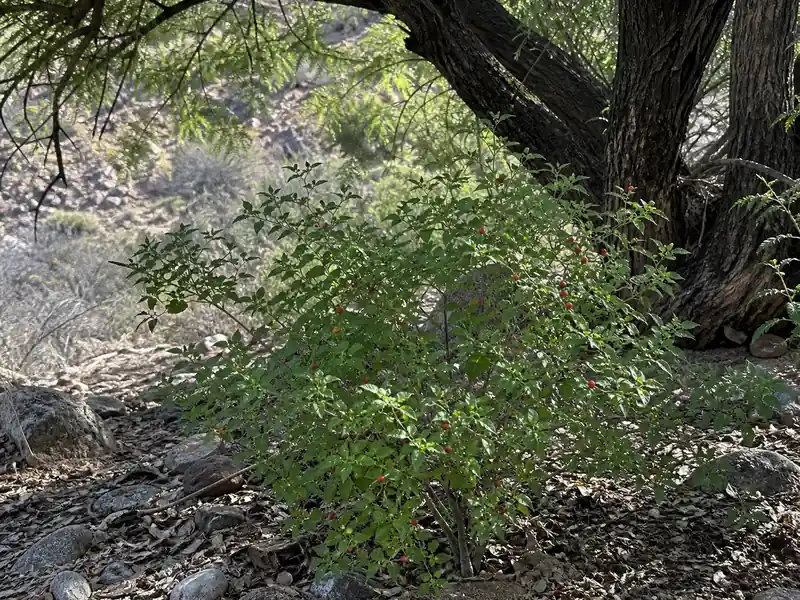
Chiltepin grows under a nurse plant in its borderland habitat, not in exposed desert sun. University of Arizona Extension names mesquite, ironwood, and hackberry as shelter that supplies summer shade, holds more moisture, and reduces winter freeze exposure.
That habitat calls for bright filtered light or afternoon shade in a hot climate and a position protected from frost, rather than full-sun instructions written for commercial field peppers.
Starts are the most reliable entry point because Arizona Extension recommends nursery plants first, while peer-reviewed research confirms that dormancy can leave viable wild seed with poor emergence.
For seed-grown plants, Arizona Extension suggests an overnight soak in vinegar or lemon juice to improve water absorption. Treat that as one home-scale pre-treatment rather than a guaranteed percentage because the 2019 Agronomy germination study found that genotype and treatment both change the result.
The plant is perennial where winter conditions allow it and reaches about 4 feet in the Arizona Extension garden guide. In colder climates, a container can move under protection before frost, but the plant still needs enough light and air movement indoors.
When wild fruit ripens in September-October in the Arizona borderlands, harvest red pods that detach easily, leave some fruit for birds where appropriate, and dry only sound fruit with no splits or decay.
| Condition | Wild-habitat evidence | Garden action |
|---|---|---|
| Summer exposure | Mesquite, ironwood, and hackberry provide shade | Use filtered light or afternoon shade |
| Winter exposure | Nurse plants reduce frost and freeze damage | Choose a sheltered site or movable container |
| Seed establishment | Starts are preferred and wild seed germinates unevenly | Buy a nursery start or pre-treat seed without expecting a guarantee |
Chiltepin FAQ


- University of Arizona Cooperative Extension - Wild Chile Chiltepin
- New Mexico State University - Growing Chile Peppers in New Mexico Gardens
- USDA - Framework for the Conservation of Native Crop Wild Relatives
- Estudios Sociales - Ethnobotany of Chiltepin in Sonora
- Agronomy - Seed Physiological Potential of Capsicum annuum var. glabriusculum
- Slow Food Foundation - Chiltepin Chile
Species classification: C. annuum - based on published botanical taxonomy.