

KnowThePepper
Count Dracula Pepper: Purple Pod Heat (5,000-30,000 SHU)
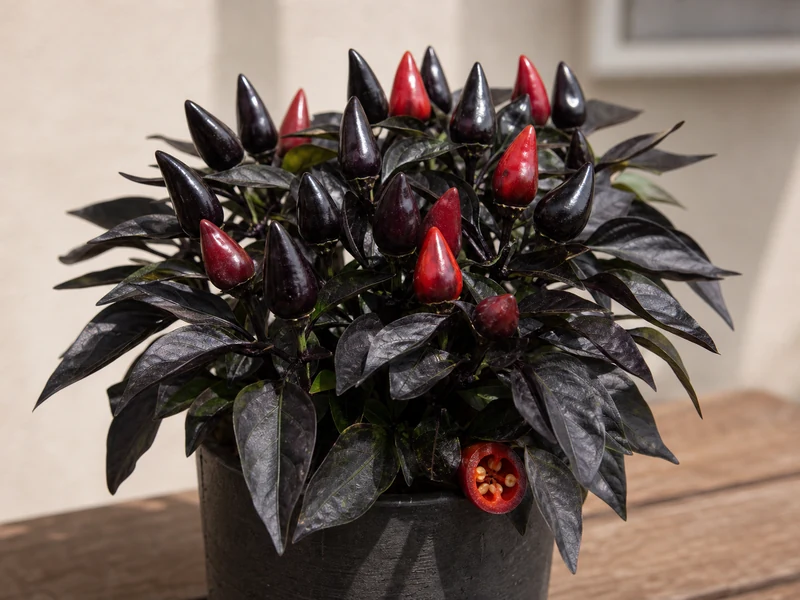
Count Dracula brings 5,000-30,000 SHU with dark purple ornamental pods that can still cook like a medium-heat annuum. We treat it as a dual-purpose variety: visual impact in pots, practical heat in chopped dishes.
- Species: C. annuum
- Heat tier: Hot (10K-100K SHU)
- Comparison: the same heat range as a jalapeño because their published ranges overlap
What Kind of Pepper Is Count Dracula Pepper?
Named for Bram Stoker's immortal count, the Count Dracula pepper carries more mystique than documented history. Its 5,000-30,000 SHU range puts it squarely in the C. annuum pepper line alongside hundreds of cultivated varieties, from sweet bells to scorching cayennes.
What makes this pepper genuinely interesting is the breadth of that heat range. At 5,000 SHU it is manageable enough for heat-sensitive cooks.
Push toward 30,000 SHU and you are approaching the upper end of what most people consider comfortably hot.
That six-fold jump over a standard jalapeño means individual fruits can vary considerably, which is something to keep in mind when cooking.
Shape and flavor data for this variety remain unverified, not unusual for novelty-named cultivars that circulate primarily through specialty seed exchanges rather than commercial agriculture. The name itself does the marketing work, and growers often select it more for its gothic branding than any documented sensory profile.
For heat comparison, the Lemon Drop sits at a similar ceiling of 30,000 SHU, giving you a rough benchmark. Count Dracula occupies the same general heat neighborhood, though without confirmed flavor notes, direct cooking comparisons are speculative.
This is a pepper for the adventurous grower or collector who appreciates a good name and does not mind some uncertainty in the kitchen.
Where Did Count Dracula Pepper Originate?
The Count Dracula pepper's origin is officially listed as unknown, which fits the theatrical name perfectly. Unlike heritage varieties with centuries of agricultural documentation, this cultivar appears to have emerged from the novelty seed market, a space where creative naming often precedes rigorous botanical record-keeping.
Varieties in this category typically arise from hobbyist breeders or small seed companies looking to capitalize on pop culture appeal. The name references Bram Stoker's 1897 novel and its countless adaptations, suggesting the pepper was developed or branded sometime after the character became a cultural fixture.
Without verified origin data, it is difficult to place Count Dracula within any regional pepper tradition. It does not connect to the documented heritage of lesser-known regional varieties the way an heirloom would.
What is clear is its species: the C. annuum species line, the most widely cultivated pepper species on the planet, which tells us something about its likely temperament as a garden plant.
What Does Count Dracula Pepper Taste Like, and How Hot Is It?
The Count Dracula Pepper delivers 5K–30K Scoville Heat Units, placing it in the Hot tier (10K-100K SHU). That makes it roughly the same heat range as a jalapeño because their published ranges overlap.
How Nutritious Is Count Dracula Pepper?
Like all C. annuum peppers, Count Dracula delivers meaningful nutrition alongside its heat. Capsaicin, the compound responsible for that 5,000-30,000 SHU range, binds to TRPV1 receptors and triggers thermogenic responses in the body.
Peppers in this heat tier are reliable sources of vitamin C, often exceeding orange content by weight. They also provide vitamin A, vitamin B6, and potassium.
Capsaicin itself has been studied for anti-inflammatory properties and metabolic effects, though research is ongoing.
Calorie content is minimal, most hot peppers clock in under 40 calories per 100g. The heat compounds may support circulation and appetite regulation, making them a functional ingredient beyond flavor.
What Is Count Dracula Pepper Best Used For?
Cooking with Count Dracula requires accepting some uncertainty. Without confirmed flavor notes, the safest approach is treating it according to its heat tier and species.
As a C. annuum in the 5,000-30,000 SHU range, it likely behaves similarly to other mid-heat annuums, adequate for salsas, hot sauces, and drying applications. Compare it mentally to De Arbol at a similar SHU ceiling, and you get a reasonable working assumption for how much heat to expect per fruit.
The wide SHU range means tasting before committing to a recipe is essential. A fruit landing at 5,000 SHU works fine raw in fresh preparations.
One hitting 30,000 SHU needs dilution or cooking to integrate properly.
For Indian-inspired dishes, Jwala Pepper demonstrate what peppers in this tier can do when dried and used as a base heat. Count Dracula could plausibly fill a similar role, though without flavor confirmation, experimentation is part of the deal.
The name makes it a natural choice for Halloween-themed recipes or gothic dinner party presentations, lean into the theatrical angle if you grow it.
How Should You Buy and Store Count Dracula Pepper?
Count Dracula peppers are not supermarket staples. Your best bet is specialty seed exchanges, small-batch seed companies, or growers who focus on novelty and heirloom varieties.
Search for the name specifically, it will not appear in most mainstream catalogs.
Fresh fruits, if you can find them, should feel firm with no soft spots. The wide 5,000-30,000 SHU range means buying from a grower who can tell you about the specific plant matters more than it would with a standardized commercial variety.
Store fresh peppers in the refrigerator crisper drawer for up to 2 weeks. For longer storage, dry whole or slice and freeze.
Dried Count Dracula peppers, if the flavor profile proves worthy, can last 12 months in an airtight container away from light.
What Is a Good Substitute for Count Dracula Pepper?
No dedicated substitute guidance is published for Count Dracula Pepper yet.
What Does Count Dracula Pepper Need to Grow Well?
Growing Count Dracula follows standard C. annuum protocols, which is the good news for anyone working with this variety for the first time. The species is forgiving, well-documented, and adaptable across a wide range of climates.
Start seeds indoors 8-10 weeks before last frost. If seedlings get too much stretch before transplanting, the correcting leggy pepper seedlings covers exactly what to do without losing the plant.
Transplant outdoors once nighttime temperatures stay consistently above 55°F. Full sun is non-negotiable, peppers in partial shade produce less fruit and lower capsaicin concentrations.
Speaking of which, if you want to push toward that 30,000 SHU ceiling rather than the 5,000 SHU floor, the practical methods for increasing pepper heat explain how stress management and soil adjustments affect capsaicin production.
For comparison, Manzano Pepper show how demanding some varieties in this heat range can be. Count Dracula, as an annuum, is considerably less fussy.
Space plants 18-24 inches apart. Water consistently but avoid waterlogged soil.
Harvest when fruits show full color development for peak heat.
Count Dracula Pepper FAQ


- Capsicum annuum L. - USDA PLANTS Database
Species classification: C. annuum - based on published botanical taxonomy.