

KnowThePepper
Little Elf Pepper: 20,000-30,000 SHU, Uses & Growing
Little Elf combines compact ornamental form with real 20,000-30,000 SHU bite, so it is not a heatless display pepper. Use it as a small-space plant that still contributes practical chopped heat.
- Species: C. annuum
- Heat tier: Hot (10K-100K SHU)
- Comparison: 3-12x hotter than a jalapeño, depending on where the jalapeño falls in its 2,500-8,000 SHU range
What Is Little Elf Pepper?
Little Elf sits in an interesting middle ground for an ornamental pepper: compact enough for containers, but hot enough to cook with seriously.
At 20,000-30,000 SHU, it lands well above a typical jalapeno and approaches lower cayenne-style heat. That makes it a practical chopped-heat pepper for salsa, vinegar sauce, and dried flakes, not just a decorative plant.
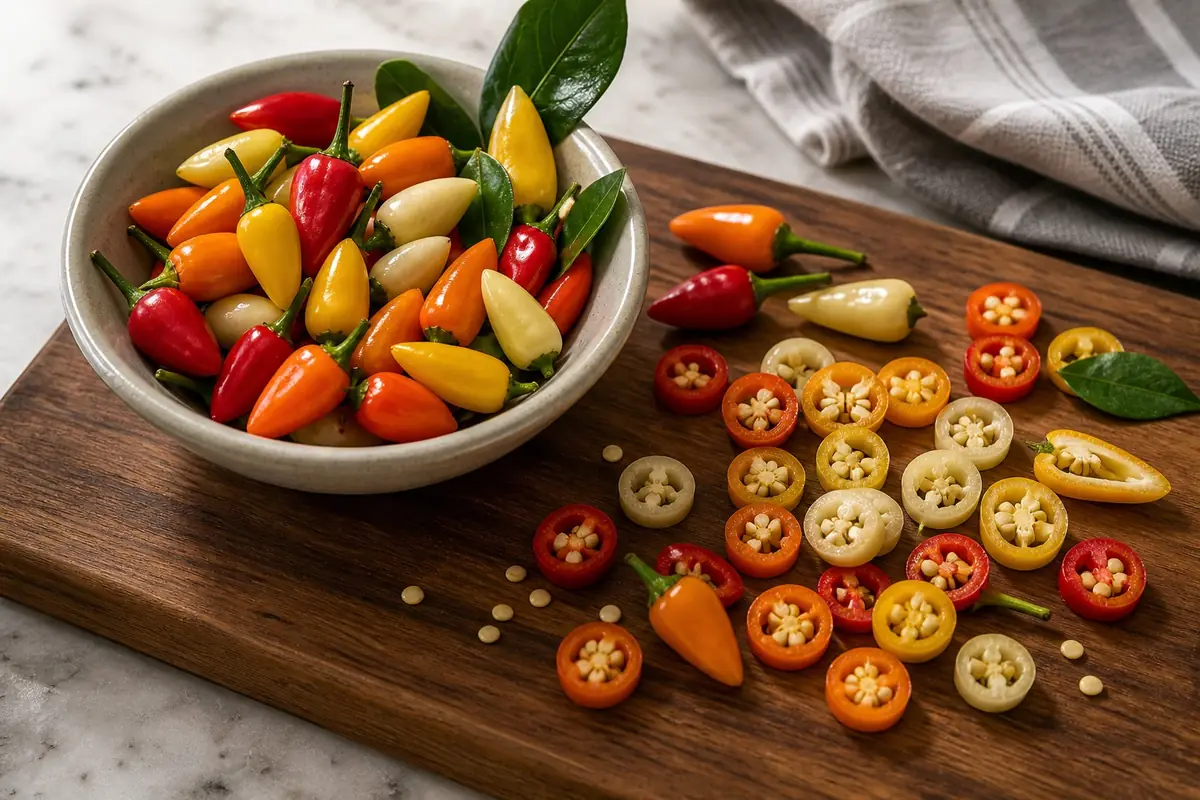
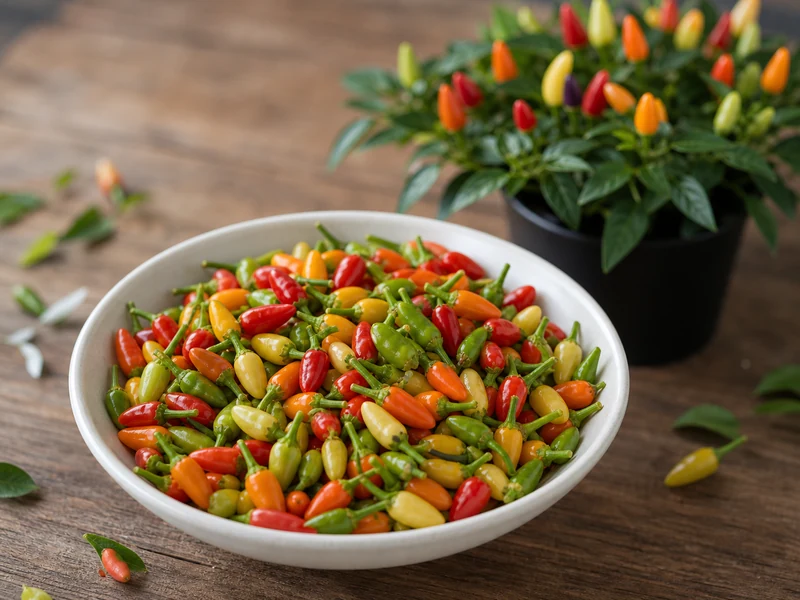
The variety belongs to the C. annuum family, which includes everything from bell peppers to cayennes. What sets Little Elf apart is its small-space habit: clustered upright pods, colorful ripening, and enough heat to justify harvesting instead of only admiring the plant.
Use it anywhere you would use a small hot ornamental pepper, but taste first. At this range, a handful of pods can push a dish from bright to aggressive quickly.
We grow them in 3-gallon containers on a drip line and consistently get pod counts that outperform larger pepper plants per square foot of space.
The compact size makes them easy to bring indoors before first frost, extending the season by four to six weeks in cooler climates. Fresh pods also dry well directly on the plant if left unpicked past peak color, turning deep red and papery without splitting.
Where Does Little Elf Pepper Come From?
Little Elf's origins are officially listed as unknown, placing it among the peppers with undocumented regional histories. This isn't unusual for compact ornamental-leaning varieties, many were developed or selected informally by home growers and small seed savers rather than through institutional breeding programs.
The name suggests it was selected partly for plant size, a trait that became commercially attractive as container gardening grew in popularity during the late 20th century. Whether it emerged from a specific regional landrace or was bred specifically for compact growth is unclear.
What's documented is its classification within C. annuum, the most widely cultivated pepper species globally.
That broad species encompasses thousands of named varieties across centuries of cultivation. Little Elf likely represents a relatively recent selection within that lineage, though without breeding records, its exact parentage remains speculative.
How Spicy Is Little Elf Pepper, and How Does It Taste?
The Little Elf Pepper delivers 20K–30K Scoville Heat Units, placing it in the Hot tier (10K-100K SHU). That makes it roughly 3-12x hotter than a jalapeño, depending on where the jalapeño falls in its 2,500-8,000 SHU range.
What's in Little Elf Pepper? Nutrition Facts
Like most C. annuum peppers, Little Elf delivers vitamin C in meaningful amounts, red-ripe pods contain significantly more than green ones. Capsaicin, responsible for the heat, has been studied for its potential role in metabolism and pain response, though clinical applications remain an active research area.
Peppers in this heat range contribute antioxidants including carotenoids (especially in red-ripe fruit), vitamin A precursors, and potassium. Calorie load is minimal, a typical small hot pepper runs under 10 calories per pod.
The USDA's nutrient database covers C. annuum broadly.
Specific Little Elf data isn't independently published.
How Do You Cook With Little Elf Pepper?
With no firmly established flavor profile on record, cooking with Little Elf is partly an exercise in tasting as you go. The heat range - 20,000 to 30,000 SHU - means you should always sample a pod before committing to a quantity in a dish.
At the lower end, these work well pickled whole, added to vinegar brines alongside garlic and mustard seed.
The small pod size makes them ideal for that application, no slicing required. At the hotter end, they behave more like a De Arbol, lending heat to oils, salsas, and cooked sauces.
Red-ripe pods can be dehydrated and ground into a flake or powder.
The compact size means they dry quickly and evenly. Fresh green pods work in stir-fries, ceviche, and anywhere you want a clean, direct kick without heavy smokiness.
For context, the heat sits in a similar bracket to Lemon Drop and Aleppo Pepper. Substituting Little Elf for either requires tasting first, that 25,000 SHU spread matters in a finished dish.
Where Can You Buy Little Elf Pepper, and How Do You Store It?
Little Elf pods appear most reliably at farmers markets and specialty grocers during late summer through early fall, when container-grown crops hit peak production. Outside that window, look for them at nurseries selling the plants themselves, growing your own remains the most consistent supply option.
Fresh pods keep 1-2 weeks refrigerated in a paper bag.
For longer storage, pickle, freeze (no blanching needed for hot peppers), or dehydrate. Dried pods store well in an airtight container away from light for up to 12 months without significant flavor loss.
What Can Replace Little Elf Pepper in a Recipe?
No dedicated substitute guidance is published for Little Elf Pepper yet.
How Do You Grow Little Elf Peppers?
Little Elf's compact growth habit is its most practical trait for home growers. Plants typically stay under 18 inches tall, making them one of the better choices for container cultivation and small-space pepper growing.
Start seeds indoors 8-10 weeks before last frost. Germination is standard for C. annuum - soil temps between 75-85°F produce the fastest sprout times.
Transplant after nighttime temps stay consistently above 55°F.
In containers, use at least a 5-gallon pot with good drainage. These plants set heavy fruit loads relative to their size, and the weight can stress underpotted plants.
Stake or cage once fruiting begins.
Sun exposure directly affects heat output. More sun, less water stress = hotter pods.
If you want milder fruit, keep soil consistently moist and provide some afternoon shade in hot climates.
Watch for pepper sunscald on exposed fruit - small pods are especially vulnerable during heat waves.
For comparison, plants in the same heat tier like the intensely hot small-fruited Chiltepin require similar sun but often need more heat-unit accumulation to ripen well. Little Elf tends to be more forgiving across a wider climate range, which is one reason it works well in northern gardens.
Little Elf Pepper FAQ


- Capsicum annuum L. - USDA PLANTS Database
- USDA FoodData Central - Peppers hot chili raw
-
Sourcing note: heat range is a widely cited figure, not an institutional measurement No university, government or research body publishes a Scoville measurement for this cultivar. The range given here is the figure growers and pepper references cite in common, and it has not been verified by a laboratory.
Species classification: C. annuum - based on published botanical taxonomy.