

Chiltepin Substitute: Piquin Is Closest, but Form Decides
Piquin is the closest chiltepin substitute, but the label may describe the same wild chile under a regional name. For a distinct replacement, use Thai bird chile or malagueta for fresh high heat, cayenne for powder, and chile de árbol for a milder dried-pod salsa.
Heat at a glance
Is Piquin the Same Pepper as Chiltepin?
Piquin is not a simple universal synonym. Arizona Extension records piquin, tepin, chiltipiquin, and chiltepin as regional names for the wild chile, while commercial sellers also use piquin for cultivated elongated pods.
Read the botanical line and inspect an intact pod when possible. A package naming Capsicum annuum variety glabriusculum with small round fruit may already contain chiltepin, so no conversion is needed.
If the package holds longer pointed pods, treat it as a related piquin product and measure by trimmed weight. The chiltepin-versus-piquin distinction is visible only while pods remain intact, because grinding removes the round-versus-pointed clue.
Match the Replacement to the Chiltepin Form
Form decides whether the substitute changes the dish before heat is considered. Arizona Extension records green chiltepin in vinegar pickles and ripe fruit dried or ground for salsa and soup, which creates different texture and dosing needs.
| Chiltepin in the recipe | Preserve first | Best starting direction |
|---|---|---|
| Whole dried pods | Tiny dose and dry aroma | Piquin or ground chile de árbol |
| Fresh green or red pods | Fresh moisture and small-pod heat | Thai bird chile or malagueta |
| Ground chiltepin | Even heat with no extra flesh | Cayenne or ground piquin |
| Table-side crushed chile | Fast, controllable single servings | Piquin or a similar-size Thai pod |
A fresh pepper cannot disappear into chile salt, and powder cannot supply the visible pod or fresh bite expected in a relish. Choose the physical job first, then adjust heat inside that form.
Best Chiltepin Substitutes by Form
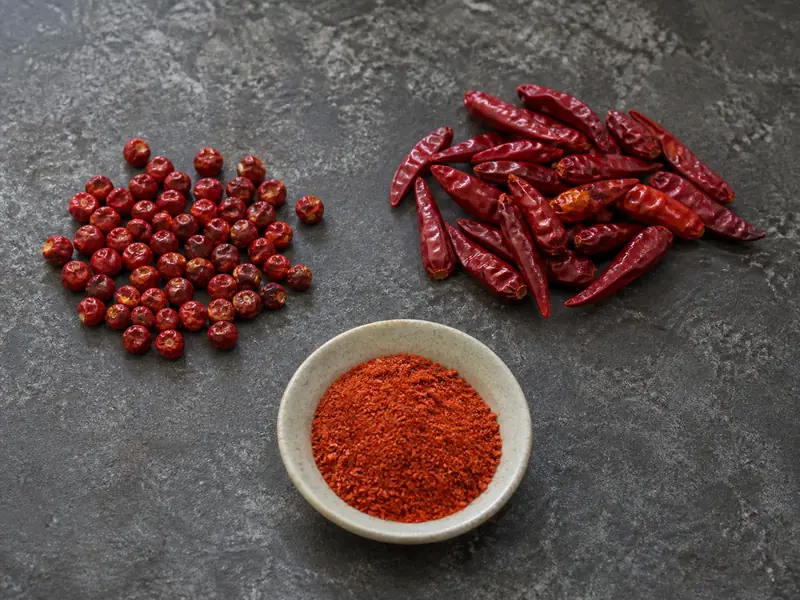
Piquin or Pequin for the Closest Match
Closest MatchPiquin is the first label to check because it may be a close replacement or the same wild chile sold under a regional name. University of Arizona Extension lists piquin among the Spanish names for Capsicum annuum variety glabriusculum, while New Mexico State University measured its cultivated NuMex Bailey Piquin at 90,000-100,000 SHU.
That naming overlap makes intact pods more useful than a front label. Round bead-like pods may be chiltepin under another name, while a distinct elongated piquin still keeps the tiny dried form and high heat needed for table seasoning.
Choose this for crushed table seasoning, salsa, beans, broth, or chile salt. It preserves the small-dose rhythm better than a larger dried chile.
Thai Bird Chile for Fresh Heat
Runner-UpFresh Thai bird chile fits when the recipe needs a small pod, clean heat, and little added flesh. Iowa State University Extension places bird's eye or Thai chile in the same 50,000-100,000 SHU band as the Arizona Extension range for chiltepin.
Elongated Thai pods taste brighter when green, which suits fresh salsa, dipping sauce, curry paste, or a minced garnish better than a Sonoran dried table condiment.
After salt or acid is mixed in, wait 10 minutes before increasing the dose so the capsaicin has time to spread.
Malagueta for Vinegar Sauce and Beans
Also GreatIowa State University Extension groups malagueta at 50,000-100,000 SHU, so it keeps the heat close while moving the flavor toward a fruitier, cleaner chile.
Its thin pod works well in vinegar sauce, braised beans, soup, and cooked tomato salsa. Use ripe red malagueta when the dish can accept a brighter aroma, and do not expect it to reproduce the dry character of crushed chiltepin on its own.
Cayenne for Ground Chiltepin
Cayenne is the practical powder replacement when chiltepin was going to disappear into soup, beans, a dry rub, or a cooked sauce. Iowa State University Extension places cayenne at 25,000-50,000 SHU, below chiltepin's published range but close enough to raise heat without adding pepper flesh.
Blooming cayenne briefly in warm oil or stirring it into the wet dish before the final seasoning check distributes its slower, cleaner heat evenly, although the quick dried-chile aroma remains absent.
This is an editorial starting ratio rather than a laboratory equivalence because NMSU documents heat changes from genetics, weather, fruit age, and growing conditions.
Chile de árbol for Toasted Salsa
Dried chile de árbol is easier to find in Mexican groceries and keeps the whole-pod workflow used for toasted salsa. University of Guam Extension places it in a lower hot band than chiltepin, so it supplies less heat but a useful dry red-chile base.
Because the larger, elongated pod changes both volume and extraction, remove the stem, toast only until fragrant, and grind it before measuring instead of matching one intact árbol to several tiny chiltepins by appearance.
Serrano When Less Heat Is the Goal
Iowa State University Extension lists serrano at 10,000-25,000 SHU, making it a deliberate heat reduction for fresh salsa or garnish served to a mixed group.
Use finely minced serrano in pico de gallo, guacamole, tomato salsa, or a fresh vinegar relish. Its green flavor and extra moisture make it unsuitable for dry seasoning, chile salt, or any recipe where a tiny whole pod is part of the presentation.
Do not keep adding serrano in pursuit of equivalent heat, because the added flesh will change the salsa before it reaches chiltepin intensity.
How Should You Measure a Chiltepin Substitute?
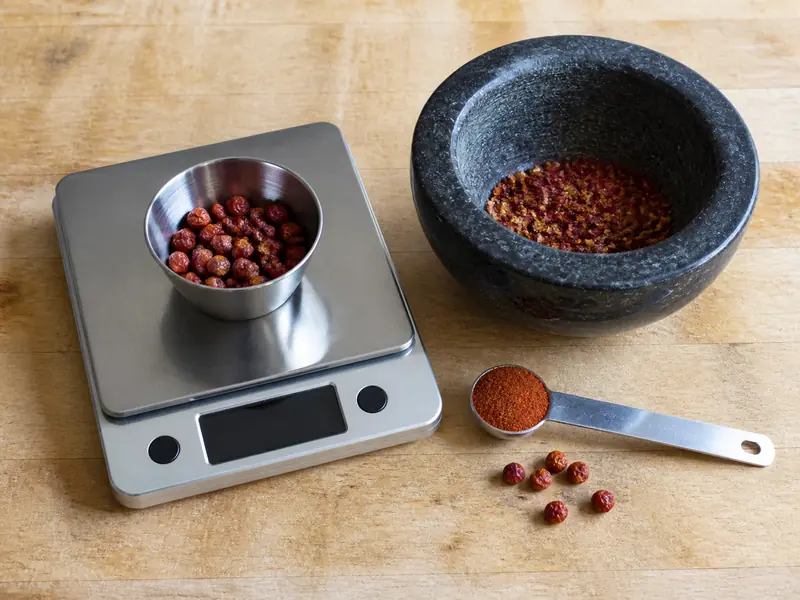
No fixed ratio can neutralize natural heat variation. NMSU explains that genetics, weather, fruit age, and growing conditions alter capsaicinoid content, so two bags with the same pepper name can land differently.
Use trimmed weight when comparing whole fresh or dried peppers, and use level volume when comparing powders. Pod count comes last because chiltepin's round beads and elongated substitutes do not carry equal mass.
Ratio workflow
- Remove stems before weighing whole pods.
- Grind whole dried alternatives before comparing volume.
- Add the first measured dose and mix it through the entire dish.
- Wait 10 minutes in salsa or vinegar sauce, or through one simmer in soup and beans.
- Increase in small measured steps and record the final amount for that batch.
This method protects texture as well as heat. It also prevents a larger pepper from being counted as though it were one tiny chiltepin.
Choose the Substitute That Fits the Dish
The same replacement does not win in every recipe because chiltepin can act as a whole condiment, a ground seasoning, or a fresh acid-soaked chile. The Sonora ethnobotany record describes crushing dried pods directly into food, while Arizona Extension also names salsa and soup.
| Dish or use | Best option | Why it fits |
|---|---|---|
| Table-side crushing | Piquin | Keeps a tiny whole-pod dose |
| Fresh salsa or garnish | Thai bird chile | Preserves fresh high heat with little flesh |
| Vinegar sauce or beans | Malagueta | Similar heat band and thin pod |
| Soup, chili, or dry rub | Cayenne | Disperses evenly without extra moisture |
| Toasted red salsa | Chile de árbol | Easy-to-find dried pod with a lower heat ceiling |
| Mild fresh salsa | Serrano | Reduces heat while keeping fresh chile texture |
For a dish with two jobs, split the replacement rather than forcing one pepper to do everything. A small amount of chile de árbol can provide toasted depth while cayenne restores heat in a cooked sauce.
Restore Aroma Without Turning the Dish Smoky
Heat-matched peppers can still leave the dish flat because dried chiltepin carries an aroma that Slow Food describes as smoky. Correct that gap after selecting the main substitute, not by choosing an unrelated pepper solely for smoke.
Toast whole piquin or chile de árbol for a few seconds in a dry pan and stop when the aroma rises. Darkened skin tastes bitter, so color is a stop signal rather than a target.
When only fresh Thai chile or malagueta is available, add at most 1/8 teaspoon smoked paprika per cup of salsa or sauce as an editorial starting point. Paprika can dominate quickly, and it should never replace the main chile or be mistaken for an exact flavor match.
Chiltepin Swaps That Change the Ingredient Too Much
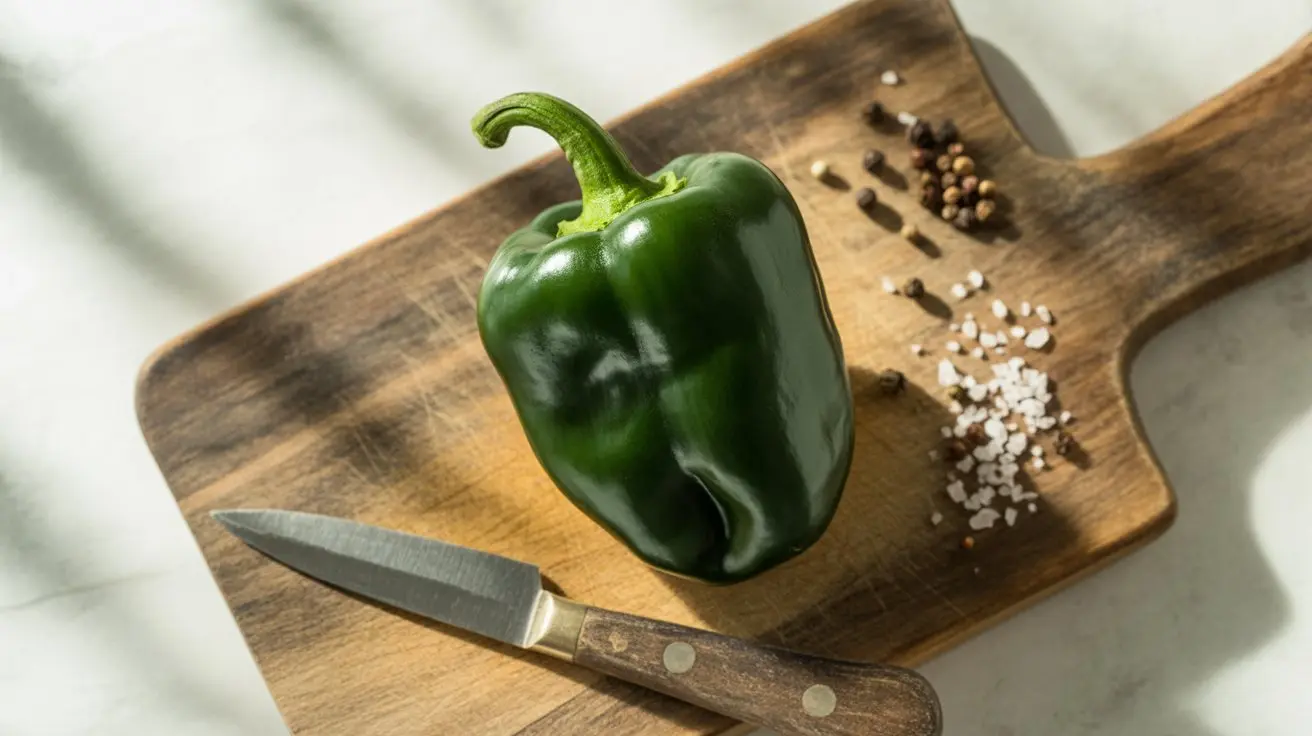
Bell pepper and Habanada fail as direct chiltepin substitutes because both remove the central high-heat job. Adding cayenne afterward creates a two-ingredient reconstruction with much more pepper flesh, which may be useful in another recipe but is not a clean swap.
Habanero and superhot peppers move in the opposite direction. Iowa State places common habanero at 100,000-350,000 SHU, and its fruity aroma can take over before it copies chiltepin's short finishing heat.
Sichuan pepper is not a Capsicum chile and does not create capsaicin heat. Its numbing sensation changes the sensory effect instead of replacing the ingredient.
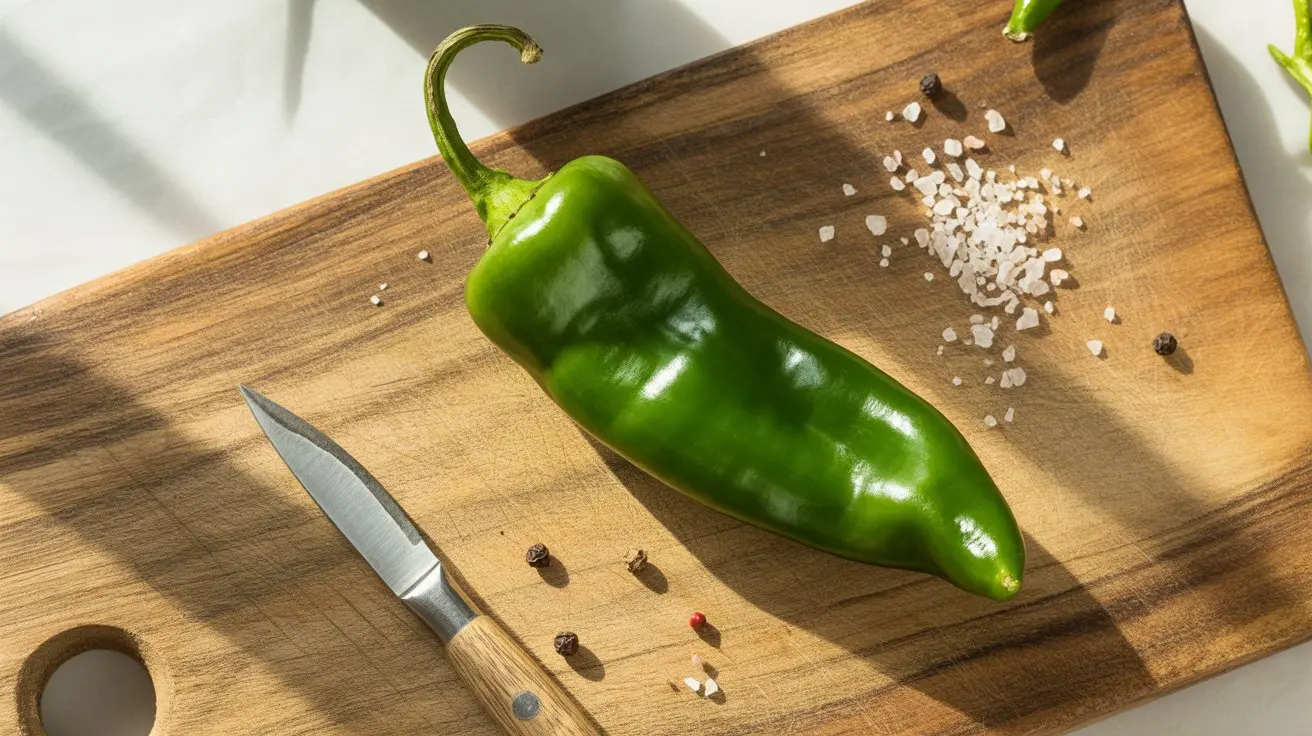
Large mild green chiles such as Anaheim, poblano, and New Mexican types add moisture, skin, and vegetable body long before they reach the needed intensity. Use them only when the dish is being redesigned around roasted pepper flesh.
Avoid generic American chili powder unless the label lists only ground chile. Blends containing cumin, garlic, oregano, or salt season the entire dish and cannot be measured as a chiltepin replacement.
Keep These Ratios Out of Untested Canned Salsa
The ratios above apply to food served fresh, refrigerated, or cooked for immediate use. They do not authorize changes to the total pepper quantity in a shelf-stable canning formula.
UC Master Food Preservers allows one pepper type to replace another within a tested salsa recipe but warns against substituting the same number of large peppers for small ones. Follow the tested recipe's total measured pepper amount, acid, jar size, and processing time exactly.
If a tested recipe does not explain how its pepper quantity is measured, use the named pepper or choose a different tested formula. Heat preference never overrides the acid and volume controls that make canned salsa safe.
Substitution tip: When substituting Chiltepin, start with less of a hotter substitute and add more to taste. For milder substitutes, increase the quantity.
Our swap ratio calculator gives precise conversion amounts, and the heat unit converter translates between Scoville and other scales.
Chiltepin Substitute Questions
- University of Arizona Cooperative Extension - Wild Chile Chiltepin
- New Mexico State University - Chile Cultivars Developed at NMSU, 1913-2022
- Iowa State University Extension - Growing Peppers in the Home Garden
- University of Guam Extension - Hot Pepper, An Important Crop on Guam
- UC Master Food Preservers - Salsa Peppers and Spices
- Estudios Sociales - Ethnobotany of Chiltepin in Sonora
- Slow Food Foundation - Chiltepin Chile