

KnowThePepper
Inca Red Drop: The Scarlet Teardrop Pepper Often Mistaken for Lemon Drop
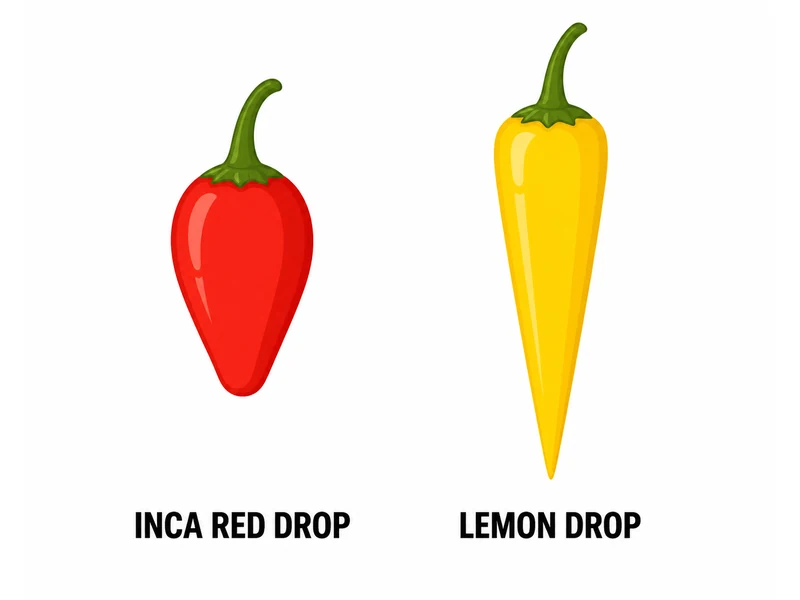
The Inca Red Drop is a small pendant Capsicum baccatum pepper from South America, commonly reported at 10,000 to 30,000 SHU though no published measurement backs that. It overlaps closely with the citrusy, medium-sharp Lemon Drop, which is the pepper it is most often mistaken for.
- Species: C. baccatum
- Heat tier: Hot (10K-100K SHU)
- Comparison: 1-12x hotter than a jalapeño, depending on where the jalapeño falls in its 2,500-8,000 SHU range
What Kind of Pepper Is Inca Red Drop Pepper?
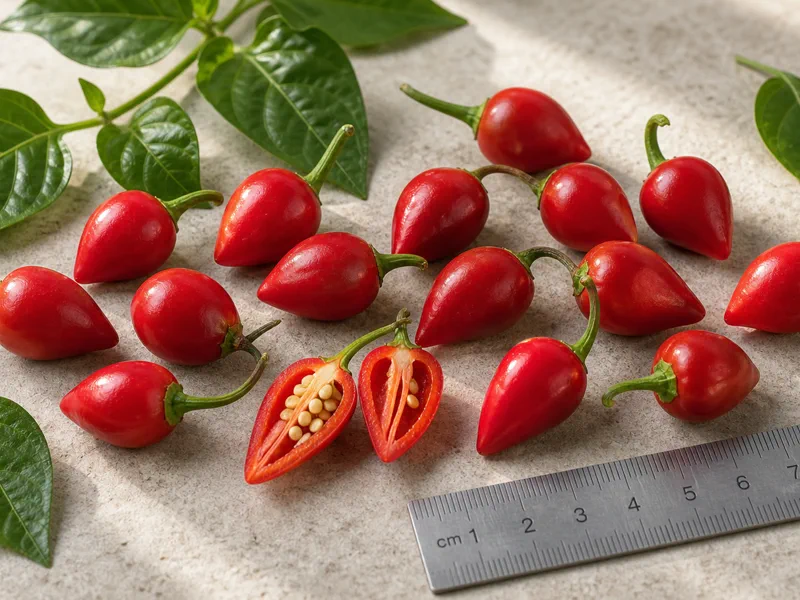
The Inca Red Drop looks almost decorative, a small teardrop pod ripening through green and orange to vivid scarlet. That appearance undersells it, because the pepper carries real heat.
It is commonly reported at 10,000 to 30,000 SHU, which places it in the hot pepper range. No laboratory has published a figure for it, so treat the number as approximate.
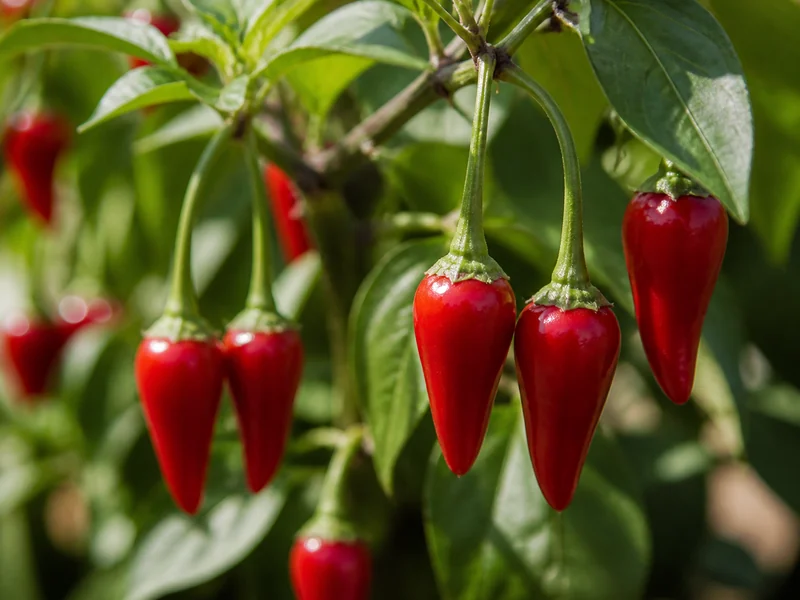
That teardrop shape is more than ornamental. Capsicum baccatum splits into a wild form with small erect fruit and a domesticated form, the variety pendulum, defined by larger pendant fruit that stays on the plant, and this pepper hangs squarely in the second group.
Baccatum peppers carry a fruity, faintly citrusy backbone that separates them from C. annuum standards. The heat here builds gradually rather than arriving at once, which makes the pepper easier to cook with than its numbers suggest.
Where it sits among its actual species relatives is set out below, because the comparison people usually reach for is the citrusy, medium-sharp Lemon Drop and the two overlap closely.
For growers, the species tag means a long season and a branching, bushy plant. The fruit hangs in clusters, which makes it a genuine dual-purpose variety rather than a novelty.
| Pepper | SHU | How it differs |
|---|---|---|
| Rocotillo Pepper | 1,500 to 2,500 | The mild end of the species, sweet with only a trace of heat |
| Bishop's Crown | 5,000 to 30,000 | Flared and variable, overlapping this pepper across most of its range |
| Inca Red Drop Pepper | 10,000 to 30,000 | This pepper, pendant and teardrop-shaped |
| Lemon Drop | 15,000 to 30,000 | The one it gets confused with, yellow and conical rather than red |
| Criolla Sella Pepper | 15,000 to 30,000 | Bolivian, smoky when dried, near-identical on heat |
| Aji Amarillo | 30,000 to 50,000 | The Peruvian kitchen staple, and hotter than any of the above |
Where Does Inca Red Drop Pepper Come From?
The species has deep roots in South America. A 2012 study in BMC Genetics places the center of origin for Capsicum baccatum in Bolivia and southern Peru, and puts domestication of the species at roughly 4,500 years ago in Peru.
That same work traces the species across the continent, from Colombia to Argentina and from sea level past 4,000 meters. The Inca in this pepper's name points at that Andean heritage rather than at a documented link to the Inca state.
Baccatum peppers became staples of Peruvian and Bolivian cooking long before European contact. Varieties in the species were among the first peppers Spanish colonizers met moving through the continent.
The cultivar itself is a different matter.
No extension service, seed bank or research record describes the Inca Red Drop as a named variety, and the seed sellers who do carry it disagree with each other about its species.
It survives through specialty and heirloom seed suppliers rather than through any preservation program. That scarcity is part of the appeal for collectors, and it is also why so little about it is verifiable.
How Hot Is Inca Red Drop Pepper? Heat and Flavor
The Inca Red Drop Pepper delivers 10K–30K Scoville Heat Units, placing it in the Hot tier (10K-100K SHU). That makes it roughly 1-12x hotter than a jalapeño, depending on where the jalapeño falls in its 2,500-8,000 SHU range.
Inca Red Drop Pepper Nutrition Facts
A 100g serving of this pepper is more than anyone eats at once.
That matters because the nearest published reference is raw red hot chili, which USDA lists at 40 calories and 144mg of vitamin C per 100g. At the handful a dish actually takes, the contribution is negligible.
No record exists for the Inca Red Drop itself, which is consistent with everything else about this cultivar's documentation.
Red-ripe fruit carries carotenoid pigments alongside the vitamin C, and that is what produces the deep color.
Capsaicin concentrates in the pale inner membrane rather than the seeds, so trimming it is the lever if a batch runs hot. Why the membrane carries the burn covers why that placement matters.
What Is Inca Red Drop Pepper Best Used For?
The heat is what makes this worth cooking with rather than only growing. It builds slowly, sits in the mid-palate, and fades cleanly, without the lingering throat burn that spoils a second bite.
Fresh pods slice into salsas, pickle whole, or go into stir-fries where you want visible heat that does not bury the other ingredients. Their small size lets you drop them whole into a braise and control the heat by how long they stay in.
Dried and ground, the powder has real depth, working much the way De Arbol does. It suits dry rubs for grilled meat and stirs cleanly into a vinaigrette.
For chili, the practical guidance on peppers for chili covers the layering, and this pepper's fruity mid-heat sits well against earthier dried types. It also works in the dishes covered by peppers in Mexican cooking, despite its South American origin.
Pair it with citrus, stone fruit, and rich fatty proteins. Lamb, pork belly and duck all take it well.
How Do You Keep Inca Red Drop Pepper Fresh?
Fresh pods are uncommon in mainstream groceries. Specialty Latin markets and farmers markets carrying South American produce are better bets, and online seed suppliers are the reliable route if you would rather grow it.
Fresh peppers keep 1 to 2 weeks refrigerated in a paper bag, left unwashed until use. Washing first traps moisture and speeds mold.
They dry well, which is the sensible way to keep a glut. Hang whole pods somewhere warm and dry, or run a dehydrator at 135°F until they are fully brittle.
Whole dried pods hold their flavor in an airtight container away from light for up to a year. Ground powder fades faster, so grind only what a dish needs.
Freezing whole and unblanched works as well, which suits a pod this small better than thawing it for fresh use.
What Can You Use Instead of Inca Red Drop Pepper?
No dedicated substitute guidance is published for Inca Red Drop Pepper yet.
How Do You Grow Inca Red Drop Peppers?
Germination is the main hurdle. Like most baccatum varieties it wants consistent warmth, and 80 to 85°F soil temperature speeds things up noticeably, so start seed 10 to 12 weeks before last frost.
Transplant only after cold risk has passed, into full sun and well-drained soil of moderate fertility. Back off nitrogen once flowering starts, because heavy feeding buys leaves rather than fruit.
The bushy branching habit means early staking or a cage is worth the trouble. Plants get top-heavy with fruit, and 18 to 24 inches of spacing gives each one room.
Growing peppers from seed covers the soil prep, transplanting and pest management this pepper needs. Baccatum types resist pests better than most C. annuum varieties, though aphids and spider mites still warrant a look.
Harvest at full red, when the fruit sweetens and the heat peaks. In a short season, pinch the first flowers to push early fruit set rather than hoping for a late one.
Days to maturity are not documented anywhere reliable for this cultivar. Seed sellers quote figures that disagree, so plan by the species habit and your own season rather than by a number.
Inca Red Drop Pepper FAQ


- Albrecht, Zhang, Mays, Saftner and Stommel, Genetic diversity in Capsicum baccatum is significantly influenced by its ecogeographical distribution, BMC Genetics 13:68, 2012
- USDA FoodData Central, SR Legacy 170106, Peppers, hot chili, red, raw
Species classification: C. baccatum - based on published botanical taxonomy.