

KnowThePepper
Aji Limo Pepper: No Single Shape or Color for Peru's Ceviche Chile
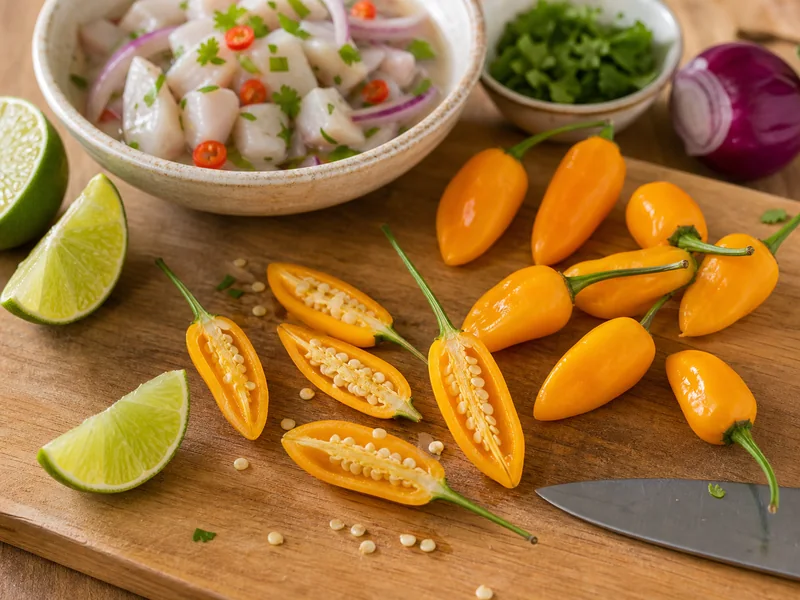
Aji Limo is a highly diverse Peruvian Capsicum chinense group, not one uniform yellow or red pod, and PROMPERU describes spherical and elongated fruit in red, orange, yellow, green, white, or purple, with strong aroma and very high pungency.
- Species: C. chinense
- Heat tier: Hot (10K-100K SHU)
- Comparison: 4-20x hotter than a jalapeño, depending on where the jalapeño falls in its 2,500-8,000 SHU range
What Kind of Pepper Is Aji Limo?
Aji Limo is a Peruvian Capsicum chinense pepper group prized for strong aroma and sharp heat. PROMPERU's national pepper guide makes the most important identification point first: there is no single fixed Aji Limo shape or color.
Fruit may be spherical or elongated and may mature red, orange, yellow, green, white, purple, or brown, depending on the line, while PROMPERU also records names including paringo, miscucho, bola, picante, Aji Lima, and aji cebiche.
The commonly published estimate of 30,000 to 50,000 SHU on the Scoville scale is useful for rough meal planning, but it should not be treated as a guarantee for every pod. PROMPERU rates the group's pungency as very high, and INIA measured very high capsaicinoid content in one named seed-bank accession.
Aji Limo is usually described as aromatic and fruity, with some lines showing a distinct citrus impression. That aroma complements lime in ceviche, but the pepper does not add acidity and it does not replace the citrus juice that marinates the fish.
Do not confuse Aji Limo with Aji Limon or Lemon Drop. Aji Limo belongs to Capsicum chinense, while Lemon Drop is generally sold as a yellow, elongated Capsicum baccatum, and a seed packet that treats the names as interchangeable may produce the wrong plant.
What Is the Origin of Aji Limo?
PROMPERU places Aji Limo on Peru's coast and in the Amazon, with Tumbes, Piura, and Lambayeque named as core northern regions, and its guide calls the group one of Peru's most diverse peppers rather than a single standardized cultivar.
A 2024 Universidad Nacional Agraria La Molina study supports the species assignment. The researchers identified three northern Peruvian Limo accessions as Capsicum chinense and found fruit shape among the most variable traits in the material they evaluated.
That variability explains why market photos can look contradictory without either pepper being mislabeled, which means a round yellow pod and a narrow orange or red pod can both sit within the Aji Limo group when their provenance is reliable.
The cuisine provides a clearer identity than color alone. PROMPERU records the names aji cebiche and aji Lima, while Peru's official tourism recipe uses Aji Limo directly in fish ceviche.
How Spicy Is Aji Limo, and How Does It Taste?
The Aji Limo delivers 30K–50K Scoville Heat Units, placing it in the Hot tier (10K-100K SHU). That makes it roughly 4-20x hotter than a jalapeño, depending on where the jalapeño falls in its 2,500-8,000 SHU range.
Flavor notes: fruity and citrusy.
How Nutritious Is Aji Limo?
There is no single cultivar-wide nutrition panel that represents every Aji Limo line and ripeness stage. The earlier calorie and vitamin cards on this page used category-level pepper estimates, so they have been removed rather than presented as measurements of Aji Limo.
INIA's seed-bank catalog reports 790.1 milligrams of capsaicinoids per 100 grams of dried fruit for accession PER017698, alongside high antioxidant capacity. That is useful evidence for one dried accession, but it cannot be applied to every fresh market pod or serving.
Capsaicinoids are concentrated mainly in the pale placental tissue inside hot peppers. Wear gloves when cutting several pods, keep hands away from eyes, and choose the amount by the dish because a normal ceviche serving uses far less than 100 grams.
What Is Aji Limo Best Used For?
Aji Limo's clearest kitchen job is seasoning Peruvian fish and seafood with aroma and heat, and Peru Travel's official fish ceviche recipe uses 2 to 3 Aji Limo peppers per 1 kilogram of fish, with the amount adjusted to preference.
That recipe chops the peppers into small pieces and allows the seeds to be removed when less heat is wanted. It adds the chopped pepper after the lime juice, garlic, salt, and pepper are mixed, then adds the drained fish, onion, and cilantro before serving.
PROMPERU names fish or seafood ceviche, tiradito, choritos a la chalaca, sudado, sauces, condiments, and pickles as appropriate uses, and these dishes use the pepper for a fresh aromatic edge, so add it late when that aroma matters.
Fresh pods give the clearest aroma, while frozen pieces work in cooked sauces and stews when texture matters less. Paste and preserved forms are practical, but check the ingredient list because salt, acid, and other peppers change how much the product contributes.
When fresh Aji Limo is unavailable, choose a substitute by task, while Aji Amarillo supplies Peruvian fruitiness with a different shape and flavor, while a small amount of habanero supplies Capsicum chinense aroma but can raise the heat quickly.
How Do You Buy and Store Aji Limo?
Buy Aji Limo from a Peruvian grocer, grower, or seed seller that names the species and source line, while color alone is weak evidence because PROMPERU documents round and elongated fruit across six mature colors.
Fresh pods should feel firm and show no wet spots, mold, or collapsed skin. Frozen pieces and jarred paste are useful alternatives, but read the label for added salt, acid, or blended chiles before adjusting a recipe.
UC Davis postharvest guidance for peppers uses 45 degrees Fahrenheit as the best temperature for maximum commercial shelf life and warns that prolonged colder storage can cause chilling injury, while a home refrigerator is usually colder, so buy a small amount, keep it dry and unwashed, and use it while the skin is still firm.
Freeze clean, dry pods or chopped portions when aroma matters more than crisp texture. Label the form and color because the frozen pieces will soften and become harder to identify after thawing.
What Can Replace Aji Limo in a Recipe?
Compare substitutes for Aji Limo by form, flavor, and heat before choosing a ratio. Measured adjustments must account for the dish and the concentration of the replacement.
Direct comparisons show where flavor, form, and preparation differ in the Aji Amarillo vs Aji Limo matchups.
How Do You Start and Grow Aji Limo Peppers?
Start with seed sold as Aji Limo and Capsicum chinense, ideally with a photo or accession description, and avoid listings that use Aji Limo, Aji Limon, and Lemon Drop as interchangeable names because they can mix two species.
University of Minnesota Extension recommends starting peppers about 8 weeks before outdoor planting and keeping the seed mix at 80 to 90 degrees Fahrenheit until emergence. Provide strong overhead light, then harden seedlings gradually before transplanting.
Move plants outside after frost risk when night temperatures remain above 50 degrees Fahrenheit, with full sun, warm soil, drainage, and even moisture are the dependable pepper-growing requirements. A container also needs enough root volume and more frequent moisture checks.
PROMPERU reports Aji Limo growing in warm, humid coastal and Amazon environments and describes plants reaching up to about 1 meter. Your seed line may differ, so its documented plant habit and days to maturity should outrank a generic height or harvest promise.
Harvest by the mature color named for your line rather than waiting for every Aji Limo to turn yellow or red, and the fruit should be fully sized, firm, and strongly colored before you save seed from a plant that matches the expected shape and heat.
Aji Limo FAQ


- PROMPER? - Peruvian Peppers catalog
- PROMPER? - Peru, the Taste is Ours
- Peru Travel - Peruvian Fish Ceviche
- Universidad Nacional Agraria La Molina - Morphological characterization of northern Peruvian peppers
- University of Minnesota Extension - Growing Peppers
- UC Davis Postharvest Research and Extension Center - Bell Pepper
Species classification: C. chinense - based on published botanical taxonomy.