

KnowThePepper
Japones Pepper: Bright, Smoky Dried Heat for Infused Oils and Stir-Fries
The japones pepper brings 15,000 to 30,000 SHU of bright, smoky heat to dried chili applications across Asian and Latin cuisines. A slender, elongated C. annuum variety with roots tracing back to Japan, it sits firmly in the hot pepper SHU range and delivers roughly six times the punch of a jalapeño.
Ideal for infused oils, stir-fry sauces, and spice blends.
- Species: C. annuum
- Heat tier: Hot (10K-100K SHU)
- Comparison: 2-12x hotter than a jalapeño, depending on where the jalapeño falls in its 2,500-8,000 SHU range
What Makes Japones Pepper Different?
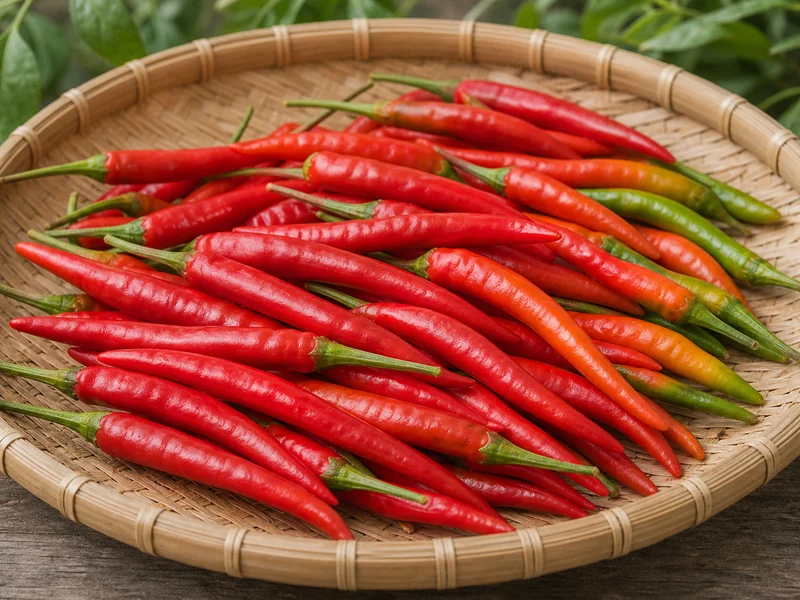
Japones peppers are thin, finger-length dried chilies measuring about 2 to 3 inches long with a glossy, deep red skin when mature. The name translates simply to 'Japanese' in Spanish, though the pepper's story between continents is more layered than that name suggests.
At 15,000 to 30,000 SHU, the heat sits in a satisfying middle zone, sharper than an ancho but nowhere near the searing intensity of a ghost pepper. The flavor profile is what sets japones apart: a clean, bright heat with distinctly smoky undertones that deepen during the drying process.
There's minimal fruitiness compared to many dried chilies, which makes the pepper a reliable building block in spice blends where you want heat and complexity without a dominant fruity note.
Botanically classified as Capsicum annuum, the same species that includes bell peppers and cayennes, japones plants are compact and productive. The peppers are almost always sold dried rather than fresh, which concentrates both the heat and the characteristic smokiness.
For heat comparison context, japones falls in the same general range as Jwala Pepper, though japones leans smokier where that pepper reads greener and more pungent. It's a workhorse dried chili that rewards cooks who understand how to coax flavor from dried pods.
Where Does Japones Pepper Come From?
Despite the name, the japones pepper's origin story is tangled. The pepper is botanically a C. annuum variety that was likely introduced to Japan via Portuguese and Spanish trade routes in the 16th century, the same colonial networks that carried chilies from the Americas across Asia.
Japan adopted the pepper enthusiastically, incorporating it into pickling brines, spice pastes, and noodle broths. Over time, the variety became associated with Japanese cooking traditions closely enough that Spanish-speaking traders began calling it 'japones' to distinguish it from other dried chilies.
The pepper eventually circled back into Latin American and Mexican cooking, where it remains a staple in Asian pepper traditions that intersect with global spice trade history. Today it appears in both East Asian and Mexican kitchens, a genuinely bicultural ingredient shaped by centuries of trade.
How Spicy Is Japones Pepper, and How Does It Taste?
The Japones Pepper delivers 15K–30K Scoville Heat Units, placing it in the Hot tier (10K-100K SHU). That makes it roughly 2-12x hotter than a jalapeño, depending on where the jalapeño falls in its 2,500-8,000 SHU range.
Flavor notes: bright and smoky.
What's in Japones Pepper? Nutrition Facts
Like most dried chilies, japones peppers are used in small quantities, so their nutritional contribution per serving is modest but not trivial. Dried pods are concentrated sources of capsaicin, the compound responsible for heat, understanding how capsaicin interacts with pain receptors explains why the burn from dried chilies can feel more sustained than fresh ones.
Dried japones also provides vitamin C (reduced from fresh but still present), vitamin A precursors from the red carotenoids, and trace amounts of iron and potassium. A single dried pod contains roughly 5 to 10 calories.
The red pigmentation indicates high capsanthin content, an antioxidant carotenoid linked to anti-inflammatory properties in emerging research.
Which Dishes Suit Japones Pepper?
Dried japones peppers shine in applications where heat and smokiness need to carry a dish without competing fruit notes getting in the way. Toast them briefly in a dry skillet - 30 to 60 seconds per side over medium heat, before grinding or rehydrating.
That step amplifies the smoky character significantly.
For sauces and braises, follow the practical guidance on rehydrating dried peppers by soaking pods in hot water for 20 to 30 minutes until pliable. The soaking liquid carries flavor too.
Use it in the sauce base rather than discarding it.
In Chinese-American cooking, japones appears whole in dishes like kung pao chicken and Sichuan stir-fries, where the pods infuse hot oil before other ingredients hit the pan. Compared to the De Arbol, japones is slightly milder and smokier, making it a good choice when you want heat that supports rather than dominates.
The pepper also works well in fermented pepper preparations - its firm dried skin rehydrates cleanly during lacto-fermentation, producing a condiment with layered heat and acidity. Grind dried japones into a coarse flake for a finishing spice over roasted vegetables or eggs.
How Do You Buy and Store Japones Pepper?
Fresh japones are rarely seen at retail, look for them dried, which is their standard commercial form. Availability peaks in fall and early winter when dried chili selections expand at Latin and Asian grocery stores.
Bags of 2 to 4 ounces are the typical retail size.
Bulk bins at specialty spice shops often offer better value.
Online retailers carry japones year-round. Look for pods with deep red color and a slight sheen, dull, brownish pods have lost volatile aromatics.
Store in an airtight glass jar away from light and heat.
Properly stored, dried japones hold their flavor for 12 to 18 months, though heat intensity begins fading after the first year.
What Can Replace Japones Pepper in a Recipe?
Direct comparisons show where flavor, form, and preparation differ in the De Arbol vs Japones matchups.
How Do You Grow Japones Peppers?
Japones plants behave like most compact C. annuum varieties, manageable, productive, and forgiving for growers with some pepper experience.
Start seeds indoors 8 to 10 weeks before your last frost date. Germination happens fastest at soil temperatures between 80 to 85°F, so a heat mat is worth using.
Transplant outdoors once nighttime temps stay reliably above 55°F.
Full sun is non-negotiable. These plants need 6 to 8 hours of direct light daily to produce well.
Spacing at 18 inches gives each plant room to branch.
Compared to Manzano Pepper, japones is considerably easier to grow in standard garden conditions, no altitude requirements, no unusual soil preferences. Consistent moisture matters more than heavy feeding.
Let the soil dry slightly between waterings to avoid root rot.
Peppers mature to red in approximately 70 to 85 days from transplant. For drying, harvest when fully red and hang in small bundles in a warm, well-ventilated space.
Alternatively, a dehydrator at 125°F for 8 to 10 hours produces consistent results.
Dried pods store well in an airtight container for up to a year without significant heat loss.
Japones Pepper FAQ


Species classification: C. annuum - based on published botanical taxonomy.