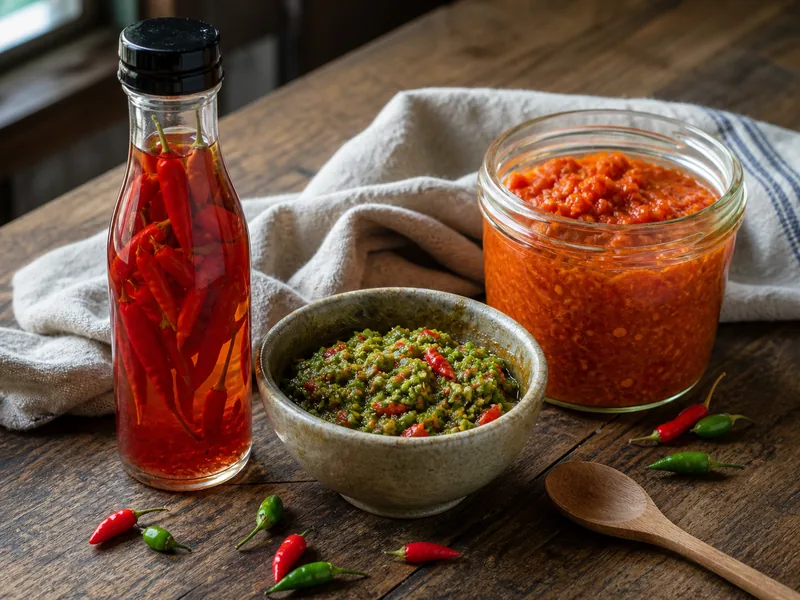
Capsicum frutescens Varieties hub with route-specific pepper varieties arranged for browsing
7 varieties

Capsicum Frutescens

A compact species known for upright-growing, fiery peppers. Tabasco and Thai bird's eye peppers are the most famous members. Small pods, big heat.

7 varieties 6 comparisons 2 heat levels

Capsicum frutescens is one of the five domesticated pepper species, spanning an extraordinary heat range from mild chilacas to scorching super-hots. Known for upright-growing fruits and often intense capsaicin content, frutescens varieties appear in cuisines from Mexico to Trinidad to Southeast Asia. This hub covers every variety on the site with heat data, flavor profiles, and growing notes.

Flavor is the first thing that separates Capsicum frutescens from its relatives — and it's a distinctive profile. Where the annuum pepper species tends toward grassy, vegetal notes, frutescens varieties often carry a sharper, more pungent heat with less sweetness behind it. That character shows up whether you're eating a mild earthy, dark-skinned chilaca or a fruit that can level a grown adult.

The species spans a genuinely wild heat range. At the low end, the the Chilaca Pepper variety sits between 1,000 and 2,500 SHU — gentle enough for everyday cooking, prized in Mexican cuisine for its dried form (pasilla). The the Manzano chili pepper steps things up to 12,000-30,000 SHU, notable partly because it's one of the few pepper species that tolerates cooler growing temperatures. The Aji Charapita peppers, a tiny wild-type berry from Peru, packs 30,000-50,000 SHU into a fruit the size of a pea — and commands some of the highest prices per kilogram of any pepper on earth.

Mid-range frutescens varieties like the the Lombok Pepper variety (50,000-100,000 SHU) bridge the gap toward serious heat, widely used across Indonesian cooking. Then the category vaults into extreme territory: the 7 Pot Jonah and 7 Pot White both register between 800,000 and 1,200,000 SHU — territory you can explore on the super-hot SHU bracket hub. The Dorset Naga heat profile pushes even further, topping out near 1,500,000 SHU, making it one of the most potent peppers ever formally measured.

Botanically, frutescens plants tend to produce smaller, often upright-pointing fruits on compact but prolific bushes. Many varieties are perennial in tropical climates, living for years and developing woody stems. The species shows strong disease resistance, particularly to tobacco mosaic virus, which is one reason it's been used in breeding programs. If you're starting from seed, expect longer germination times than annuum varieties — 25-35 days is common, and consistent warmth above 80°F (27°C) is non-negotiable.

Culinary applications stretch across continents. Frutescens varieties anchor West African pepper sauces, Trinidadian hot condiments, and Southeast Asian sambals. The dried and smoked forms of milder varieties underpin Mexican mole traditions. At the super-hot end, the peppers are mostly used in extract production or by heat enthusiasts who understand the chemistry of capsaicin's burn.

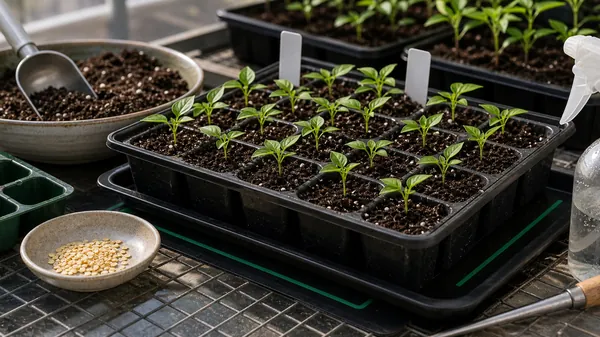
For growers, frutescens varieties reward patience. They're slower to mature than most annuum types, but the yields on established plants are exceptional. Soil drainage matters more than fertility — these peppers originated in environments where waterlogging was the primary stress. A full seed-starting and transplant guide covers the specifics of getting frutescens varieties from germination to harvest.

Capsicum frutescens Varieties in-post pepper reference image with varied cultivars and kitchen context

About Capsicum Frutescens

A compact species known for upright-growing, fiery peppers. Tabasco and Thai bird's eye peppers are the most famous members. Small pods, big heat. We track 7 varieties in this species. All chili peppers belong to five domesticated Capsicum species, each with unique characteristics in heat range, flavor, pod shape, and growing requirements.

The hottest Capsicum frutescens in our database is Peri Peri at 50K–175K SHU, measured on the Scoville scale. Heat in peppers comes from capsaicin, a compound concentrated in the placental tissue inside the pod.

Growing Capsicum frutescens? Start with our seed-to-harvest guide and check the growing calendar for your zone. Understanding pepper anatomy helps identify species traits like seed color, flower count, and pod position.

How to Use This Species Hub

A species hub is most useful when you want to understand the family traits underneath the grocery names. Species explains why peppers can share flower form, pod position, growth habit, or flavor chemistry even when their heat levels are far apart. That matters especially in Capsicum frutescens, where one species can cover fresh-eating peppers, frying peppers, drying chiles, ornamentals, and serious heat all at once. Start here to understand the family, then sort by heat tier, origin, or recipe use once you know which branch of the species you actually need.

We currently track 7 varieties in this species, and the biggest origin lane inside that set is Africa with 1 entries. That spread is why species pages pair naturally with African Peppers: they show how the same biological family gets expressed in different regional cooking traditions. The 6 linked comparisons help show where shared species is enough for substitution and where it is not.

In practice, the cleanest workflow is to use the species page to set expectations, then jump into the profile that matches your target heat range, wall thickness, or flavor direction. From there, use a comparison or substitute page if the recipe demands flexibility. That keeps the species layer useful for cooks and growers instead of turning it into taxonomy with no payoff.

Notable Varieties

All Capsicum Frutescens

7 varieties

Every variety in this collection, sorted by maximum Scoville heat rating. Click any card for the full profile with flavor notes, anatomy details, growing tips, and substitutes.

Origins Breakdown

Capsicum frutescens varieties are grown worldwide. Explore peppers from specific regions in our origin hub pages.

Africa 1 variety
Mozambique / Southern Africa 1 variety
Brazil 1 variety
Philippines 1 variety
Indonesia 1 variety
India 1 variety Mexico 1 variety

Heat Level Distribution

How capsicum frutescens distribute across the Scoville scale. Click any tier to browse all peppers at that heat level.

Extra-Hot 2 varieties Hot 5 varieties

Heat Range Comparison

Visual breakdown of where each variety falls on the Scoville scale. The bar width shows the documented SHU spread — wider bars mean more variable heat between individual pods. Learn why heat varies in our guide to pepper heat variation.

Peri Peri 50K–175K
Piri Piri Pepper 50K–175K
Malagueta 60K–100K
Siling Labuyo 80K–100K
Cabe Rawit 50K–100K
Kanthari Chili 50K–100K
Tabasco Pepper 30K–50K

Related Comparisons

All comparisons →

Side-by-side breakdowns of heat, flavor, and culinary uses. Each comparison covers Scoville ratings, pod anatomy, and substitution options.

Browse all comparisons in our comparison hub, or use the pepper tools for calculators and finders.

Related Guides

All guides →

Reference guides and recipes tied to the same pepper family, region, or use-case.

Other Capsicum Species

All chili peppers belong to five domesticated Capsicum species. Each species has unique traits in heat capacity, pod shape, and growing requirements.

Capsicum annuum
Capsicum chinense
Capsicum baccatum
Capsicum pubescens

Frequently Asked Questions

Capsicum frutescens is one of five domesticated pepper species. We track 7 varieties in this species.
Peri Peri at 50,000–175,000 SHU.
The most common origins are: Africa, Mozambique / Southern Africa, Brazil, Philippines, Indonesia.
Sources & References

Explore More

Jump into the wider database, heat tiers, comparisons, and substitute references without another card wall.