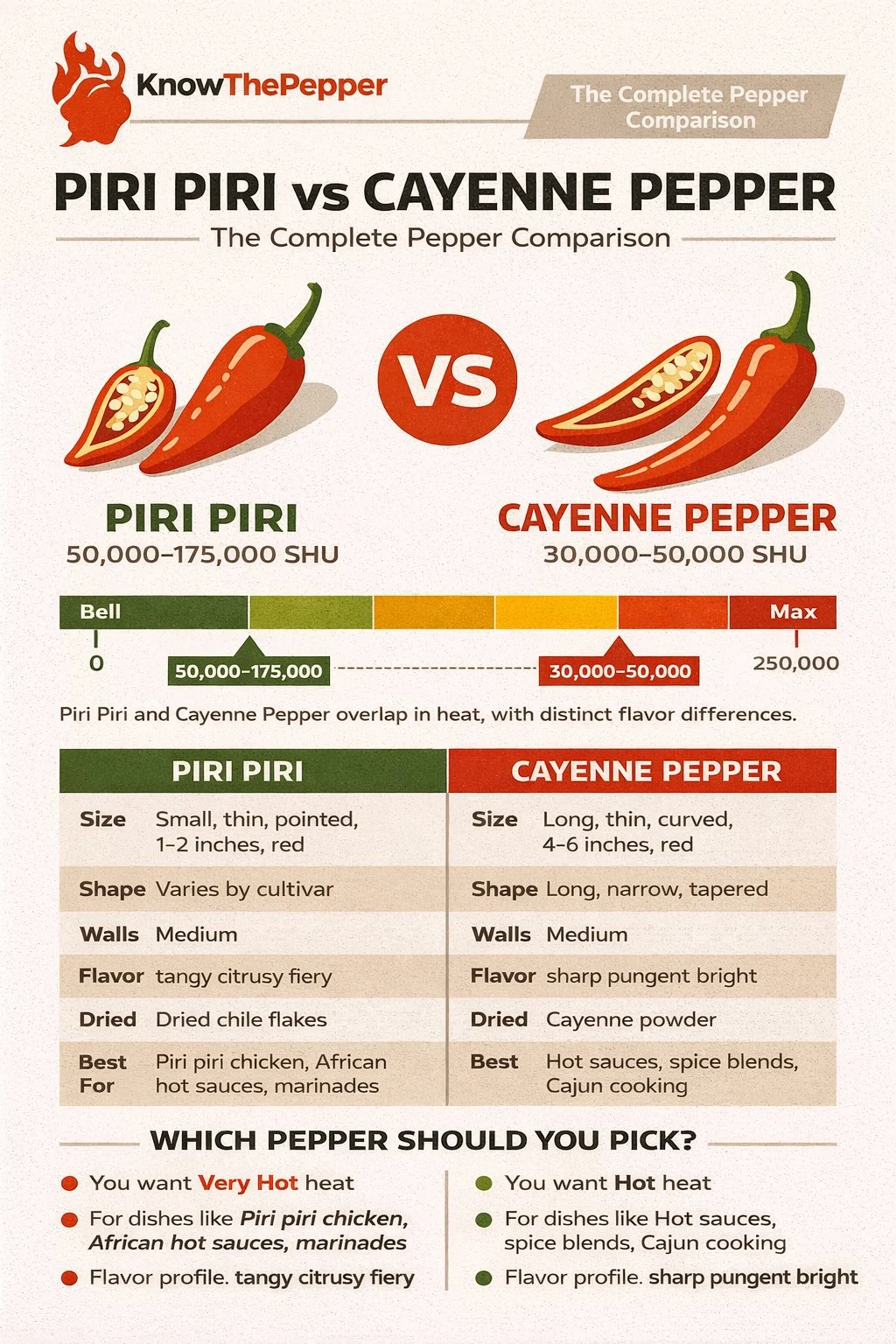
Piri piri and cayenne are both workhorses of the hot sauce world, but they sit in surprisingly different positions. Piri piri ranges from 50,000-175,000 SHU - potentially more than three times hotter than cayenne's 30,000-50,000 SHU ceiling - and brings a citrusy brightness that cayenne simply doesn't have. The choice between them shapes a dish in ways that go well beyond just dialing heat up or down.
Editorial Contributor·Updated Jun 26, 2026·
Reviewed by
Karen Liu
Quick Comparison
Piri Piri Pepper measures 50K–175K SHU while Cayenne Pepper registers 30K–50K SHU. That makes Piri Piri Pepper about 3.5x hotter by upper SHU range. Piri Piri Pepper is known for its fruity, citrusy, bright flavor (C. frutescens), while Cayenne Pepper offers neutral and peppery notes (C. annuum).
Piri Piri Pepper
50K–175K SHU
Extra-Hot · fruity, citrusy, bright
Cayenne Pepper
30K–50K SHU
Hot · neutral and peppery
Heat difference: Piri Piri Pepper is about 3.5× hotter by upper SHU range
Species:C. frutescens vs C. annuum
Best for: Piri Piri Pepper excels in hot sauces and extreme dishes, Cayenne Pepper in fresh salsas and mild recipes
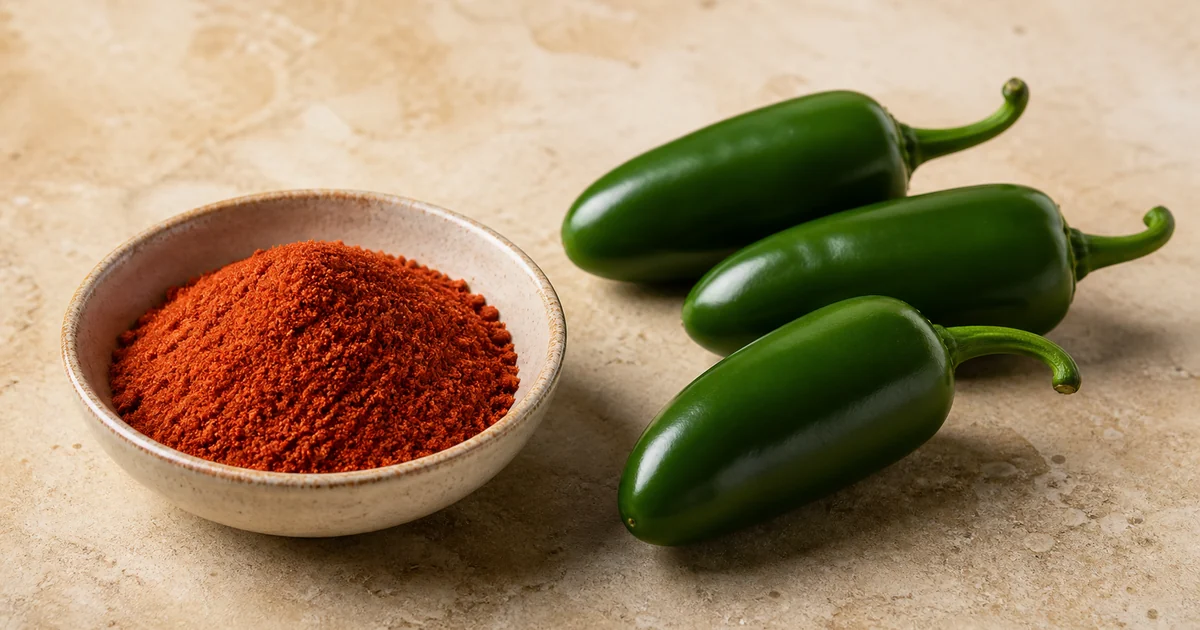
The numbers tell part of the story. Cayenne lands in a fairly consistent 30,000-50,000 SHU band, sitting comfortably in the peppers classified in the hot heat tier alongside serranos and tabasco peppers. A jalapeño averages around 5,000 SHU, which makes cayenne roughly 6-10 times hotter than a typical jalapeño.
Piri piri plays a different game entirely. Its floor of 50,000 SHU already matches cayenne's ceiling, and it can climb to 175,000 SHU - about 35 times hotter than a jalapeño at its peak. That upper range puts piri piri in striking distance of habanero territory, which surprises a lot of people who assume it's just another mid-level hot pepper.
The heat character differs too. Cayenne delivers a clean, linear burn that hits the front of the mouth and fades predictably - one reason it's been a go-to for standardized hot sauces for decades. Piri piri's burn is more complex: it builds, lingers, and has a brightness to it that feels almost acidic before the heat settles in.
Both peppers contain capsaicin and dihydrocapsaicin as their primary heat compounds - the molecular structure of capsaicin binds to TRPV1 receptors in the same way for both, but the ratio of compounds and the presence of other volatile compounds in piri piri create a noticeably different sensory experience. Cayenne is predictable. Piri piri keeps you guessing.
Piri piri, also spelled peri peri, refers to an actual pepper before it refers to any sauce or spice blend.
Cayenne Pepper
30K–50K SHU
neutralpeppery
C. annuum
Few peppers have traveled as far or worked as hard as cayenne.
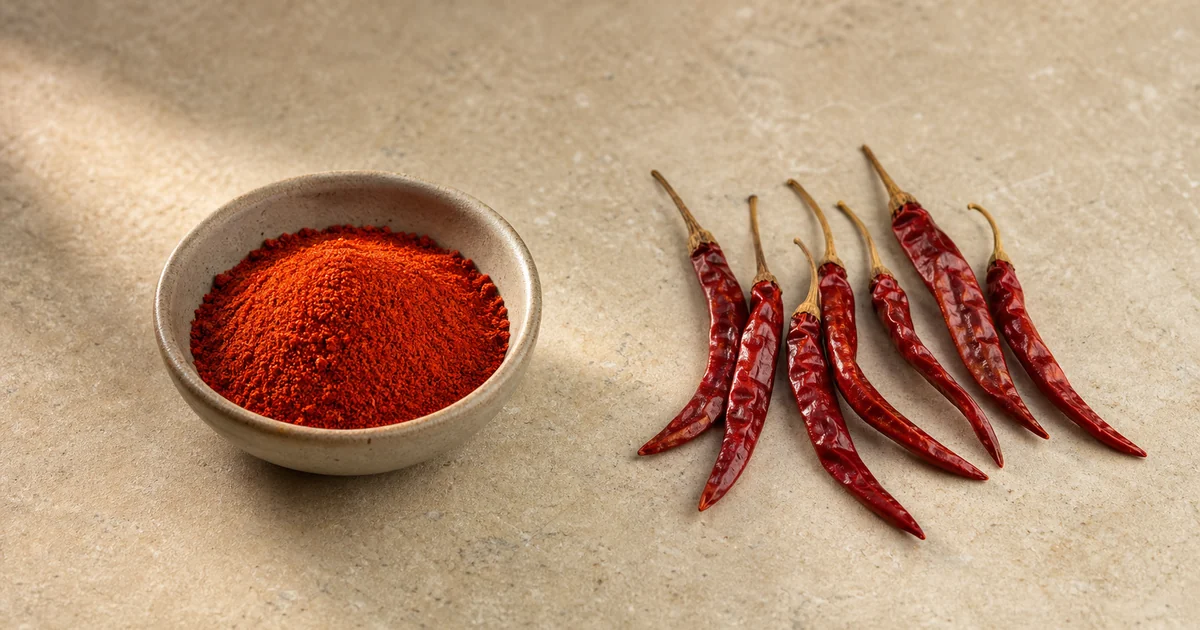
Cayenne's flavor profile is almost deliberately neutral. It contributes dry, peppery heat without much fruit, sweetness, or acidity - which is exactly why it became the default spice-cabinet pepper for so many cuisines. You're adding fire without changing the flavor direction of a dish. That restraint is genuinely useful.
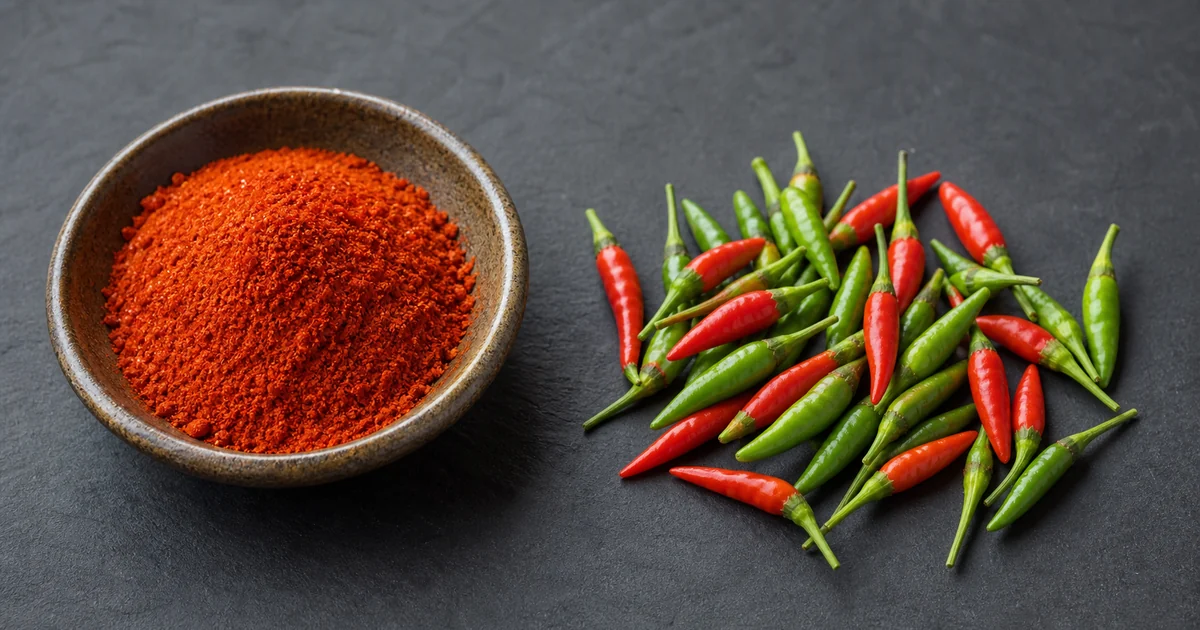
Piri piri is a different animal. Grown across Southern Africa's pepper-growing regions, it carries a fruity, citrusy brightness that punches through sauces and marinades. There's a tartness to it - almost like a squeeze of lemon got baked into the pepper itself. That flavor comes partly from the pepper's high volatile oil content and partly from the C. frutescens species characteristics that also define tabasco peppers.
Cayenne, by contrast, belongs to C. annuum - the annuum botanical species that includes bell peppers, paprika, and most garden-variety chiles. The species tends toward drier, more straightforward flavor profiles.
In practical terms: if you're making a Portuguese-style piri piri chicken, cayenne is a poor substitute because you lose that citrus-forward brightness that defines the dish. But if you're adding heat to a chili or dry rub where neutrality is an asset, cayenne earns its place. The aroma difference is also notable - dried piri piri has a sharper, fruitier smell than cayenne powder, which is earthier and more muted.
Culinary Uses for Piri Piri Pepper and Cayenne Pepper
Piri Piri Pepper
Extra-Hot
The pepper's citrusy brightness makes it genuinely flexible in ways that hotter, flatter-burning chilies aren't. Traditional piri piri sauce - the real Mozambican version, not the bottled supermarket kind - is built from the fresh or dried pods, lemon juice, garlic, and oil.
Cayenne's neutrality makes it one of the most versatile peppers in any kitchen. It disappears into spice blends, soups, and dry rubs, adding heat without announcing itself. A standard substitution ratio when you need more fire: 1 teaspoon cayenne = 1/4 teaspoon of a hotter pepper powder. It's the backbone of Creole seasoning, a key player in kimchi pastes, and the default heat source in countless hot sauces.
For a useful side-by-side on how cayenne stacks up against similar peppers in cooking applications, the serrano vs cayenne heat and flavor breakdown is worth reading - serranos share cayenne's clean heat profile but bring more vegetal character.
Piri piri thrives in wet applications - marinades, sauces, and brines where its citrusy flavor can bloom. The classic piri piri chicken marinade uses the whole pepper (or piri piri sauce) with olive oil, garlic, and lemon; the pepper's natural acidity does real work here. In dried or powdered form, piri piri adds complexity to grilled meats and seafood that cayenne powder can't replicate.
Substituting one for the other requires adjustment. Replacing piri piri with cayenne means adding a small amount of lemon zest or citric acid to approximate the brightness. Going the other direction - using piri piri where cayenne is called for - requires cutting the quantity by 30-50% given the heat gap, and accepting that the dish will taste noticeably different.
The Thai chili vs cayenne comparison is useful context here too - Thai chilis share some of piri piri's fruity intensity and show how peppers in the same heat range can behave completely differently in cooking.
Both peppers dry and powder well. Cayenne powder is widely available and consistent; piri piri powder is less common in North American markets but worth seeking out for grilling applications.
The right choice depends entirely on what you're building.
For neutral heat - spice blends, dry rubs, anything where you want fire without flavor interference - cayenne is the cleaner tool. Its consistency across batches and its wide availability make it the practical default.
For flavor-forward heat - marinades, hot sauces, grilled meats - piri piri delivers something cayenne can't. That citrusy brightness is a genuine flavor contribution, not just a heat delivery mechanism.
Heat tolerance matters too. Cayenne's 30,000-50,000 SHU is manageable for most people who cook with hot peppers regularly. Piri piri's 50,000-175,000 SHU range means you need to know your source - a mild piri piri and a hot one are essentially different peppers.
The cayenne vs jalapeño heat gap is a useful reference point for calibrating where you sit on the heat spectrum before committing to piri piri. Both peppers deserve a place in the cabinet - they just don't do the same job.
Can You Substitute One for the Other?
Hotter replacement
Replacing Cayenne Pepper with Piri Piri Pepper
Use approximately 1/4 the amount. Start with less and add gradually.
Milder replacement
Replacing Piri Piri Pepper with Cayenne Pepper
Use 4× the amount, but you still won’t reach the same heat intensity.
Growing Piri Piri Pepper vs Cayenne Pepper
Growing notes
Piri Piri Pepper
Capsicum frutescens varieties run warmer and take longer than most annuums, so starting seeds indoors 10-12 weeks before last frost isn't optional - it's necessary in most climates. Germination is slower and less predictable than with C. annuum; soil temperature of 80-85°F significantly improves germination rates.
Transplant after all frost risk has passed into full sun with well-draining soil. Piri piri plants grow compact but bushy, typically reaching 2-3 feet in height.
If your pepper leaves are turning brown mid-season, check for both nutrient deficiency and overwatering before assuming disease. C. frutescens is particularly sensitive to waterlogged roots.
Growing notes
Cayenne Pepper
Cayenne is one of the more forgiving hot peppers to grow, which explains its global reach. Start seeds indoors 8–10 weeks before last frost.
Cayenne wants 8+ hours of direct sun daily. It tolerates more heat than many peppers and continues setting fruit at temperatures that cause jalapeños to drop blossoms - a key advantage in hot summer climates.
Space plants 18–24 inches apart in well-drained soil with pH 6.0–6.
Where They Come From
Origin & background
Piri Piri Pepper
Mozambique / Southern Africa · C. frutescens
Portuguese traders didn't invent piri piri - they spread it. The pepper was already established in Mozambique and across southern African pepper traditions when Portuguese colonizers arrived in the 15th and 16th centuries.
The Portuguese brought the pepper back to the Iberian Peninsula and eventually to their other colonies, which is why piri piri shows up in Brazilian, Angolan, and Goan cooking. The famous Nando's restaurant chain, founded in South Africa in 1987, turned piri piri into a global brand name, which ironically made the original pepper harder to identify - most people now associate the name with a sauce rather than a specific C. frutescens botanical variety.
Origin & background
Cayenne Pepper
French Guiana · C. annuum
Cayenne traces back to French Guiana on South America's northeastern coast, where indigenous peoples cultivated Capsicum annuum varieties long before European contact. Portuguese and Spanish traders carried the pepper eastward in the 16th century, and it took root across Asia, Africa, and Europe with remarkable speed.
By the 18th century, cayenne had become a staple in European apothecaries, listed as 'capsicum tincture' for digestive complaints and circulation. This medicinal reputation persisted well into the 19th century - cayenne tinctures appeared in the British Pharmacopoeia until the mid-20th century.
Buying & Storage
Whether you’re shopping for Piri Piri Pepper or Cayenne Pepper, the same quality indicators apply. Fresh peppers should feel firm and heavy for their size, with taut, glossy skin and no soft or wet spots. Minor stem cracks known as “corking” are perfectly normal and often indicate a mature, flavorful pod.
Selection
What to look for
Firm pods with taut skin and consistent color
Should feel heavy relative to size
Minor stem cracks (“corking”) are normal
Avoid anything soft, shriveled, or with dark wet spots
Storage
How to store them
Fresh: Paper bag, crisper drawer, 1 to 2 weeks
Frozen: Wash, dry, freeze on sheet pan, 6+ months
Dried: Airtight and away from light, up to 1 year
Mistakes to avoid
Common misses
Piri Piri Pepper
Skipping gloves. Capsaicin absorbs through skin.
Using too much. Start with a quarter pod.
Drinking water for the burn. Use dairy instead.
Common misses
Cayenne Pepper
Blaming the seeds. Membranes hold most capsaicin.
Adding heat too early. Capsaicin breaks down with cooking.
Not tasting individual pods. Heat varies 30%+.
Final call
Piri Piri Pepper vs Cayenne Pepper
Piri Piri Pepper and Cayenne Pepper
occupy very different positions on the heat spectrum. Piri Piri Pepper delivers about 3.5× more upper-range heat with its distinctive fruity, citrusy, bright character.
Cayenne Pepper, with its neutral and peppery profile, excels in everyday cooking.
Heat gap about 3.5× by upper rangePiri Piri Pepper fruity, citrusy, brightCayenne Pepper neutral and peppery
Choose Piri Piri Pepper when the recipe needs serious habanero-tier heat and a flavor profile built around fruity, citrusy, bright. It is the better fit for fruit hot sauces, Caribbean or Yucatan-style marinades, and tiny amounts in cooked dishes.
Choose Cayenne Pepper when the dish needs extra-hot heat and a flavor profile built around neutral and peppery. It is the better fit for small-dose hot sauce, stir-fries, dipping sauces, and recipes where fast heat is the point.
The practical decision is not just heat. Wall thickness, dried versus fresh form, sweetness, smoke, and regional use all change the result. If a recipe names one pepper because of a regional sauce, pickle, paste, or stuffing method, use that pepper first and treat the other as an adjustment, not an equal swap.
Piri Piri Pepper is listed at 50,000-175,000 SHU. Cayenne Pepper is listed at 30,000-50,000 SHU. At midpoint, Piri Piri Pepper runs about 2.8x hotter than Cayenne Pepper. That is only a planning number, but it keeps substitutions from drifting wildly.
For substitution, start by matching the role before matching the number. If the pepper is mainly there for color or body, use volume as the guide. If it is there for heat, start with half the hotter pepper and taste before adding more. If it is a dried chile comparison, match by seeded weight after stems are removed, not by pod count.
Flavor is the second correction. Add a little vinegar or lime when the replacement tastes flat, a pinch of sugar when the replacement tastes bitter, and a small amount of smoked paprika only when the original pepper had smoke. Do not add smoke to a bright fresh-pepper dish unless the recipe already points that way.
Which is hotter, Piri Piri Pepper or Cayenne Pepper"
50,000-175,000 SHU for Piri Piri Pepper; 30,000-50,000 SHU for Cayenne Pepper. At midpoint, Piri Piri Pepper runs about 2.8x hotter than Cayenne Pepper. That is only a planning number, but it keeps substitutions from drifting wildly.
Can I substitute Piri Piri Pepper for Cayenne Pepper"
Yes, in recipes where the pepper is one part of a larger sauce, stew, salsa, or filling. Use a smaller amount if Piri Piri Pepper is hotter in your batch, and increase only after tasting.
Can I substitute Cayenne Pepper for Piri Piri Pepper"
Yes, but the flavor may shift. Cayenne Pepper brings neutral and peppery, while Piri Piri Pepper brings fruity, citrusy, bright. That difference matters most in simple recipes with few ingredients.
Which one is better for beginners"
The better beginner choice is the pepper with lower heat and easier availability. If both are mild, choose the one that matches the recipe form: fresh for raw crunch, dried for sauces and rubs, thick-walled for stuffing, and thin-walled for quick blending.
Route Specific Decision
Piri piri is the better choice when the dish needs small-chile heat tied to lemon, garlic, oil, vinegar, grilled chicken, seafood, or Portuguese and southern African hot sauce. Cayenne is the better choice when the recipe needs general dried red heat in powder, flakes, or a vinegar sauce. Piri piri feels more condiment-specific; cayenne feels more pantry-general.
Best Method Match
Use piri piri in marinades where citrus, garlic, and oil carry the chile into grilled food. Use cayenne in dry rubs, beans, soups, hot sauce bases, and any recipe that asks for measured powder. Both can be hot, but cayenne powder is easier to dose and piri piri brings more sauce identity.
Swap Checkpoint
If replacing piri piri sauce with cayenne, rebuild the missing sauce base with lemon, vinegar, garlic, oil, and salt. If replacing cayenne powder with piri piri sauce, reduce other liquid and acid. Start with 1/8 teaspoon cayenne powder per small piri piri chile when heat is the only target.
Final Choice
Final Choice: pick piri piri for citrus-garlic hot sauce, grilled chicken, seafood, and condiment heat. Pick cayenne for dry spice blends, measured powder heat, and general-purpose red chile bite.
Fact-Checked & Expert Reviewed
Editorial Standards: Head-to-head comparisons include blind tasting when applicable. Heat levels cross-referenced with multiple sources. All substitution ratios tested side-by-side.
Review Process:
Written by
Marco Castillo
(Founder & Lead Reviewer)
, reviewed by
Karen Liu
(Lead Fact-Checker & Science Editor)
. Last updated June 26, 2026.
Piri Piri Pepper vs Cayenne Pepper FAQ
At its lower end, piri piri starts at 50,000 SHU, which already matches cayenne's maximum of 50,000 SHU - so yes, piri piri is never milder than cayenne and can be up to three times hotter at its peak of 175,000 SHU. The actual heat of any given piri piri pepper depends heavily on growing conditions, ripeness, and the specific cultivar.
You can, but the dish will taste different - cayenne lacks the citrusy, fruity brightness that defines piri piri's flavor. To compensate, add a small amount of lemon zest or a few drops of citrus juice alongside the cayenne, and reduce the quantity by about 30% since you're working with a milder pepper.
The two peppers belong to different species - piri piri is C. frutescens while cayenne is C. annuum - and their volatile compound profiles differ significantly. Piri piri contains higher concentrations of fruity esters and citrus-adjacent compounds that give it a brightness cayenne's drier, more neutral profile simply doesn't have.
The pepper is native to sub-Saharan Africa, particularly Mozambique, where Portuguese traders encountered it in the 15th and 16th centuries and incorporated it into what became Portuguese cuisine. The name comes from the Swahili word for pepper, and the pepper remains central to the food cultures of Angola, Mozambique, and South Africa.
They are closely related - both are C. frutescens peppers with similar heat ranges and fruity profiles - and the terms are often used interchangeably in African and Portuguese cooking. Some sources treat them as the same pepper, while others distinguish piri piri as a specific cultivar grown in Southern Africa versus the broader bird's eye category found across Africa and Asia.