
Serrano vs Cayenne: Cayenne Runs Hotter, but Serrano Brings Fresh Bite
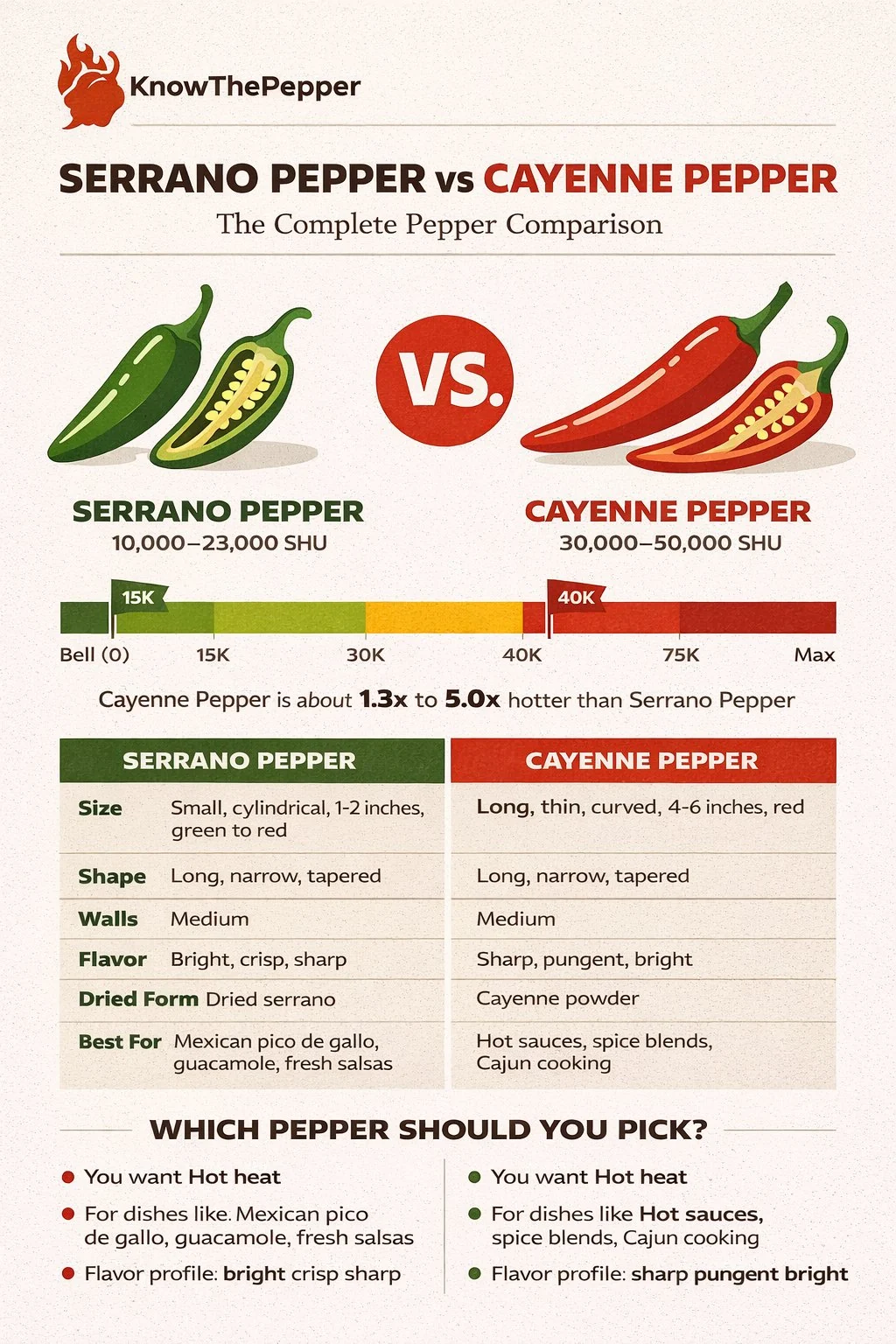
Serrano and cayenne are both C. annuum peppers, but they sit in noticeably different places on the heat scale and serve very different purposes in the kitchen. Serrano brings a bright, grassy bite that peaks around 23,000 SHU, while cayenne runs hotter and drier, topping out near 50,000 SHU. Knowing which one to reach for depends entirely on whether you want fresh crunch or dry fire.

Serrano Pepper
HotCayenne Pepper
HotQuick Comparison
| Attribute | Serrano Pepper | Cayenne Pepper |
|---|---|---|
| Scoville evidence | 10K-23K SHU | 30K-50K SHU |
| Heat Tier | Hot | Hot |
| vs Jalapeño | 3x hotter | 6x hotter |
| Flavor | bright and crisp | direct pepper heat with a mild earthy note; the dried powder is less aromatic than a fresh pod |
| Species | C. annuum | C. annuum |
| Origin | Mexico | Cayenne, French Guiana (namesake) |
Which Is Hotter, Serrano or Cayenne?
The first thing you notice biting into a raw serrano is that sharp, almost electric sting, clean and immediate, fading quickly. Cayenne's heat is different in character: drier, more persistent, and it lingers in the back of the throat longer than serranos typically do.
On the Scoville scale testing methodology, serrano peppers measure 10,000-23,000 SHU, placing them firmly in the hot heat range. Cayenne clocks in at 30,000-50,000 SHU - roughly two to three times hotter depending on where each pepper falls in its range.
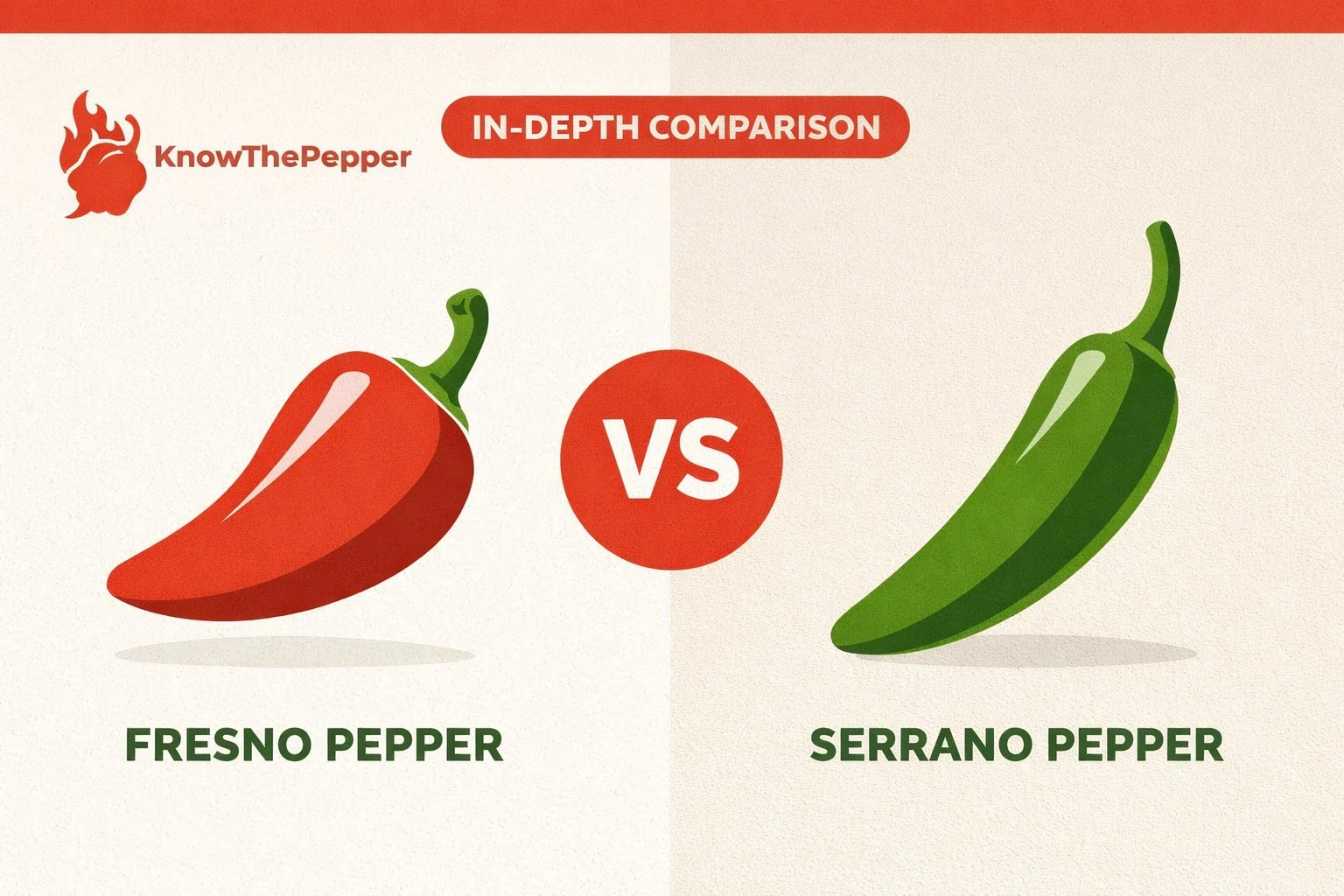
For a useful comparison point: a Fresno pepper's moderate peppery punch sits around 2,500-10,000 SHU. That means serrano runs up to about 3x hotter than a Fresno, while cayenne can hit 5x or more.
The gap between serrano and cayenne is real and meaningful, not just a number on paper.
Both peppers get their heat from capsaicin, but the receptor science and capsaicin chemistry explain why cayenne's burn feels more systemic. Higher capsaicin concentration means longer receptor activation, which is why cayenne powder can feel like it radiates outward while serrano heat tends to stay localized.
Neither pepper approaches super-hot territory, but cayenne demands more respect when you're adding it to a dish without tasting as you go.
How Do Serrano and Cayenne Taste Different?
Flavor is where these two peppers really lookrge. Serrano has a distinct brightness, grassy, slightly vegetal, with a crisp snap when fresh.
There's an almost citrus-adjacent quality to raw serrano that makes it genuinely enjoyable to eat, not just tolerate.
It belongs to the same traditional Mexican pepper culture that gave us fresh salsas built on clean, forward flavors.
Cayenne is a different story. Its flavor profile is described as neutral and peppery, which sounds like a limitation but is actually its greatest cooking strength.
Originating from South American pepper-growing regions, cayenne was historically dried and ground, and that process strips away any grassy freshness in favor of a straightforward heat delivery vehicle.
When fresh, cayenne has a thin flesh and mild fruity undertone, but it's not particularly exciting to eat raw. Dried cayenne powder is where it performs, adding heat without competing with other flavors in a spice blend or sauce.
Serrano holds up better as a standalone flavor ingredient. You'd use it in a pico de gallo where the pepper's taste matters as much as its heat.
Cayenne is more of a background player, a dial you turn up or down.
Both share C. annuum botanical lineage, but their flavor development went in opposite directions, one toward fresh vibrancy, one toward neutral punch.
Where Does Each Pepper Work Best?
Serrano excels in applications where the pepper is eaten fresh or lightly cooked. Classic Mexican salsas, guacamole, and ceviche all benefit from serrano's crisp texture and bright flavor.
Roasting serranos mellows the heat slightly and adds smokiness, making them useful in cooked sauces too.
They're also excellent pickled, the acidity amplifies that grassy sharpness rather than suppressing it.
For heat calibration, serranos are forgiving. One medium serrano in a batch of salsa serving four people delivers noticeable but approachable heat.
Two serranos push it to bold.
That predictability makes them easy to work with.
Cayenne is the workhorse of the spice cabinet. Fresh cayenne peppers can be used in hot sauces and stir-fries, but the dried and ground form is where most cooks encounter it.
A pinch of cayenne in a dry rub, a dash in a cream sauce, a quarter teaspoon in a pot of chili, it adds heat without altering the dish's fundamental flavor direction.
For substitution: if a recipe calls for serrano and you only have cayenne powder, use 1/4 teaspoon of cayenne per fresh serrano as a starting point, then adjust. The flavor won't replicate the fresh grassy note, but the heat will be in the right zone.
Going the other direction, swapping fresh serrano for cayenne in a dry application, doesn't really work.
Use crushed red pepper flakes instead.
The side-by-side heat difference between Thai chili and cayenne is worth understanding if you cook a lot of Asian-inspired dishes, since cayenne is often used as a substitute there. Similarly, the key differences between Thai chili and serrano matter for anyone navigating fresh pepper substitutions across cuisines.
Both serrano and cayenne can be grown at home, a seed-starting and growing covers the timing differences between the two varieties.
Verdict
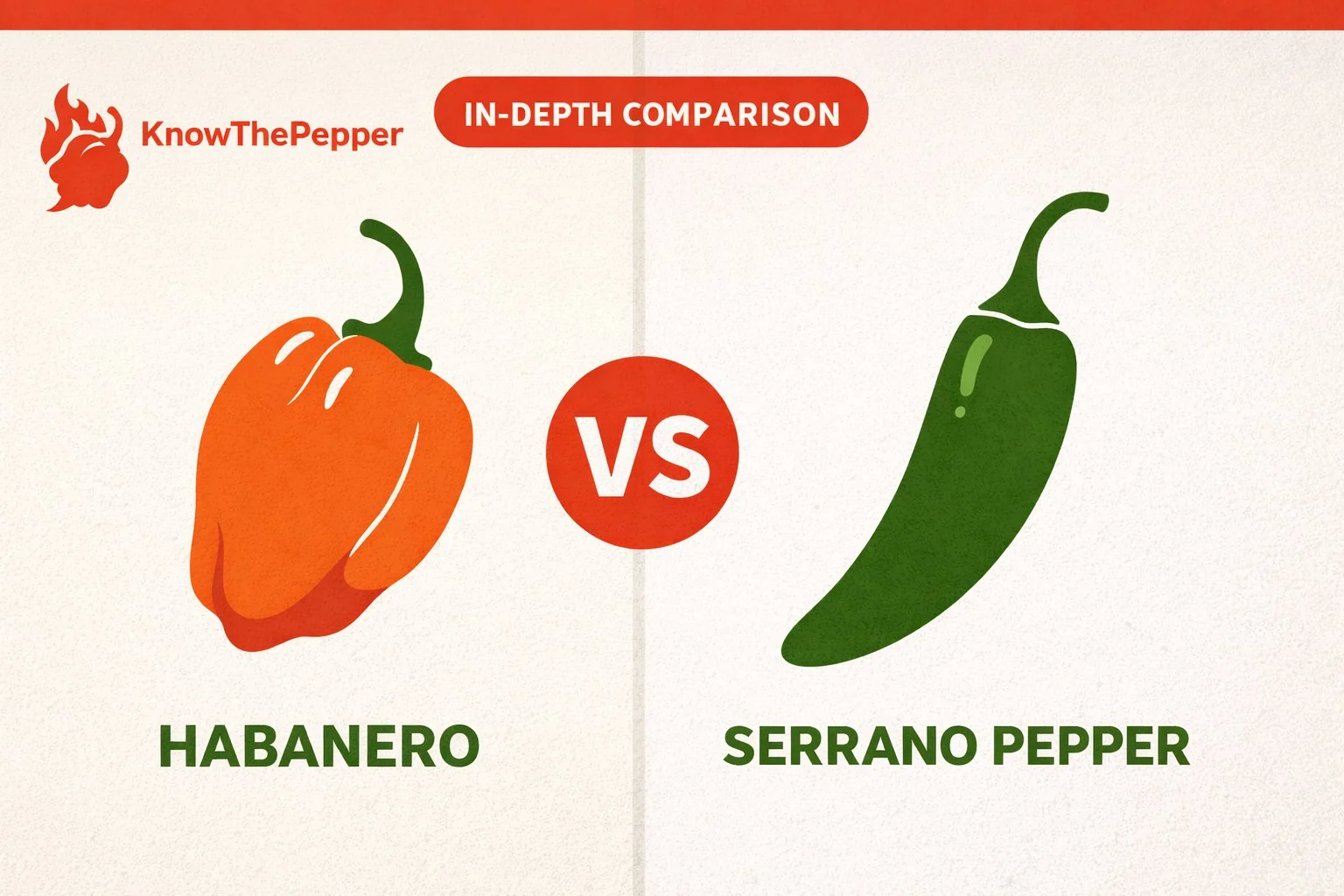
Choose serrano when fresh pepper flavor matters, salsas, ceviches, fresh sauces, anything where texture and brightness contribute to the dish. It's more flavorful than a jalapeño and more manageable than a habanero, landing in a sweet spot for everyday fresh cooking.
Choose cayenne when you need heat without flavor interference. Dry rubs, spice blends, hot sauces built on a neutral base, or any recipe where you're dialing in BTUs rather than taste, cayenne is the right tool.
Its dried form also has a much longer shelf life than any fresh pepper.
If you're stocking a kitchen from scratch and can only pick one: cayenne powder covers more ground because of its versatility across cuisines and cooking methods. But if you cook a lot of Mexican food or prefer fresh ingredients, a bag of serranos from the market will serve you better week to week.
The heat distinction between cayenne and jalapeño is also worth knowing, since jalapeño is often the baseline reference point most cooks start from.
Heat And Substitution Notes
Serrano Pepper is listed at 10,000-23,000 SHU. Cayenne Pepper is listed at 30,000-50,000 SHU.
At midpoint, Cayenne Pepper runs about 2.4x hotter than Serrano Pepper.
That is only a planning number, but it keeps substitutions from drifting wildly.
For substitution, start by matching the role before matching the number. If the pepper is mainly there for color or body, use volume as the guide.
If it is there for heat, start with half the hotter pepper and taste before adding more.
If it is a dried chile comparison, match by seeded weight after stems are removed, not by pod count.
Flavor is the second correction. Add a little vinegar or lime when the replacement tastes flat, a pinch of sugar when the replacement tastes bitter, and a small amount of smoked paprika only when the original pepper had smoke.
Do not add smoke to a bright fresh-pepper dish unless the recipe already points that way.
When Should You Choose Serrano or Cayenne?
Choose serrano when the recipe needs fresh green chile flavor with crunch, moisture, and grassy bite. It fits salsa verde, pico de gallo, guacamole, raw table salsa, quick pickles, and blended green sauces.
Choose cayenne when the dish needs sharp dried red heat that disperses through powders, sauces, rubs, beans, soups, and chili.
It fits dry rubs, vinegar hot sauce, chili, beans, soups, and spice blends. The decision is not just heat.
It is fresh visible pepper versus dried invisible heat.
If a recipe names one pepper because of form, region, or serving style, treat the other as an adjustment rather than an equal swap.
How Should You Prepare Each Pepper?
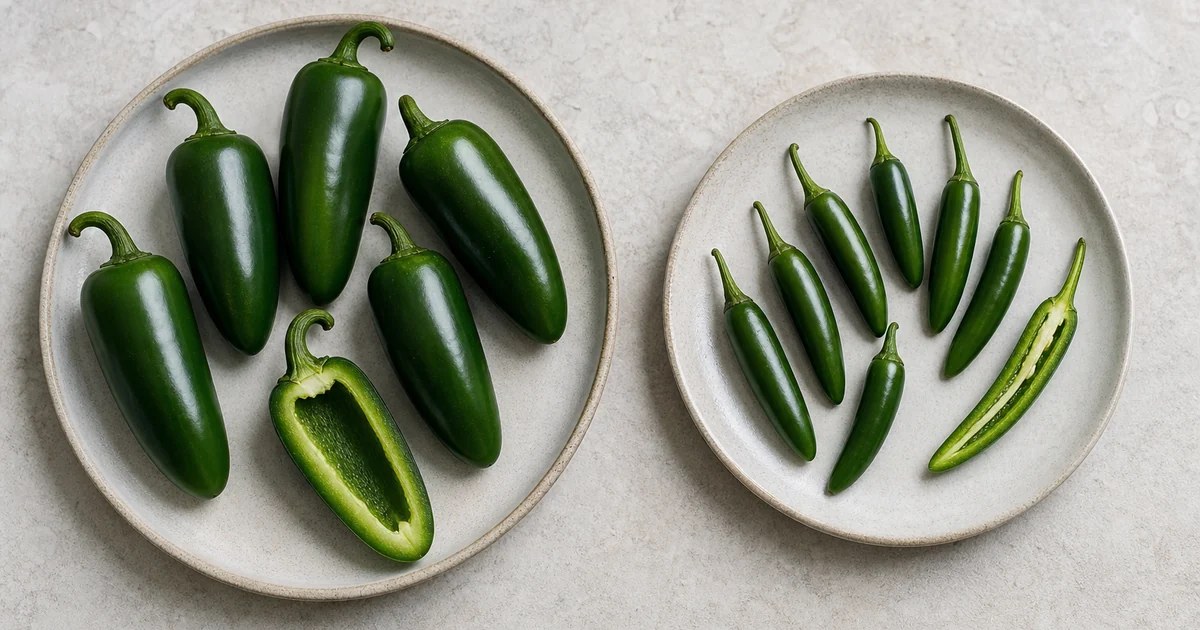
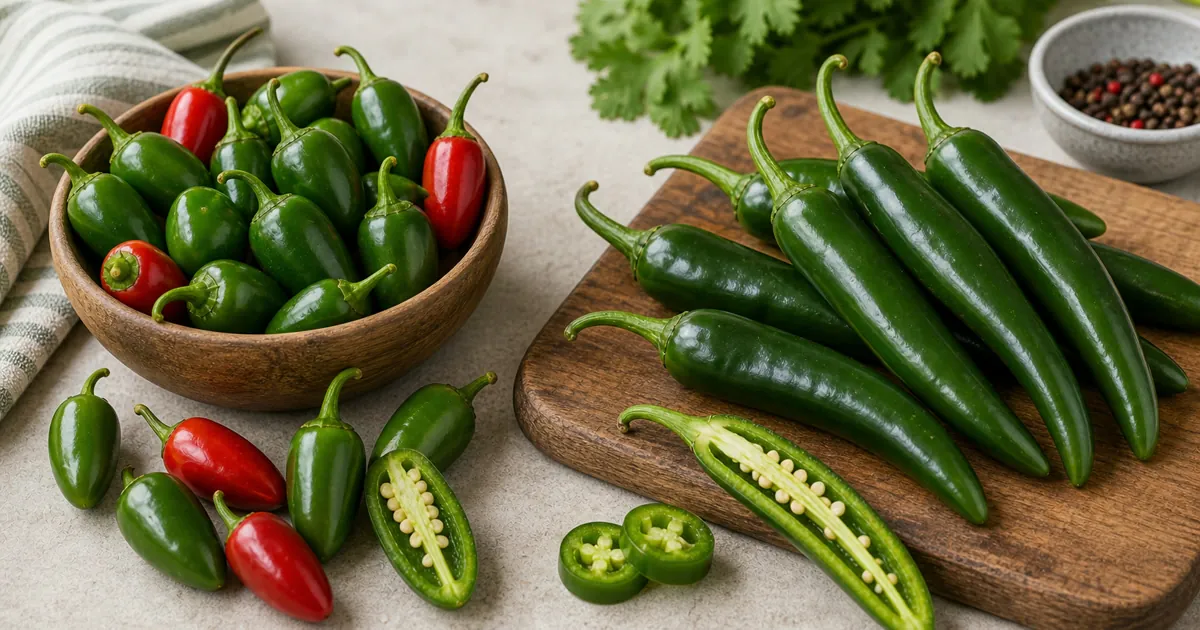
Serrano works best as sliced, minced, roasted, or blended fresh. It stays visible and keeps a green aroma.
Cayenne works best as usually dried, powdered, flaked, or cooked into vinegar sauce.
It disappears into the dish and heats it evenly. This method difference changes timing.
Add the pepper early when it needs to bloom into sauce or fat.
Add it late when fresh aroma, texture, or table service matters. A pepper that is perfect for a skillet can fail in a stuffing recipe, and a dried powder can fail when the recipe needs visible fresh pieces.
Can You Substitute Cayenne for Serrano?
For substitution, match the role before matching the SHU number.
The safest starting point is about 1/8 teaspoon cayenne powder for 1 fresh serrano, then taste after the powder hydrates. After that, correct the dish around the missing trait: add acid when the swap tastes flat, add mild pepper body when the swap is too thin, and add heat separately only after the sauce or salsa rests for a few minutes.
Do not add smoke unless the original pepper had smoke.
Shopping And Prep
Buy serranos firm, glossy, and green for fresh bite. Buy cayenne powder that smells sharp, not dusty, and replace old jars before serious sauce work.
Prep should follow the form: roast fresh thick-walled peppers when skin matters, mince fresh thin peppers for raw bite, toast dried pods before soaking, and bloom powders in fat or liquid so they do not taste dusty.
Which Works Better in Salsa, Chili, or Soup?
If the dish is salsa, guacamole, or anything served raw, serrano keeps the pepper identity clear. If the dish is a pot of chili, a dry spice mix, or a vinegar hot sauce, cayenne gives cleaner dosing.
In a finished soup, cayenne can correct heat without adding vegetable pieces.
In a taco salsa, serrano gives heat plus the green chile aroma people expect. We treat this as the practical checkpoint because it survives the swap test: changing the pepper names would break the cooking advice, not merely change the label.
Common Mistake
The common mistake is using cayenne powder as if it were chopped fresh chile.
Cayenne will not add serrano crunch or green aroma, and serrano will not behave like a dry rub ingredient. A second mistake is swapping by pod count when the peppers differ in wall thickness, drying level, or sauce form.
Weight, texture, and cooking method are better guides than count.
Final Choice
Final Choice: pick serrano for fresh green chile flavor with crunch, moisture, and grassy bite. Pick cayenne for sharp dried red heat that disperses through powders, sauces, rubs, beans, soups, and chili.
If the recipe gives a method clue, follow that clue first and adjust heat second.
Serrano Pepper vs Cayenne Pepper FAQ
- Heat - Chile Pepper Institute, NMSU
- Capsicum annuum L. - USDA GRIN Taxonomy
- Peppers - UC Small and Organic Farm Advisor, UC ANR