Fresno vs Serrano: Red Sauce or Raw Salsa?

Fresno pepper is the better choice when you want ripe red color, quick pickles, or blended sauce fruit. Serrano pepper is the better choice when raw salsa needs clean green crunch and a hotter bite.

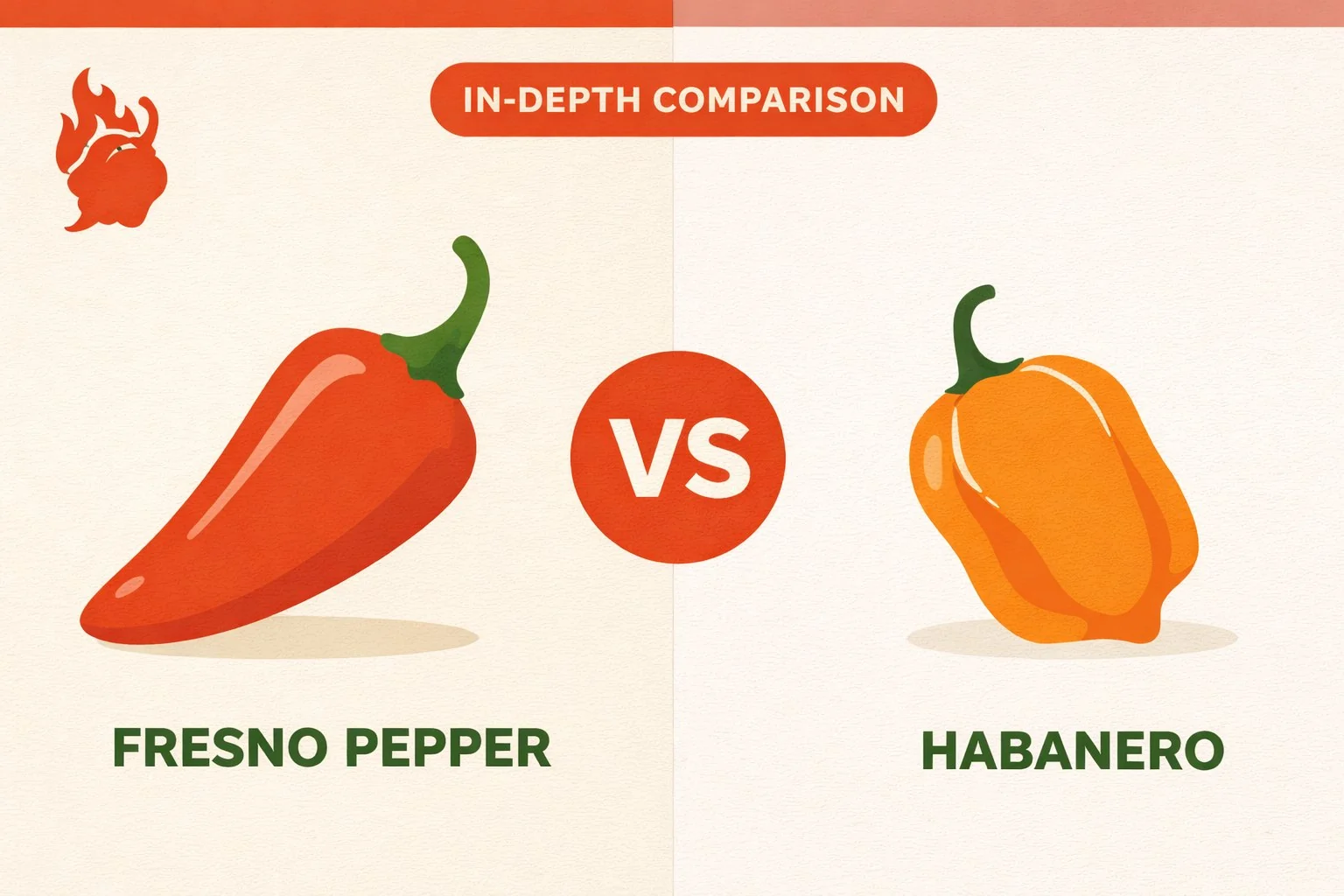
Fresno Pepper vs Serrano Pepper comparison
Quick Comparison

Fresno Pepper measures 3K–10K SHU while Serrano Pepper registers 10K–23K SHU. That makes Serrano Pepper about 2.3x hotter by upper SHU range. Fresno Pepper is known for its fruity and smoky flavor (C. annuum), while Serrano Pepper offers bright and crisp notes (C. annuum).

Fresno Pepper
3K–10K SHU
Hot · fruity and smoky
Serrano Pepper
10K–23K SHU
Hot · bright and crisp
  • Heat difference: Serrano Pepper is about 2.3× hotter by upper SHU range
  • Species: Both are C. annuum
  • Best for: Fresno Pepper excels in everyday cooking and salsas, Serrano Pepper in fresh salsas and mild recipes

Fresno Pepper vs Serrano Pepper Comparison

Attribute Fresno Pepper Serrano Pepper
Scoville (SHU) 3K–10K 10K–23K
Heat Tier Hot Hot
vs Jalapeño 1x hotter 3x hotter
Flavor fruity and smoky bright and crisp
Species C. annuum C. annuum
Origin USA Mexico

Fresno Pepper vs Serrano Pepper Heat Levels

Position on the Scoville Scale
Fresno
Serrano
0 SHU3.2M SHU

Serrano Pepper is about 2.3× hotter than Fresno Pepper.

Fresno Pepper spans 3K–10K SHU, roughly 1× a jalapeño at the upper end. Serrano Pepper spans 10K–23K SHU, about 3× a jalapeño at the upper end. Use the ranges to decide whether the recipe needs a measured dose, a mild overlap, or a hard substitution limit. Tools: Scoville chart and SHU calculator.

Flavor Profile Comparison

Fresno Pepper
fruity smoky C. annuum

The Fresno pepper gets mistaken for a red jalape?o constantly - same conical shape, similar color, sold side by side at the grocery store.

At 2,500?10,000 SHU, a Fresno can range from a mild tingle to a legitimate burn depending on growing conditions.

Serrano Pepper
bright crisp C. annuum

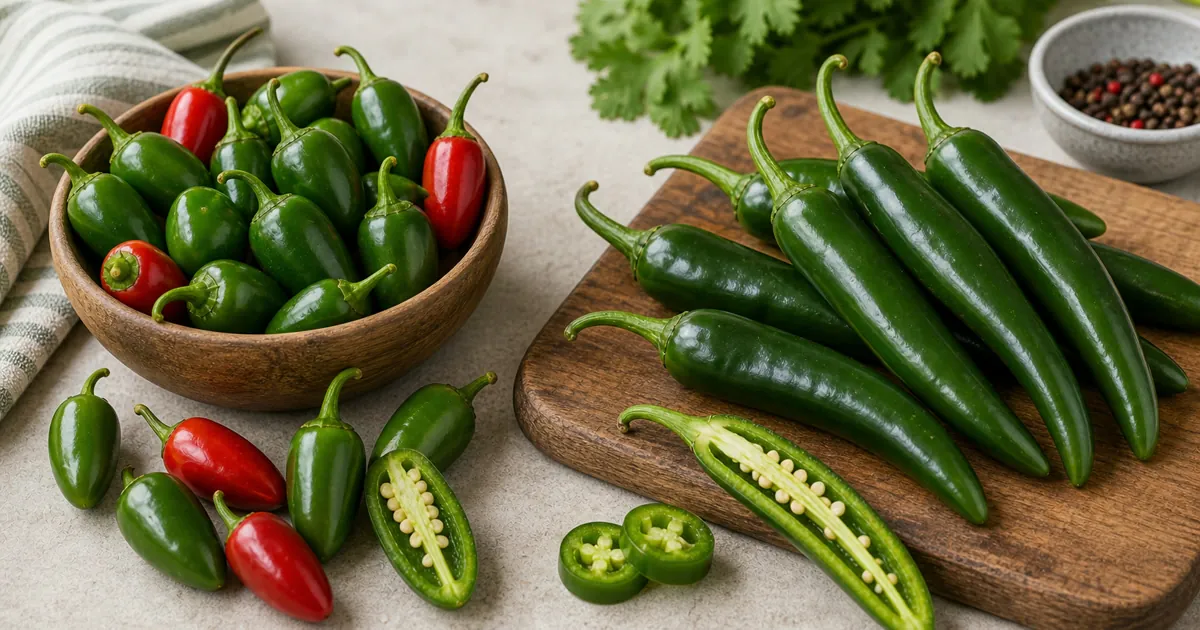
Bite into a raw serrano and the first thing you notice is the aroma - green, grassy, almost herbal, like a jalapeño that decided to be serious. The flavor follows quickly: bright, crisp, slightly vegetal, with a clean heat that builds fast and lingers without the slow creep you get from dried chiles.

At 10,000-23,000 SHU, serranos sit firmly in the hot heat range - hot enough that most people use half a pepper where they'd use a whole jalapeño, but approachable enough for everyday cooking once you calibrate. At peak comparison: a 23,000 SHU serrano is roughly 2.

Both peppers belong to C. annuum, so they share some underlying flavor chemistry. However, Fresno Pepper’s fruity and smoky notes contrast with Serrano Pepper’s bright and crisp character.

Fresno Pepper brings fruity and smoky notes, so it fits recipes where that flavor should remain visible. Serrano Pepper leans bright and crisp, which can change the sauce, filling, marinade, or garnish even when the heat range looks close.

Fresno Pepper and Serrano Pepper comparison

Culinary Uses for Fresno Pepper and Serrano Pepper

Fresno Pepper

Thin walls are the defining culinary fact about Fresnos. Where a jalapeño holds up to stuffing and slow roasting, the Fresno chars quickly and collapses into sauces beautifully.

The fruity, smoky flavor profile pairs naturally with citrus-forward dishes - ceviche, fish tacos, and bright vinaigrettes. Slice them thin for fresh applications or roast whole over an open flame for 3–4 minutes until blistered.

For the birria recipe, Fresnos add fruity heat without overwhelming the complex dried-chile base. They work well blended into the consommé or served fresh alongside.

Serrano Pepper

Start with aroma when cooking serranos raw: that grassy, sharp scent tells you the heat is intact and the pepper hasn't oxidized. It's your cue that you're working with something alive.

Serranos are the default pepper in pico de gallo across most of Mexico, preferred over jalapeños precisely because the heat is sharper and the flavor cleaner. Dice them fine and the heat distributes evenly.

The capsaicin in serranos follows the same rule as all peppers: it concentrates in the placenta (the white inner membrane), not the seeds. In a serrano, that membrane runs the full length of the thin pod, meaning there's proportionally more heat-concentration surface than in a thicker jalapeño.

Which Should You Choose?

Best fit

Choose Fresno Pepper if…

You want milder heat
You prefer fruity and smoky flavors
You need a C. annuum variety

Best fit

Choose Serrano Pepper if…

You want maximum heat
You prefer bright and crisp flavors
You need a C. annuum variety

Can You Substitute One for the Other?

Start near 1:1 by amount. The heat ranges are close enough that flavor, form, and recipe role matter more than a strict Scoville conversion.

Growing Fresno Pepper vs Serrano Pepper

Growing notes

Fresno Pepper

Fresnos are straightforward to grow but reward growers who manage water stress deliberately. Start seeds indoors 8–10 weeks before last frost - they germinate well at 80–85°F soil temperature and typically sprout within 10–14 days.

Transplant after all frost risk has passed, spacing plants 18 inches apart in full sun. They need at least 6–8 hours of direct light daily.

For more heat in your harvest, reduce watering by about 30% during the final 2–3 weeks of ripening. This mild drought stress increases capsaicin concentration noticeably - the same technique used commercially to push Fresnos toward the upper end of their 10,000 SHU ceiling.

Growing notes

Serrano Pepper

Serranos are reliable, high-yield producers that reward patient gardeners. Start seeds indoors 8-10 weeks before last frost - germination takes 10-21 days at soil temperatures around 80-85°F.

Transplant outdoors once nighttime temps stay above 55°F. Space plants 18-24 inches apart for good airflow.

Serranos are notably productive - a healthy plant produces 50-70 pods per season, significantly more than most jalapeño varieties (25-35 per plant). That yield advantage makes them one of the better-value hot peppers for gardeners who want volume.

Where They Come From

Origin & background

Fresno Pepper

USA · C. annuum

Clarence Brown Hamlin introduced the Fresno pepper in 1952, breeding it specifically for commercial cultivation in California's Central Valley. Fresno County's hot summers and fertile soils made it ideal for pepper farming, and the variety spread quickly through California markets before reaching national distribution.

Unlike many peppers with centuries of Indigenous cultivation behind them, the Fresno is a mid-20th century American creation - deliberately bred, not discovered. That origin story sets it apart from older C. annuum varieties with deep Mesoamerican roots.

Origin & background

Serrano Pepper

Mexico · C. annuum

Serranos originate from the mountainous regions of Puebla and Hidalgo, Mexico - 'serrano' literally means 'from the mountains' in Spanish. They've been cultivated in these highlands for centuries, long before Spanish contact, as part of the complex chile culture that shaped Mexican cuisine.

Unlike many Mexican chiles that found global fame through export, serranos remained largely regional until US immigration patterns in the 20th century brought Mexican culinary traditions northward. The pepper traveled with its cooks rather than through commercial channels.

Buying & Storage

Whether you’re shopping for Fresno Pepper or Serrano Pepper, the same quality indicators apply. Fresh peppers should feel firm and heavy for their size, with taut, glossy skin and no soft or wet spots. Minor stem cracks known as “corking” are perfectly normal and often indicate a mature, flavorful pod.

Selection

What to look for

  • Firm pods with taut skin and consistent color
  • Should feel heavy relative to size
  • Minor stem cracks (“corking”) are normal
  • Avoid anything soft, shriveled, or with dark wet spots

Storage

How to store them

  • Fresh: Paper bag, crisper drawer, 1 to 2 weeks
  • Frozen: Wash, dry, freeze on sheet pan, 6+ months
  • Dried: Airtight and away from light, up to 1 year

Mistakes to avoid

Common misses

Fresno Pepper

  • Blaming the seeds. Membranes hold most capsaicin.
  • Adding heat too early. Capsaicin breaks down with cooking.
  • Not tasting individual pods. Heat varies 30%+.

Common misses

Serrano Pepper

  • Blaming the seeds. Membranes hold most capsaicin.
  • Adding heat too early. Capsaicin breaks down with cooking.
  • Not tasting individual pods. Heat varies 30%+.
Final call

Fresno Pepper vs Serrano Pepper

Fresno Pepper and Serrano Pepper sit in the same heat tier but serve different roles. Serrano Pepper delivers about 2.3× more upper-range heat with its distinctive bright and crisp character. Fresno Pepper, with its fruity and smoky profile, excels in everyday cooking.

Heat gap about 2.3× by upper range Fresno Pepper fruity and smoky Serrano Pepper bright and crisp

Raw Salsa Or Red Sauce

Choose serrano when the pepper stays raw. Its thin bullet shape, firm green flesh, and 10,000 to 23,000 SHU range make it a cleaner fit for pico de gallo, guacamole, ceviche, and chopped salsa.

Choose Fresno when color and ripe fruit matter. Red Fresnos soften fast, blend smoothly, and bring a sweeter red-pepper note that works better in roasted salsa, hot sauce, and quick vinegar pickles.

The question is not only heat. Serrano acts like a sharp fresh seasoning. Fresno acts like a ripe red sauce pepper with enough heat to stay noticeable.

Heat Floor Changes Portions

The heat ranges overlap, but the floor is different. Fresno starts around 2,500 SHU and can climb near 10,000 SHU; serrano usually starts where Fresno tops out and can reach 23,000 SHU.

That means a mild Fresno can taste jalapeno-adjacent, especially when roasted or pickled. A mild serrano still reads hotter in a raw spoonful.

For a batch of pico, one serrano can carry the heat for a bowl. Fresno often needs more pieces to reach the same burn, which also adds more red fruit and moisture.

Use cayenne vs serrano when the question is fresh pod versus dry heat. This page is about two fresh-market peppers with different raw and ripe jobs.

Ripeness Is The Flavor Switch

Ripeness is the flavor switch. Green serrano keeps the grassy snap; red Fresno leans sweeter and softer.

Texture Decides The Dish

Serrano wins in small dice because the walls stay crisp and the heat spreads evenly. That is why it fits raw salsas and table condiments.

Fresno wins in a blender or hot pan. Thin walls collapse quickly, so a sauce gains color and body without long cooking.

Pickles split the difference. Fresno rings take brine quickly and stay bright red; serrano slices make a hotter jar with less sweetness.

Substitution Rule

Replacing serrano with Fresno lowers heat and adds fruit. Use more Fresno only if the dish can handle extra moisture and red color.

Replacing Fresno with serrano raises heat and removes ripe sweetness. Use less serrano in a sauce, then rebuild color with tomato, red bell pepper, or a smaller amount of ripe red chile.

Fact-Checked & Expert Reviewed
Editorial Standards: Head-to-head comparisons include blind tasting when applicable. Heat levels cross-referenced with multiple sources. All substitution ratios tested side-by-side.
Review Process: Written by James Thompson (Lead Comparison Reviewer) , reviewed by Karen Liu (Lead Fact-Checker & Science Editor) . Last updated June 29, 2026.

Fresno Pepper vs Serrano Pepper FAQ
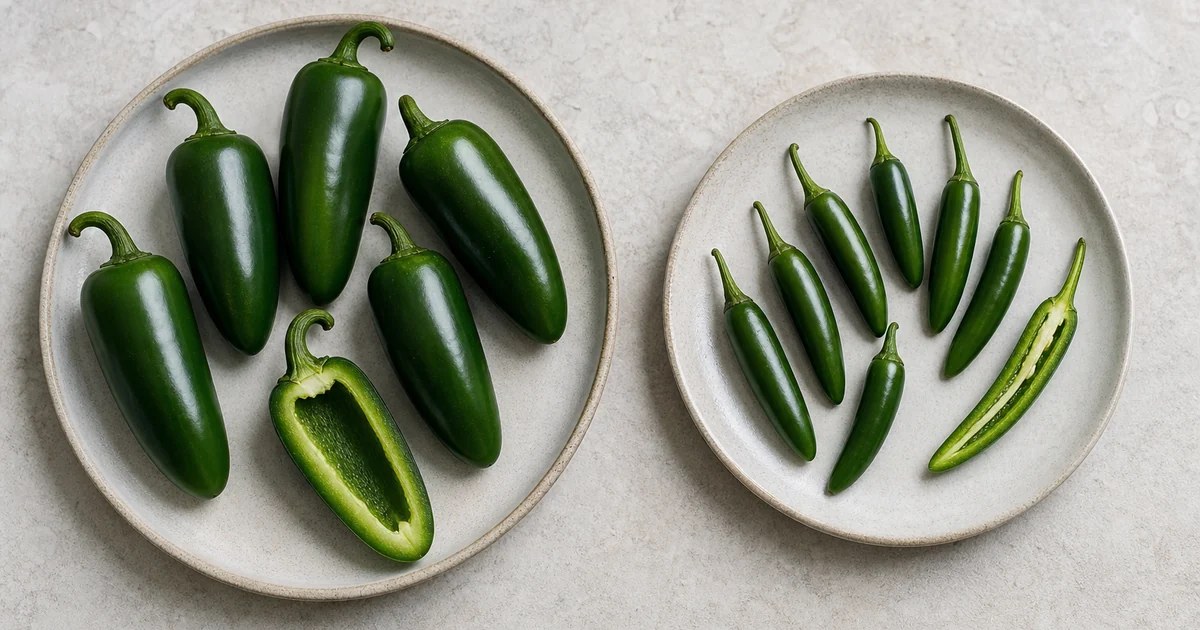
Serrano is usually hotter. Fresno runs about 2,500 to 10,000 SHU, while serrano usually runs about 10,000 to 23,000 SHU.

Yes, but the salsa will taste sweeter, redder, and usually milder. Use Fresno when color and fruit are welcome; keep serrano when sharp green heat is the point.

Yes, but use less at first. Serrano brings more green bite and less ripe red fruit, so the sauce may need tomato, roasted red pepper, or vinegar balance.

Fresno is commonly used ripe red, when sugars and red-pepper aroma are stronger. Serrano is often used green, so it tastes sharper and more grassy.

Fresno is better for bright red quick pickles. Serrano is better when the jar needs a hotter, sharper bite.

Sources & References
KL
Fact-checked by Karen Liu
Research Contributor
SHU Verified
Sources Cited
Expert Reviewed
All Comparisons Browse Peppers Scoville Scale