
Cayenne vs Tabasco Pepper: Powder Dose or Vinegar Sauce?
Cayenne pepper is the better all-purpose dry heat for rubs, soups, beans, and spice blends. Tabasco pepper is the better sauce pepper when the dish wants juicy pods, fermentation, vinegar, and a sharper liquid finish.

Cayenne Pepper
HotTabasco Pepper
HotQuick Comparison
| Attribute | Cayenne Pepper | Tabasco Pepper |
|---|---|---|
| Scoville evidence | 30K-50K SHU | 30K-50K SHU |
| Heat Tier | Hot | Hot |
| vs Jalapeño | 6x hotter | 6x hotter |
| Flavor | direct pepper heat with a mild earthy note; the dried powder is less aromatic than a fresh pod | sharp and vinegary |
| Species | C. annuum | C. frutescens |
| Origin | Cayenne, French Guiana (namesake) | Mexico |
Which Should You Use, Cayenne or Tabasco?
The real choice is powder dose versus sauce base. Cayenne is most useful dry and measured by the pinch.
Tabasco is most useful fresh, mashed, fermented, and cut with vinegar.
Both can sit around 30,000 to 50,000 SHU, but equal heat does not mean equal cooking behavior.
Cayenne disappears into a pot. Tabasco changes the liquid, acidity, and aroma around the heat.
That distinction shows up clearly on a spice rack versus a hot sauce collection. Cayenne belongs next to paprika and chili powder as a dry seasoning.
Tabasco belongs next to other bottled fermented sauces, since its whole identity is built around the liquid it becomes.
| Decision | Cayenne | Tabasco pepper |
|---|---|---|
| Primary form | Dry powder or whole dried pod | Fresh pod, salt mash, or vinegar sauce |
| Adds liquid | No | Yes when used as sauce |
| Adds acid and salt | No | Usually in bottled sauce |
| Best control | Pinch or measured spoon | Measured splash or weighed mash |
Are Cayenne and Tabasco the Same Species?
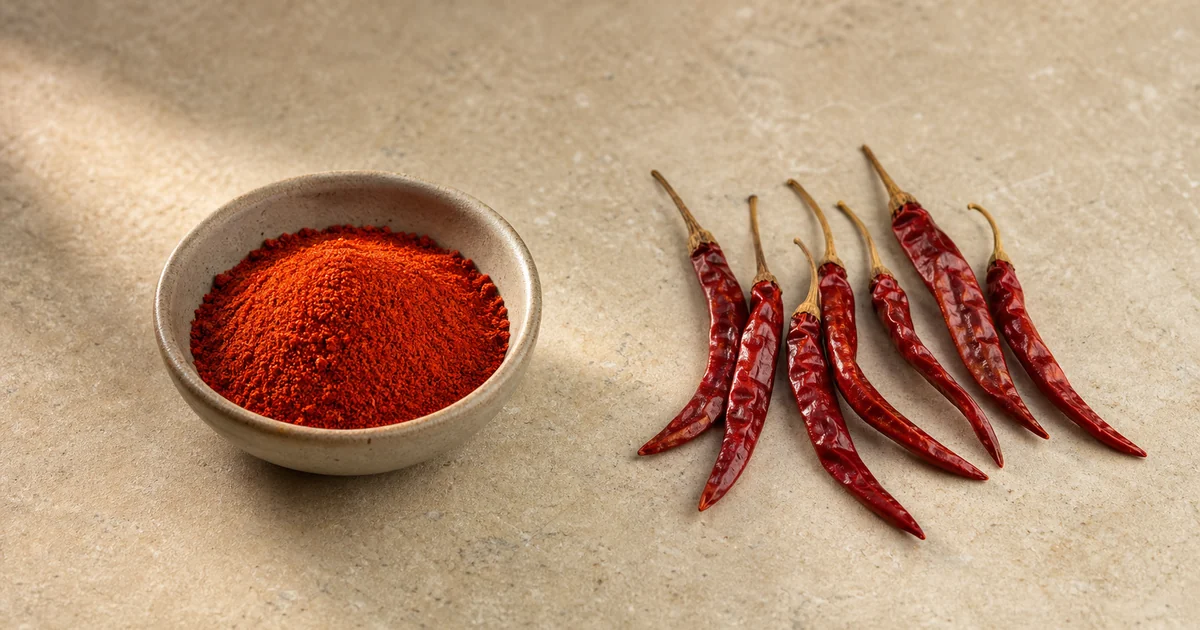
Cayenne is a C. annuum pepper with long thin pods that dry easily. That is why powder became its everyday form.
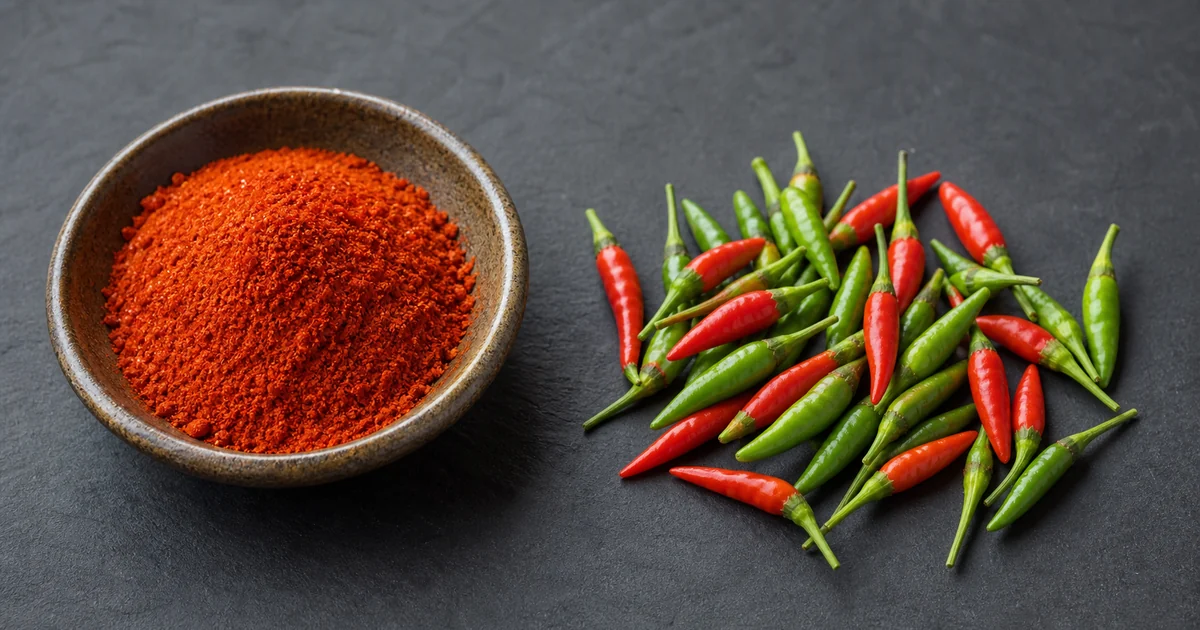
Tabasco is C. frutescens, with smaller juicy pods that stand upright on the plant. That moisture makes it a natural fit for mash, brine, and vinegar sauce.
That species difference also explains why cayenne dries so reliably at home while tabasco rarely does well air-dried, since C. frutescens pods hold enough internal moisture that they tend to rot before they fully dehydrate without a dedicated dehydrator or controlled fermentation environment.
Where Cayenne Wins
Cayenne wins when water would hurt the recipe. Dry rubs, spice blends, chili powder mixes, soups, beans, and roasted vegetables all take powder cleanly.
It also wins when repeatability matters. A quarter teaspoon is easier to control than a variable splash of hot sauce.
For another dry-fresh split, cayenne vs serrano handles powder heat versus raw green bite.
Cayenne is the backbone of Louisiana and Southern cooking traditions, appearing in Cajun and Creole spice blends, blackening seasoning, and the classic dash added to gumbo or red beans and rice. Its neutral, dry heat blends into a spice mix without adding competing flavor notes.
Where Tabasco Wins
Tabasco wins when acidity is part of the finish. Oysters, eggs, seafood, greens, gumbo, and vinegar-forward sauces all benefit from the bright liquid edge.
Fresh tabasco pods also work in fermented hot sauce because the small juicy fruit breaks down into mash more readily than a dry powder would.
McIlhenny's barrel-aging process is central to why fresh tabasco pods work so well for homemade fermented sauce. The three-year fermentation mellows raw heat into something rounder and more complex than a quick vinegar-pepper mix, which is why fresh tabasco mash rewards patience more than most peppers used for hot sauce.
Can Cayenne and Tabasco Replace Each Other?
To replace tabasco sauce with cayenne, start with a pinch of powder plus separate vinegar or lemon. Powder alone will add heat but not the tang.
To replace cayenne with tabasco sauce, reduce other liquid and acid first. A splash can throw off a dry rub, a thick dip, or a carefully salted sauce.
For homemade sauce, use tabasco when fermentation and vinegar are the goal. Use cayenne when the recipe needs shelf-stable powder heat without changing texture.
The substitution gets trickier with commercial tabasco sauce specifically, since it already carries salt and vinegar. Replacing a splash of tabasco sauce with cayenne powder means adding both the heat and a separate acid source, usually a few drops of vinegar or lemon juice, to recreate the sauce's full character rather than just its burn.
Rebuild what the missing form supplied
- Replacing tabasco sauce requires heat plus separate acid
- Account for salt already present in bottled sauce
- Reduce other liquid before adding sauce to a thick recipe
- Never substitute sauce into a dry rub without changing its texture
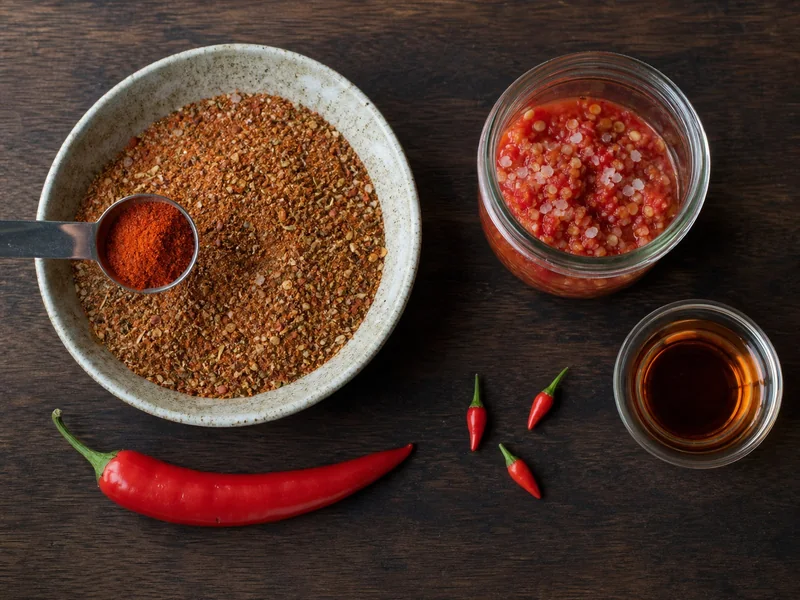
Buying And Storage
Buy cayenne as a sealed jar or tin of ground powder, and check that the color reads bright red rather than brownish, since a dull color usually means the batch has been sitting on a shelf too long. Keep it in a sealed container away from heat and light, where it holds useful potency for about a year.
Tabasco is easiest to buy as the bottled sauce, which is shelf-stable unopened and keeps for months in the refrigerator once opened without losing much sharpness, since vinegar and fermentation already stabilize it. Fresh tabasco pods are harder to find outside a home garden or specialty grower, and they bruise easily, so handle them by the stem rather than the fruit.
If a recipe calls for fresh tabasco pods and only the bottled sauce is available, start with a small splash and taste before adding more, since the sauce carries salt and vinegar that raw pods do not.
When buying fresh tabasco peppers, look for firm, glossy pods that have ripened to a uniform red, since green or blotchy pods have not developed their full heat or flavor. Cayenne sold as whole dried pods rather than powder keeps its aroma longer, since the compounds that fade first are concentrated near the surface and grinding exposes more of that surface to air.
Taxonomy and Tabasco Sauce History
USDA GRIN supplies the taxonomic distinction: cayenne is handled here as Capsicum annuum, while tabasco is Capsicum frutescens. Species does not determine every cooking trait, but it supports the clear difference between long drying pods and small juicy upright fruit.
McIlhenny Company documents the commercial Tabasco sauce process and its Avery Island history. That source owns claims about its own salt mash, barrel aging, and vinegar blending, not a universal rule that every homemade tabasco mash must age for three years.
The stored sources do not establish the old detailed cayenne trade timeline, apothecary history, or capsaicin-isolation story. Those claims have been removed because they do not help the cook choose powder or a fermented liquid.
Dose And Form Matter More Than Nutrition
No cultivar-specific nutrient comparison was located for cayenne and tabasco peppers. Generic fresh-pepper or ground-spice values cannot establish the exact vitamins in the pods or sauce at hand, and typical serving sizes differ too much for nutrition to decide this choice.
Dose and form are the useful measurements. A dry recipe can take cayenne by the pinch or quarter-teaspoon, while replacing a vinegar sauce requires restoring acid, liquid, and salt as well as heat.
Wear gloves when crushing fresh tabasco pods or processing a large cayenne batch. Keep fermenting mash below its brine or use a tested fermentation method, and discard it if mold, putrid odor, or unsafe container pressure develops.
Cayenne Pepper vs Tabasco Pepper FAQ
- Capsicum annuum L. - USDA GRIN Taxonomy
- Heat - Chile Pepper Institute, NMSU
- McIlhenny Company