Cherry Bomb vs Cherry Pepper: One Hot Cultivar, One Sweet-or-Hot Category
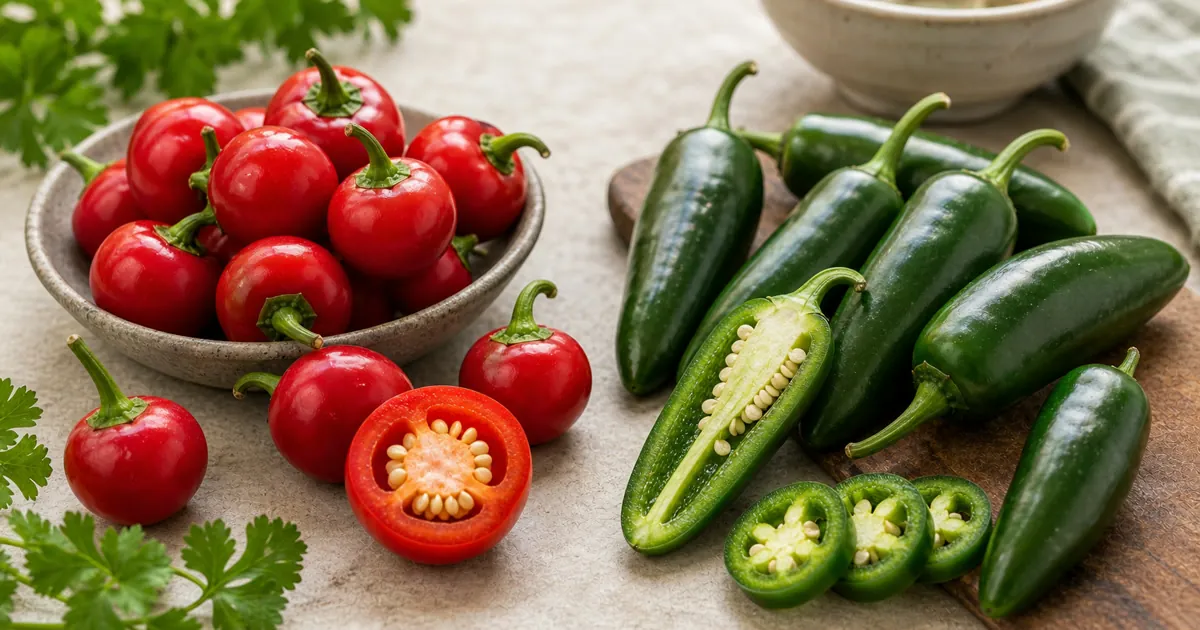
Cherry Bomb is a named hot cultivar, while cherry pepper is a round-fruited category that may be sweet or hot. Check the cultivar or jar label before choosing one for stuffing, pickling, or a mild antipasto plate.

Cherry Bomb Pepper
MediumCherry Pepper
MildQuick Comparison
| Attribute | Cherry Bomb Pepper | Cherry Pepper |
|---|---|---|
| Scoville evidence | 2.5K-5K SHU | 100-500 SHU |
| Heat Tier | Medium | Mild |
| vs Jalapeño | 1x hotter | n/a |
| Flavor | sweet, mildly hot, and juicy | sweet and mild |
| Species | Capsicum annuum | C. annuum |
| Origin | United States | USA |
Is Cherry Bomb Hotter Than a Cherry Pepper?
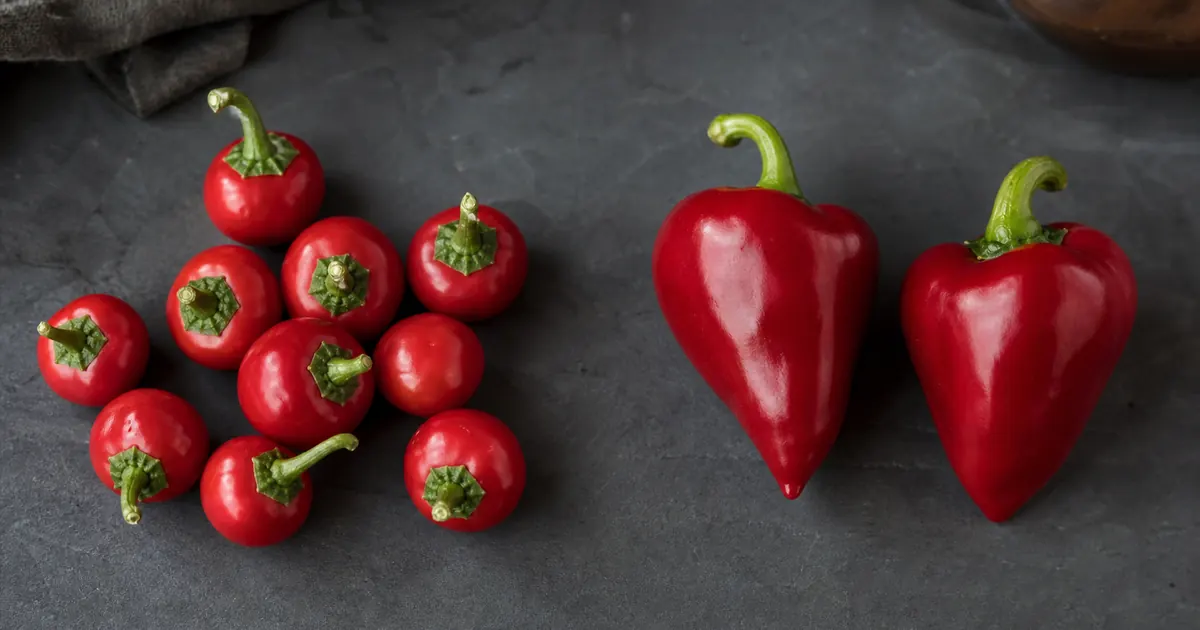
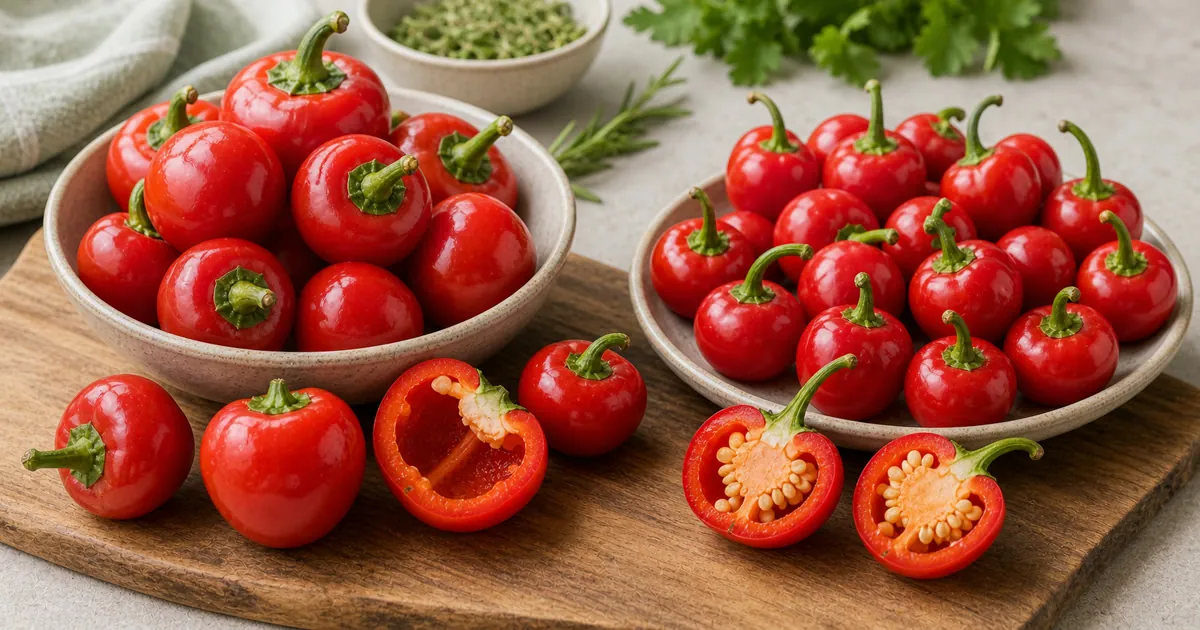
Cherry Bomb is a named hot cultivar, while cherry pepper is a shape category that can include sweet or hot selections. A round red fruit alone therefore cannot tell you which pepper or heat level you bought.
Cornell Cooperative Extension's variety database classifies Cherry Bomb as hot. It describes thick-walled rounded to heart-shaped fruit that mature red, with plants reaching first harvest from about 62 days under catalog conditions.
Commercial references commonly place Cherry Bomb around 2,500 to 5,000 SHU, and treat that band as cultivar guidance rather than a guarantee for every pod, because environment, maturity, and seed authenticity can move the result.
The sweet cherry chile group is different. North Carolina Extension identifies sweet cherry chile pepper as a Capsicum annuum Cerasiforme Group, which establishes a recognized sweet round-fruited type without claiming all cherry-shaped peppers are mild.
Oregon State University Extension makes the larger classification issue clear. Capsicum annuum includes both sweet types lacking pungency and hot chiles, and cherry appears among the many fruit types within that species.
A jar labeled cherry peppers may therefore contain a sweet product, a hot product, or a producer-specific blend, and check sweet, mild, hot, or hot cherry on the label before using appearance as a shortcut.
Pickling changes acid and salt but does not prove the original cultivar. A sweet cherry pepper stays suitable for a mild platter, while a pickled Cherry Bomb can still deliver a noticeable chile bite.
Removing inner tissue can reduce some heat from a fresh hot pod, but it cannot make an unidentified batch predictable. Cornell notes that capsaicin concentration is higher near the seed-bearing tissue toward the stem end.
Taste only a very small prepared piece when the product is meant for eating and the label is unclear, and do not use a whole stuffed pepper as the first heat test, because the filling hides the warning until a large bite is taken.
Heat verdict belongs to Cherry Bomb when the comparison is with a confirmed sweet cherry pepper. If the second product says only cherry pepper, its heat remains unknown until the cultivar or package style is identified.
A home-grown plant adds another identity risk because saved seed may not reproduce a commercial hybrid exactly, so retain the original packet and avoid assigning a precise heat range to volunteer or exchanged plants that lack a traceable cultivar history.
For mixed guests, serve a verified sweet jar by default and offer heat separately. That choice preserves the round-pepper presentation without surprising someone who expected a mild antipasto ingredient.
Do Cherry Bomb and Cherry Peppers Taste Different?
Both peppers can combine ripe sweetness with thick juicy walls, so flavor alone may not identify them before the heat arrives. Cherry Bomb adds a capsaicin bite after the initial fresh red-pepper taste.
A sweet cherry pepper emphasizes fruit, crunch, and brine instead. Fresh examples taste like compact sweet peppers, while jarred products may be dominated by vinegar, salt, sugar, and the manufacturer's pickling spices.
The cultivar name matters more than a broad flavor adjective, and cornell describes Cherry Bomb through its hot classification and thick walls, while extension references place sweet cherry peppers among nonpungent Capsicum annuum types.
Ripeness changes both products. Green fruit tastes more vegetal, while fully red fruit usually carries a riper aroma and stronger sweetness alongside whatever pungency the cultivar can produce.
Roasting softens the walls and concentrates the surface flavor. The same technique makes Cherry Bomb's heat easier to spread through a filling or sauce, while a sweet cherry pepper remains focused on fruit and browned edges.
Pickling introduces a stronger common flavor than the fresh pods share, and two jars can taste similar at first because their brines match, then separate when the Cherry Bomb's heat builds after chewing.
Cheese and fatty fillings soften the perception of chile burn but do not remove capsaicin. A Cherry Bomb stuffed with cream cheese may feel rounder than the raw pod, yet it remains the hotter choice.
Sweet cherry peppers suit dishes where brine and fruit should stay readable without a burn. Their mildness leaves more room for olives, cured meat, herbs, and cheese on an antipasto plate.
Do not describe sweet cherry pepper as flavorless simply because it lacks heat, and its value lies in compact sweetness, crisp walls, red color, and an ability to carry pickling liquid without dominating the rest of the plate.
Storage form also affects comparison. Fresh pods provide clearer cultivar flavor, while a jar makes brand-specific acid, salt, sweetener, and spice choices part of the ingredient.
A side-by-side tasting should control the brine before judging the fruit, since rinsing both jarred samples briefly and serving them at the same temperature makes it easier to distinguish pepper sweetness and heat from differences in vinegar, sugar, and salt.
Flavor verdict is sweet-hot versus sweet-mild only when both products are identified. An unlabeled cherry pepper cannot support a reliable promise because the category spans more than one pungency level.
Culinary Uses
Choose Cherry Bomb when a stuffed appetizer should have a controlled chile bite. Its thick walls and round cavity hold cheese, grains, sausage, or vegetable fillings while the named cultivar supplies the heat.
Use a verified recipe for cooking temperature and time rather than one universal number. Pepper diameter, filling temperature, meat content, and whether the pod was fresh or pickled all change the safe and useful bake.
Choose sweet cherry peppers for antipasto, deli salads, olive mixtures, mild relishes, and family-style platters, and they provide the same compact red shape without making heat part of the eating decision.
For a party tray, keep hot and sweet batches on separate plates with separate utensils. Their similar appearance makes accidental mixing more likely than with peppers of visibly different shapes.
Whole pickling suits both types because the pods are compact, but shelf-stable preservation requires a tested recipe. The National Center for Home Food Preservation bases safe pepper pickles on controlled acid proportions and processing steps.
A casual vinegar mixture belongs in the refrigerator, not the pantry, and do not reduce vinegar or alter jar-processing instructions merely because the peppers are small.
When a recipe says cherry pepper without a heat note, read the surrounding ingredients. A mild pimento-style spread, olive garnish, or deli salad usually expects sweet jarred peppers, while a hot stuffed appetizer may intend Cherry Bomb or another hot cherry type.
Substituting sweet cherry pepper for Cherry Bomb preserves shape and removes most or all cultivar heat. Add heat elsewhere only when the dish needs it, and use an ingredient whose strength is easier to measure than an unknown pepper.
Substituting Cherry Bomb for a sweet cherry pepper changes the guest expectation, and use fewer pieces only if smaller volume still serves the recipe, because count reduction cannot reliably preserve filling capacity, brine balance, or heat per bite.
In chopped relish, pod shape stops mattering after the knife work. Choose by desired heat and brine, then adjust acid, salt, and sugar after tasting the complete mixture.
When stuffing a mixed tray, use pods of similar diameter within each labeled batch and keep the hot batch physically separate throughout preparation, because a decorative marker can move during baking while separate pans and utensils preserve the intended heat choice.
Use verdict is Cherry Bomb for intentionally hot stuffing and pickling, and verified sweet cherry pepper for mild deli service. Labels and separate serving tools matter because the finished pieces can look nearly identical.
Which Should You Buy, Cherry Bomb or Cherry Pepper?
Buy Cherry Bomb when the seed packet, produce sign, or jar names the cultivar and the recipe welcomes moderate heat. Buy sweet cherry pepper when the dish needs round red fruit, thick walls, and mild flavor.
Do not treat Cherry Bomb as a synonym for every hot cherry pepper. Cornell's database records a specific cultivar description, while growers sell other hot round cultivars under their own names.
Do not treat cherry pepper as a guarantee of sweetness either, and the term often describes fruit form, and Capsicum annuum contains sweet and pungent selections that can look closely related.
For fresh shopping, compare size, firmness, wall condition, and the exact cultivar label. Choose pods with sound skin and enough uniformity that stuffed pieces cook at similar rates.
For jarred shopping, read both the product name and ingredients. Sweetener, vinegar, salt, spices, and any heat descriptor tell you more about the expected dish than the front photograph alone.
If the label remains vague, contact the producer before serving the product as mild, and that is more reliable than guessing from red color, round shape, or whether the peppers sit in a deli aisle.
For children or heat-sensitive guests, verified sweet cherry pepper is the best-practice default. Offer a separate hot condiment so diners choose their own level without losing the mild appetizer.
For a spicy appetizer, Cherry Bomb provides a clearer target than an unnamed hot cherry jar. Its thick walls support stuffing, and the named cultivar gives the cook a more useful starting expectation.
The closest substitute depends on the job, and another labeled hot cherry cultivar can replace heat and shape, while a sweet pimento-type pepper better replaces a mild cherry pepper's fruit and low pungency.
Final choice depends on confirmed identity rather than looks. Select Cherry Bomb for a named hot cultivar and sweet cherry pepper for a verified mild product, then keep ambiguous jars out of dishes that promise either heat level.
Restaurant menus should name hot stuffed Cherry Bombs clearly instead of shortening the ingredient to cherry peppers, because the shorter category name can reasonably suggest a mild deli garnish to diners who recognize only the common jarred product.
This distinction prevents the most common failure in the comparison. The cook stops asking whether two red round peppers look alike and starts checking whether the product is a cultivar, a shape category, or a prepared jar style.