Chilhuacle vs Ancho: Heat, Flavor & Key Differences
Both the chilhuacle and ancho are dried Mexican chiles from the C. annuum species, sharing a deep, earthy character that anchors countless mole and sauce recipes. The chilhuacle registers 1,500-2,500 SHU, placing it in the medium heat bracket, while the ancho sits at the milder end with negligible capsaicin. Understanding where they differ — in heat, sweetness, and texture — determines which one belongs in your pot.
Chilhuacle Pepper measures 2K–3K SHU while Ancho Pepper registers 1K–2K SHU. They are roughly equal in heat. Chilhuacle Pepper is known for its smoky and complex flavor (Capsicum annuum), while Ancho Pepper offers sweet and raisin-like notes (C. annuum).
- Species: Capsicum annuum vs C. annuum
- Best for: Chilhuacle Pepper excels in everyday cooking and salsas, Ancho Pepper in fresh salsas and mild recipes
Chilhuacle Pepper
MediumAncho Pepper
MediumChilhuacle Pepper vs Ancho Pepper Comparison
Chilhuacle Pepper vs Ancho Pepper Heat Levels
Before getting into numbers, the flavor tells you something is different. Bite into a rehydrated chilhuacle and there's a warmth that builds — not aggressive, but present. An ancho delivers almost no heat at all; what you notice instead is a concentrated sweetness and dried fruit depth.
The chilhuacle measures 1,500-2,500 SHU on the Scoville testing scale, making it roughly one-quarter to one-half the heat of a standard jalapeño (which peaks around 8,000 SHU). That's a gentle, background warmth — the kind that adds dimension without dominating a dish.
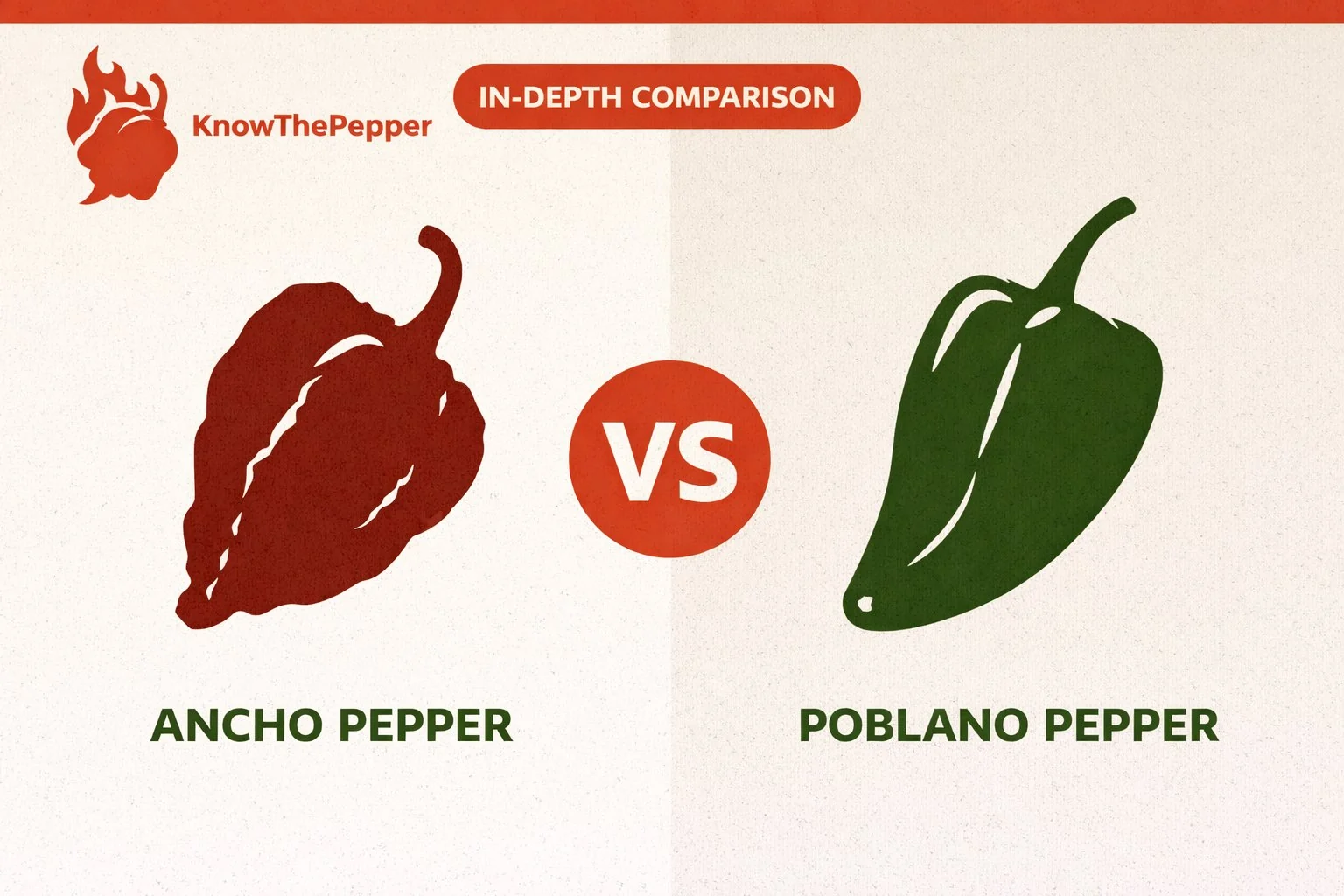
The ancho — the dried form of the poblano — is one of the mildest dried chiles you'll encounter, with measurements so close to zero that many sources list it at under 1,000 SHU. In practical cooking terms, it contributes almost no detectable heat.
The gap between them isn't dramatic in absolute terms, but it's meaningful in context. When you're building a mole or enchilada sauce where the chile is the primary flavor, that difference in background warmth shifts the entire character of the dish. The chilhuacle brings a mild tingle that keeps the palate engaged; the ancho stays purely in flavor territory.
Both fall within what most cooks would call the mild-to-medium pepper spectrum — neither will challenge heat-averse eaters, but the chilhuacle will remind them it's there. The chemistry behind why even mild capsaicin registers on the palate explains why a 2,000 SHU chile can feel more present than its number suggests.
Flavor Profile Comparison
Grown primarily in the Cañada region of Oaxaca, the chilhuacle (sometimes spelled chilhuacle) is one of Mexico's most regionally specific dried chiles.
Long before dried chiles appeared on supermarket shelves, the ancho was already central to Mexican cuisine — a staple ground into sauces, rehydrated for stews, and layered into moles that could take days to prepare.
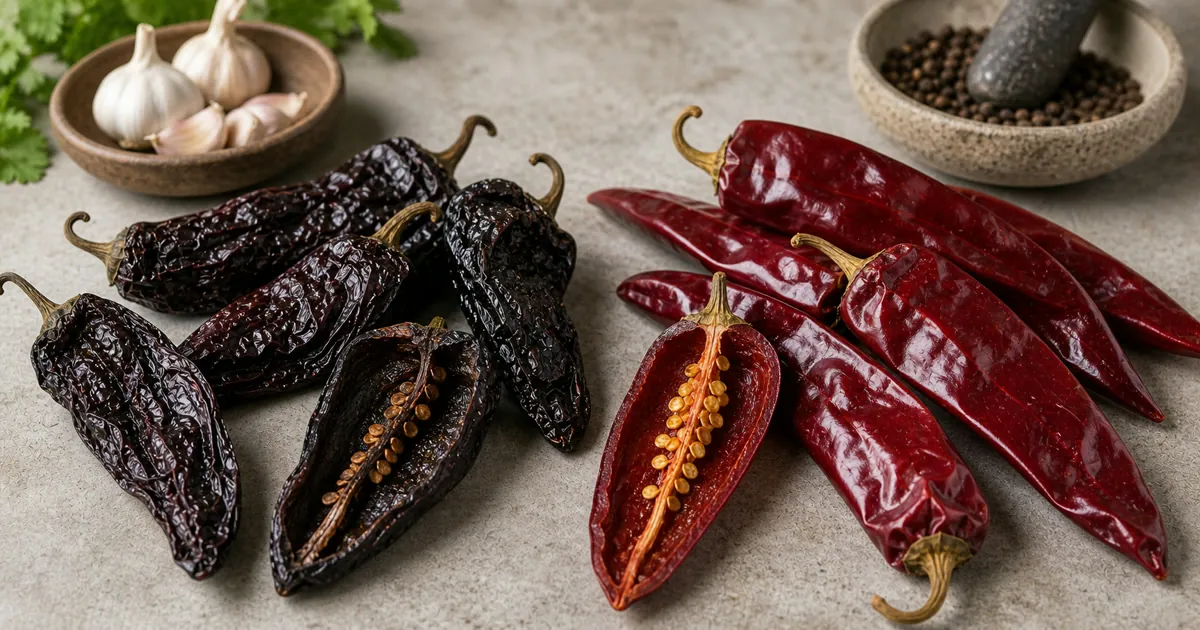
The ancho is often described as the "workhorse" of Mexican dried chiles, and for good reason. Its flavor profile leans toward dried plum, dark chocolate, and a faint tobacco note — rich, sweet, and deeply savory. The drying process concentrates the natural sugars of the poblano, creating a complexity that makes it indispensable in ancho vs. chipotle smoky-sweet comparisons.
The chilhuacle — primarily grown in Oaxaca — carries a different personality. Depending on the variety (negro, rojo, or amarillo), you get earthy, slightly acidic, and sometimes herbaceous notes. The negro version leans toward dried cherry and tobacco; the rojo brings a brighter, tomato-adjacent quality. This regional specificity is part of what makes Mexican pepper traditions so layered.
Aroma-wise, the ancho is sweeter on the nose — almost raisin-like when toasted. The chilhuacle smells earthier, with a faint funkiness that signals its Oaxacan roots.
In terms of texture after rehydration, both soften to a pliable, meaty consistency, but the ancho tends to be thicker-walled and more yielding. The chilhuacle's skin can be slightly tougher and is often strained out when making smooth sauces.
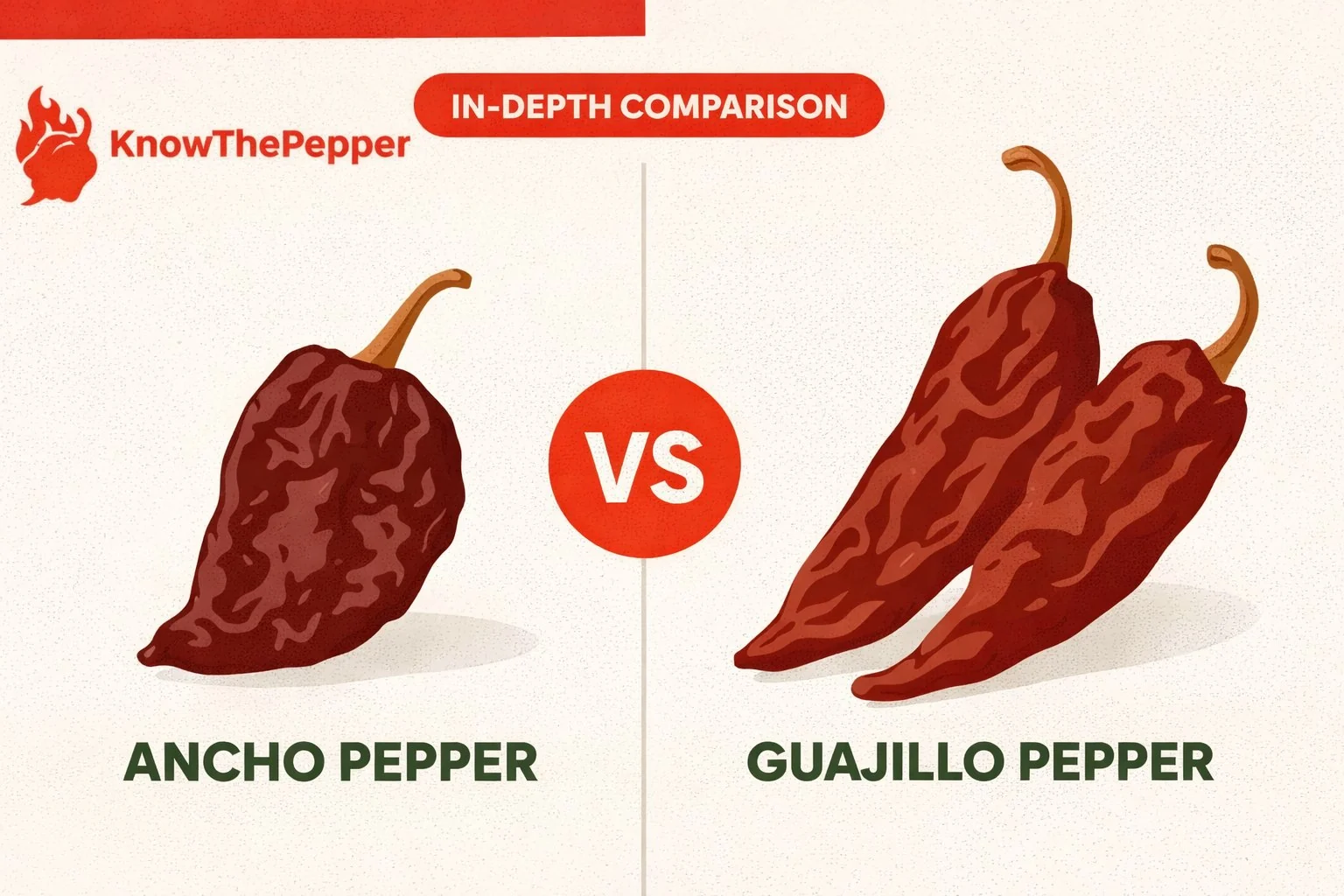
For dishes where sweetness and body are the goal — mole negro, red enchilada sauce — the ancho is hard to beat. When you want more acidity and earthy complexity, the chilhuacle earns its place. In the ancho vs. guajillo brightness comparison, you can see how Mexican dried chiles each occupy a distinct flavor lane; the chilhuacle fits somewhere between those two poles.
Culinary Uses for Chilhuacle Pepper and Ancho Pepper
Both peppers are used almost exclusively in their dried form, and both follow the same preparation ritual: toast briefly in a dry skillet, soak in hot water for 20-30 minutes, then blend into sauces, moles, or braises.
The ancho is the more versatile of the two for general Mexican cooking. It forms the backbone of many commercial enchilada sauces, adds body to pozole rojo, and is one of the three chiles in a classic mole poblano alongside mulato and pasilla — a relationship explored in the ancho vs. mulato depth comparison. Use 2-3 dried anchos per cup of sauce for a mild, sweet base.
The chilhuacle is more regionally specific. It's the defining ingredient in chilaquiles (the dish takes its name from the pepper), Oaxacan mole negro, and tamales from the Cañada region. Its slightly acidic edge makes it a better fit for dishes that need brightness alongside depth. Use 3-4 dried chilhuacles per cup of sauce — they're smaller than anchos and less fleshy.
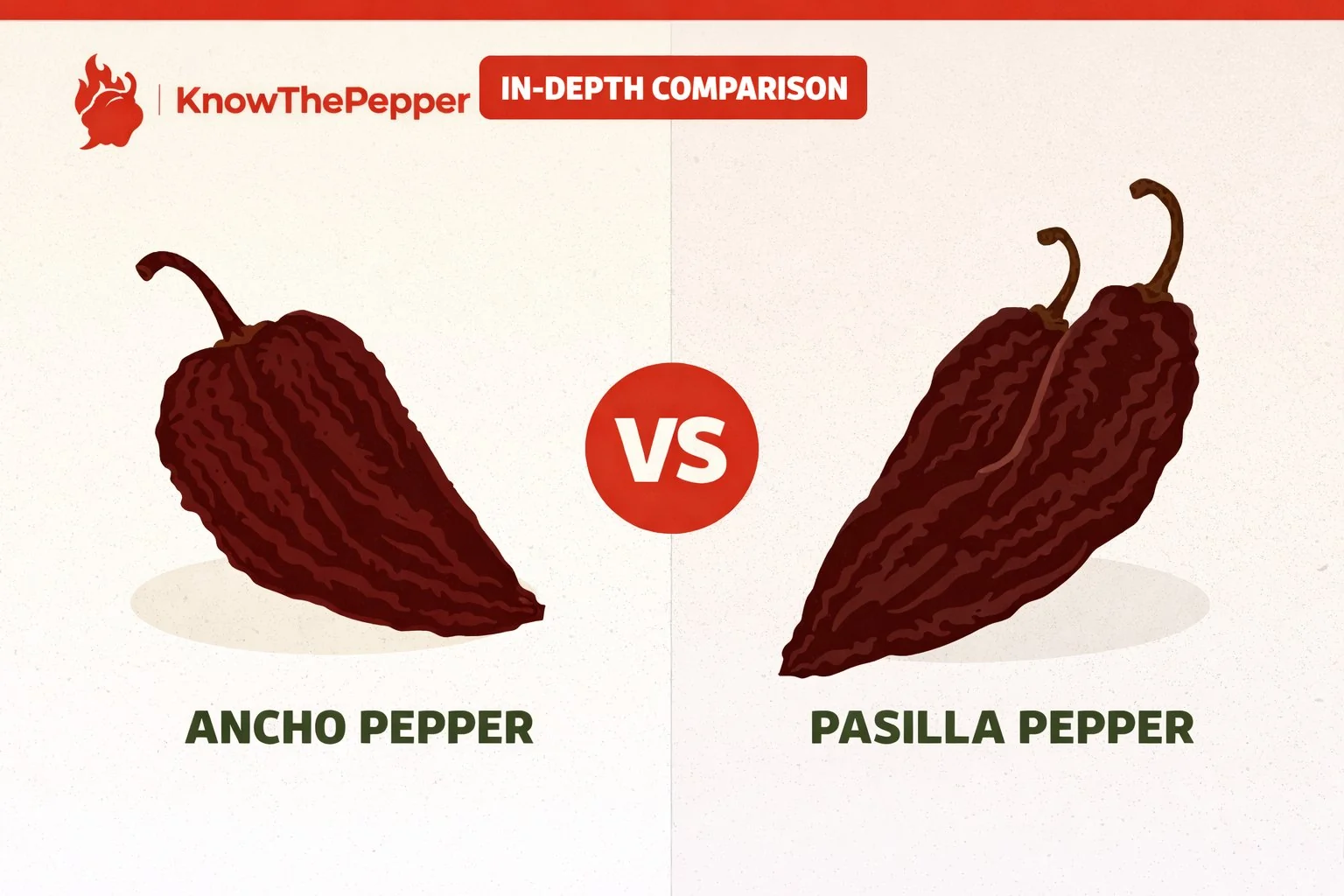
Substitution guidance: If you can't find chilhuacles, a combination of ancho and a small amount of dried pasilla or mulato gets you close — the ancho provides the body, the pasilla adds the earthy, slightly bitter note the chilhuacle carries. For ancho pepper substitutes, the mulato is the closest match given their shared poblano lineage.
Both peppers pair naturally with chocolate, cinnamon, and cumin in mole applications. In braises, they work well with pork, duck, and lamb. The chilhuacle's acidity makes it slightly better with tomato-forward preparations; the ancho's sweetness suits chocolate-forward moles.
For home cooks, dried anchos are far easier to source — most Latin grocery stores and many mainstream supermarkets carry them. Chilhuacles may require a specialty Mexican market or online order.
Which Should You Choose?
If your pantry can only hold one, the ancho is the practical choice — widely available, endlessly versatile, and forgiving enough for weeknight cooking. Its mild heat and sweet-savory depth make it a reliable foundation for sauces, moles, and braises without requiring much precision.
The chilhuacle rewards the more intentional cook. Its earthy, slightly acidic character is harder to replicate and essential to authentic Oaxacan cooking. If you're making a real mole negro or want to understand the full range of the C. annuum species in dried Mexican chiles, tracking down chilhuacles is worth the effort.
For heat-sensitive cooks, both are safe territory — but the chilhuacle's 1,500-2,500 SHU means it will leave a faint warmth that the ancho simply doesn't deliver. Choose the ancho for pure flavor without heat; choose the chilhuacle when you want that mild background warmth alongside earthy complexity.
They're not interchangeable, but they're complementary — and a well-stocked dried chile pantry has room for both.
Can You Substitute One for the Other?
Yes. Direct substitution works. Chilhuacle Pepper and Ancho Pepper are close enough in heat to swap at roughly 1:1. The main difference will be flavor. For more swap options, explore ranked alternatives with conversion ratios.
Growing Chilhuacle Pepper vs Ancho Pepper
If you’re deciding which pepper to grow at home, consider your climate and patience level. Chilhuacle Pepper and Ancho Pepper have different maturation times and temperature preferences. Hotter varieties generally need a longer, warmer growing season to develop their full capsaicin content. Our zone-based planting date tool can pinpoint the best sowing window for your area.
Chilhuacle plants need a long season — plan on 90-110 days from transplant to first harvest of mature pods ready for drying. Start seeds indoors 10-12 weeks before your last frost date.
Transplant outdoors only after nighttime temperatures stay consistently above 55°F. These plants respond well to the same step-by-step germination walkthrough used for other Capsicum annuum varieties — no exotic treatment required, just patience.
Spacing matters more than many growers realize. Give each plant 18-24 inches in all directions.
Growing anchos means growing poblanos and drying them yourself — the transformation happens post-harvest. Plants thrive in USDA zones 9–11 as perennials and are treated as annuals elsewhere.
Transplant outdoors after all frost risk passes, spacing plants 18–24 inches apart in full sun. Poblanos are heavy feeders — a balanced fertilizer at transplant followed by a phosphorus-forward feed once flowering begins keeps production strong.
Fruits are ready to dry when they turn fully red — this is when sugar content peaks and the dried ancho will have its characteristic sweetness. Hang or dehydrate at 125–135°F until completely leathery with no soft spots.
History & Origin of Chilhuacle Pepper and Ancho Pepper
Both peppers carry centuries of culinary heritage. Chilhuacle Pepper traces its roots to Mexico, while Ancho Pepper originates from Mexico. Understanding their backstory helps explain why each pepper developed its distinctive traits.
Buying & Storage
Whether you’re shopping for Chilhuacle Pepper or Ancho Pepper, the same quality indicators apply. Fresh peppers should feel firm and heavy for their size, with taut, glossy skin and no soft or wet spots. Minor stem cracks known as “corking” are perfectly normal and often indicate a mature, flavorful pod.
- Firm pods with taut skin and consistent color
- Should feel heavy relative to size
- Minor stem cracks (“corking”) are normal
- Avoid anything soft, shriveled, or with dark wet spots
- Fresh: Paper bag, crisper drawer, 1 to 2 weeks
- Frozen: Wash, dry, freeze on sheet pan, 6+ months
- Dried: Airtight and away from light, up to 1 year
The Verdict: Chilhuacle Pepper vs Ancho Pepper
Chilhuacle Pepper and Ancho Pepper sit in the same heat tier but serve different roles. Chilhuacle Pepper delivers its distinctive smoky and complex character. Ancho Pepper, with its sweet and raisin-like profile, excels in everyday cooking.
Frequently Asked Questions
Related Comparisons
Sources pending verification.