Chilaca vs Pasilla: What Drying Changes in the Same Mexican Chile
Pasilla is the dried ripe form of chilaca, not a separate competing pepper. Choose fresh chilaca for roasted strips and vegetable texture, and dried pasilla for toasted, soaked, blended sauces with concentrated chile aroma.

Chilaca Pepper
MediumPasilla Pepper
MediumQuick Comparison
| Attribute | Chilaca Pepper | Pasilla Pepper |
|---|---|---|
| Scoville evidence | 1K-2.5K SHU | 1K-2.5K SHU |
| Heat Tier | Medium | Medium |
| vs Jalapeño | n/a | n/a |
| Flavor | earthy and rich | earthy and rich |
| Species | Capsicum annuum | C. annuum |
| Origin | Mexico | Mexico |
Are Chilaca and Pasilla the Same Chile?
Chilaca and pasilla are the same chile in different forms. Mexico's Agriculture Secretariat lists chilaca as the fresh name and pasilla as the dried name, so the comparison concerns moisture and processing rather than two cultivars.
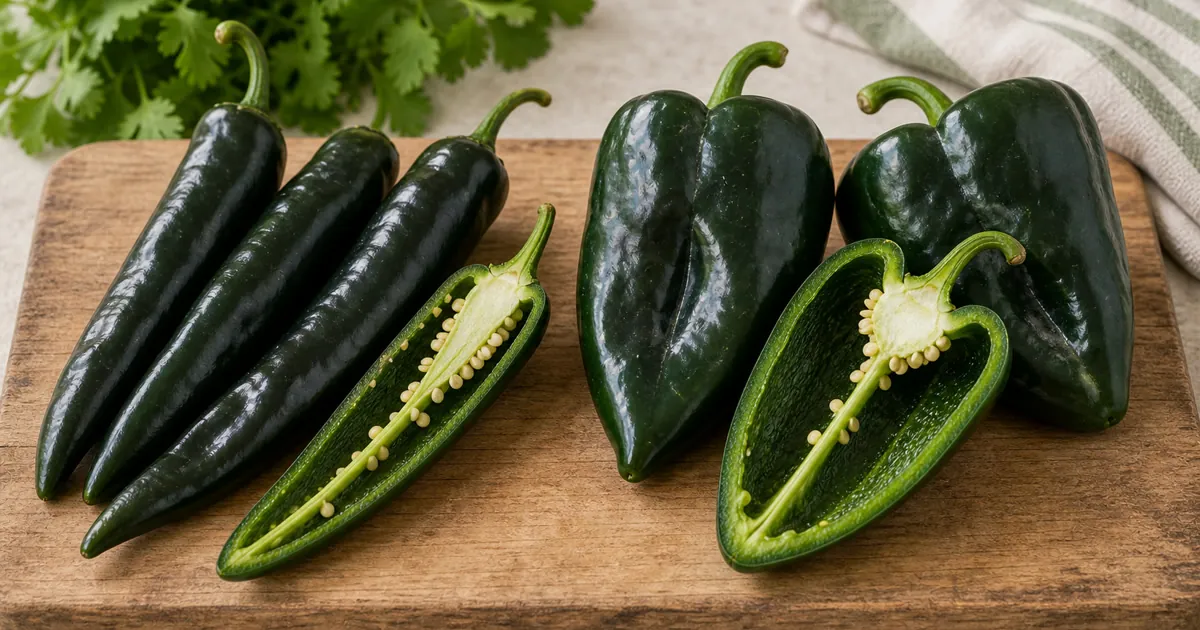
The Colegio de Mexico dictionary describes chilaca as a slender greenish-yellow chile about 10 to 15 centimeters long that reddens as it matures. The same entry says the dried fruit is called pasilla.
Drying removes water but does not replace the pepper's genetics, and the capsaicinoids already present become distributed through a lighter dried pod, while a cook usually dilutes the rehydrated chile across a sauce.
Common references place the chilaca-pasilla type in a mild range, often around 1,000 to 2,500 SHU. Use that range as orientation because individual fruit, growing conditions, maturity, and laboratory sampling change measured heat.
The fresh pod can feel gentler in a large bite because water and crisp tissue accompany the capsaicin. A dried pasilla may seem more concentrated when toasted or ground, but the preparation and serving amount explain that experience better than a second cultivar name.
NIST explains that modern heat measurement uses high-performance liquid chromatography to quantify capsaicinoids, and that method is more reliable than deciding a dried chile became hotter because its flavor seems deeper.
Removing stems and some inner tissue changes a recipe's texture and can reduce part of the capsaicinoid-bearing material. It cannot guarantee a fixed heat reduction, so taste the completed sauce before increasing the chile amount.
Toasting also does not create capsaicin. It changes aroma through heat and can make a pasilla taste harsher if the thin dried skin burns.
The correct heat comparison is therefore one range expressed through two concentrations and cooking methods, and fresh chilaca contributes a whole vegetable portion, while pasilla usually disappears into a diluted puree or seasoning.
Heat verdict is effectively a tie in cultivar terms. Choose the form by the recipe, then control perceived heat through pod amount, inner tissue, dilution, and serving size.
A household comparison should weigh or count the form actually entering the dish rather than comparing one fresh pod with one dry pod, because dehydration changes mass and the sauce may use only strained puree while rajas preserve nearly all of the roasted flesh.
A package that gives pasilla a radically different range from chilaca may be describing a different regional product or a mislabeled chile. Check pod shape and source before treating the numbers as a real botanical distinction.
How Do Fresh Chilaca and Dried Pasilla Taste?
Fresh chilaca tastes green, vegetal, and lightly earthy because its water and living tissue remain intact. Roasting adds char and sweetness while preserving enough flesh to cut into strips.
Pasilla develops a darker dried aroma after the ripe pod loses water. Cooks often describe the result through dried fruit, cocoa-like bitterness, herbs, or earth, but those impressions come from processing and preparation rather than a separate species.
The drying step concentrates soluble solids and changes texture, and a flexible dried pod can be toasted briefly, softened in hot water, and blended into a sauce that carries more dark-chile aroma than the fresh green fruit.
Roasting fresh chilaca follows a different path. The skin blisters and peels away, while the softened walls remain substantial enough for rajas, fillings, eggs, or a vegetable side.
A burned pasilla tastes acrid and can dominate a sauce. Warm the pod only until fragrant and pliable, then move it off the dry heat before blackened spots spread.
Soaking restores working moisture but cannot reverse drying, and the rehydrated flesh becomes blendable, yet it does not regain the crisp green character or strip-forming structure of fresh chilaca.
Discarding soaking liquid can reduce bitterness when the liquid tastes harsh. Keeping some liquid may preserve flavor in a mild batch, so the useful decision comes from tasting rather than a universal rule.
Seeds do not provide the main flavor distinction. The important change is the transformation of ripe chile walls through dehydration, storage, toasting, and rehydration.
Freshness matters in both forms, and a good chilaca should feel firm enough to roast without collapsed wet areas, while a good pasilla should smell clean and remain somewhat flexible instead of crumbling into odorless dust.
Store dried pods airtight away from heat and light because aroma and color fade during long exposure. Refrigerate fresh chilacas and use them while the walls still support peeling and slicing.
The dark name chile negro sometimes used for pasilla describes appearance rather than smoke, so a black-brown pod should not be assumed smoked unless the package identifies a smoked regional product and the aroma confirms that processing choice.
Flavor verdict is fresh green body versus concentrated dried depth. Pasilla does not replace chilaca's vegetable texture, and chilaca does not reproduce pasilla's dried aroma without completing the drying process.
Culinary Uses
Choose chilaca for rajas because the dish needs roasted pepper strips. Blister the long pod, cover it briefly to loosen the skin, peel it, remove the stem and unwanted inner tissue, then slice the softened flesh lengthwise.
Rajas can be cooked with onion, dairy, corn, or cheese according to the recipe. The chile remains visible and chewable, which is precisely the quality a dried pasilla cannot restore.
Choose pasilla for a dark blended salsa, mole component, adobo, or braising sauce, and remove the stem, inspect the pod, toast it briefly, soak until pliable, and blend with the recipe's other ingredients.
Mexico's Agriculture Secretariat identifies dried chiles as essential ingredients in sauces, moles, meat accompaniments, and adobos. Its fresh-to-dried table directly pairs chilaca with pasilla.
A fresh chilaca cannot replace pasilla one for one in a sauce. Its water and green flesh make the result lighter and wetter, and the missing drying step removes the aroma the recipe expects.
A dried pasilla cannot replace chilaca strips in eggs, tacos, or rajas con crema, and rehydrated chile can flavor a sauce for those foods, but it cannot become a fresh vegetable component again.
When only chilaca is available for a pasilla recipe, roast it and redesign the dish as a fresh-chile sauce. Reduce other liquid only after blending, since pod size and water content vary too much for a fixed correction.
When only pasilla is available for a chilaca recipe, decide whether a sauce belongs in the dish. If the answer is no, choose another fresh long mild chile rather than forcing rehydrated pieces into a texture they cannot supply.
Use separate timing for the two forms when a recipe includes both, and fresh strips can enter late enough to retain shape, while pasilla puree needs time to disperse and lose any raw dried-chile edge.
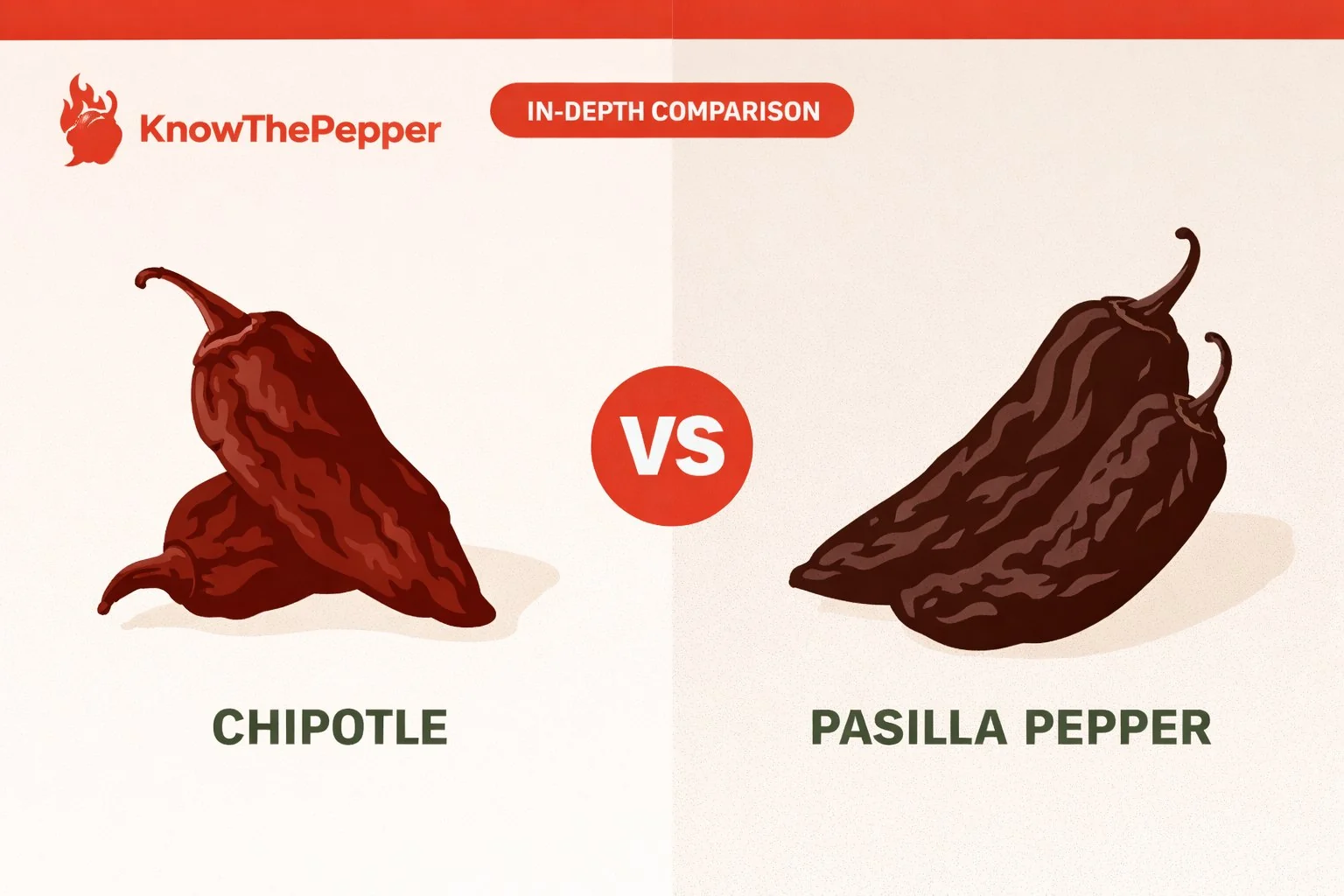
The new in-content comparison shows that method split directly. Rajas preparation preserves roasted strips, while soaking and blending turns pasilla into a smooth dark sauce.
When scaling a pasilla sauce, adjust the final puree by taste and consistency after blending instead of multiplying soaking water mechanically, because pod dryness and discarded skin or seeds can change how much usable chile paste one package produces.
For a composed plate, chilaca can supply a vegetable side while pasilla seasons the protein or sauce, which uses two stages of the same chile without pretending they contribute the same texture or requiring either ingredient to imitate the other.
Use verdict is chilaca for visible roasted flesh and pasilla for dissolved dried-chile flavor. Their shared identity explains the connection, but their moisture states determine the cooking job.
Which Should You Buy, Fresh Chilaca or Dried Pasilla?
Buy fresh chilaca when the recipe names rajas, strips, stuffing, roasting, or a green chile component. Buy dried pasilla when the instructions call for toasting, soaking, grinding, or blending a dark sauce.
Shape is the best shopping defense. True chilaca is long and narrow, and true dried pasilla should preserve that slender outline under its dark wrinkled skin.
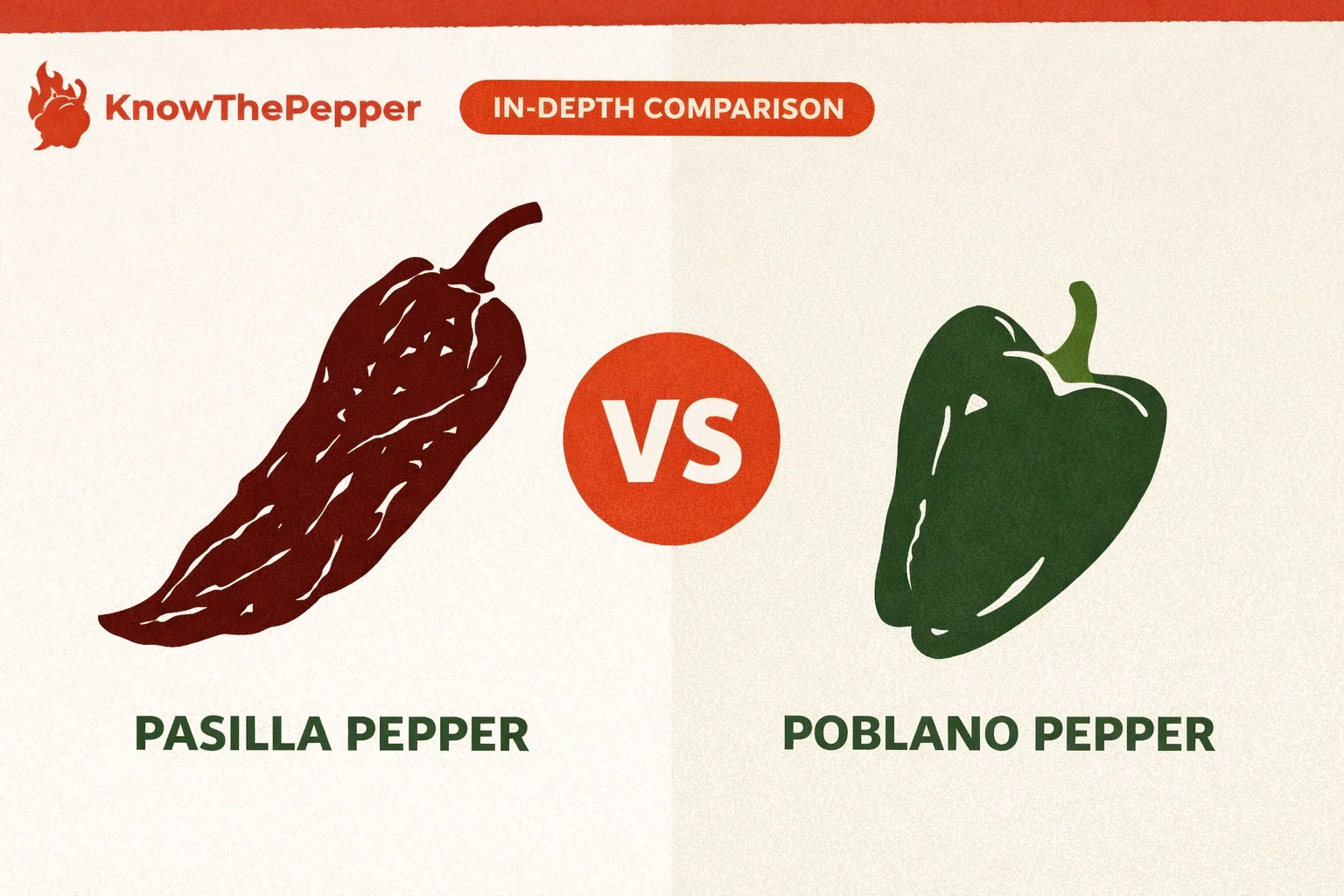
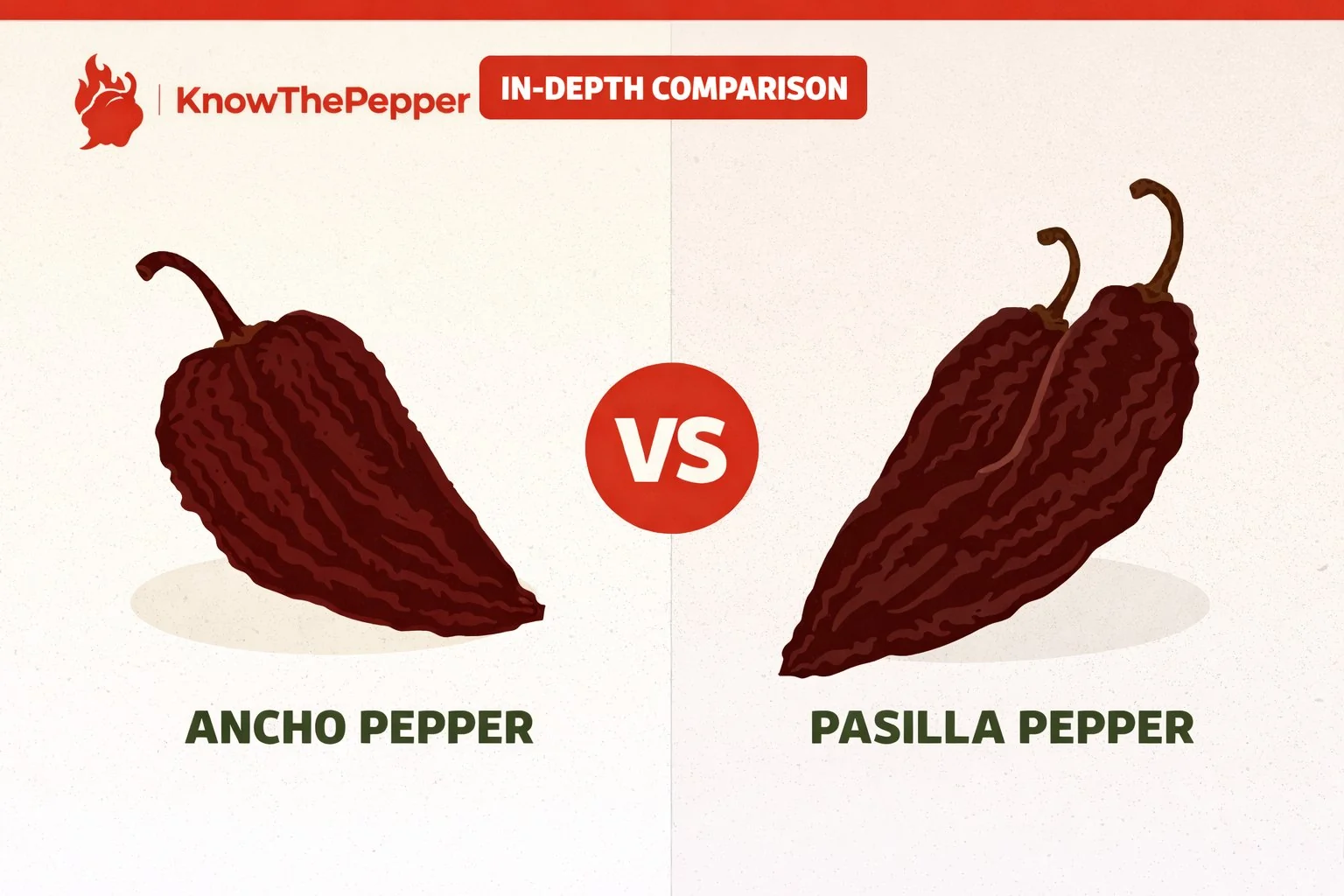
A broad heart-shaped dried chile is likely ancho, the dried form of poblano, even when a store combines the names pasilla and ancho, and the Los Angeles Times has documented the long-standing market confusion between these chiles.
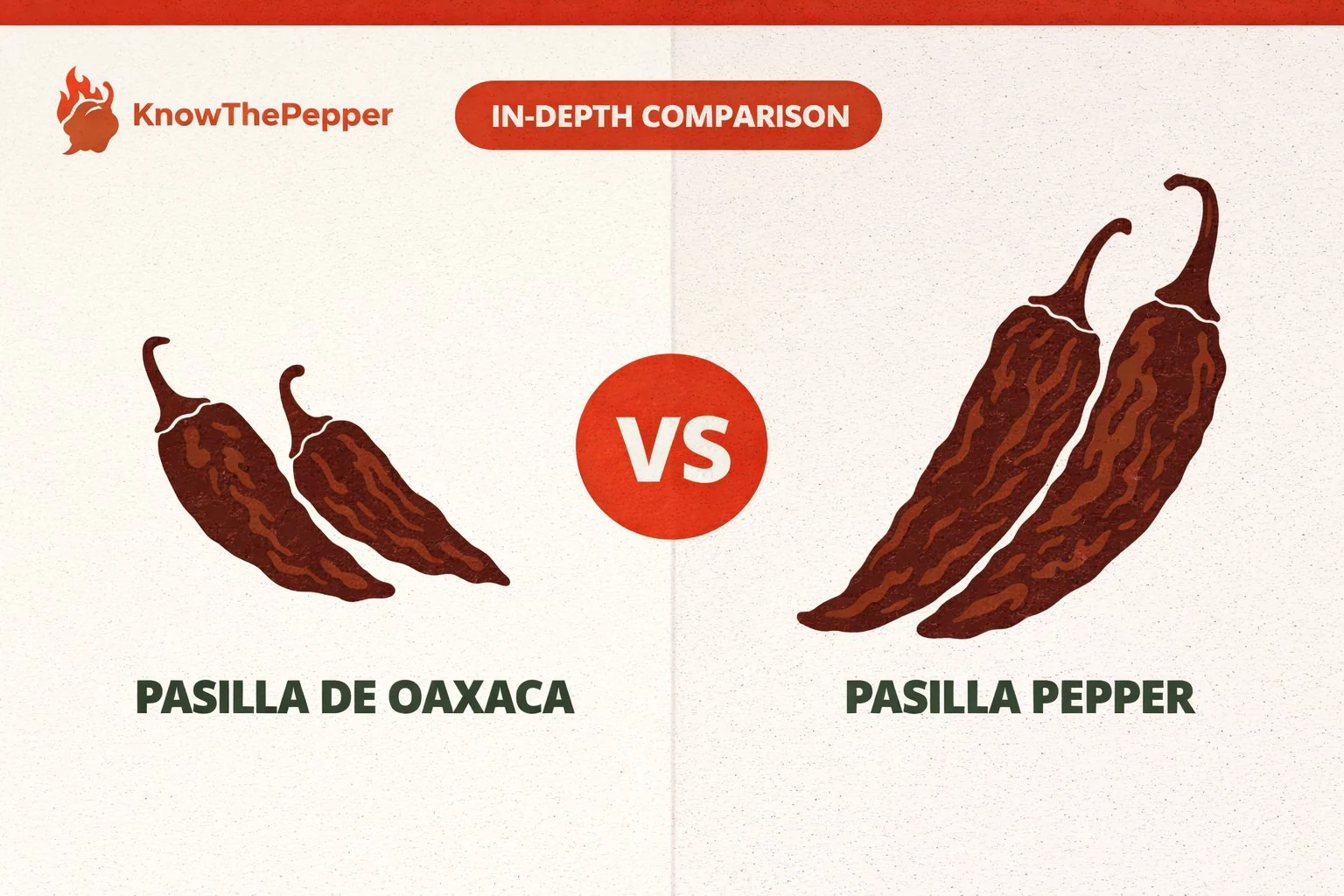
Pasilla de Oaxaca is also a separate purchase. It is smoked and typically treated as a distinct regional chile, so it should not be substituted automatically for standard unsmoked pasilla.
Read the ingredient and origin information on ground products because powder removes the visual identification test. A package containing only ground pasilla offers more useful identity than a generic dark chile powder.
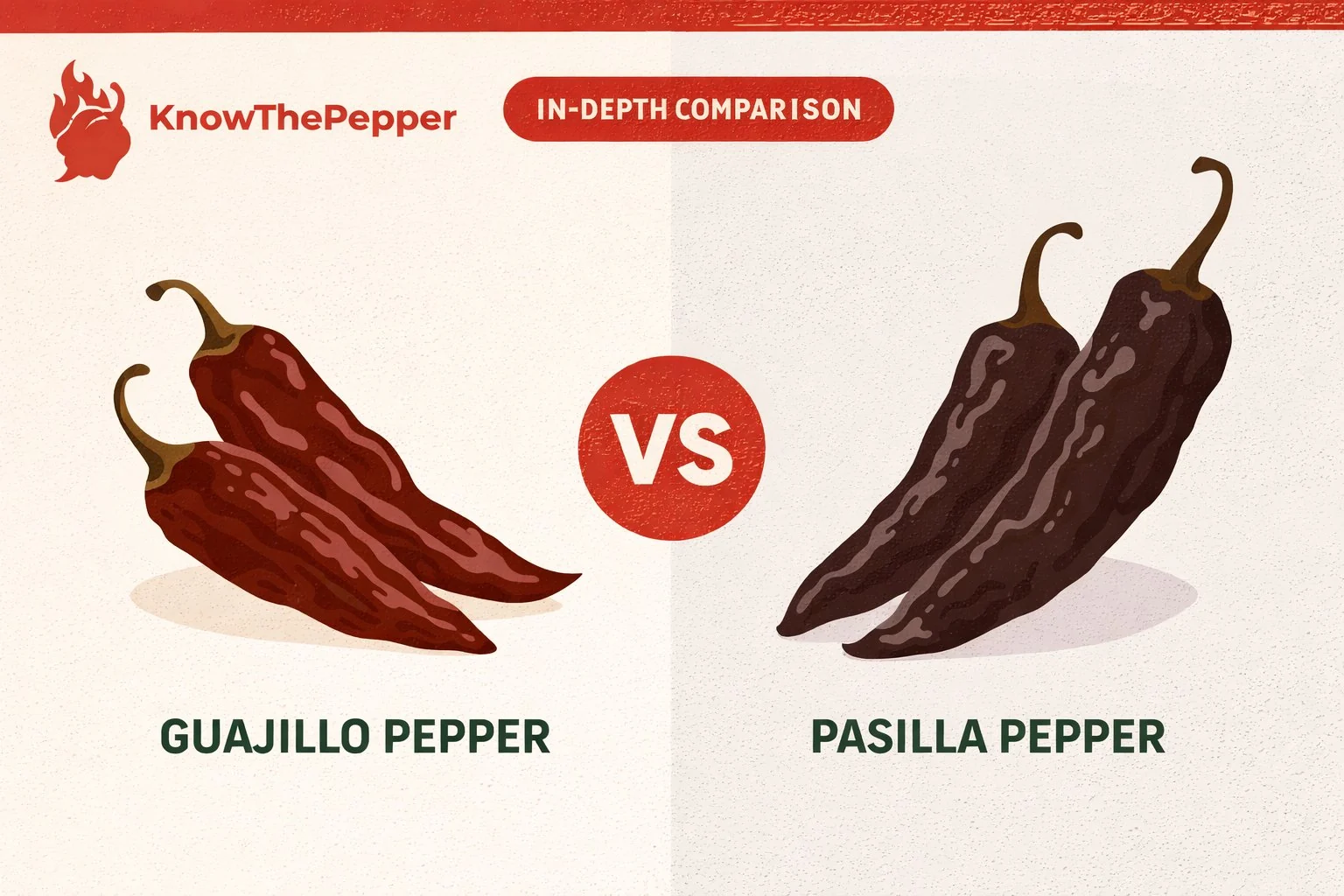
For substitution, preserve form before chasing an exact flavor, and another long fresh mild chile can cover chilaca's vegetable role, while ancho or mulato may cover part of pasilla's dried-sauce function with a different taste.
Do not apply the same count in both directions. One fresh pod and one dried pod contain different water mass, and sauce recipes respond to total solids, soaking liquid, and final volume.
For storage, keep fresh chilaca cold and dry enough to avoid surface decay. Keep pasilla sealed, dark, and protected from pantry humidity, then discard pods with mold, rancid odor, or insect damage.
The simplest test is the recipe's first transformation, and if it begins by roasting and peeling a fresh pod, choose chilaca, while a toast-and-soak instruction belongs to pasilla.
Final choice follows form, not rivalry. Chilaca becomes pasilla through ripening and drying, and the cook chooses the stage that supplies the required moisture, texture, and aroma.
Market signs may use regional vocabulary unfamiliar to the shopper, so compare the whole pod with a trusted long narrow pasilla reference before purchase and ask whether a fresh item labeled pasilla is actually chilaca, poblano, or a store-specific naming convention.
That identity also resolves the search question cleanly. You are not choosing which pepper is better, but deciding whether the dish needs the chile before or after dehydration.