

KnowThePepper
Chilaca Pepper: Long, Dark Green, and Called Pasilla Once Dried
The Chilaca pepper is the long, dark green fresh chile that becomes Pasilla after drying. Published references place it at 1,000 to 2,500 SHU, so its earthy character and roasting qualities matter more in cooking than intense heat.
- Species: Capsicum annuum
- Heat tier: Medium (1K-10K SHU)
- Comparison: the same heat range as a jalapeño because their published ranges overlap
What Makes Chilaca Pepper Different?
The fresh Chilaca is a slender Mexican Capsicum annuum pepper with a curved or twisted pod and dark green skin. Research on Mexican pepper diversity identifies Chilaca as a distinct cultivated type, while field studies in Chihuahua document it as an agricultural crop rather than a generic name for any long green chile.
Pods commonly grow long and narrow, then deepen from green toward brown as they mature. The lead image shows the useful market clues together: an elongated fresh pod, a cut interior, and the darker dried form.
Published pepper references place Chilaca at 1,000 to 2,500 SHU. Treat that range as a cultivar-level reference rather than a promise for every pod, because growing conditions and maturity can change capsaicinoid measurements.
The practical identity is simple.
Buy Chilaca when a recipe needs a fresh roastable chile with modest heat, and buy pasilla when it needs the same pepper after drying.
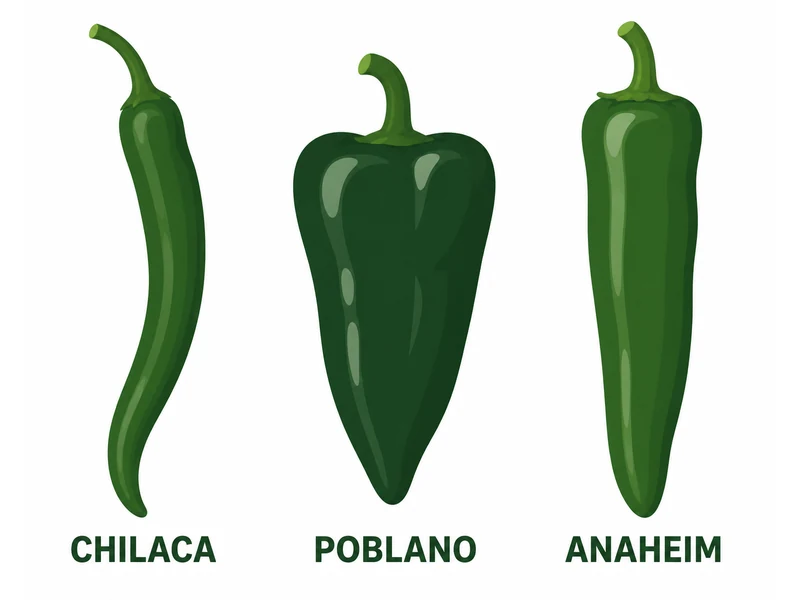
Published descriptions place the type roughly in the 15 to 35 cm length range, with a cylindrical, elongated body rather than a broad shoulder. Length varies, so use the combination of narrow shape, fresh condition, dark green skin, and market name instead of rejecting a shorter pod automatically.
Anaheim and New Mexico chiles can also be long and green, while Poblano is broader and heart-shaped.
When a bin is loosely labeled, ask whether the pepper is meant to sell fresh as Chilaca or dried as Pasilla. That answer is more useful than color alone.
The fresh pod may look nearly black-green in some light, but that surface color does not make it a dried chile negro. Fresh flesh should still feel pliable and moist when cut, while Pasilla has a wrinkled, dehydrated wall that must be toasted or softened for most sauces.
Size affects preparation more than identity. A very long pod can be divided before roasting or fitted under a broiler diagonally, while a shorter sound Chilaca can still provide the same fresh-to-dried relationship and modest heat range.
| Fresh pepper | Dried name | Shape to check |
|---|---|---|
| Chilaca | Pasilla | Long, narrow, curved or twisted, dark green |
| Poblano | Ancho | Broad shouldered and heart-shaped |
| Anaheim | Sold dried as New Mexico chile | Long and green but straighter and thicker-walled |
What Is the Origin of Chilaca Pepper?
Chilaca belongs to the Mexican diversity of Capsicum annuum. A study in Revista Chapingo Serie Horticultura examined genetic relationships among Chilaca experimental material and commercial varieties, which supports treating Chilaca as a recognized horticultural type without assigning it an undocumented ancient origin story.
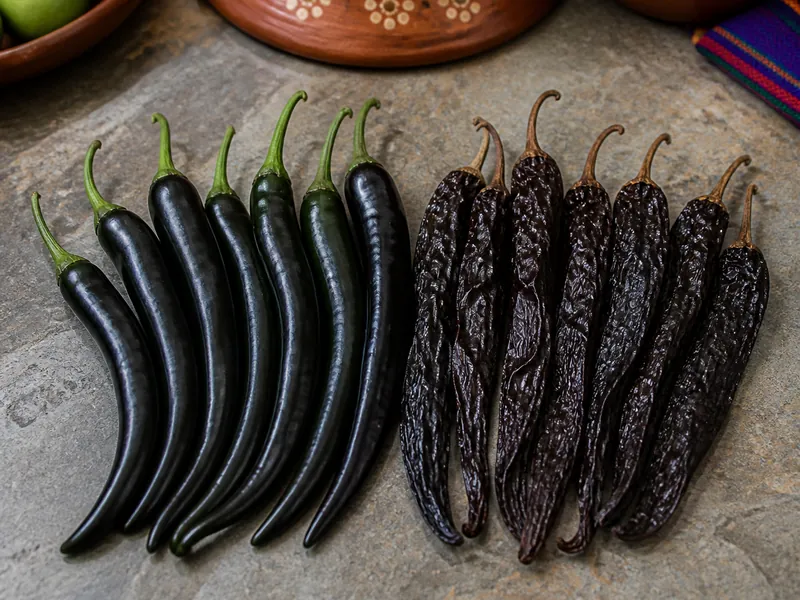
Drying changes the ingredient name used in Mexican markets. Fresh pods are sold as Chilaca, while the dark, wrinkled dried pods are sold as Pasilla.
That relationship does not make the two forms interchangeable in every dish. Drying removes water, changes texture, and concentrates aroma, so a sauce built around rehydrated Pasilla behaves differently from roasted fresh strips.
A side-by-side of chilaca and pasilla covers the full choice between the two.
How Hot Is Chilaca Pepper, and What Does It Taste Like?
The Chilaca Pepper delivers 1K–2.5K Scoville Heat Units, placing it in the Medium tier (1K-10K SHU). That makes it roughly the same heat range as a jalapeño because their published ranges overlap.
Flavor notes: earthy and rich.
Chilaca Pepper Nutrition Facts
Drying is the variable that moves these numbers, and it is also what turns this pepper into a different ingredient.
No USDA entry isolates Chilaca as a cultivar, so generic hot-pepper values should not be passed off as exact figures for it. Fresh pods contribute water, fiber and the micronutrients typical of fresh Capsicum annuum, in amounts that depend on serving size and maturity.
Research on heat treatment of Chilaca has examined changes in nutraceutical compounds. It supports saying that processing can alter measured compounds, while it does not establish a guaranteed health effect, daily value, or digestive response for someone eating this pepper.
Scoville units measure pungency concentration in the tested sample. They are not a dose "per gram," and a mild SHU range does not by itself prove anti-inflammatory or metabolic benefits.
Which Dishes Suit Chilaca Pepper?
Roasting is the treatment that matters most here.
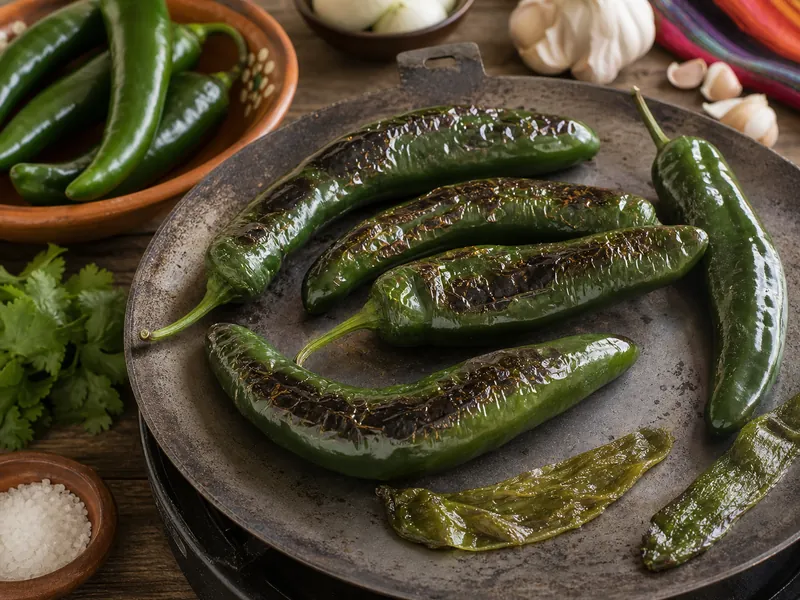
Blistering loosens the skin and softens the long pod for strips, fillings and blended sauces. Put the pod under a broiler or over a flame until the surface blisters, cover it briefly, then peel and stem it before slicing.
For rajas, the narrow shape produces slimmer strips than a broad Poblano. We favor Chilaca when crema, onion, corn, or cheese needs a chile note that stays present without dominating the dish with heat.
A Food Chemistry study of Mexican peppers found that cooking can change measured capsaicinoids and phenolic compounds, so raw and cooked values should not be treated as identical. That evidence supports describing roasting as a chemical and textural change, but it does not prove one universal flavor result for every crop.
Dried pasilla belongs in a different sequence entirely.
The pod is stemmed, toasted briefly and carefully enough not to scorch, then softened in hot water before it goes into mole, adobo or an enchilada sauce.
Selection and handling for the dried pod belong with pasilla, which is the same pepper after water loss.
Roast only until the skin is blistered and the flesh has relaxed enough for the dish. A pod headed for rajas can stay slightly firm, while a pepper destined for a smooth sauce can cook further before peeling and blending.
The long body makes prep efficient for strips. After peeling, open the pod lengthwise, scrape away the seed cluster and loose seeds, then cut across or along the flesh according to the width needed for rajas, tacos, eggs, or a creamy vegetable filling.
Fresh and dried forms should also be chosen by liquid needs. Roasted Chilaca contributes fresh pepper flesh and moisture, while rehydrated Pasilla contributes softened dried skin and soaking liquid that can deepen a sauce but cannot recreate a fresh strip.
If fresh Chilaca is unavailable, Poblano is the safer roasting substitute when width is acceptable, and Anaheim can fit dishes that need a long green chile. Neither substitute becomes Pasilla when dried, so keep the ingredient name accurate in a sauce built around dried chile identity.
For an even roasting batch, group pods by thickness rather than length. Thin ends blister first, so turn each pepper according to its own skin and move finished pods to the covered bowl instead of waiting for every chile to darken at the same time.
The covered rest should loosen the skin without turning the flesh to mush. Peel after the pepper is cool enough to handle, and keep any clean juices for a sauce or rajas mixture when their roasted flavor belongs in the dish.
Where Can You Buy Chilaca Pepper, and How Do You Store It?
Choose fresh Chilacas with firm flesh and intact dark green skin.
A curved or twisted shape is normal. Wet collapse, spreading soft spots or visible mold are reasons to leave a pod behind.
Refrigerate fresh pods dry and unwashed in a breathable produce bag, then wash them immediately before preparation. Use texture and surface condition as the freshness test because a fixed storage promise cannot account for harvest age before purchase.
Once a Chilaca has been dried and sold as Pasilla, selection changes. The dried pod should still bend without crumbling and should smell clean rather than musty.
Keep it sealed, cool and out of the light. Rehydration and longer-term dried-chile handling belong with pasilla.
Match the pod to the planned cut. Straighter, evenly firm peppers are easier to roast and slice into long rajas, while curved sound pods work just as well when the flesh will be chopped or blended.
Do not seal damp roasted peppers for long storage. Cool them promptly, refrigerate them in a clean covered container, and use a freezing or tested preservation method when the batch will not be eaten soon.
Which Peppers Can Replace Chilaca Pepper?
Direct comparisons show where flavor, form, and preparation differ in the Chilaca vs Pasilla and Chilaca vs Poblano matchups.
How Do You Start and Grow Chilaca Peppers?
Field research in Chihuahua and yield-stability work on Chilaca-type peppers show that performance varies by genotype and environment. That makes one universal yield, plant height, or maturity date unreliable for home gardeners.
New Mexico State University recommends starting chile transplants indoors and moving them outside only after frost danger has passed and soil has warmed. Apply that as general chile guidance, then follow the seed supplier's cultivar-specific days to maturity rather than assuming every Chilaca line finishes on the same schedule.
Set plants in full sun and well-drained soil, and keep irrigation consistent through flowering and pod development. These are extension-level practices for chile peppers broadly, not proof that Chilaca has a distinct drought or cracking response.
The long fruit can add weight to branches as the crop develops. Inspect the plant and add a stake or cage when stems bend under the actual fruit load instead of treating support as mandatory for every plant.
A published report identified Fusarium solani on Chilaca in Michoacan. It does not support the old claim that the pod shape itself traps moisture or that anthracnose is the defining Chilaca problem, so diagnose symptoms through a local extension service before choosing a treatment.
Plan the harvest around the intended form.
Green pods serve fresh roasting and strip preparations, while fruit left longer on the plant can be dried. Either way the crop comes in before frost or decay damages the walls both uses depend on.
Because the field studies report genotype-by-environment effects, compare plants within the same garden before blaming seed quality for differences in pod size or yield. Record transplant date, first harvest, irrigation problems, and fruit load so the next season's schedule comes from the local crop rather than a generic catalog number.
Chilaca Pepper FAQ


- Genetic relationships among Chilaca pepper materials and commercial varieties
- Yield stability in Chilaca-type pepper
- Chilaca pepper field research in Chihuahua
- Fusarium solani associated with Chilaca pepper in Michoacan
- Cooking effects on capsaicinoids and phenolics in Mexican peppers
- Fingerprinting Mexican Capsicum annuum cultivars
- New Mexico State University Chile Pepper Growing Guide
- Heat-treatment effects on Chilaca nutraceutical properties
Species classification: Capsicum annuum - based on published botanical taxonomy.