

KnowThePepper
Red Jalapeno: The Same Pepper, Sweeter, Not Hotter
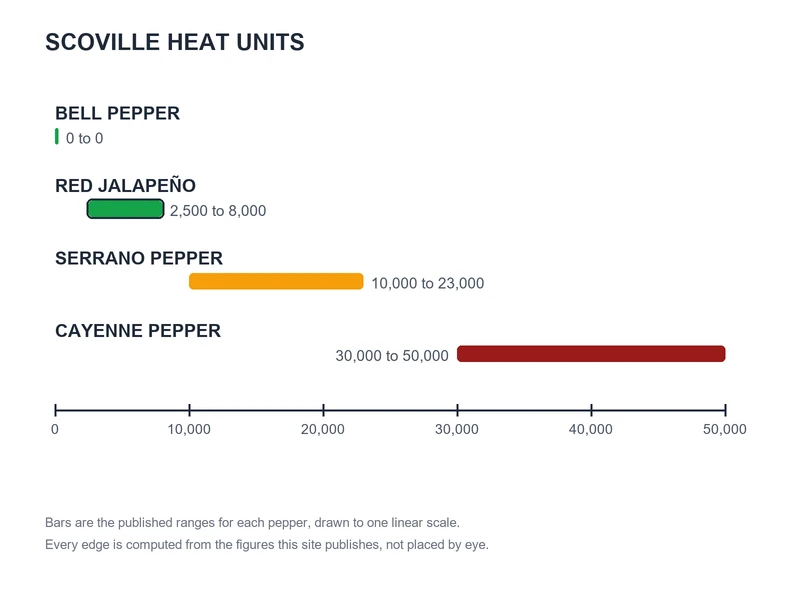
The red jalapeño is the same pepper as the green one, just left on the plant longer. That extra ripening time converts starches to sugars, producing a noticeably sweeter, fruitier flavor alongside the familiar 2,500 to 8,000 SHU heat.
It's one of the most practical peppers in any kitchen, equally at home fresh, roasted, or smoked.
- Species: C. annuum
- Heat tier: Medium (1K-10K SHU)
- Comparison: the same heat range as a jalapeño because their published ranges overlap
What Kind of Pepper Is Red Jalapeño?
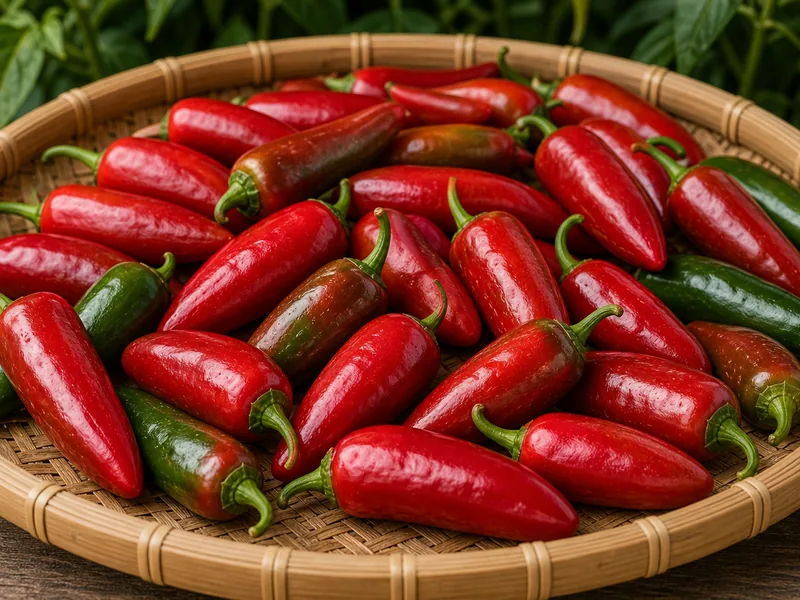
Most people never think to ask what a jalapeño looks like fully ripe. The answer is this: red, sweeter, and with a slightly different bite than its green counterpart.
The red jalapeño (Capsicum annuum) is the same cultivar as the standard green jalapeño, simply allowed to reach full maturity on the plant. That extended hang time, often several additional weeks, triggers sugar development and softens some of the grassy sharpness that defines the green version.
Heat lands in the 2,500 to 8,000 SHU range, which places it in the medium heat classification alongside a broad range of familiar peppers. The upper end of that range is genuinely noticeable, but the sweetness softens the perception of heat in ways that pure SHU numbers don't capture.
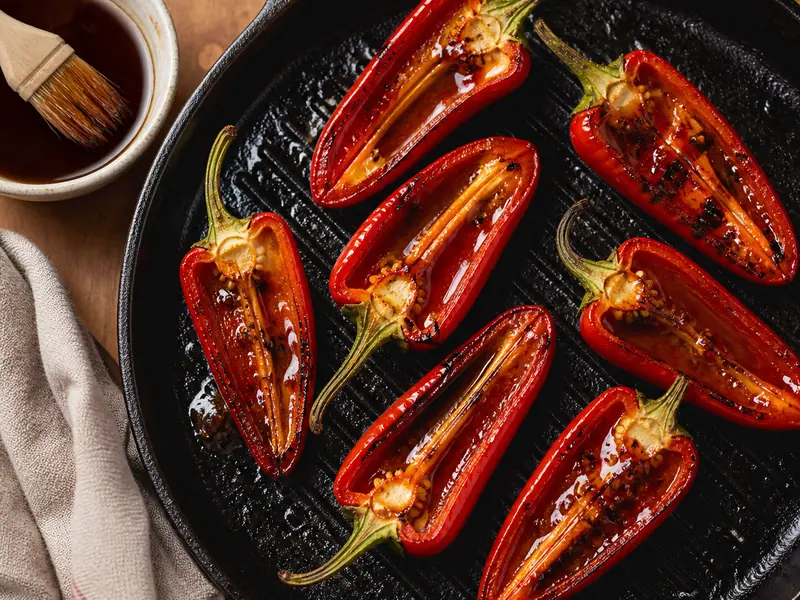
Flavor-wise, expect stone fruit undertones, a hint of cherry or plum, layered over the classic jalapeño warmth. Roasting amplifies both the sweetness and the smokiness, making red jalapeños exceptional for sauces, glazes, and compound butters.
They're also the starting point for smoked medium-heat chipotles - the dried, smoked form of the red jalapeño, which tells you something about how well this pepper handles heat transformation. Whether you're using them fresh, pickled, or fire-roasted, the red version consistently outperforms the green in recipes where sweetness matters.
| Stage | What changed | What it is for |
|---|---|---|
| Green jalapeno | Picked before full ripeness | Sharp and grassy, the default for pico de gallo and poppers |
| Red jalapeno | Left on the plant, starches turning to sugars | Sweeter and fruitier at the same heat, better in glazes and cooked salsas |
| Chipotle | The red pod smoke-dried | Smoke and dried-fruit depth, used from a can or ground |
Where Does Red Jalapeño Come From?
Jalapeños trace back to the Aztec civilization in central Mexico, where the pepper has been cultivated for thousands of years. The name derives from Xalapa (also spelled Jalapa), the capital of Veracruz state, which historically served as a primary trading hub for the pepper.
For most of that history, the distinction between green and red jalapeños wasn't treated as a separate variety, it was simply a matter of harvest timing. Farmers who wanted milder, grassier peppers picked early.
Growers wanting sweetness and deeper flavor waited for full red maturity.
The green jalapeño became dominant in commercial markets largely for practical reasons: longer shelf life and easier transport. The red form remained common in traditional Mexican cooking, particularly in the production of chipotle peppers, where fully ripe red jalapeños are smoked and dried.
Today, red jalapeños are increasingly available at farmers markets and specialty grocers as consumer awareness of flavor differences has grown.
How Hot Is Red Jalapeño? Heat and Flavor
The Red Jalapeño delivers 2.5K–8K Scoville Heat Units, placing it in the Medium tier (1K-10K SHU). That makes it roughly the same heat range as a jalapeño because their published ranges overlap.
Flavor notes: sweet and fruity.
Red Jalapeño Nutrition Facts
Red jalapeños deliver more vitamin C than their green counterparts, the ripening process increases ascorbic acid content significantly. A single 45g pepper provides roughly 66% of the daily recommended vitamin C intake.
They're also a meaningful source of vitamin A (from beta-carotene, which increases as the pepper reddens), vitamin B6, and potassium. Capsaicin, the compound responsible for heat, has been studied for its role in metabolism and pain signaling.
The molecular structure of capsaicin's burn explains why the heat sensation feels different from other spicy foods.
Calorie count is minimal: roughly 18 calories per pepper.
What Is Red Jalapeño Best Used For?
Red jalapeños shine in applications where green jalapeños feel too sharp or vegetal. The sweetness integrates beautifully into glazes, try them in a honey-red jalapeño reduction over grilled pork or roasted chicken.
For salsas, the red version produces a noticeably richer base than green. Combine fire-roasted red jalapeños with Roma tomatoes, garlic, and a splash of apple cider vinegar for a salsa that reads more complex than anything made with unripe peppers.
Pickling is another strong use case. The natural sugars in red jalapeños take on a bright, tangy character in a quick-pickle brine, producing a condiment that works on tacos, grain bowls, or charcuterie boards.
For those familiar with New Mexico's roasted pepper traditions, the red jalapeño offers a similar sweetness in a smaller package with more accessible heat. Stuffed preparations work well too, the walls are thick enough to hold fillings without falling apart during cooking.
Pairing-wise, dairy cuts the heat effectively: cream cheese, cotija, or crema all complement red jalapeño heat. Fruit pairings like mango, pineapple, and peach amplify the natural sweetness rather than fighting it.
How Do You Keep Red Jalapeño Fresh?
Red jalapeños appear at farmers markets in late summer and early fall, when growers allow peppers to fully mature rather than harvesting early. Specialty grocery stores and Latin markets carry them more consistently year-round.
Look for firm, glossy skin with deep, even red color. Soft spots or wrinkled skin indicate age.
Some corking (tan surface lines) is desirable, it signals maturity, not damage.
Fresh red jalapeños keep 1 to 2 weeks refrigerated in a paper bag or crisper drawer. For longer storage, roast and freeze them in airtight containers for up to 6 months.
They also pickle exceptionally well and hold in the refrigerator for several weeks.
Deciding when to pick
- Pick green for sharp, grassy heat and to keep the plant setting fruit
- Leave pods on the plant for red, which sweetens without adding heat
- Watch for corking, the pale stretch marks that show a pod has been on the plant a while
- Take red pods before the skin wrinkles, since wrinkling is moisture loss
- Leave a few plants unpicked if you want both stages from one bed
What Can You Use Instead of Red Jalapeño?
Compare substitutes for Red Jalapeño by form, flavor, and heat before choosing a ratio. Measured adjustments must account for the dish and the concentration of the replacement.
Direct comparisons show where flavor, form, and preparation differ in the Fresno vs Red Jalapeno and Red vs Green Jalapeno matchups.
How Do You Grow Red Jalapeño Peppers?
Growing red jalapeños is identical to growing green ones, the difference is simply patience. Standard jalapeño plants are productive and relatively forgiving, making them a solid choice for gardeners at most experience levels.
Start seeds indoors 8 to 10 weeks before the last frost date. Germination is reliable at soil temperatures between 75 to 85°F.
Transplant outdoors after nighttime temperatures consistently stay above 55°F.
For practical guidance on timing and soil prep, the jalapeño cultivation covers transplanting depth, spacing, and hardening off in detail.
Full sun and well-draining soil are non-negotiable. Plants benefit from consistent moisture, irregular watering leads to blossom drop and uneven fruit development.
A balanced fertilizer through the vegetative stage, then a lower-nitrogen formula once flowering begins, keeps energy directed toward fruit production.
The key difference for red jalapeños: leave fruit on the plant an additional 3 to 4 weeks after it reaches full green size. Watch for the color shift from bright green to a deep red.
Some fruit will show corking, thin tan lines on the skin, which is normal and actually indicates a more mature, flavorful pepper. Compare this to the Hatch Chile's longer growing season requirements and you'll appreciate how manageable jalapeño timing really is.
Red Jalapeño FAQ


- USDA FoodData Central, Peppers, jalapeno, raw
- Capsicum annuum L. - USDA GRIN Taxonomy
Species classification: C. annuum - based on published botanical taxonomy.