Red Jalapeño Substitute: Ripe Fresno Is the Closest Fresh Match
Ripe Fresno is the closest single fresh substitute for red jalapeño. Use green jalapeño when thick walls and familiar heat matter more than ripe sweetness, red serrano when extra heat is acceptable, and chipotle only when smoke belongs in the dish.
Heat at a glance
What is the closest red jalapeño substitute?
Ripe Fresno is the best single fresh red jalapeño substitute for most chopped or blended uses. Green jalapeño is the best structural match, while red serrano works when stronger heat is acceptable and chipotle works only when smoke belongs.
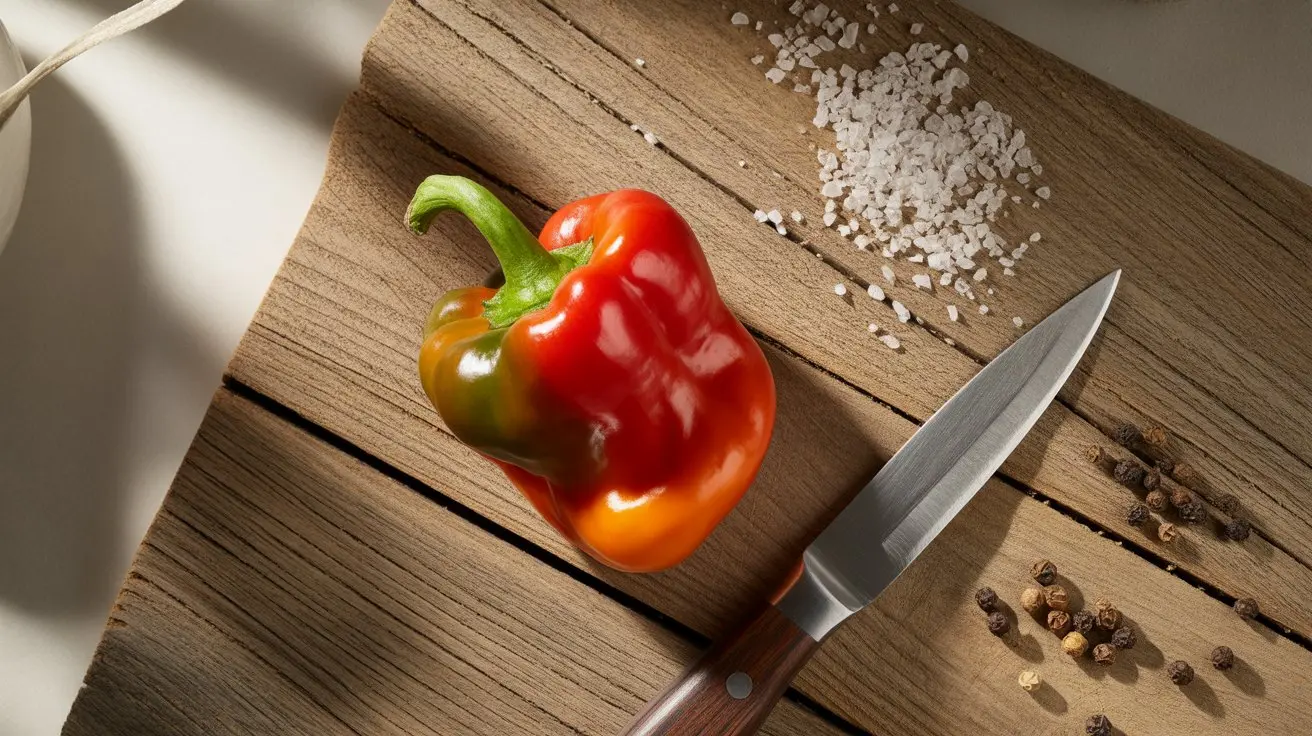
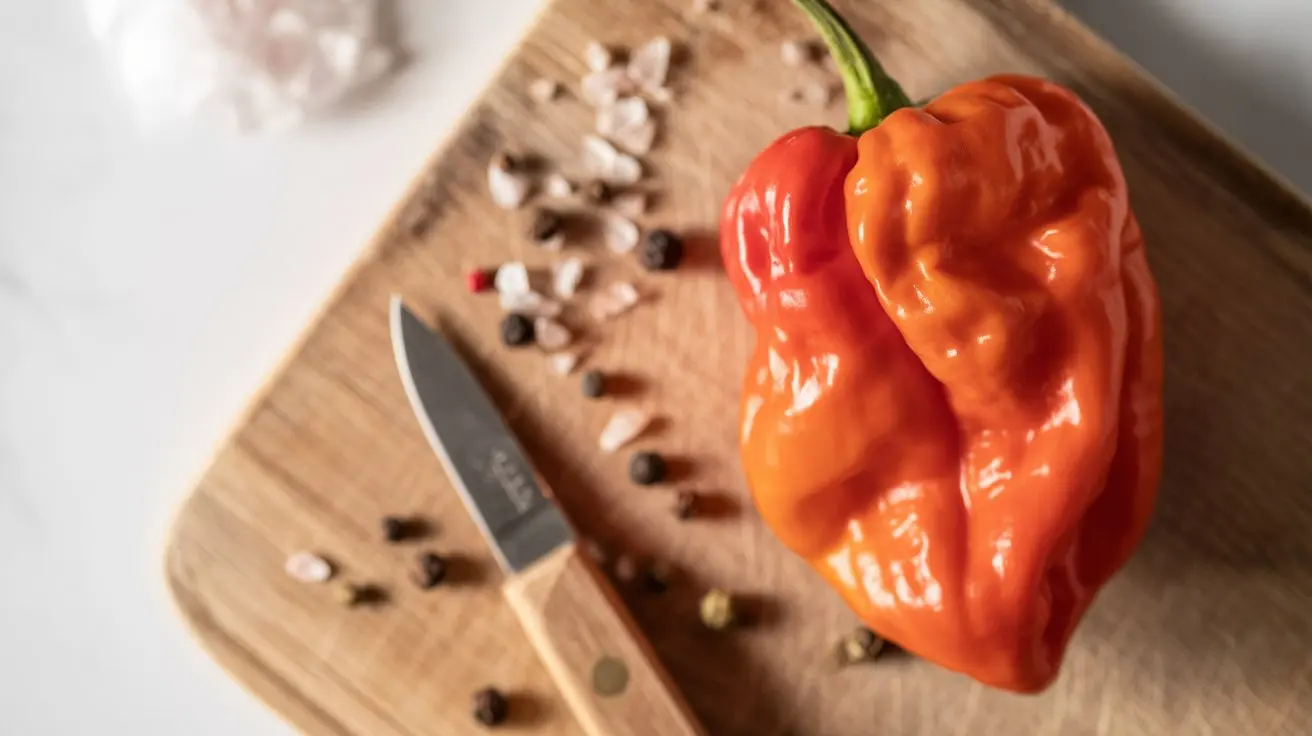
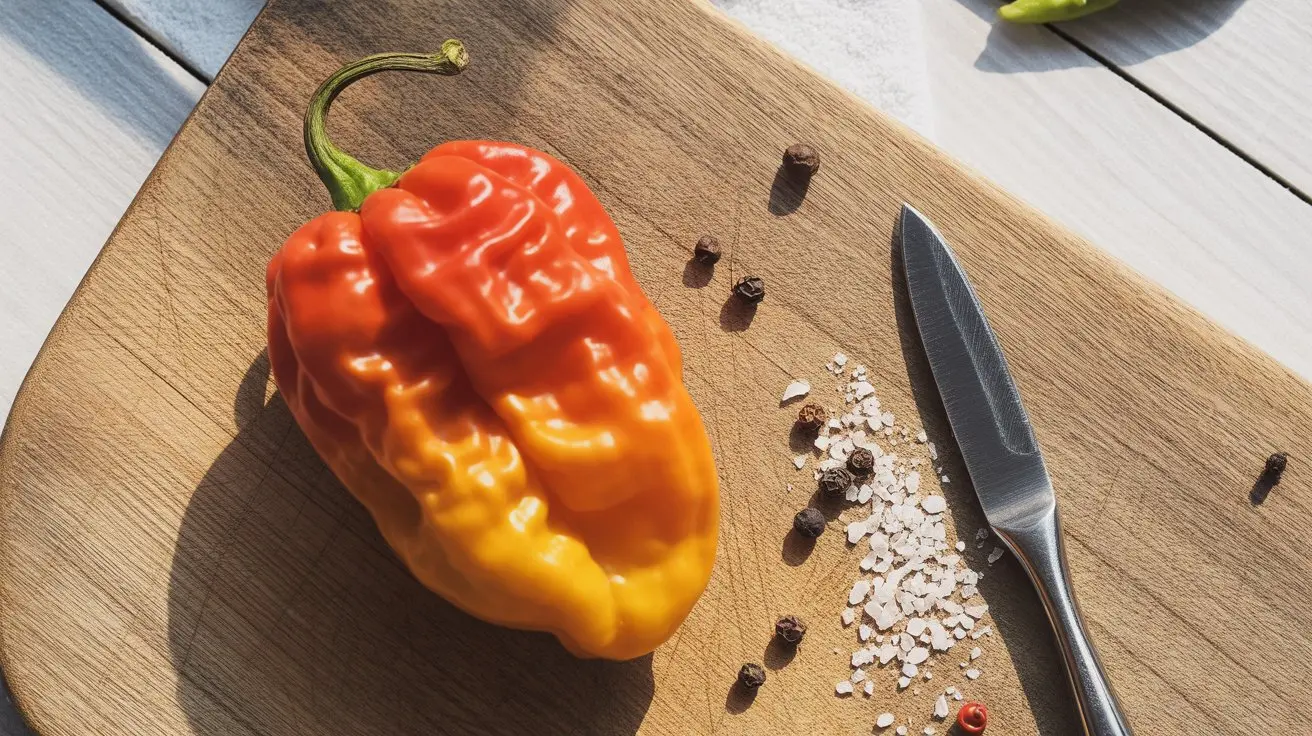
A red jalapeño is a ripe jalapeño, not a separate species. Ripening changes color and flavor, but the pepper still has the thick walls and 2,500 to 8,000 SHU range associated with jalapeño.
Separate four decisions before choosing
- Heat: decide whether the dish needs the jalapeño range or can accept a hotter pepper.
- Ripe flavor: decide whether sweetness and red-fruit character matter more than the green vegetal note.
- Physical form: identify whether the recipe needs rings, dice, puree, a thick wall, or a cavity for filling.
- Processing: keep fresh, pickled, dried, smoked, and canned forms separate because each brings other ingredients or removes water.
A substitute only needs to match the properties that perform a real job. Fresh garnish needs color, snap, and controlled heat, while a blended barbecue sauce may care more about ripe chile flavor than crisp texture.
Check the recipe before shopping.
If red jalapeño supplies a visible cup of chopped pepper, the replacement must account for that volume. If it supplies one minced spoonful, heat and flavor can take priority over body.
Best Red Jalapeño Substitutes by Kitchen Job
Ripe Fresno pepper
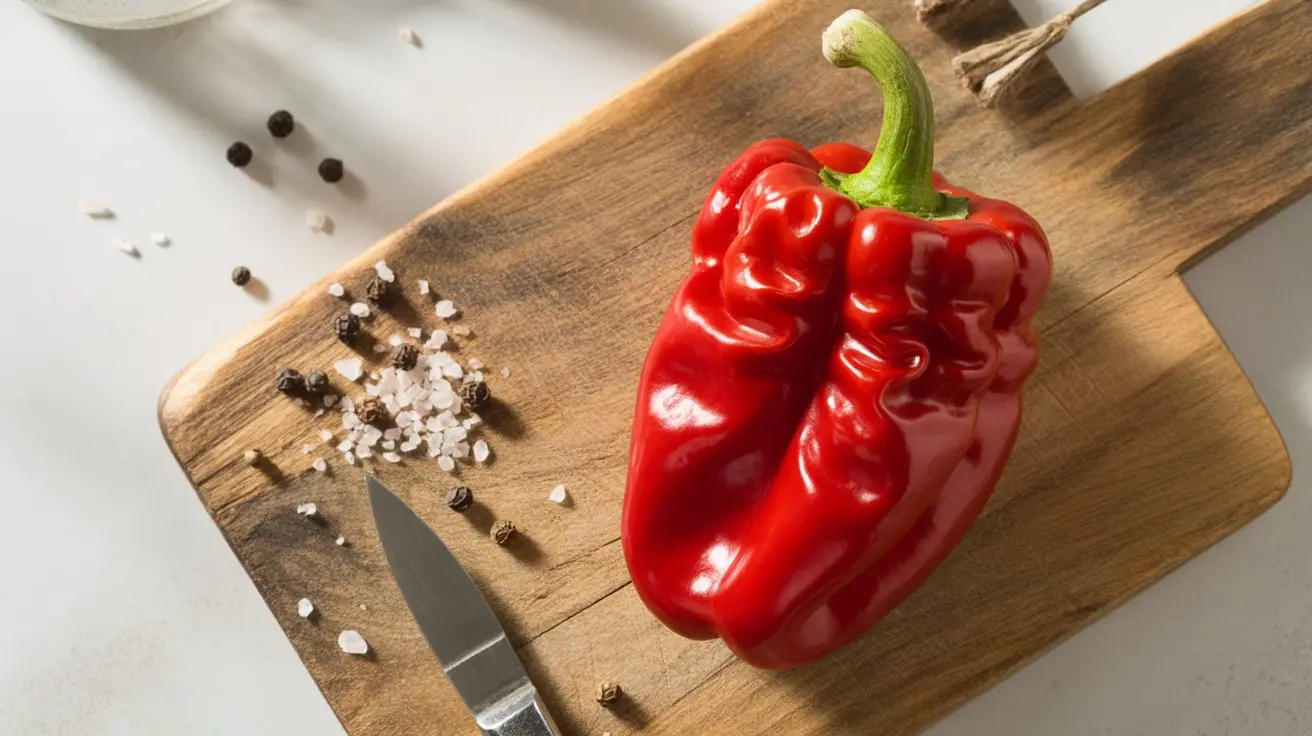
Closest MatchRipe Fresno is the closest single fresh substitute when the red color, fruity flavor, and medium heat all matter. Its 2,500 to 10,000 SHU range overlaps the 2,500 to 8,000 SHU jalapeño range, although an individual Fresno can finish hotter.
The walls are thinner than jalapeño walls, so Fresno softens faster in a pan and will not hold a stuffed shape as well. That difference is useful in salsa, hot sauce, relish, glaze, quick pickles, and any preparation where the pepper will be chopped or blended.
Use the same chopped volume as a starting point for fresh salsa or sauce. Taste before adding the full amount when the Fresno has strong heat, and reduce cooking time when intact pieces should retain texture.
Green jalapeño
Runner-UpGreen jalapeño is the same type of pepper harvested before full red ripeness. It matches the thick walls, familiar 2,500 to 8,000 SHU range, and most cooking behavior better than any different cultivar.
The missing property is ripe sweetness. Green jalapeño tastes grassier and more lightly bitter, so a sauce or glaze may need a small amount of fruit, roasted red pepper, or sugar that already makes sense in the recipe.
Use equal chopped volume in salsa, pickles, cooked fillings, and most sauces. For a garnish where red color matters, green jalapeño solves flavor and texture but cannot solve appearance.
Letting green jalapeños ripen at home is unreliable after harvest. Buy red-ripe pods when the mature flavor is central instead of treating countertop color change as full plant ripening.
Red serrano pepper
Also GreatRed serrano supplies ripe chile flavor and red color, but it is substantially hotter at 10,000 to 23,000 SHU. Its smaller size and thinner walls also contribute less vegetable bulk.
Use it when the original recipe needs a finely minced chile rather than a thick ring or stuffed cavity. Salsa, chutney, relish, and blended sauce can accept the difference because the cook can measure heat and body separately.
Begin with about one quarter of the red jalapeño's chopped volume, then taste. Add mild red pepper or another recipe ingredient for missing bulk rather than increasing serrano until the volume matches.
Red bell pepper plus green jalapeño
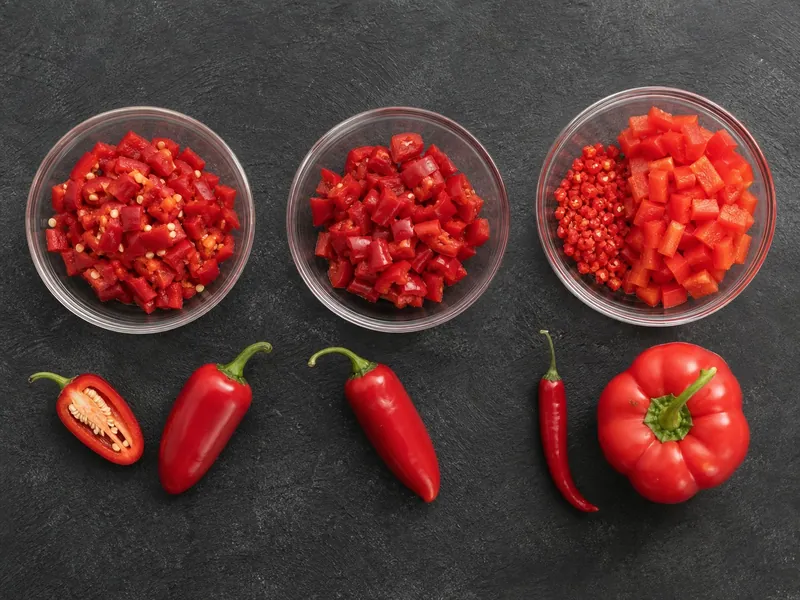
This two-pepper solution works when no single pepper matches ripe sweetness, red color, jalapeño texture, and heat. Red bell pepper supplies sweet red flesh, while green jalapeño supplies the familiar medium heat and thicker chile character.
It is useful in cooked salsa, glaze, pepper jelly, relish, and larger batches where color and body matter. It is less convincing as a raw ring garnish because the two components remain visibly separate.
Start with three parts chopped red bell pepper to one part green jalapeño by volume. Adjust the jalapeño portion after tasting, since its heat can vary even when the store labels every pod the same way.
Roasting both peppers narrows the flavor gap by reducing the green edge and concentrating sweetness. Peel the bell pepper when a smooth sauce is the goal, while finely chopped jalapeño skin can remain.
Chipotle in adobo
Chipotle is a smoke-dried red jalapeño, so it preserves the pepper's identity but changes its form, moisture, and dominant flavor. Use it only when smoke belongs in the finished dish.
It can replace red jalapeño in barbecue sauce, beans, braises, chili, marinades, and creamy sauces. It is a poor fit for fresh salsa, crisp garnish, quick pickles, or any recipe that depends on juicy raw pepper texture.
Begin with a small amount of minced chipotle and add adobo sauce separately. The sauce contributes vinegar, tomato, salt, and spices, which means an equal-volume swap changes more than pepper heat.
Dried whole chipotle needs rehydration before blending. Chipotle powder can season a dry mixture, but it cannot replace the water or pieces supplied by fresh red jalapeño.
Measure the swap by form, not by pod count
Pod count is a weak conversion because Fresno, jalapeño, serrano, and bell peppers differ in size and wall thickness. Measure chopped solids by spoon or cup, then make a separate heat adjustment.
For raw salsa and relish
Start ripe Fresno at equal chopped volume. Start red serrano at one quarter volume and add mild red pepper only when the missing bulk affects the recipe.
Green jalapeño can begin at equal volume, but taste the completed mixture before correcting sweetness. Tomato or fruit already present may make an added sweetener unnecessary.
For cooked sauce and glaze
Thin-walled Fresno cooks down faster than jalapeño, so add it later when small pieces should remain visible. In a smooth puree, the timing difference matters less than the final water level.
Chipotle and adobo should enter as separate measured ingredients. Mince the chile for smoke and heat, then add only enough sauce to supply the desired acid and seasoning.
For pickles and visible rings
Green jalapeño is the closest option because its walls and diameter behave similarly in brine. Fresno can work, but thinner rings may soften sooner and take up the brine faster.
Do not use substitution ratios to alter a shelf-stable canning formula. The tested recipe owns pepper preparation, acid concentration, jar size, and processing time.
For stuffed peppers
Green jalapeño is the direct structural replacement. Fresno may split or collapse sooner, while serrano is too small to provide a comparable filled portion.
How do you tell a red jalapeño from a Fresno?
A grocery label that says red chile does not identify a cultivar. Check the shape, wall thickness, size, and produce tag before assuming a red pepper is a ripe jalapeño.
Red jalapeño and Fresno can look similar
Both are tapered red peppers in a comparable size range, and both may appear in mixed chile displays. Jalapeño usually has broader shoulders and thicker, more rounded walls, while Fresno commonly looks slimmer and more conical.
Cutting one pod reveals more than color.
A thick wall and sturdy cavity point toward jalapeño cooking behavior. A thinner wall that bends and softens quickly points toward Fresno behavior, even when the heat is still close enough for salsa or sauce.
Color does not prove the heat
Red color shows that the fruit reached a later stage of ripeness. It does not tell the cultivar, growing conditions, or measured capsaicin level of that pod.
Taste a tiny cut piece before deciding the batch quantity. Sample near the flesh first and remember that the pale internal rib can be hotter than the outer wall.
Ask what form the recipe expects
Fresh red jalapeño should feel firm and juicy. A wrinkled dried chile, a smoked canned chile, and vinegar-packed red rings have already changed form and cannot share the same volume rule.
When the store only offers a packaged product, read the ingredient list. Added vinegar, salt, sugar, tomato, or smoke must fit the dish before the pepper itself can count as a useful substitute.
Swaps That Change the Dish Too Far
- Cayenne powder adds concentrated dry heat but no fresh pepper flesh, ripe sweetness, or red rings.
- Habanero brings a fruity aroma but its 100,000 to 350,000 SHU range is far beyond jalapeño heat and makes a direct fresh swap unsafe to estimate by pod.
- Paprika supplies red color and dried-pepper flavor, but it cannot replace fresh moisture or texture.
- Pickled jalapeño already contains acid and salt, so it only fits when those additions belong in the recipe.
Correct color, sweetness, and heat separately
A replacement often matches two properties and misses the third. Correcting the missing property separately gives the cook more control than searching for one perfect pepper.
Use roasted red bell pepper for color and sweet flesh when green jalapeño already supplies the right heat. Use a smaller amount of serrano when ripe red pepper supplies body but not enough burn.
Acid can brighten a sauce, but it does not recreate ripe jalapeño sweetness. Sugar can round bitterness, but too much turns salsa or relish into a different condiment.
Add either correction in small measured steps.
Texture cannot always be repaired after cooking. Choose thick-walled green jalapeño at the start when rings, pickles, or stuffed halves must hold their shape.
Test the swap before scaling the recipe
A small test protects a large batch from an unknown pepper. This matters most for jelly, hot sauce, fermented mash, party salsa, and any preparation that is difficult to dilute after the heat spreads.
Measure solids before seasoning
Chop the candidate to the same size the final recipe will use, then measure it by teaspoon, tablespoon, weight, or cup. Keep any brine or adobo sauce out of that solid measurement.
Mix a small portion of the food with part of the calculated pepper amount.
Let raw salsa rest long enough for juice and capsaicin to distribute. Let a cooked sample cool to a safe tasting temperature because high serving heat can make the first taste harder to judge.
Record the properties separately
- Note whether the sample needs more pepper flavor or only more heat.
- Check whether extra pepper has made the mixture wetter or changed its texture.
- Check acid and salt again when the substitute came from a jar or can.
- Record the measured amount and package or pepper type before scaling.
If the sample needs body but already has enough heat, add a mild matching pepper. If it needs heat but already has enough solids, increase the hotter component alone.
Multiply the tested quantities only after the sample is balanced.
Large batches can still taste different because mixing is less efficient, so hold back a small portion of the final addition. Stir thoroughly and make the last correction after the pepper has spread through the whole batch.
Substitution tip: When substituting Red Jalapeño, start with less of a hotter substitute and add more to taste. For milder substitutes, increase the quantity.
Our swap ratio calculator gives precise conversion amounts, and the heat unit converter translates between Scoville and other scales.